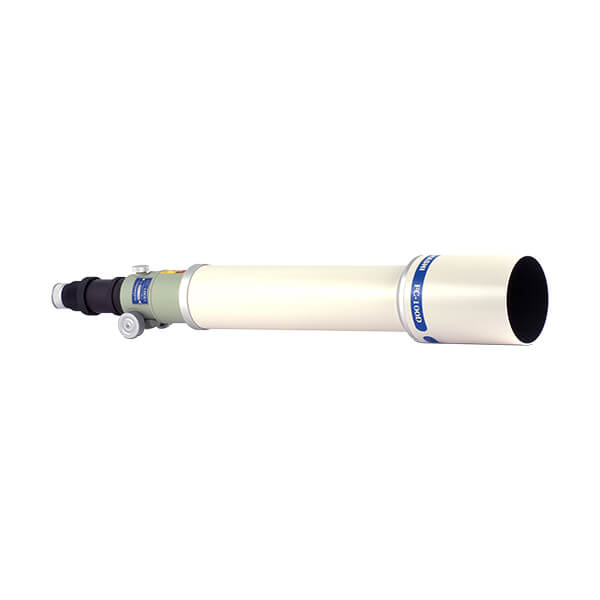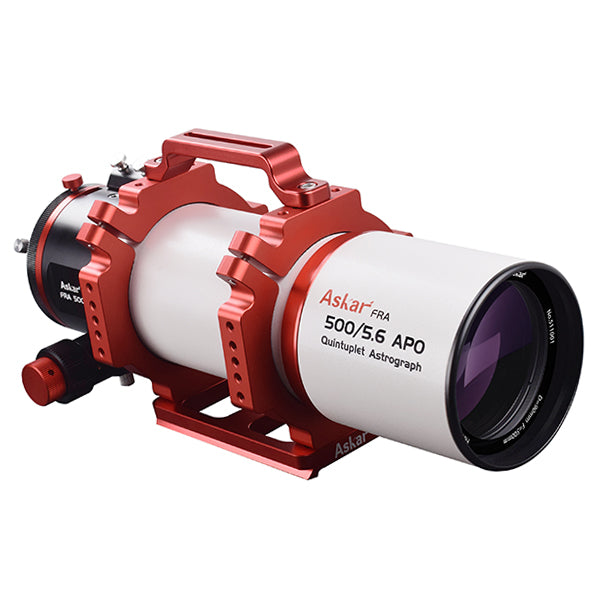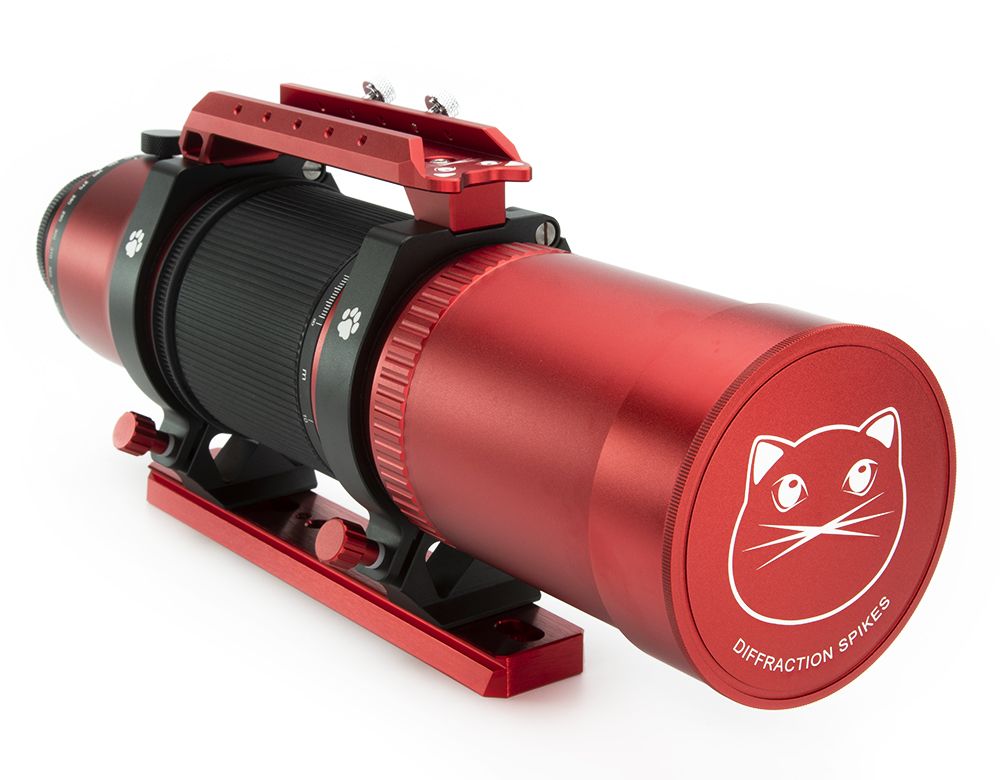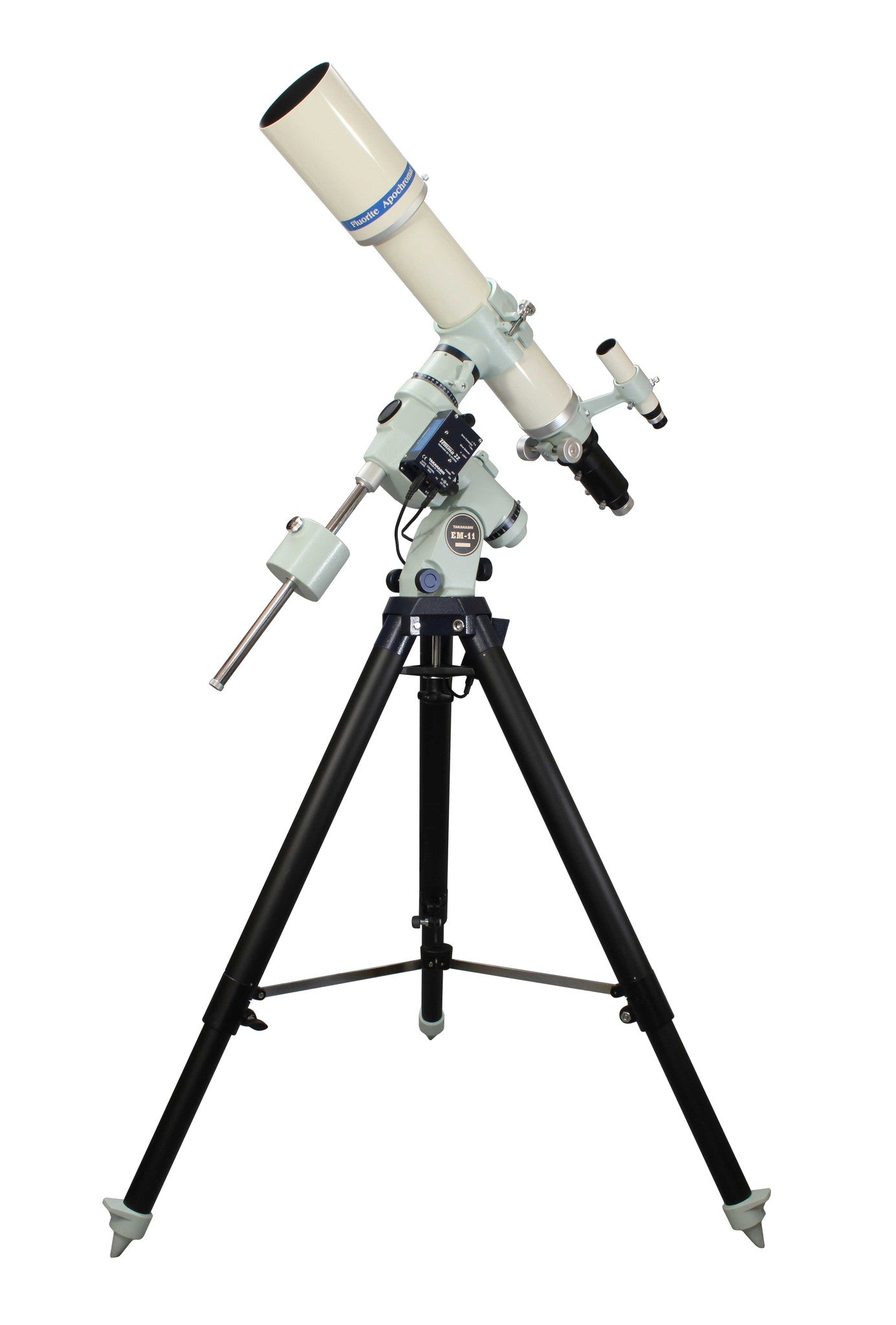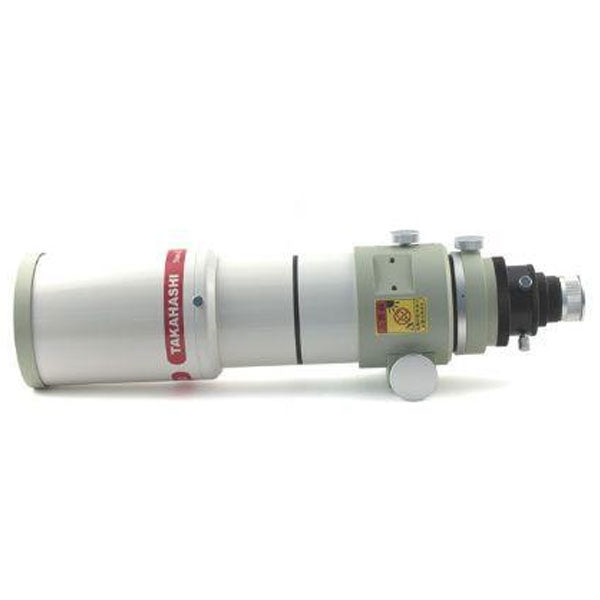
Takahashi FSQ-85EDX — image 1
Takahashi

Takahashi FSQ-85EDX

The legendary baby Q: an 85mm f/5.3 Petzval astrograph whose flat, fast, full-frame field and Takahashi build made it the reference wide-field imaging refractor for a generation.

92/ 100
Polaris Score
#1 of 7 premium imaging refractor
See the breakdown ↓
Aperture
85mm
Focal Length
450mm
Focal Ratio
f/5.3
Mount Type
None (OTA only)
Optical Design
Petzval Astrograph
Weight
3.8 kg
From$3,440

Lowest in 90 daysLowest ever tracked

Price tracked by PolarisObserved 99 timesTracking since Jul 2026

Try in simulator →
Where to buy

Verified 10h ago · prices tracked daily
What it's built forOpen these in the simulator →

This telescope was built for the camera.

A fast f/5.3 astrograph designed to throw a wide, flat, well-corrected field onto a sensor. It is an optical tube first — give it a tracking mount and a camera and it rewards long exposures, not eyepieces.

f/5.3 — built to imageNeeds a tracking mount
The view people remember

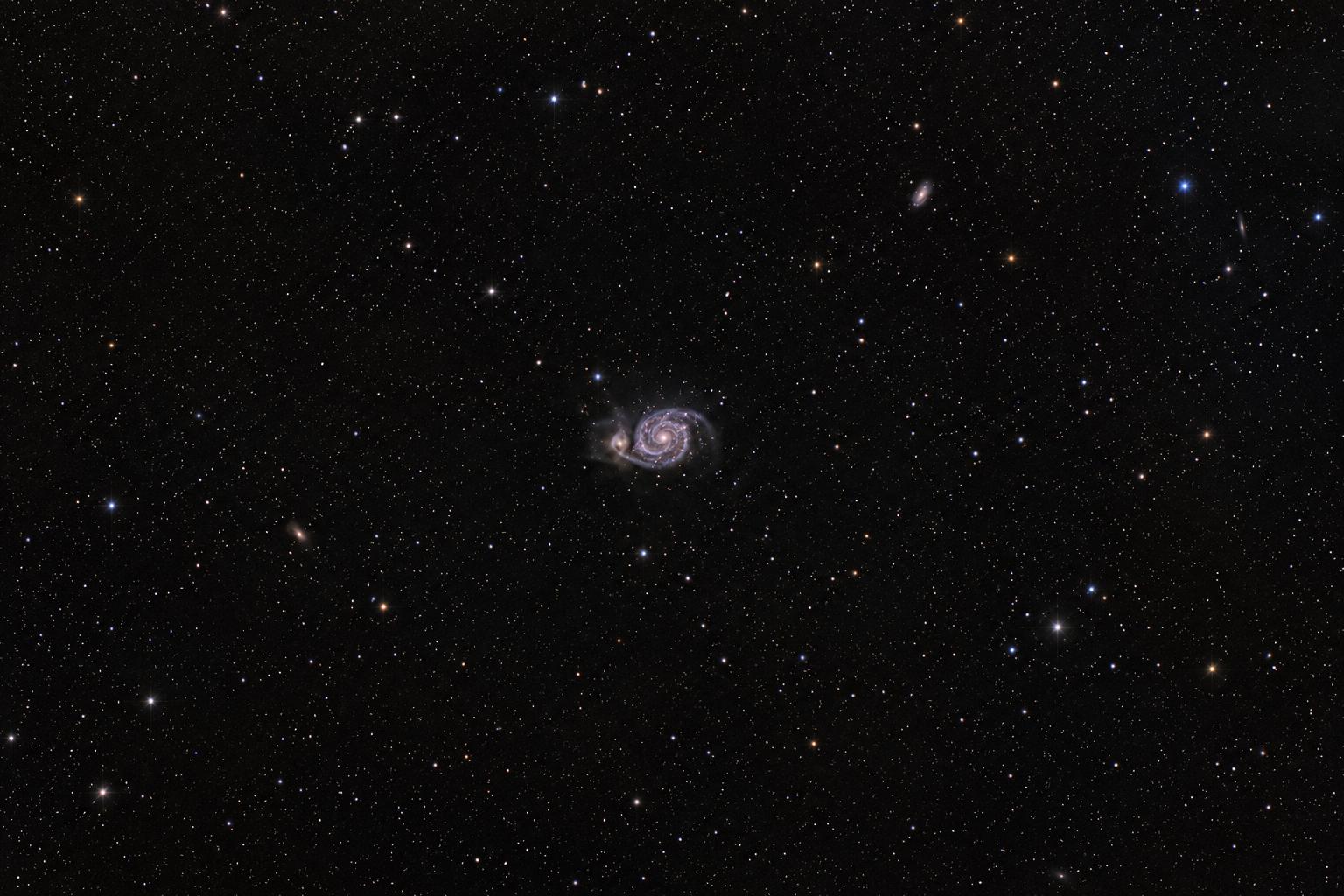
The Whirlpool, and its companion.

A face-on spiral with a smaller galaxy caught at the end of one arm — on a dark night the spiral structure lifts off the sky in a way photographs almost prepare you for.

See Whirlpool Galaxy through this telescope →
01What it's good at

What it's best at — and the trade-offs.

The four-element Petzval design delivers famously flat, pinpoint stars across a full-frame sensor with no separate flattener needed
Best at
✓The four-element Petzval design delivers famously flat, pinpoint stars across a full-frame sensor with no separate flattener needed
✓450mm at f/5.3 frames large nebulae and the Milky Way while collecting light fast for short exposures
✓It is renowned for corner-to-corner star quality that has set the benchmark other astrographs chase
✓Takahashi mechanics hold focus and back-spacing precisely, which matters enormously for imaging
Trade-offs
!The price is a large step up from the value astrographs that image nearly as well
!450mm is short, so small targets stay small in the frame
!As an OTA it needs a tracking mount, camera and guiding to produce results
!The premium extends to Takahashi's own accessories and extensions
02In plain English

What These Numbers Mean

85mm · f/5.3 · 450mm FL
Aperture
85 mm
Three and a third inches of glass. Modest light grasp on its own, but paired with the fast optics and the exceptional field correction it is one of the most widely used wide-field imaging telescopes in serious astrophotography.
Focal length
450 mm
Wide field. Large nebulae, extended galaxies and rich star fields frame cleanly on APS-C and full frame, and reducers take it to 328 mm for even wider work.
Focal ratio
f/5.3
Fast enough for practical exposure times and short enough in focal length to be forgiving of guiding error. It is the combination that makes this telescope productive under real, imperfect conditions.
Optical design
Petzval astrograph
A four-element Petzval with the field flattening built in, so a full-frame sensor sees round stars corner to corner with no accessory. This design is the reason the FSQ line has a reputation that outlives individual models.
Weight
3.8 kg tube
About 8.4 lb, light enough for a compact equatorial or strain-wave mount to carry with margin. A complete imaging rig around it stays genuinely transportable.
Mount
OTA only
No mount included. The short focal length keeps guiding demands modest, so a mid-size tracking equatorial gets the most out of the optics without extreme cost.
03The Polaris Score

How it scores, and why.

92/100 · #1 of 7 premium imaging refractor
92/ 100
Takahashi FSQ-85EDX
#1 of 7 premium imaging refractor
Performance
95
Ease of use
75
Portability
80
Upgrade potential
85

Polaris weighs optical capability, how easy the scope is to live with, how portable it is, and how far it takes you before you outgrow it — not list price or brand.

04Who it's for

An honest fit check.

Astrophotographers who want a reference-grade wide-field apo with corners handled
Buy it if you
✓Astrophotographers who want a reference-grade wide-field apo with corners handled
✓Imagers framing large deep-sky regions on full-frame sensors
✓People buying the best small imaging refractor once, for keeps
Look elsewhere if you
!Visual observers, since this is an imaging tube first
!Budget imagers, since it costs several times what a capable starter astrograph does
!Anyone chasing small galaxies or planets that need long focal length
05Build your rig

What to buy next — and where it leads.

6 pieces of gear, ordered by what changes the view most
Recommended upgrades
No fogging on long sessions★ Top pickPegasus Astro Multi-Channel Dew Controller
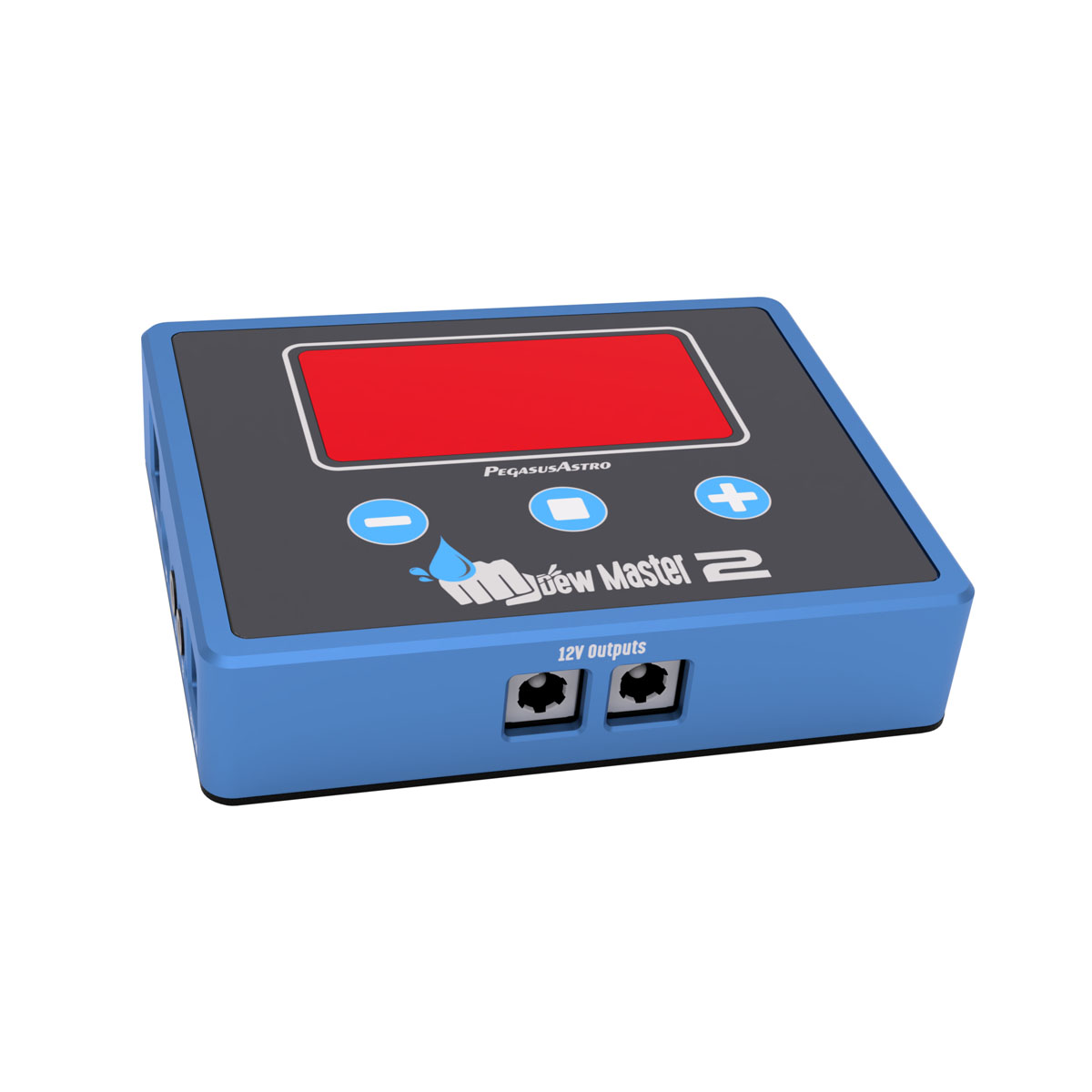
Keeps the front optics dew-free across a full imaging night

Make nebulae popOptolong OIII Filter 2″
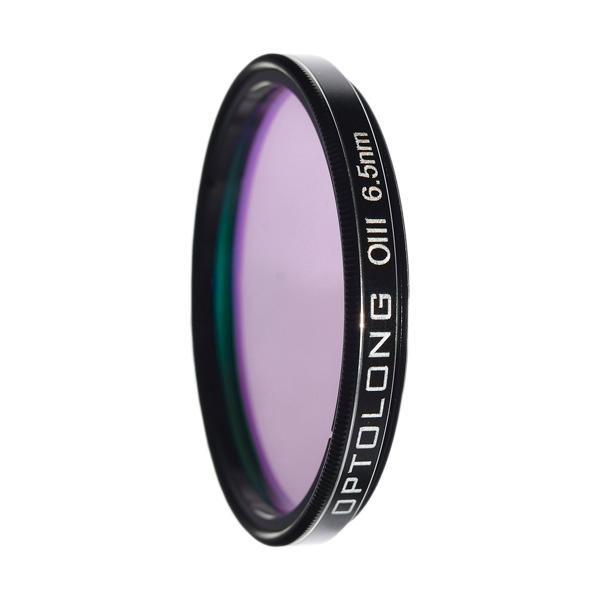
Isolates emission nebulae for high-contrast wide-field imaging under light pollution

Observe all night, no AA batteriesCelestron PowerTank Lithium
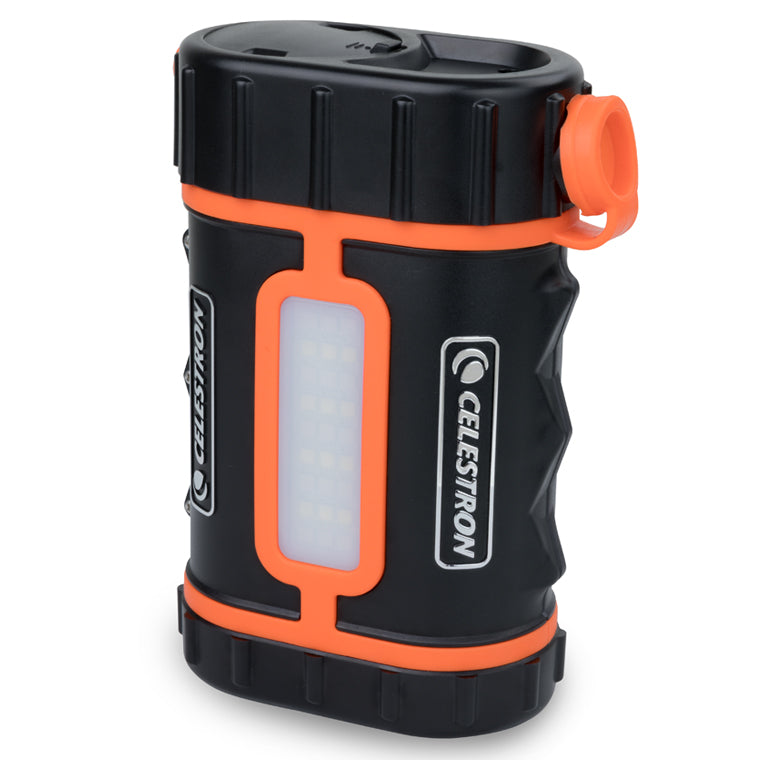
Runs the mount, camera and dew heater away from mains power

Imaging path
Portable astrophotographyZWO AM5N Harmonic Equatorial Mount✓ Compatible

Start capturing images of the Moon and planets

Permanent-setup astrophotographySky-Watcher EQ6-R Pro✓ Compatible
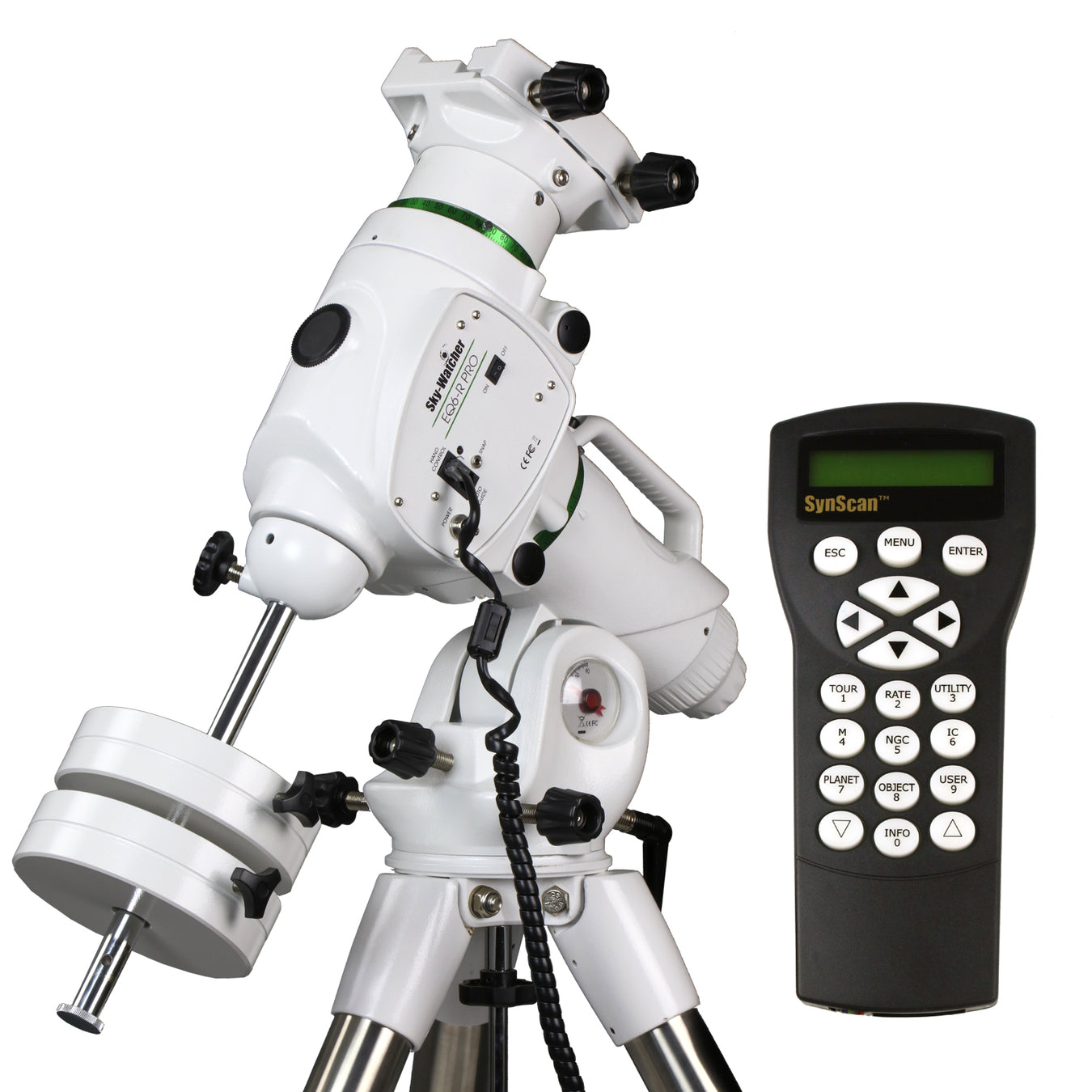
Commonly paired with this telescope

Start imagingZWO ASI2600MC Pro
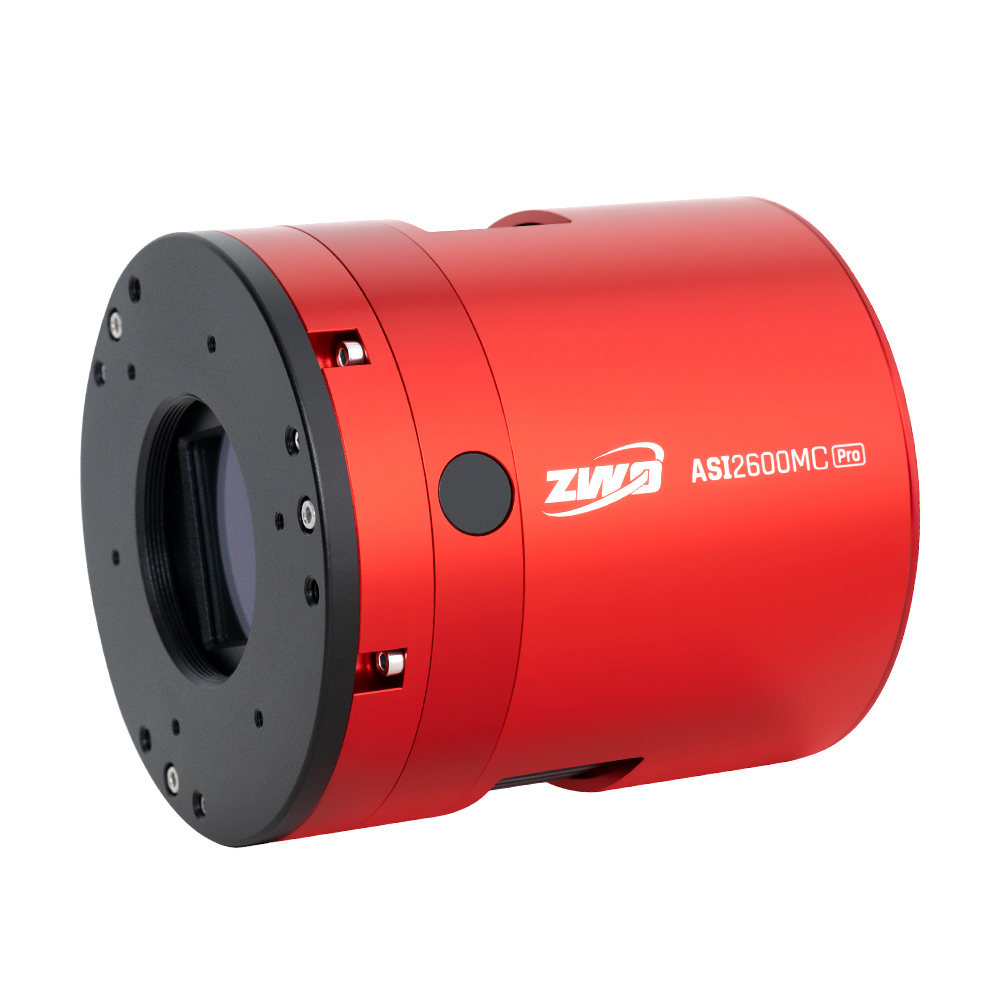
Start capturing images of the Moon and planets

Wide-field deep-sky imaging
Excellent, flat field
Lunar & planetary
Small image scale
Visual use
Possible, but an imaging tube
06The numbers

Full specifications.

6 measured and stated values
Optics
Optical DesignPetzval Astrograph
Aperture85mm
Focal Length450mm
Focal Ratiof/5.3
Mount & drive
Mount TypeNone (OTA only)
Physical
Weight3.8 kg