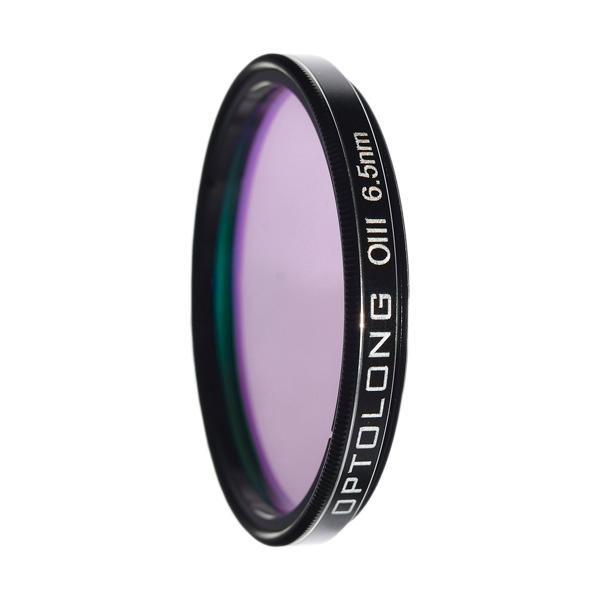
Optolong OIII Filter 2″
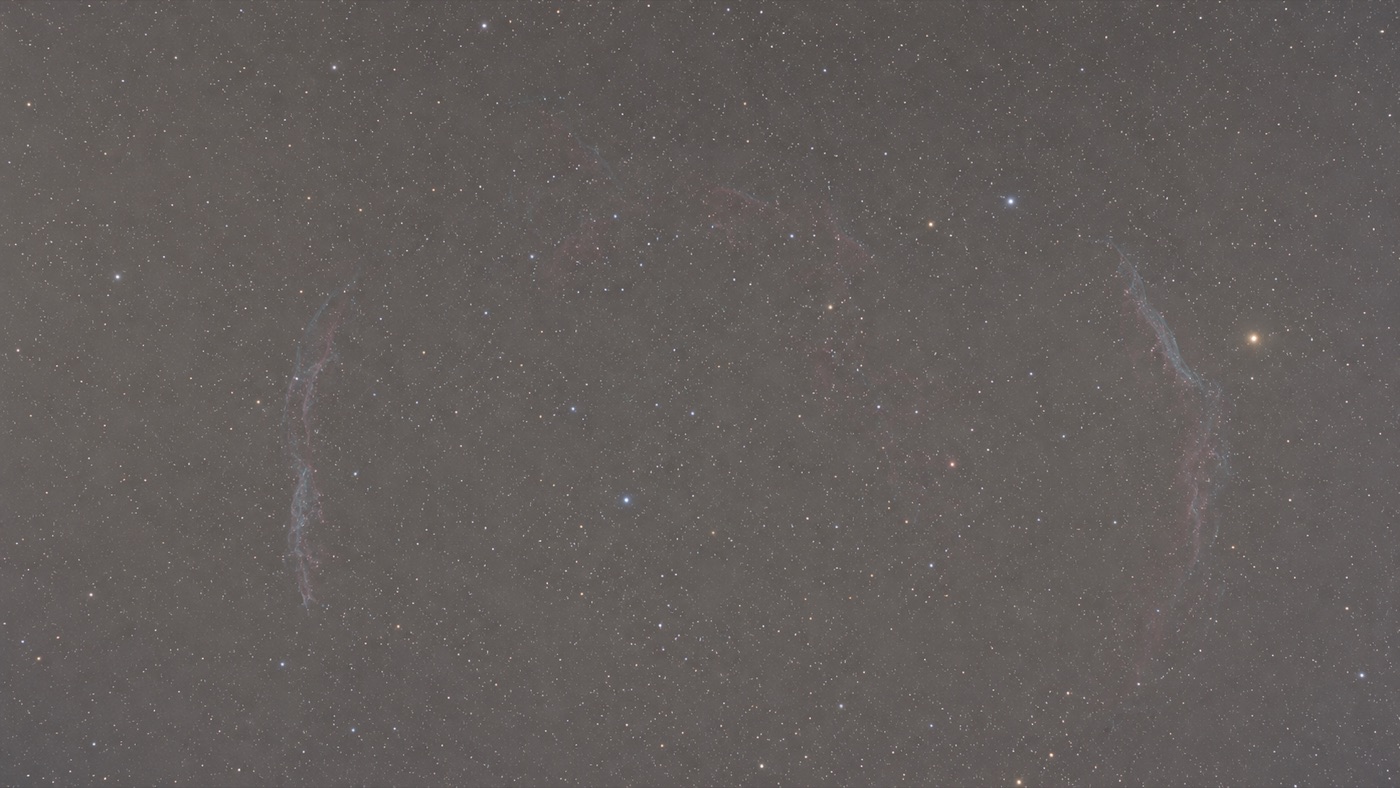
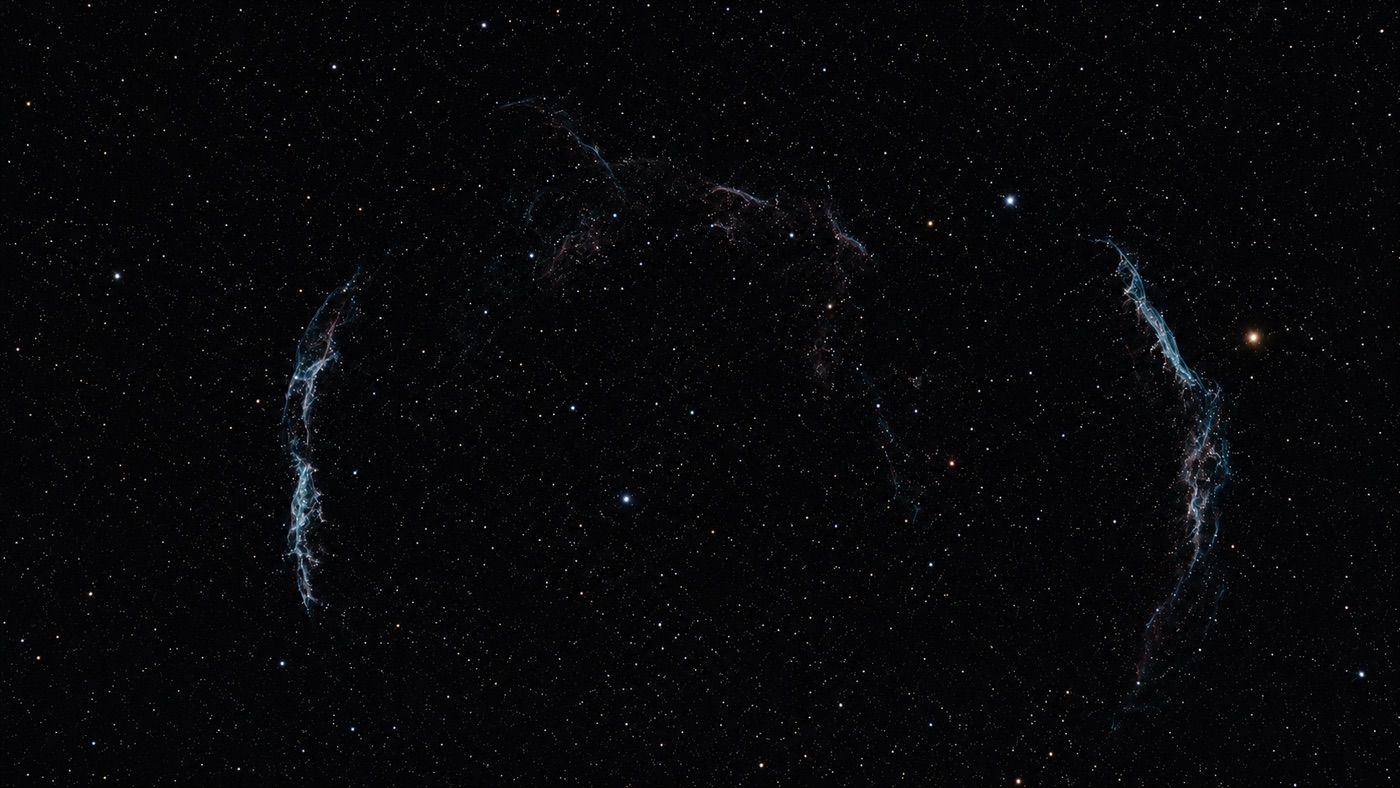
Turns the sky behind an emission nebula black — so faint targets like the Veil leap out of the background. One job, done better than anything else.
01Where it shinesThe targets it was made for.
A nebula filter only helps objects that glow at the right emission line — but on those, nothing else comes close. These are the ones it transforms most.
The targets it was made for.
A nebula filter only helps objects that glow at the right emission line — but on those, nothing else comes close. These are the ones it transforms most.
02Be honest with meWhat this filter does NOT improve.
Half of buying the right filter is knowing when to leave it in the case. On these targets it makes the view worse, not better — put it away and enjoy them unfiltered.
What this filter does NOT improve.
Half of buying the right filter is knowing when to leave it in the case. On these targets it makes the view worse, not better — put it away and enjoy them unfiltered.
03Where it fitsWhere it lives in your kit.
A filter isn't a standalone instrument — it threads into the light path just before your eye. Here's the chain.
Where it lives in your kit.
A filter isn't a standalone instrument — it threads into the light path just before your eye. Here's the chain.
04Which filterHow the filter types compare.
A handful of filters cover almost all visual observing. The narrower the band, the more contrast — and the fewer targets it works on.
How the filter types compare.
A handful of filters cover almost all visual observing. The narrower the band, the more contrast — and the fewer targets it works on.
05The numbersWhat These Numbers Mean
5 numbers in plain English · full specifications
What These Numbers Mean
5 numbers in plain English · full specifications
06Pairs withCompatible gear.
3 matches for this filter
Compatible gear.
3 matches for this filter
07Learn moreGuides for nebula observing.
2 guides that cover this ground
Guides for nebula observing.
2 guides that cover this ground