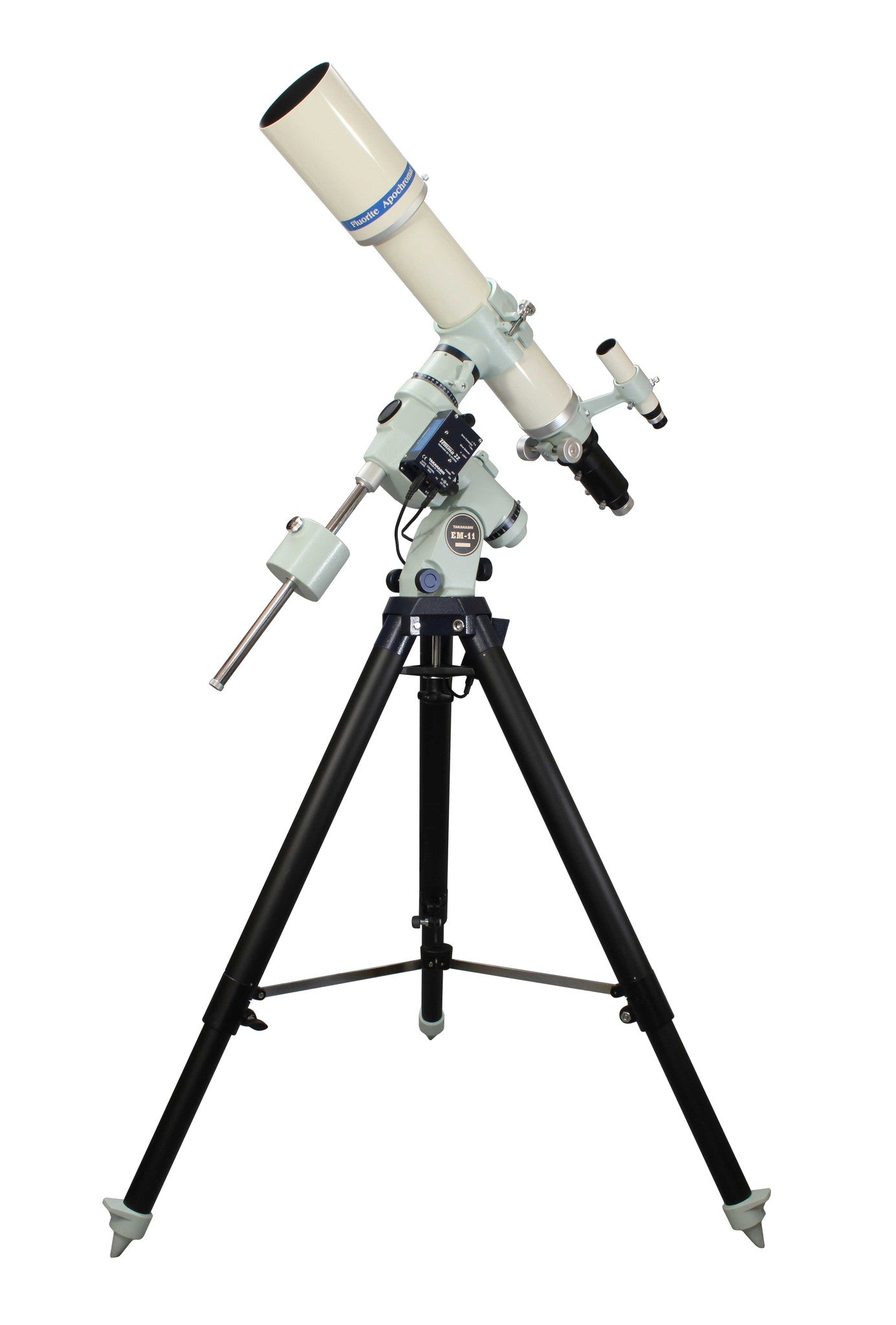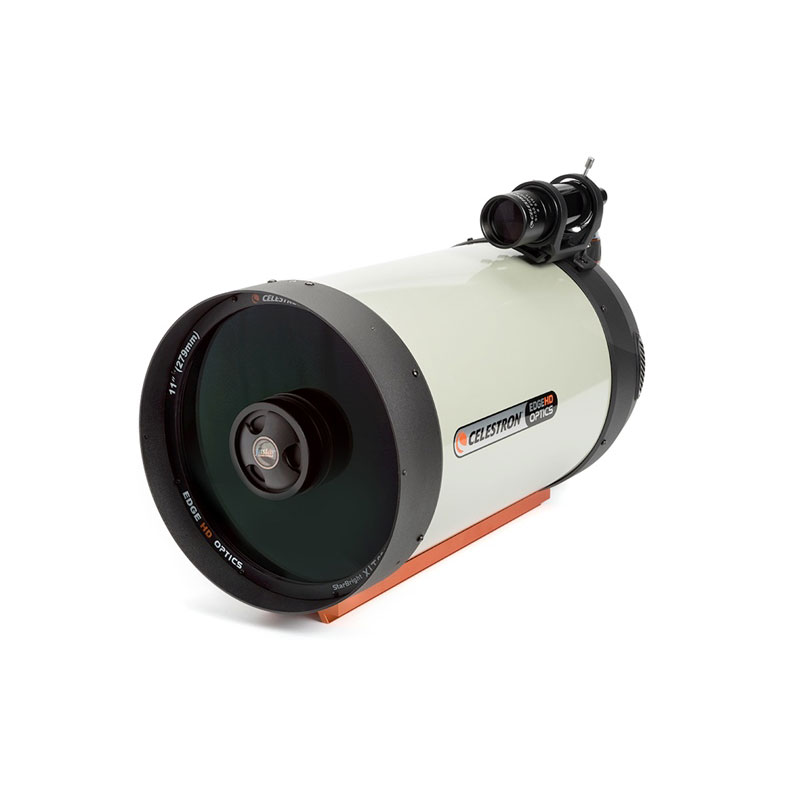
Celestron EdgeHD 11 OTA - 11" f/10 Aplanatic HD OTA - CGE Dovetail — image 1
Celestron

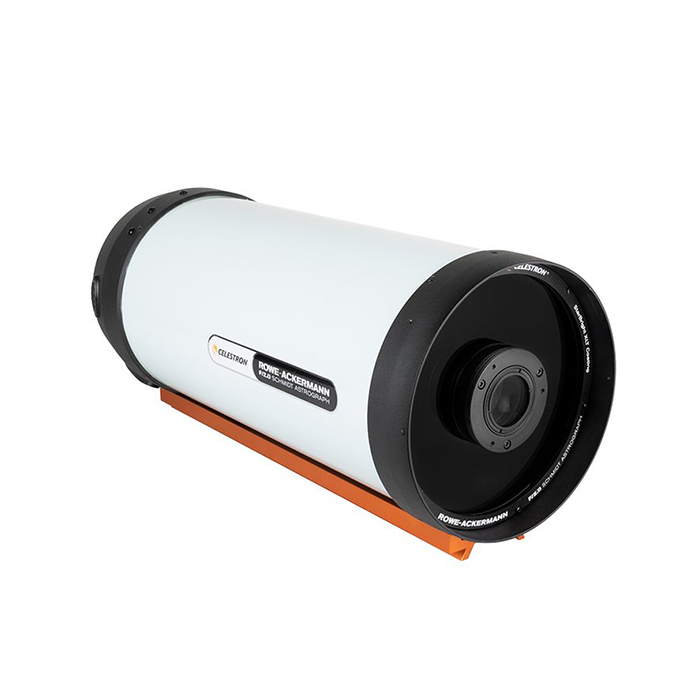
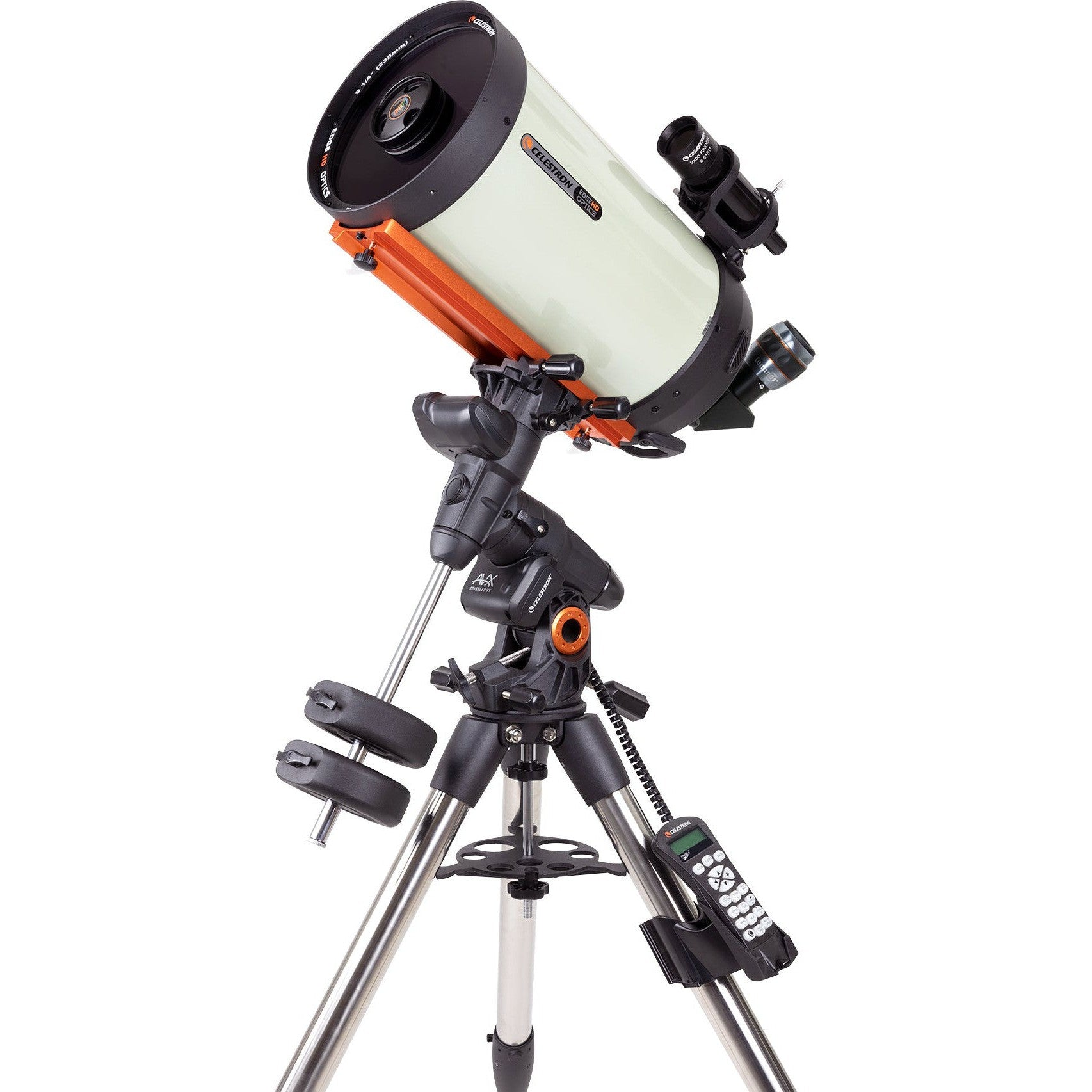
Celestron EdgeHD 11 OTA - 11" f/10 Aplanatic HD OTA - CGE Dovetail

An 11-inch aplanatic SCT with a flat, coma-free field, the long-focal-length instrument for galaxies, globulars, planetary nebulae and planets, in a tube one person can still lift.

91/ 100
Polaris Score
#1 of 5 11-inch imaging SCTs
See the breakdown ↓
Aperture
280mm
Focal Length
2800mm
Focal Ratio
f/10
Mount Type
None (OTA only)
Optical Design
Schmidt-Cassegrain (EdgeHD)
Weight
12.5 kg
From$3,999

Lowest in 90 daysLowest ever tracked

Price tracked by PolarisObserved 62 timesTracking since Mar 2026

Try in simulator →
Where to buy

Verified 13h ago · prices tracked daily

What it's built forOpen these in the simulator →

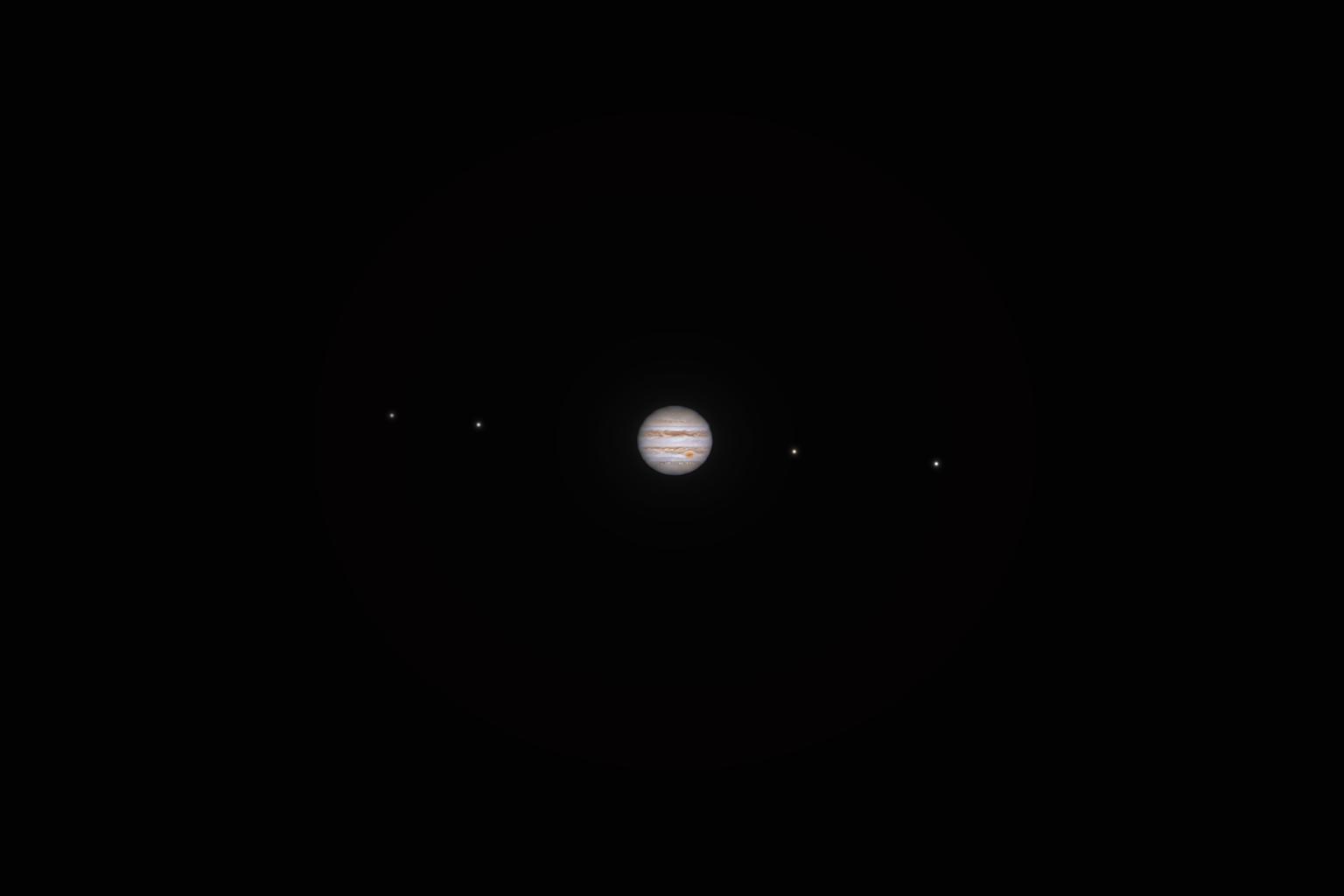
This telescope lives for the planets.

An f/10 focal length built to magnify. Where fast scopes sweep wide, this one holds a single planet rock-steady at high power — a telescope for the patient observer on a steady night.

Sweet spot 210–350×Loves steady seeing
01What it's good at

What it's best at — and the trade-offs.

280mm of aperture at 2800mm focal length resolves fine detail in galaxies, globular clusters and planets.
Best at
✓280mm of aperture at 2800mm focal length resolves fine detail in galaxies, globular clusters and planets.
✓EdgeHD optics flatten the field and remove the coma of a standard SCT, so stars stay sharp to the corners on a camera.
✓A compact folded design packs huge focal length into a tube far shorter than an equivalent refractor or Newtonian.
✓Works for both high-power visual observing and long-focal-length imaging, a rare dual-purpose instrument.
Trade-offs
!OTA only, and its 12.5kg demands a heavy, expensive equatorial mount.
!Long f/10 focal length is slow and narrow, a reducer is almost mandatory for deep-sky imaging.
!High focal length magnifies seeing and tracking errors; it rewards good skies and guiding.
!Cooldown takes time; the closed tube needs to reach ambient for sharp views.
02In plain English

What These Numbers Mean

280mm · f/10 · 2800mm FL
Aperture
280 mm (11 inch)
Eleven inches of aperture, about 1,600 times the light grasp of your eye. It has enough resolving power to separate close double stars, show detail inside planetary nebulae, and record small galaxies with real structure when a camera is attached.
Focal length
2800 mm
Very long. It frames small, bright targets such as planetary nebulae, compact galaxies and globular clusters, and it magnifies easily. Wide-field work needs the 0.7x reducer, which brings it to 1960 mm.
Focal ratio
f/10
Slow, so imaging exposures are long and guiding must be precise at this focal length. The upside is that eyepieces perform well and high magnification arrives without a Barlow.
Optical design
EdgeHD aplanatic Schmidt-Cassegrain
Corrector optics inside the baffle tube remove the coma and field curvature a standard SCT shows, so stars stay round across a full-frame sensor. That is what makes an EdgeHD an imaging instrument rather than only a visual one.
Weight
12.5 kg tube
About 28 lb of tube alone. Compact for its aperture, but with a camera train attached it demands a mount in the 20 kg class or above, which is where most of the total cost lands.
Cooldown
90 minutes or more
A large sealed tube with a thick corrector takes a long time to reach ambient temperature, and until it does, fine detail stays soft. Cooling fans and an early start are standard practice with this size.
03The Polaris Score

How it scores, and why.

91/100 · #1 of 5 11-inch imaging SCTs
91/ 100
Celestron EdgeHD 11 OTA - 11" f/10 Aplanatic HD OTA - CGE Dovetail
#1 of 5 11-inch imaging SCTs
Performance
95
Ease of use
65
Portability
45
Upgrade potential
92

Polaris weighs optical capability, how easy the scope is to live with, how portable it is, and how far it takes you before you outgrow it — not list price or brand.

04Who it's for

An honest fit check.

Imagers and observers chasing galaxies, globulars, planetary nebulae and planets at long…
Buy it if you
✓Imagers and observers chasing galaxies, globulars, planetary nebulae and planets at long focal length.
✓People who want maximum aperture in a tube that still fits in a car and onto a mount.
✓Buyers ready to invest in a heavy-duty mount to carry it.
Look elsewhere if you
!Wide-field imagers, 2800mm is a narrow, high-power field, the opposite of an astrograph.
!Beginners on a budget; this is a premium OTA that demands a premium mount.
!Anyone needing portability, the tube and its mount are a serious lift and setup.
05Build your rig

What to buy next — and where it leads.

6 pieces of gear, ordered by what changes the view most
Recommended upgrades
A sharper everyday view★ Top pickTele Vue Nagler 22mm Type 4
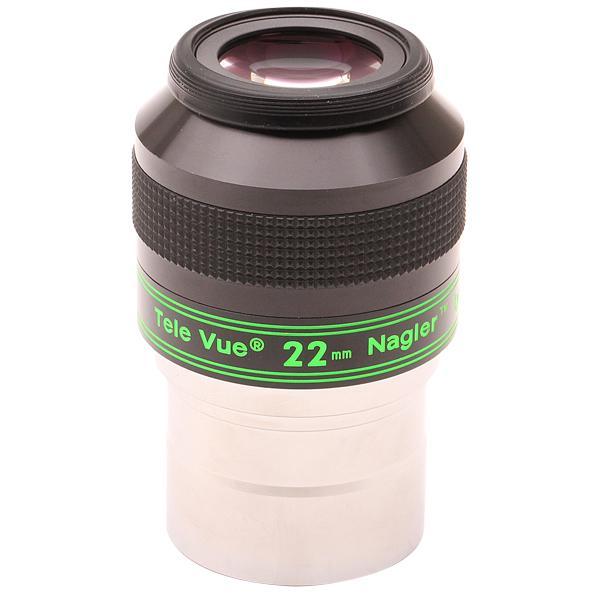
A premium 2-inch wide-field eyepiece for the widest true field

Sharper planets & lunar detailTele Vue Delos 6mm
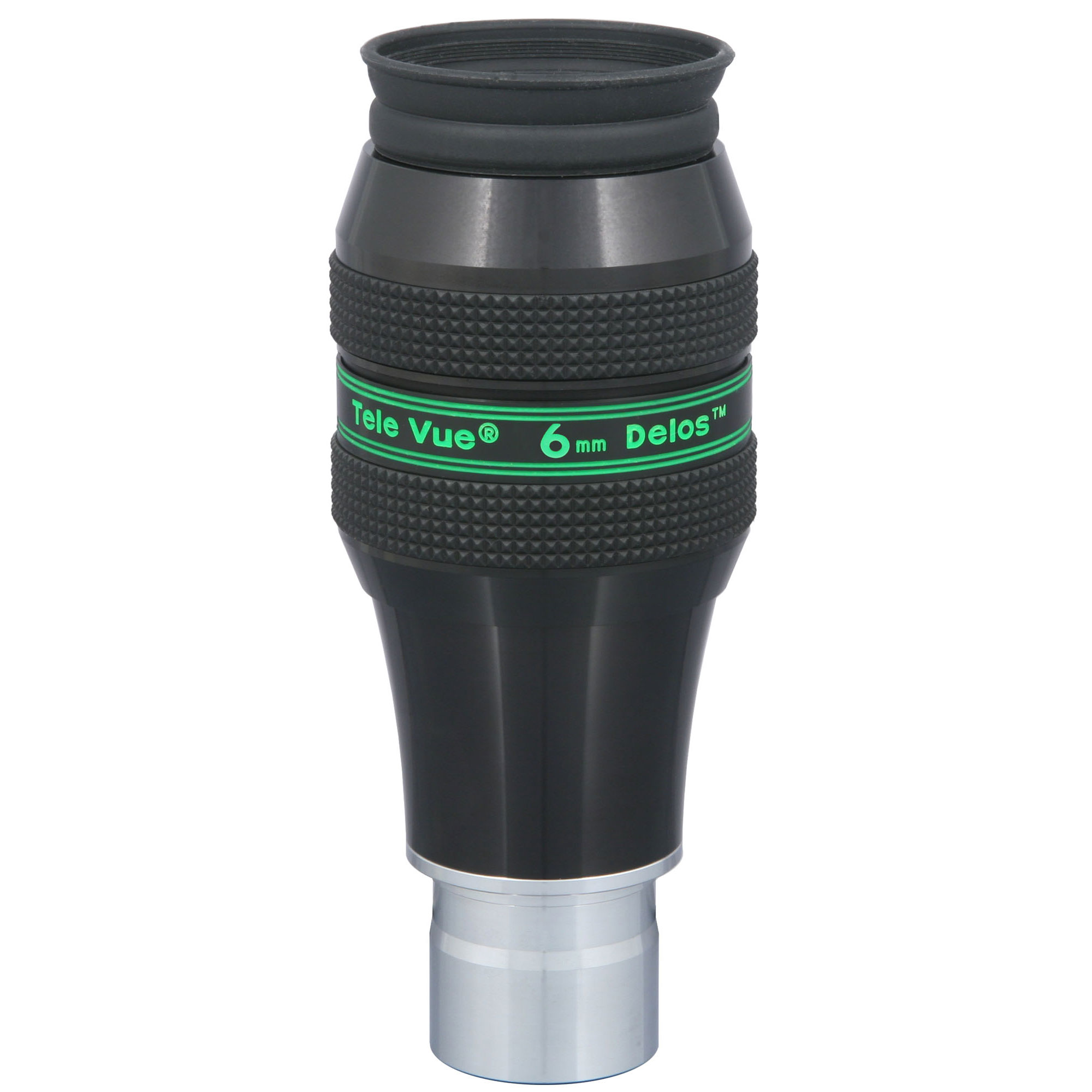
A premium high-power eyepiece for planetary detail

No fogging on long sessionsPegasus Astro Multi-Channel Dew Controller
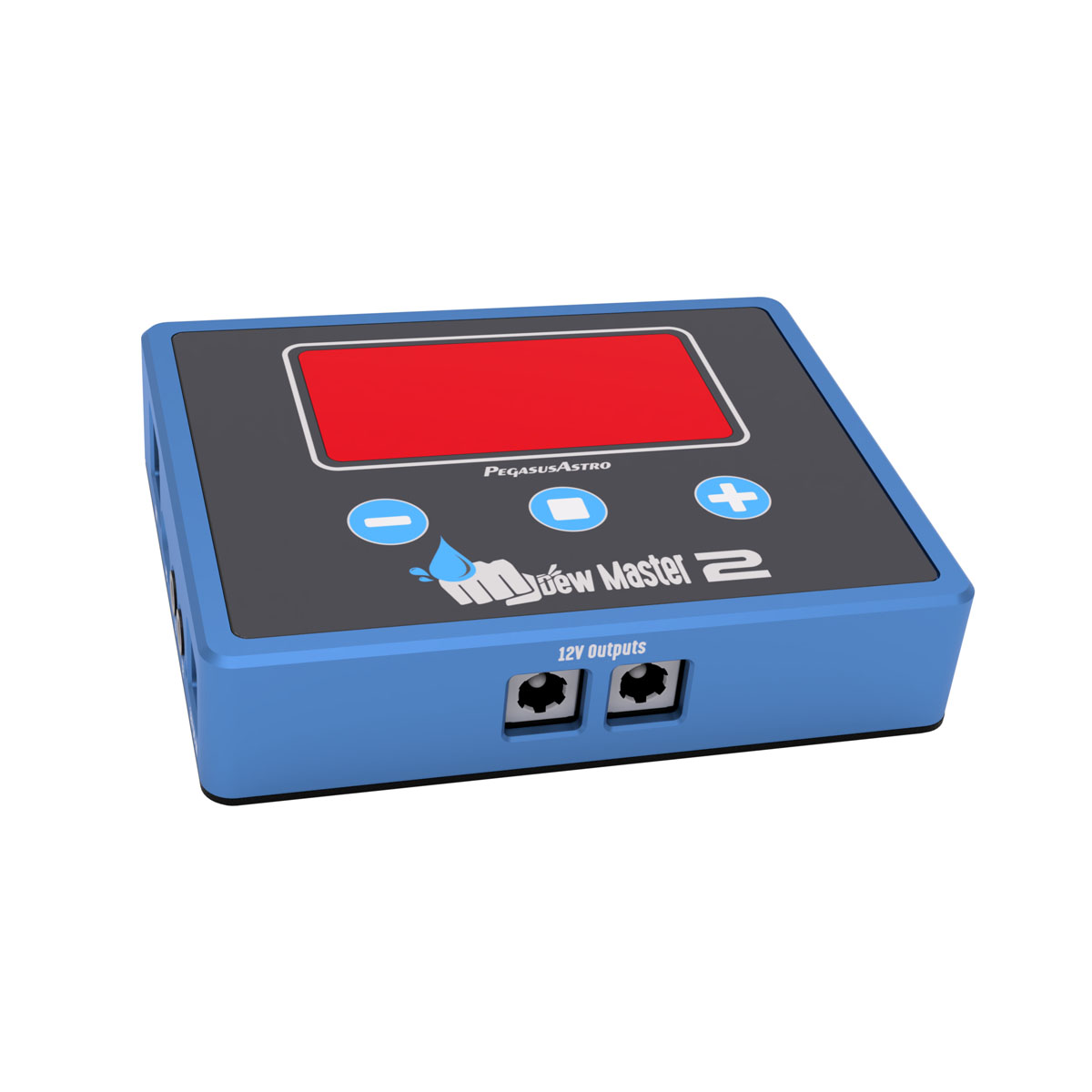
Keeps the corrector plate clear on humid nights

Imaging path
Portable astrophotographyZWO AM5N Harmonic Equatorial Mount✓ Compatible

Start capturing images of the Moon and planets

Permanent-setup astrophotographySky-Watcher EQ6-R Pro✓ Compatible
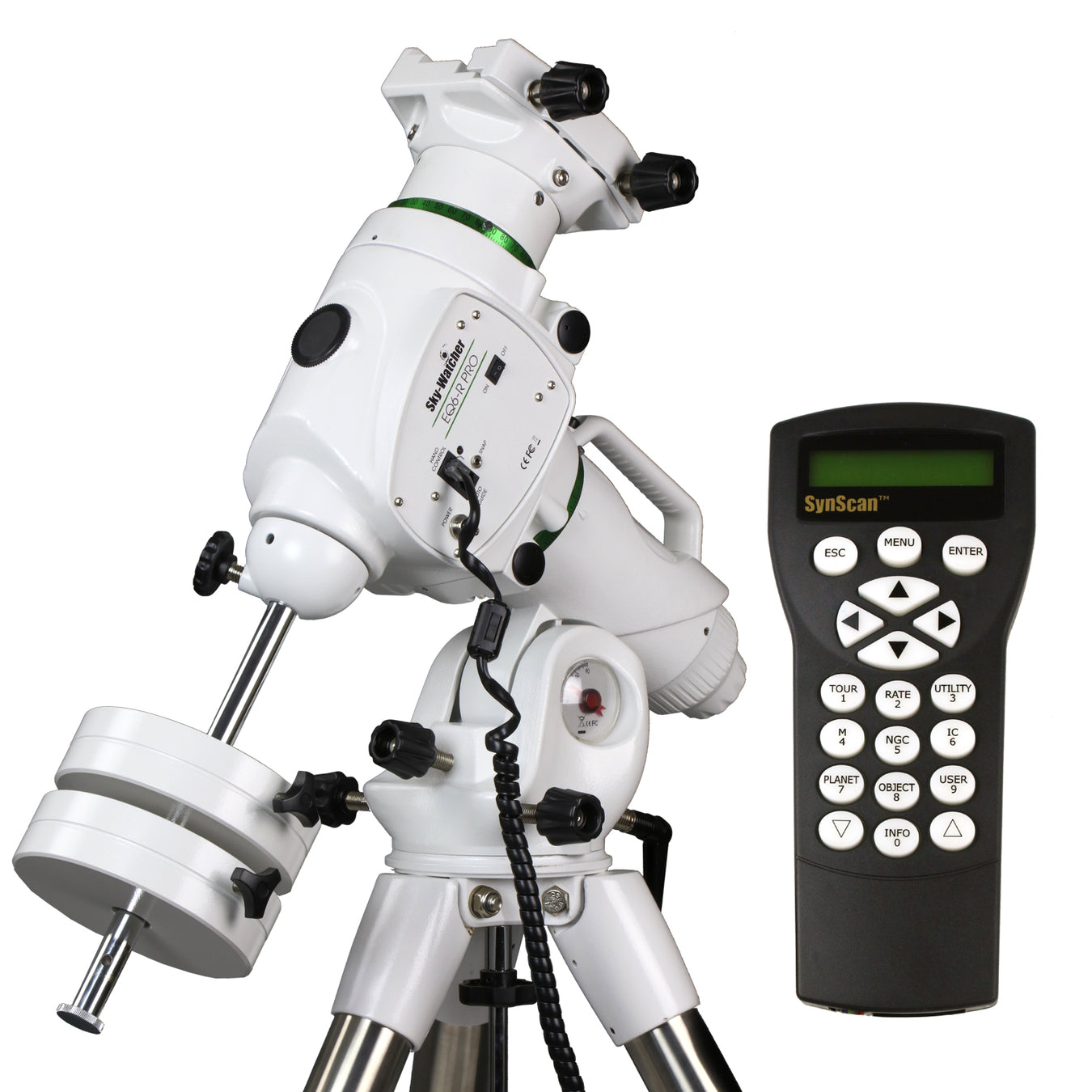
Commonly paired with this telescope

Start imagingZWO ASI2600MC Pro
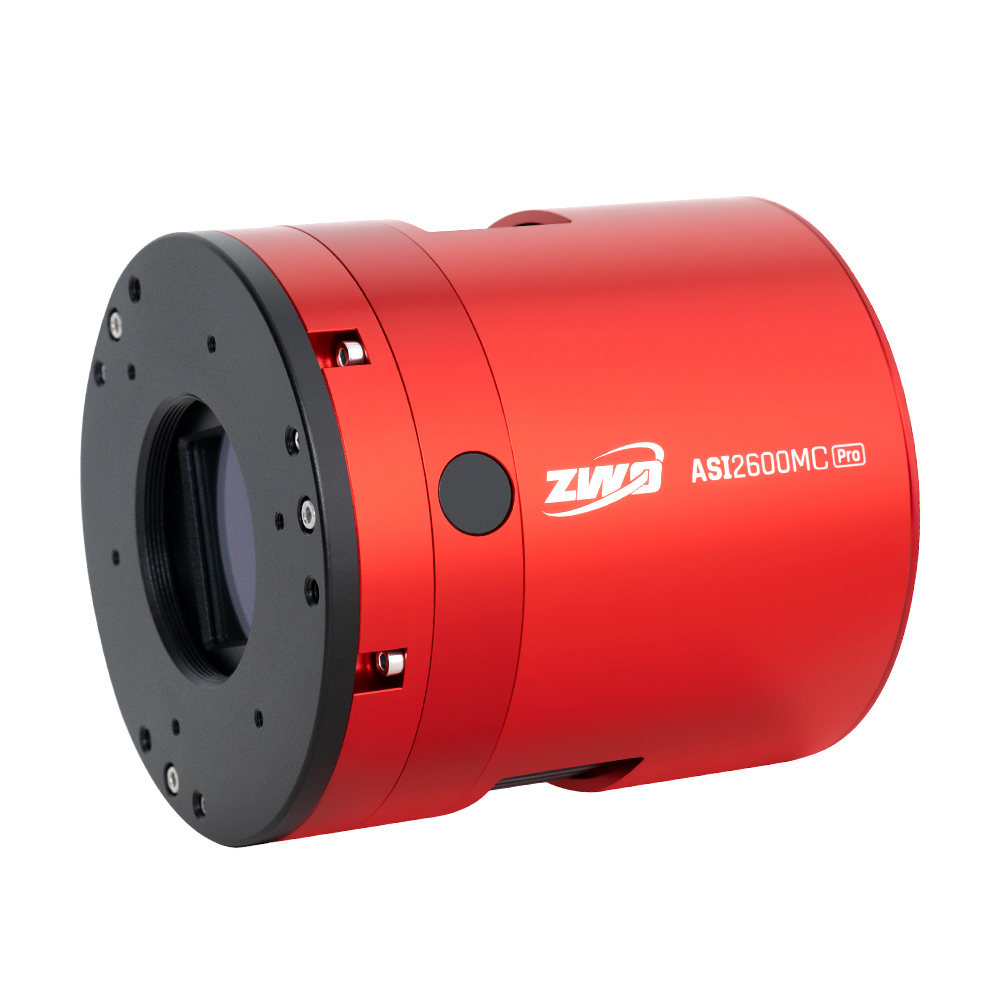
Start capturing images of the Moon and planets
Lunar & planetary
Excellent
Deep-sky imaging
Ready once mounted
Visual observing
Strong all-rounder
06The numbers

Full specifications.

6 measured and stated values
Optics
Optical DesignSchmidt-Cassegrain (EdgeHD)
Aperture280mm
Focal Length2800mm
Focal Ratiof/10
Mount & drive
Mount TypeNone (OTA only)
Physical
Weight12.5 kg