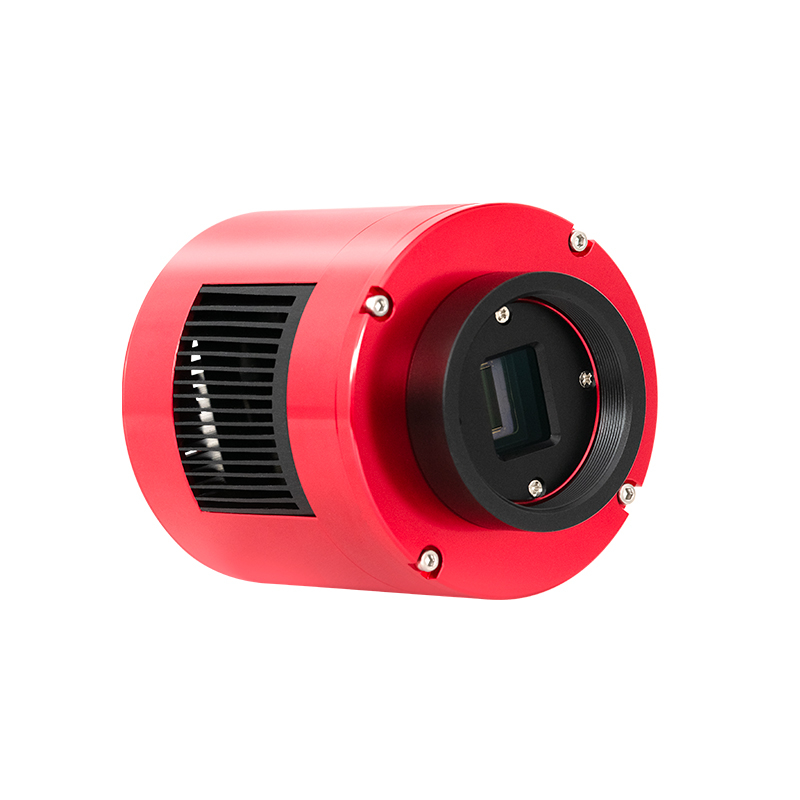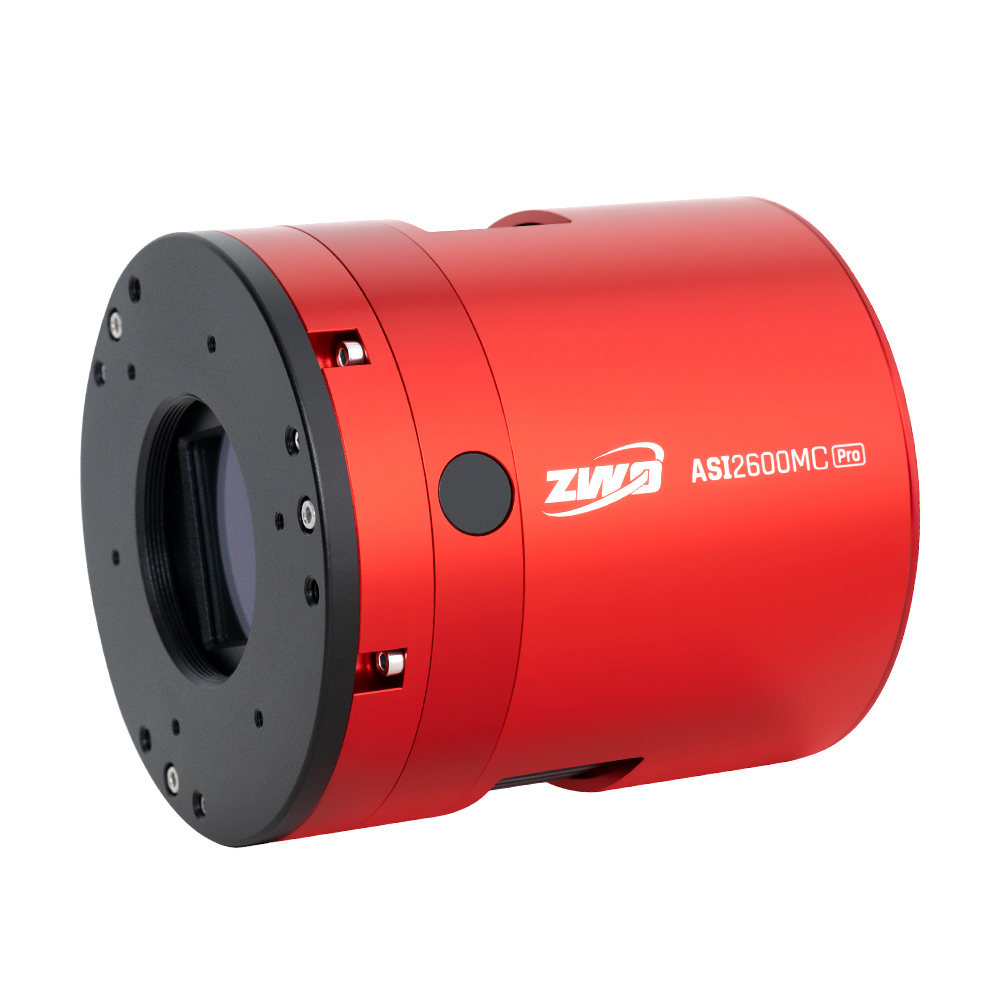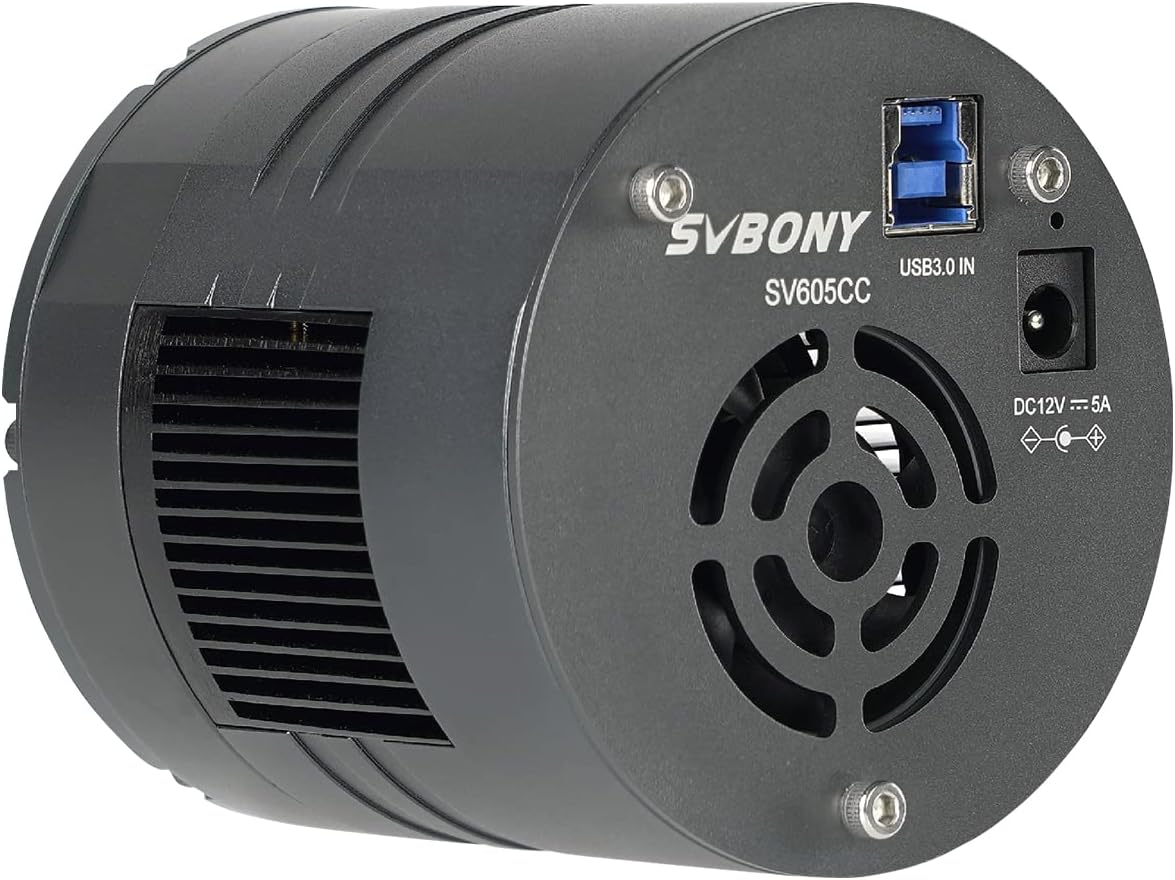
SVBony SV605CC — image 1
SVBony

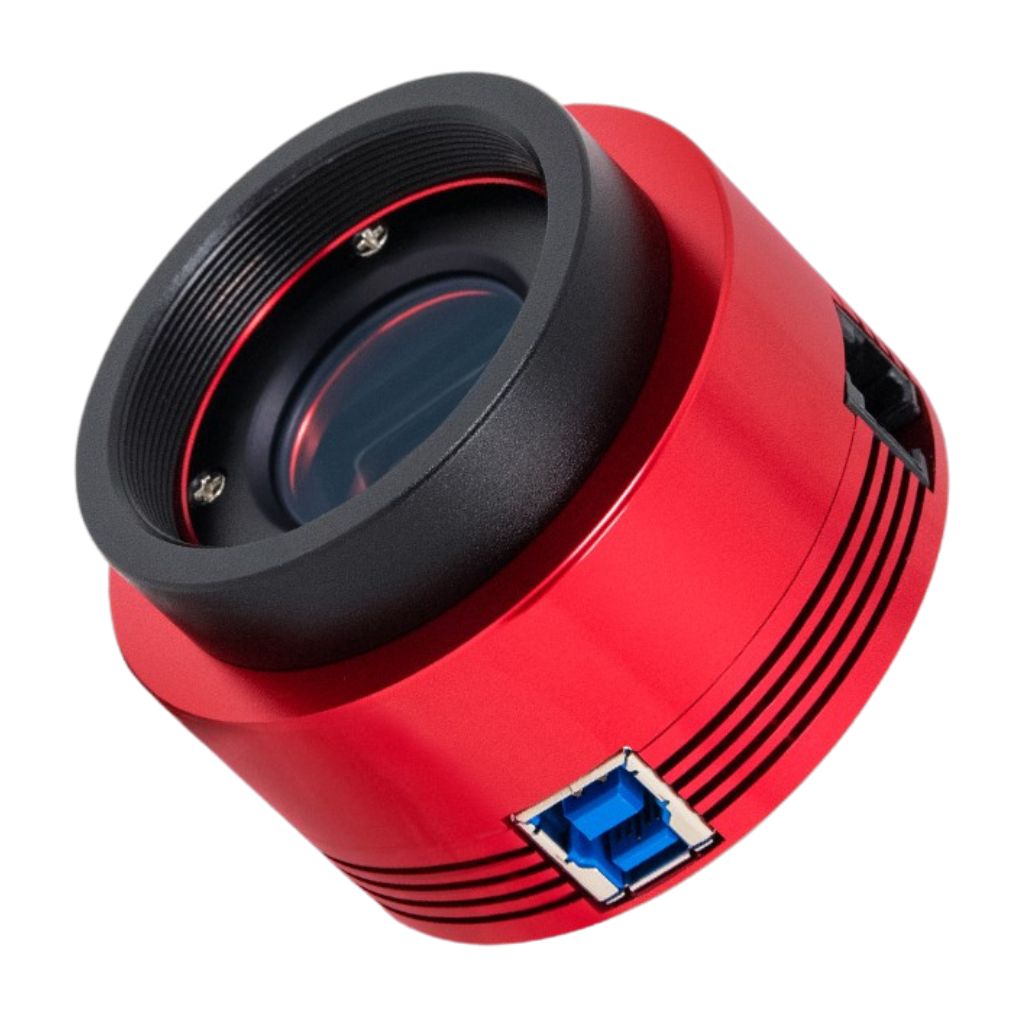
SVBony SV605CC

The same glow-free square IMX533 sensor the popular cooled colour cameras use, with two-stage cooling, for roughly half their price. You give up ecosystem polish, not sensor quality.

83/ 100
Polaris Score
#6 of 9 cooled colour deep-sky cameras
See the breakdown ↓
Type
One-shot colour
Cooling
−30°C below ambient · two-stage TEC
Pixel Size
3.76µm
Resolution
9.1 MP · 3008×3008
Sensor
Sony IMX533 · 1-inch square
Sensor Height
11.31mm
From$509.99

$39 above 90-day low

Price tracked by PolarisObserved 22 timesTracking since Aug 2026

Try in simulator →
Where to buy

Verified 8h ago · prices tracked daily

The frame it captures

Same camera. Different telescope. A completely different photograph.

A camera has no field of view of its own — the telescope in front of it decides everything. Pick a target and watch the same 9.1-megapixel frame become three different images.

RedCat 51
250 mm · f/4.9
FOV 2.6° × 2.6°
Fills the frame edge to edge — the classic full-galaxy portrait.
Esprit 100ED
550 mm · f/5.5
FOV 1.2° × 1.2°
Overflows frame
Only the bright core fits; the spiral arms spill off the sensor.
EdgeHD 8
2032 mm · f/10
FOV 0.32° × 0.32°
Overflows frame
Only the bright core fits; the spiral arms spill off the sensor.
Explore any telescope in the Simulator →
01What it's good at

What it's best at — and the trade-offs.

The IMX533 is genuinely free of amplifier glow, which removes the single most common calibration headache for a beginner: corner gradients that dark…
Best at
✓The IMX533 is genuinely free of amplifier glow, which removes the single most common calibration headache for a beginner: corner gradients that dark frames only partly fix.
✓Two-stage thermoelectric cooling to 30°C below ambient is the feature that separates a real deep-sky camera from a repurposed planetary one, and it is present here at a price where it usually is not.
✓A square 3008 by 3008 frame means you can rotate the camera to any angle without losing framing, which is a small thing that removes a recurring annoyance on a rectangular sensor.
✓3.76 micron pixels suit short focal lengths well, which is exactly the 240 to 600 mm range most people image at when they buy their first cooled camera.
Trade-offs
!The driver and software ecosystem is thinner than ZWO's. Most problems are solvable, but you will be solving them with fewer people who have hit the same thing.
!A 14-bit converter and 13 stops of dynamic range sit a step below the 16-bit APS-C cameras. On most targets this is invisible; on a very bright core next to faint outer structure it is not.
!The 1-inch sensor frames a narrow slice of sky. At 243 mm it covers about 2.7 degrees, which fits the Ring Nebula beautifully and cannot hold the North America Nebula.
!It needs a separate 12 V 3 to 5 A supply that is not in the box, and cooling draws real current, so a field battery has to be sized for it.
02In plain English

The numbers, in plain English.

Sony IMX533 · 9.1MP · 3.76µm · −30°C below ambient · two-stage TEC
Sensor1-inch
Sony IMX533 · 11.31 mm square
A square sensor is unusual and quietly useful: rotate the camera to any angle and the framing does not change, so you compose by pointing rather than by rotating. The trade is area. Eleven millimetres a side is a quarter of an APS-C frame, which suits galaxies and planetary nebulae and cannot hold the large emission nebulae.
Amp glowThe IMX533 headline
None
Older CMOS sensors leak a faint infrared glow from their own readout electronics into one corner of every frame. Removing it takes careful dark-frame calibration that beginners routinely get wrong. This sensor simply does not produce it, which removes an entire class of processing problem from your first year.
CoolingTwo-stage TEC
30°C below ambient
This is a difference, not a temperature. On a 20°C night it reaches about −10°C, and on a 0°C night about −30°C. What matters is that it is regulated, so you can shoot at the same set point every session and reuse one library of dark frames all year instead of rebuilding it each night.
Bit depthA step below premium
14-bit ADC, 13 stops
Fourteen bits gives 16,384 tonal steps per channel where a 16-bit camera gives 65,536. Stacking dozens of frames recovers most of that difference. Where it still shows is a target with an extremely bright core beside faint outer structure, such as M42 or the Andromeda core, where the premium cameras hold the transition more smoothly.
Quantum efficiencyTreat claims with care
About 80 percent
QE is the fraction of arriving photons the sensor actually records. SVBony quote 91 percent for this sensor and ZWO quote about 80 percent for the identical chip, which tells you the number is measured generously rather than that one camera is better. Around 80 percent is excellent either way, and the gap between brands here is marketing, not physics.
03Typical targets

What it shines on.

The Ring Nebula (M57), The Dumbbell Nebula (M27), The Whirlpool Galaxy (M51), The Orion…
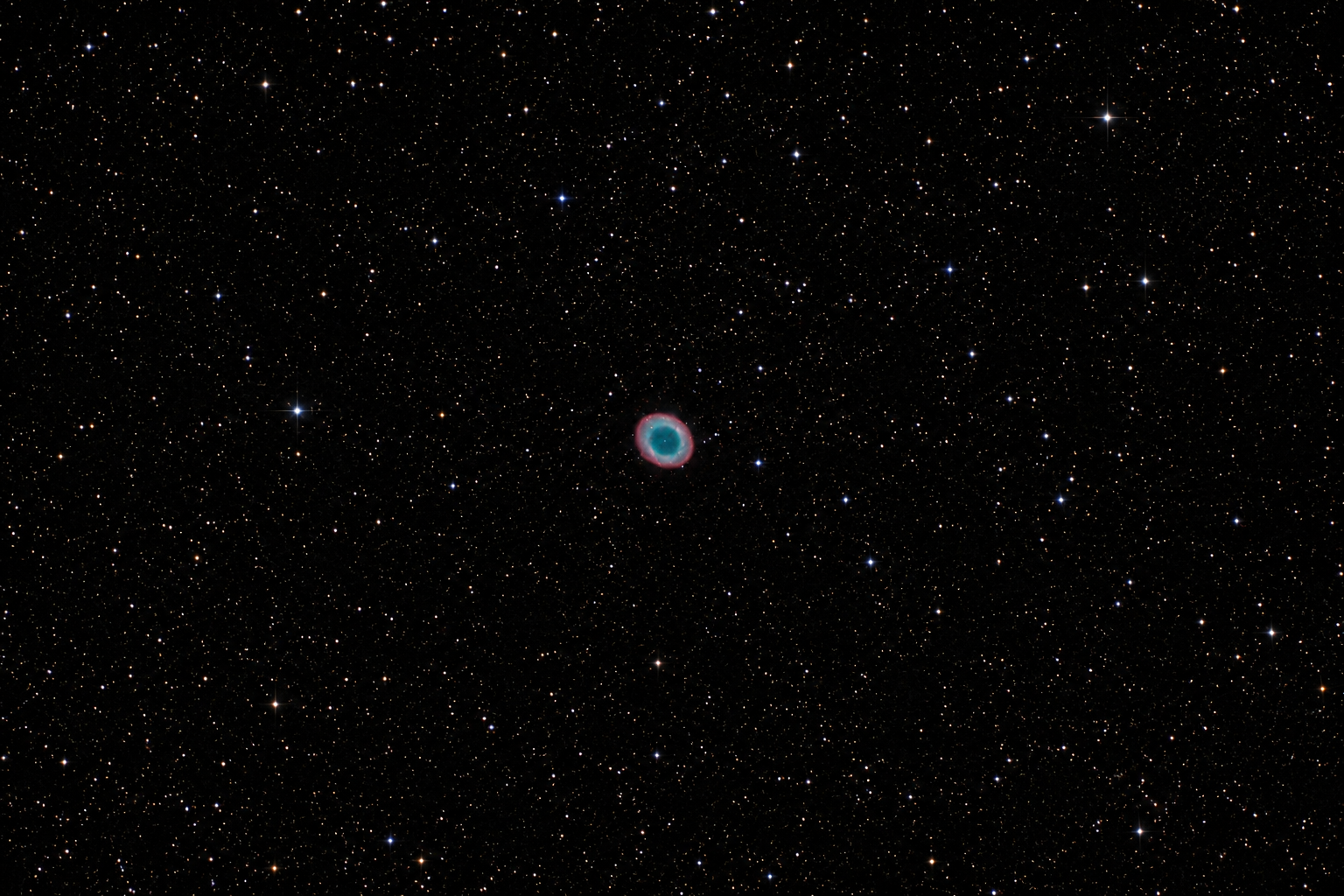
The Ring Nebula (M57)Comes alive
The Ring Nebula (M57)
A small bright planetary that suits the tight field and fine pixels.
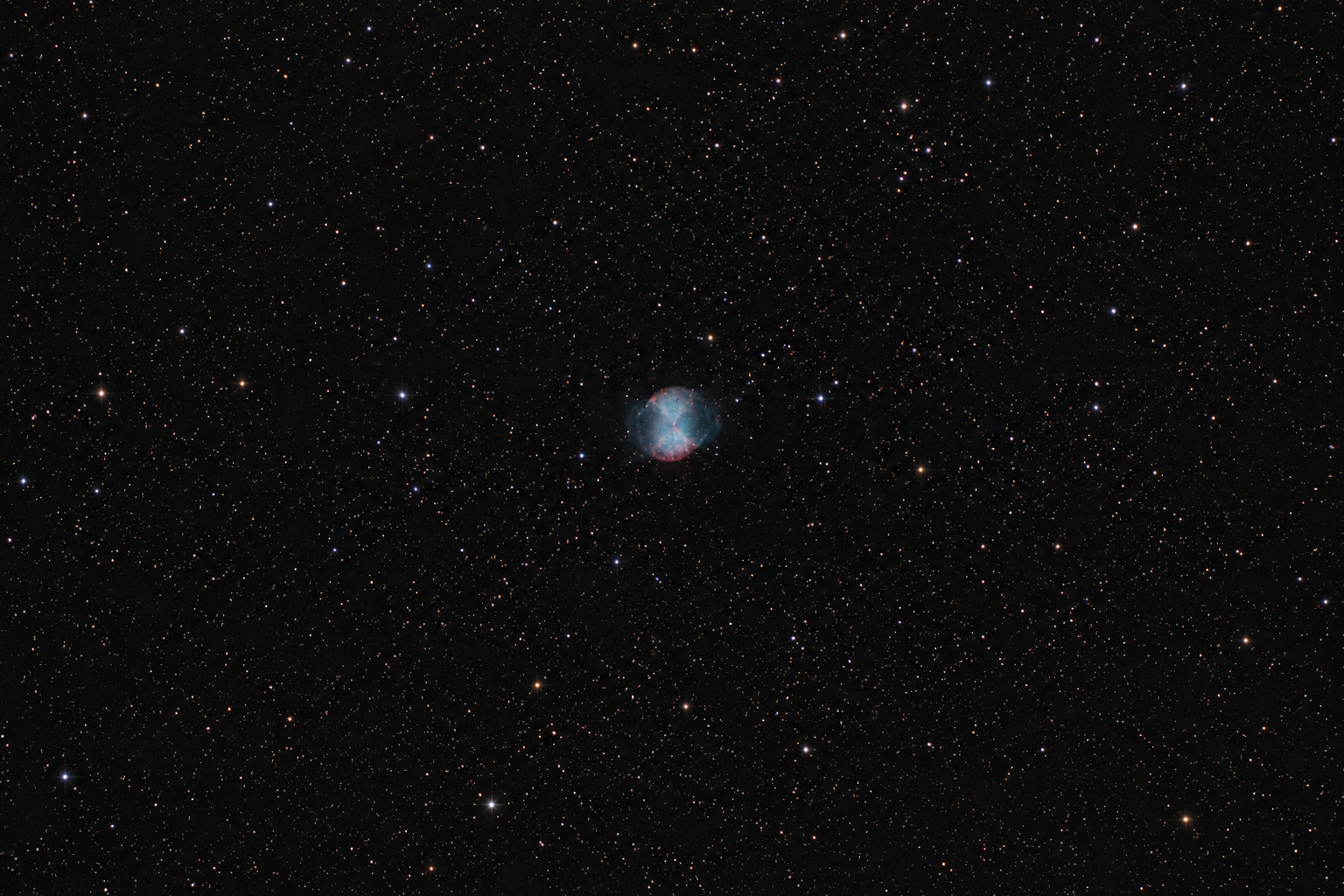
The Dumbbell Nebula (M27)Comes alive
The Dumbbell Nebula (M27)
Frames comfortably at short focal lengths with room around it.
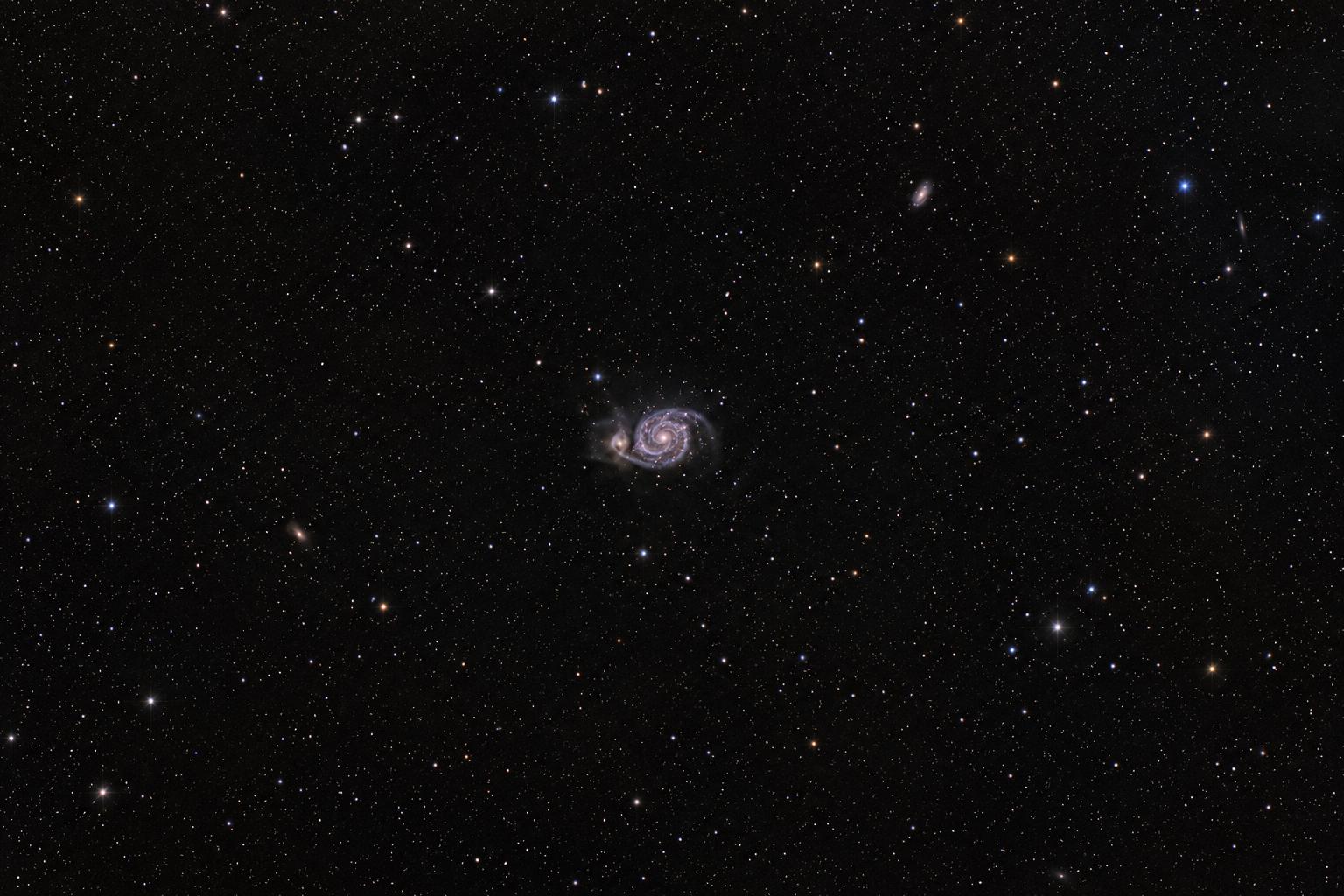
The Whirlpool Galaxy (M51)Excellent
The Whirlpool Galaxy (M51)
Enough resolution to separate the spiral arms and the companion.
The Orion Nebula (M42)Excellent
The Orion Nebula (M42)
Bright enough that even short subs build a clean image, though the wings run past the frame.
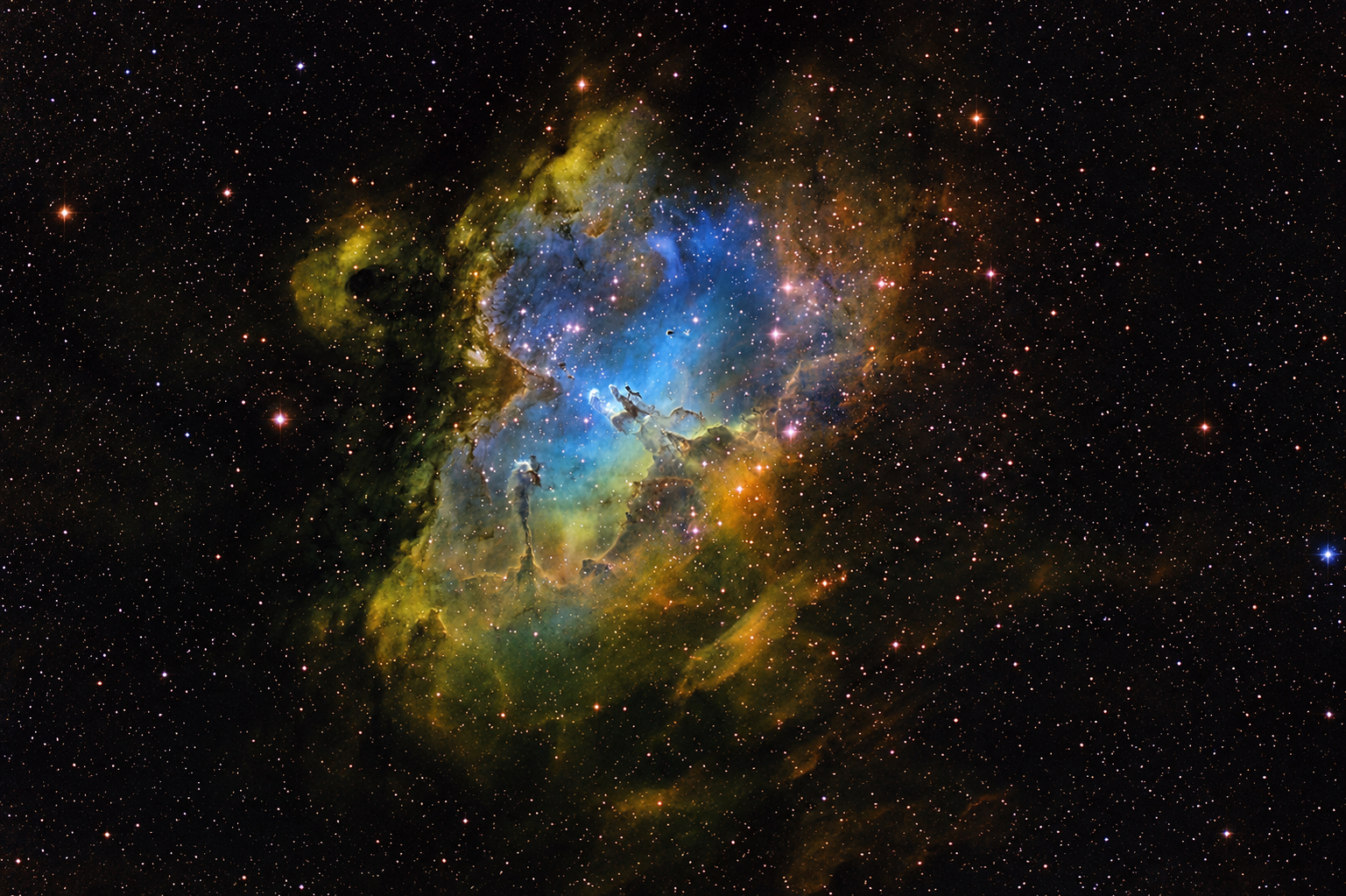
The Eagle Nebula (M16)Excellent
The Eagle Nebula (M16)
The Pillars sit near the centre of a square frame at 400 to 600 mm.
04Build your imaging rig

Everything you'd actually buy.

Capture · Track · Filter
Capture
The scope that forms the image
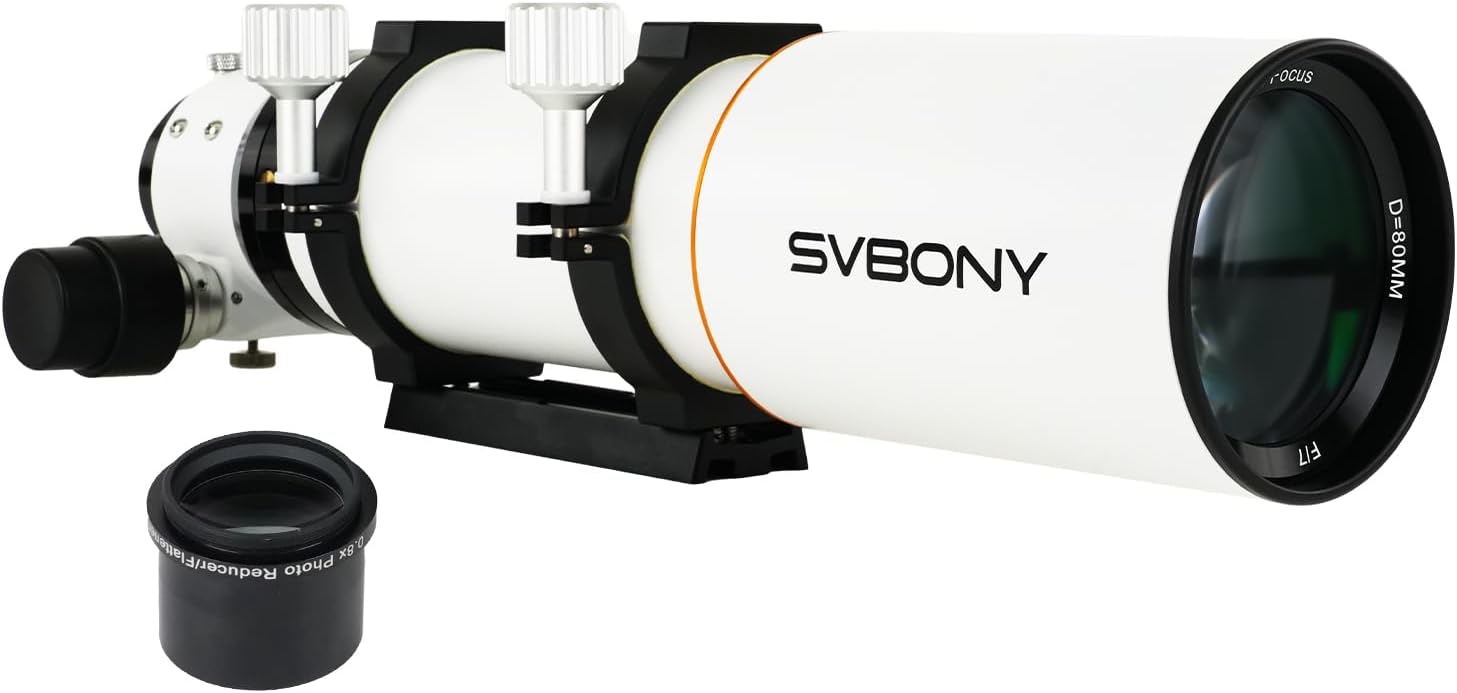
SVBony SV503 80ED
SVBony SV503 80ED
560 mm f/7 with the 0.8x reducer at 448 mm. A 1-inch sensor sits well inside its corrected field.
Any 240 to 600 mm apo
The 3.76 micron pixels give a sensible image scale across this whole range.
Track
What holds it steady
A tracking equatorial mount
Cooling only pays off once exposures run for minutes, and minutes require accurate tracking.
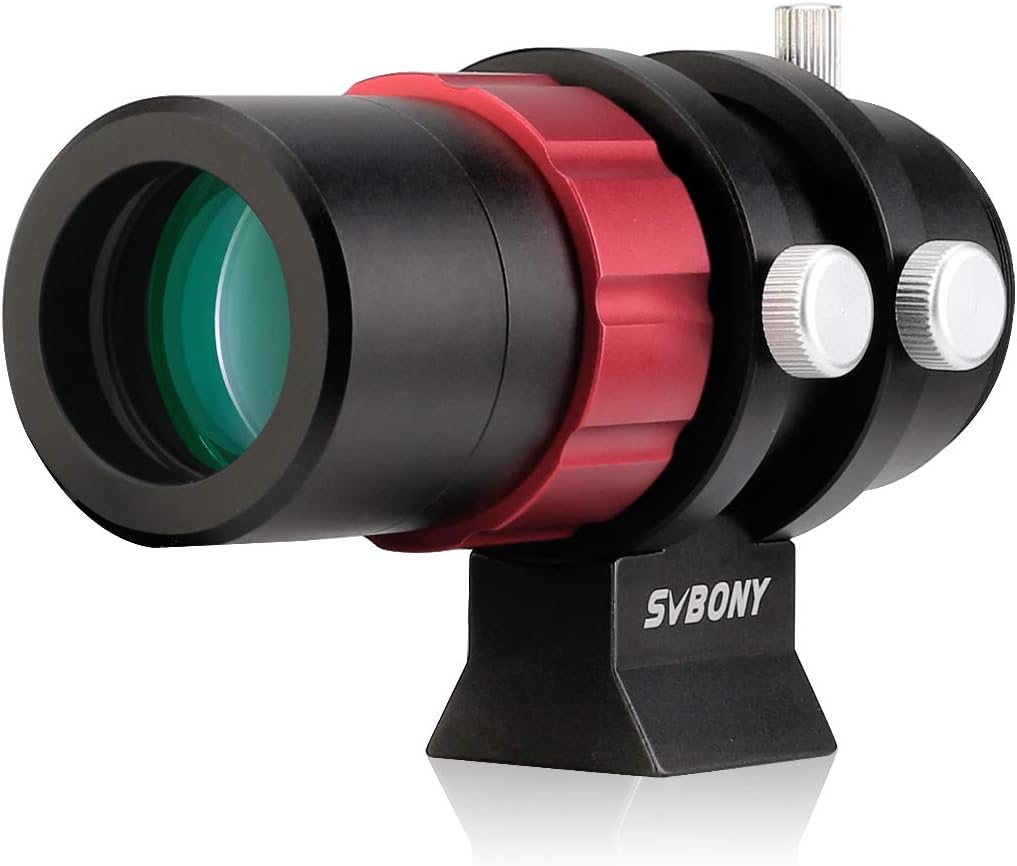
SVBony SV165 30mm Guide Scope
Guiding is what turns a one minute sub into a five minute one.
Filter
What makes a city sky usable
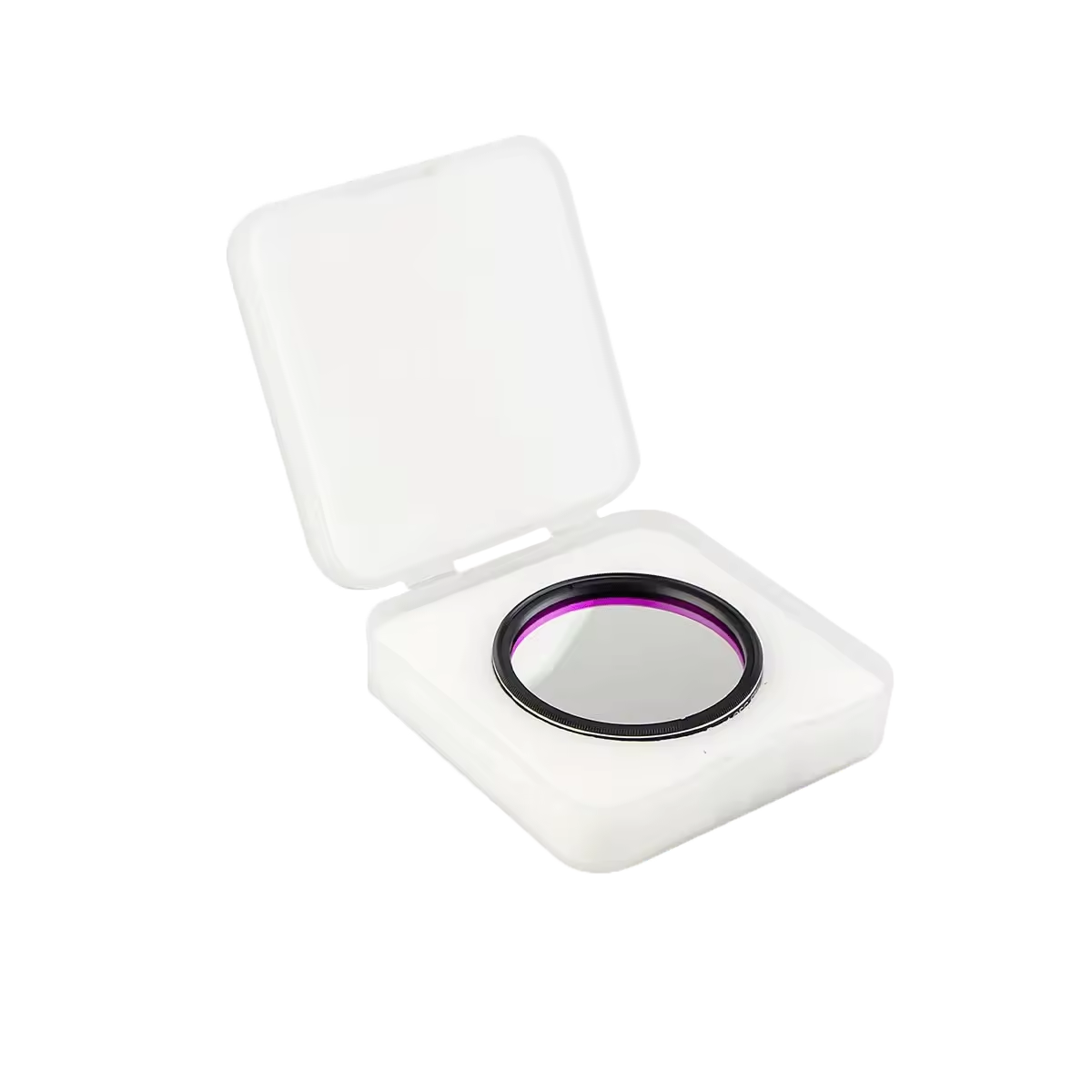
SVBony SV220 Dual-Band 7nm 2-inch
A one-shot-colour sensor plus a dual-band filter is the standard answer to light pollution.
A UV/IR cut filter
Needed on any refractor that is not already filtering infrared, or stars bloat.
05The Polaris Score

How it scores, and why.

83/100 · #6 of 9 cooled colour deep-sky cameras
83/ 100
SVBony SV605CC
#6 of 9 cooled colour deep-sky cameras

It carries a reference-grade sensor, genuine two-stage cooling and no amp glow, which is the hard part. It loses ground on software maturity and on a support ecosystem that is thinner than the alternatives, and SVBony's earlier cooled camera had a difficult launch that buyers still remember.

Image quality
88
Low-light sensitivity
86
Ease of use
74
Value
95

Polaris weighs how well the camera does the job it was designed for — image quality, sensitivity, versatility and value — never list price or brand.

06Who it's for

An honest fit check.

A first cooled camera for someone imaging at 240 to 600 mm of focal length who wants…
Buy it if you
✓A first cooled camera for someone imaging at 240 to 600 mm of focal length who wants deep-sky results without a four-figure sensor.
✓Imagers who already troubleshoot their own software and do not need a large support community to fall back on.
✓Anyone pairing it with a fast small refractor, where the 1-inch sensor is comfortably inside the corrected field.
Look elsewhere if you
!Wide-field imagers, who will find a 1-inch sensor crops the large nebulae they came for and should look at APS-C.
!Planetary imagers, who need a small fast-readout camera running at hundreds of frames per second, not a cooled deep-sky sensor.
!Anyone who wants to phone a manufacturer or search a large forum when something misbehaves, which is a real part of what the more expensive brands sell.
!Anyone without a tracking mount and a way to guide it, because cooling only matters once your exposures are minutes long.
07The numbers

Full specifications.

18 measured and stated values
Sensor
ModelSony IMX533
TypeCMOS · 1-inch back-illuminated
Megapixels9.1
Pixel Size3.76µm
Bit depth14-bit ADC
Noise & sensitivity
Full well50,000 e⁻
Peak QE~80%
Dynamic range13 stops
Amp glowNone
Cooling
Cooling−30°C below ambient · two-stage TEC
Connectivity & fit
InterfaceUSB 3.0 · 256 MB DDR3 buffer
More
cooledtrue
power12 V 3–5 A, not included
Sensor Height11.31mm
Sensor Width11.31mm
Editor’s Take

Sensor performance is not where budget cameras usually cut corners, because the sensor is bought, not made. What SVBony cannot buy is a decade of driver maturity and forum answers, and that is the real difference between this and the camera it copies. If you are comfortable troubleshooting your own capture software, the IMX533 does not care whose badge is on the housing.

— The Skynocular verdict