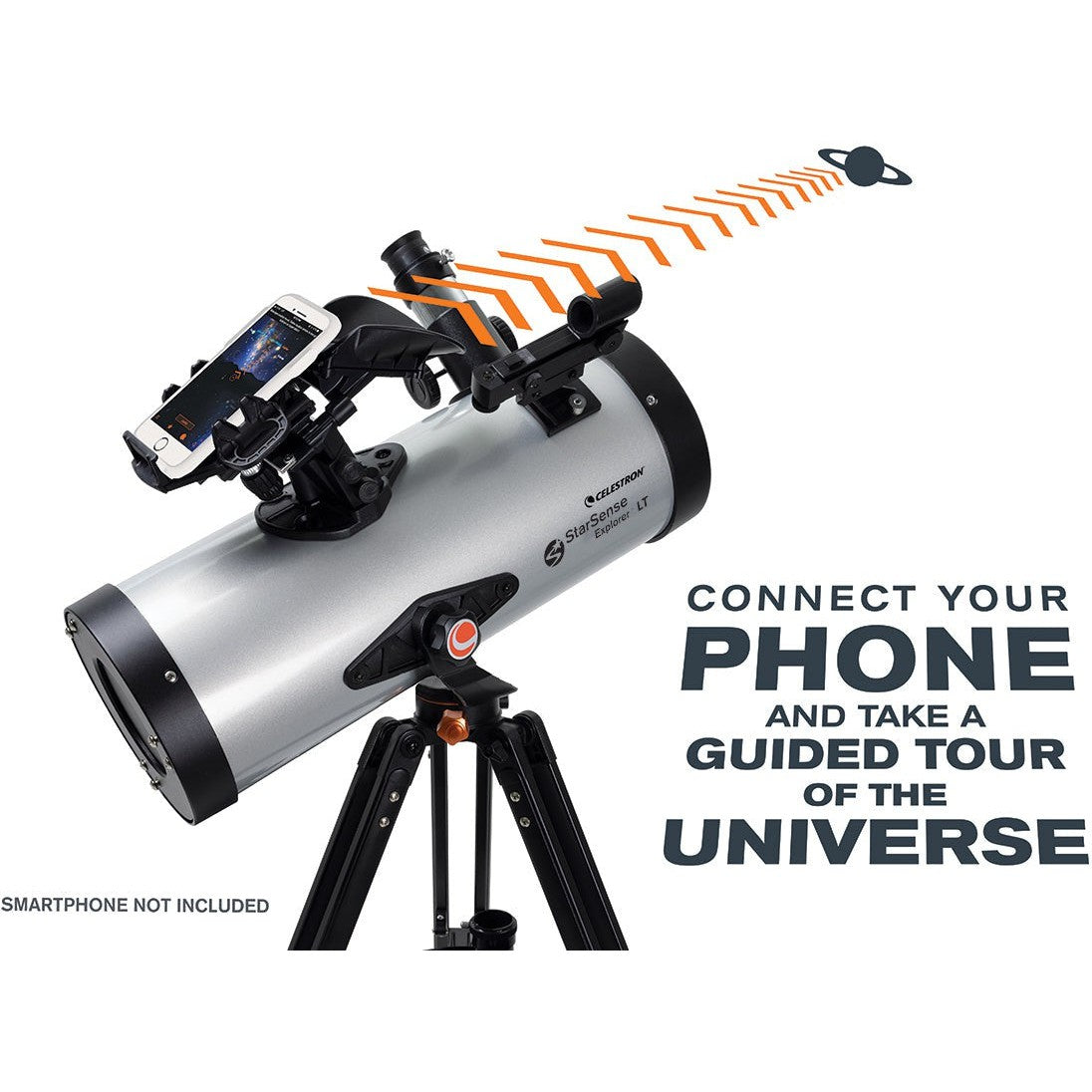
Celestron StarSense Explorer LT 127AZ
The largest Bird-Jones Celestron puts the StarSense badge on, and the one where the hidden design costs you most: 127 mm of aperture feeding a corrector lens that will not let you see what 127 mm should show.





01What it's good atWhat it's best at — and the trade-offs.
StarSense itself is excellent and behaves here exactly as it does on the models we score above 8: dock a phone, follow the on-screen arrows, and targets…
What it's best at — and the trade-offs.
02In plain EnglishWhat These Numbers Mean
127mm · f/7.87 · 1000mm FL · Manual Alt-Azimuth
What These Numbers Mean
03The Polaris ScoreHow it scores, and why.
54/100 · #8 of 8 app-guided beginner telescopes
How it scores, and why.
Polaris weighs optical capability, how easy the scope is to live with, how portable it is, and how far it takes you before you outgrow it — not list price or brand.
04Who it's forAn honest fit check.
Someone who has already settled on StarSense and specifically needs a tripod rather than a…
An honest fit check.
05Build your rigWhat to buy next — and where it leads.
5 pieces of gear, ordered by what changes the view most
What to buy next — and where it leads.
Tame lunar glare★ Top pickGSO Moon Filter 13pct 1.25-inch

The Moon is the one target where this tube performs, and at 40x it needs dimming to show contrast
A sharper everyday viewExplore Scientific 68deg 24mm
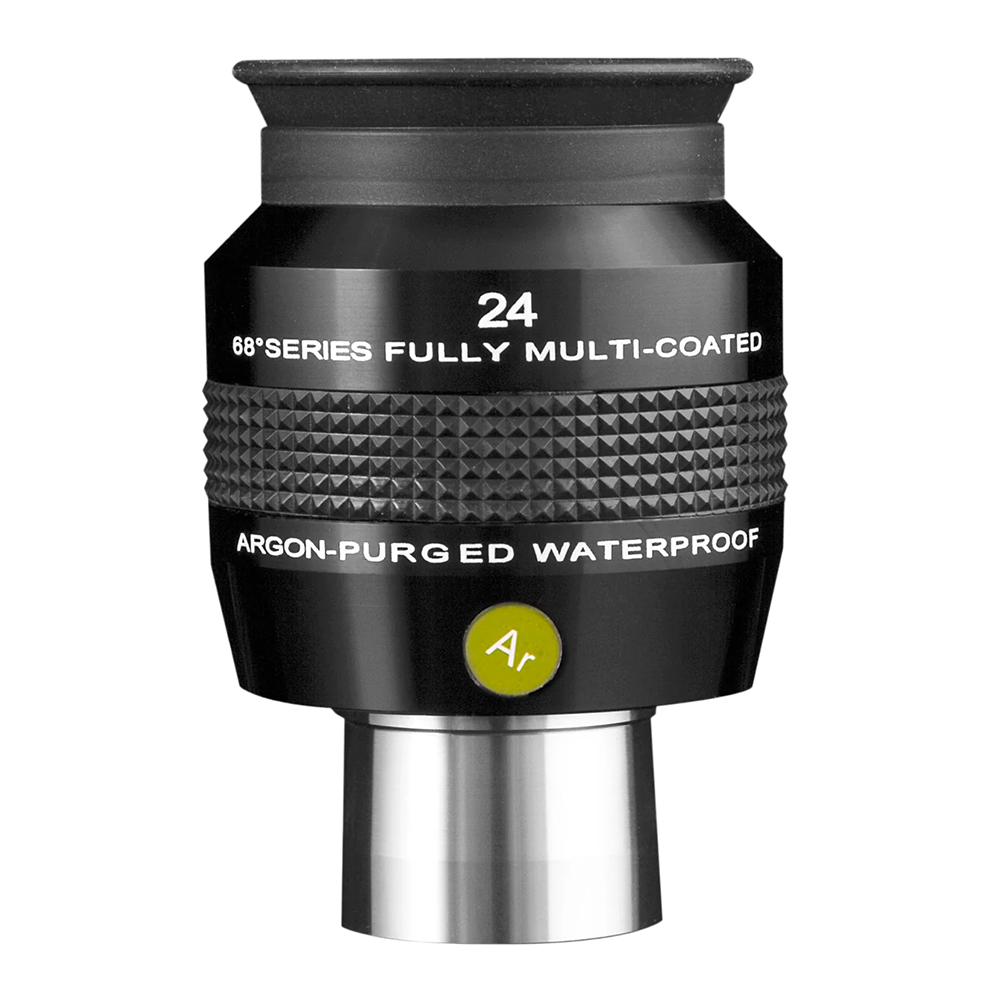
The widest true field a 1.25-inch focuser can give this scope, which is the only way to make 1000 mm of focal length feel roomy. It will not fix the corrector
Sharper planets & lunar detailSVBony Redline 9mm Ultra Wide Angle
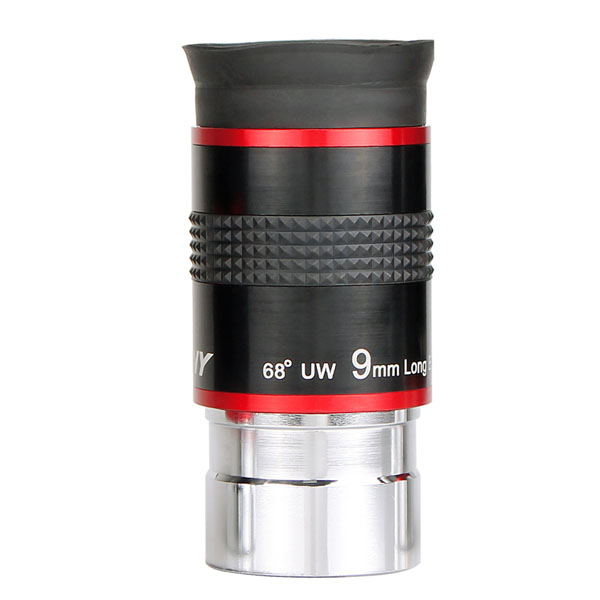
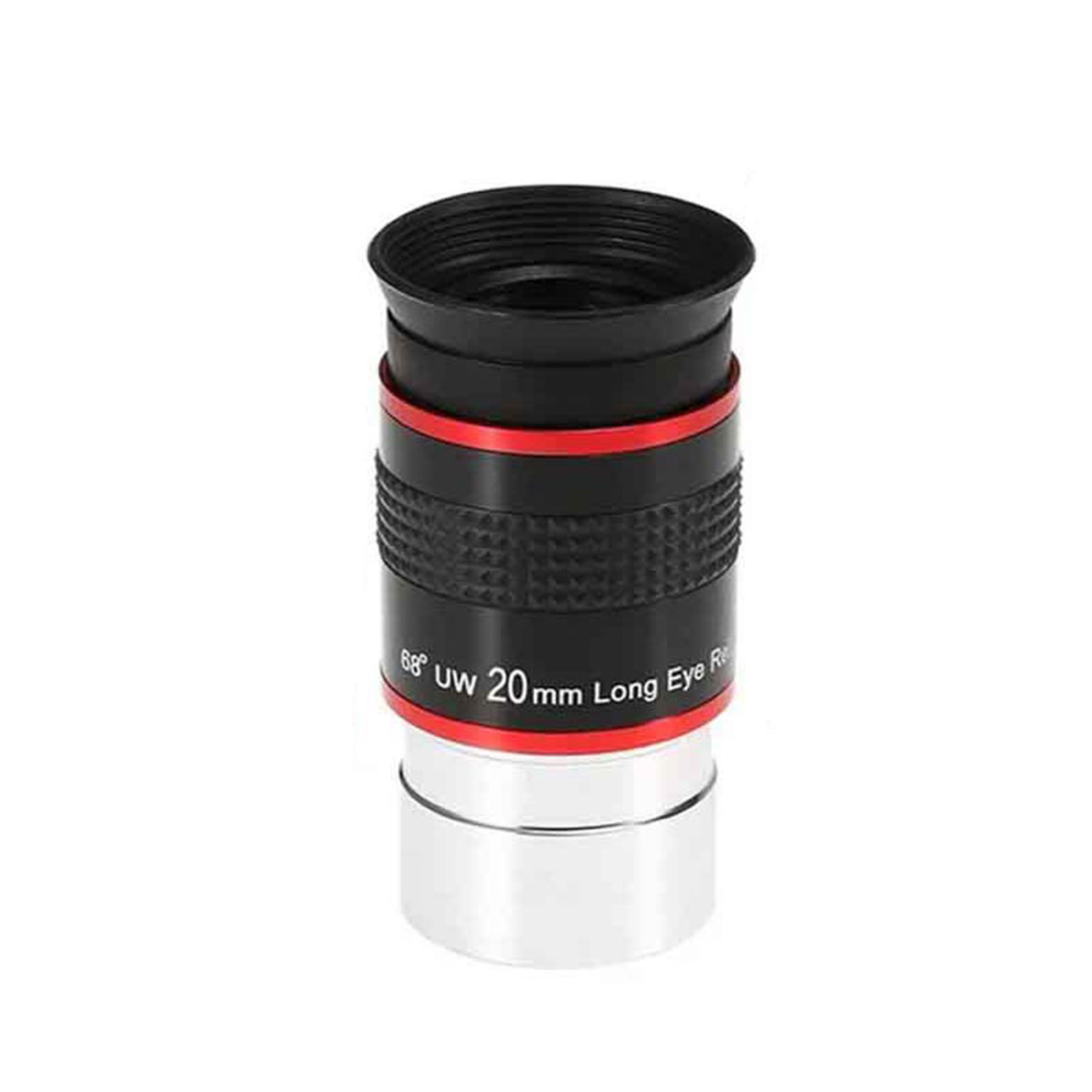
A sharper everyday viewSVBony Redline 20mm Ultra Wide Angle
Make nebulae popSVBony UHC 1.25-inch

06The numbersFull specifications.
6 measured and stated values
Full specifications.
07AlternativesFor a different goal, start here.
3 alternatives, each mapped to the goal it wins at
For a different goal, start here.
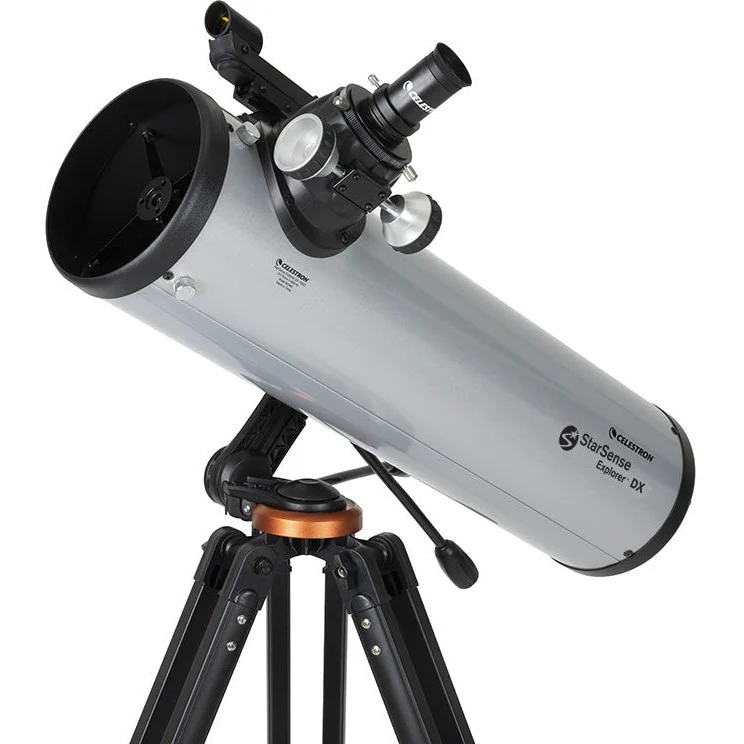
Celestron StarSense Explorer DX 130AZ
A plain 130mm Newtonian with nothing in the light path and the same StarSense experience.
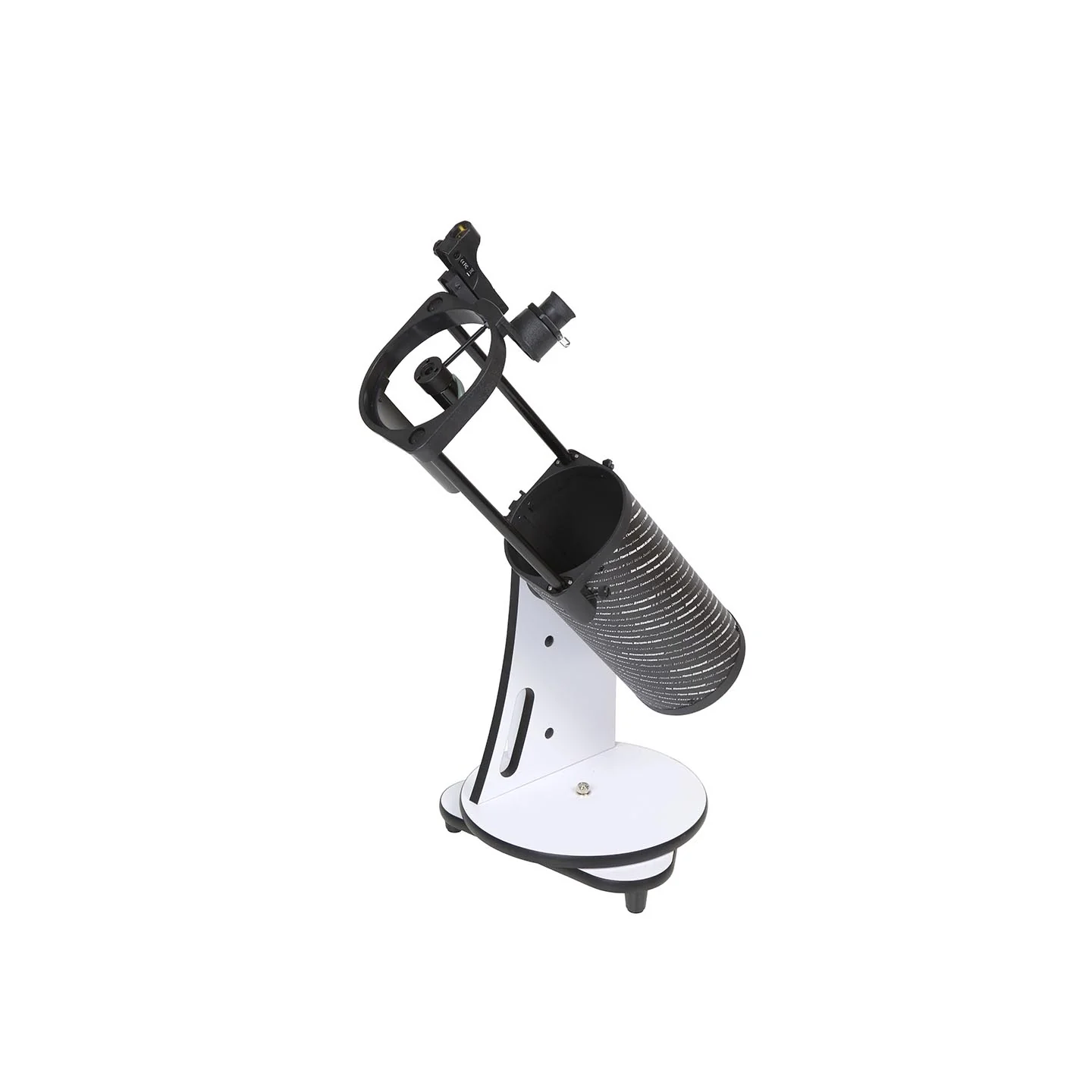
Sky-Watcher Heritage 130P
A true parabolic mirror and a steadier base for less than this costs, if you can give up the app and learn to star-hop
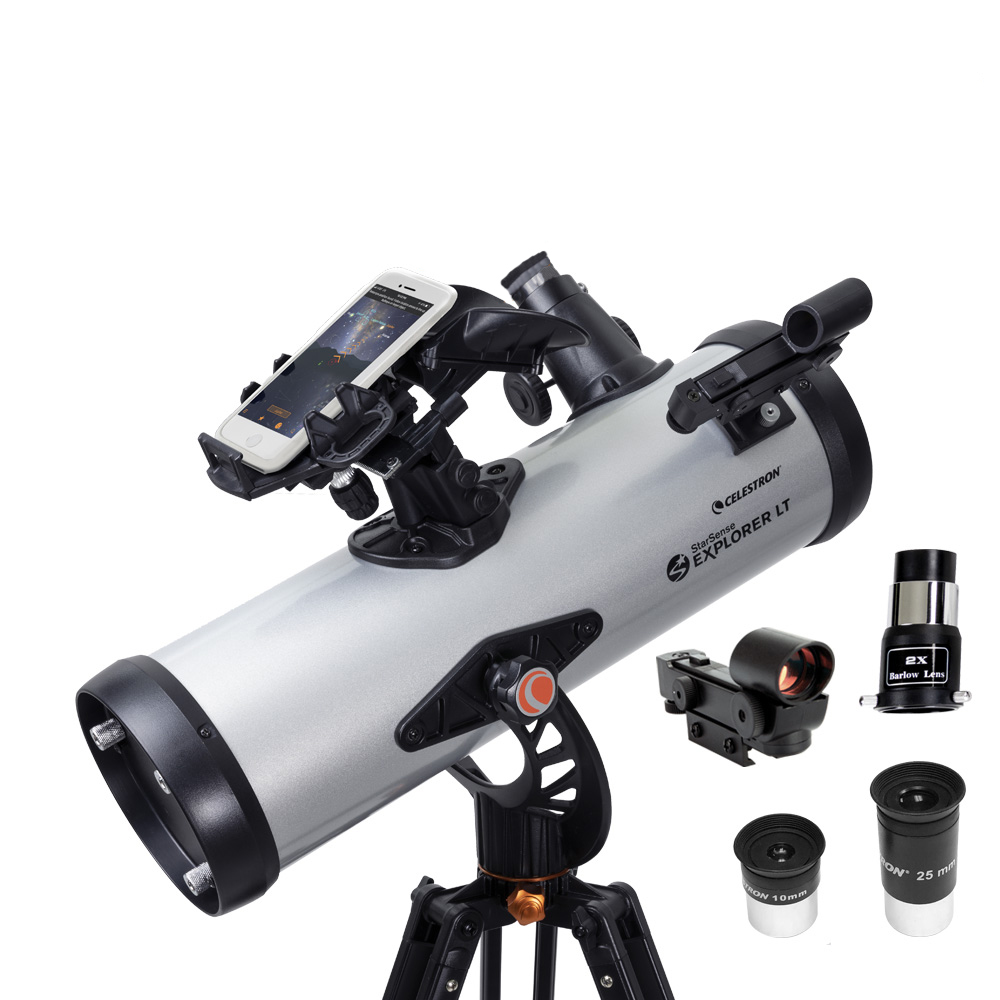
Celestron StarSense Explorer LT 114AZ
The 114mm sibling shares the Bird-Jones design but asks less of it, for about $90 less.