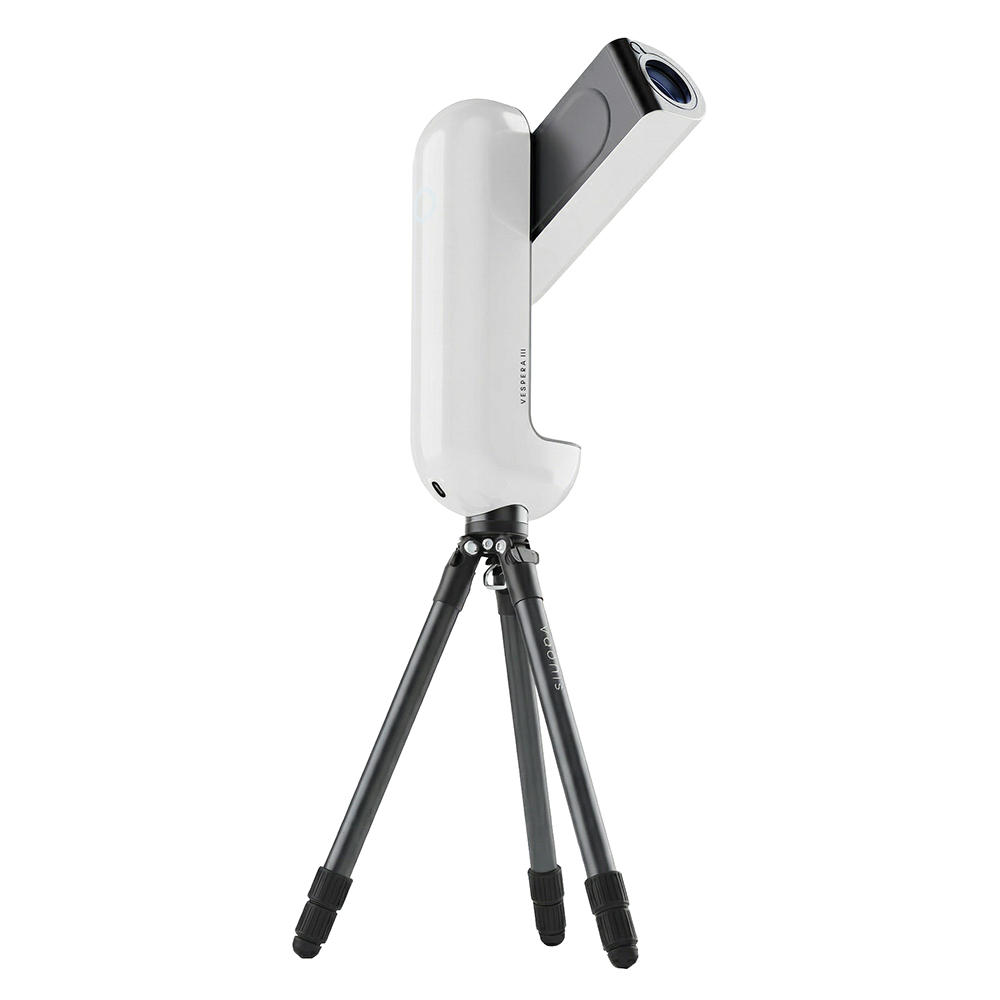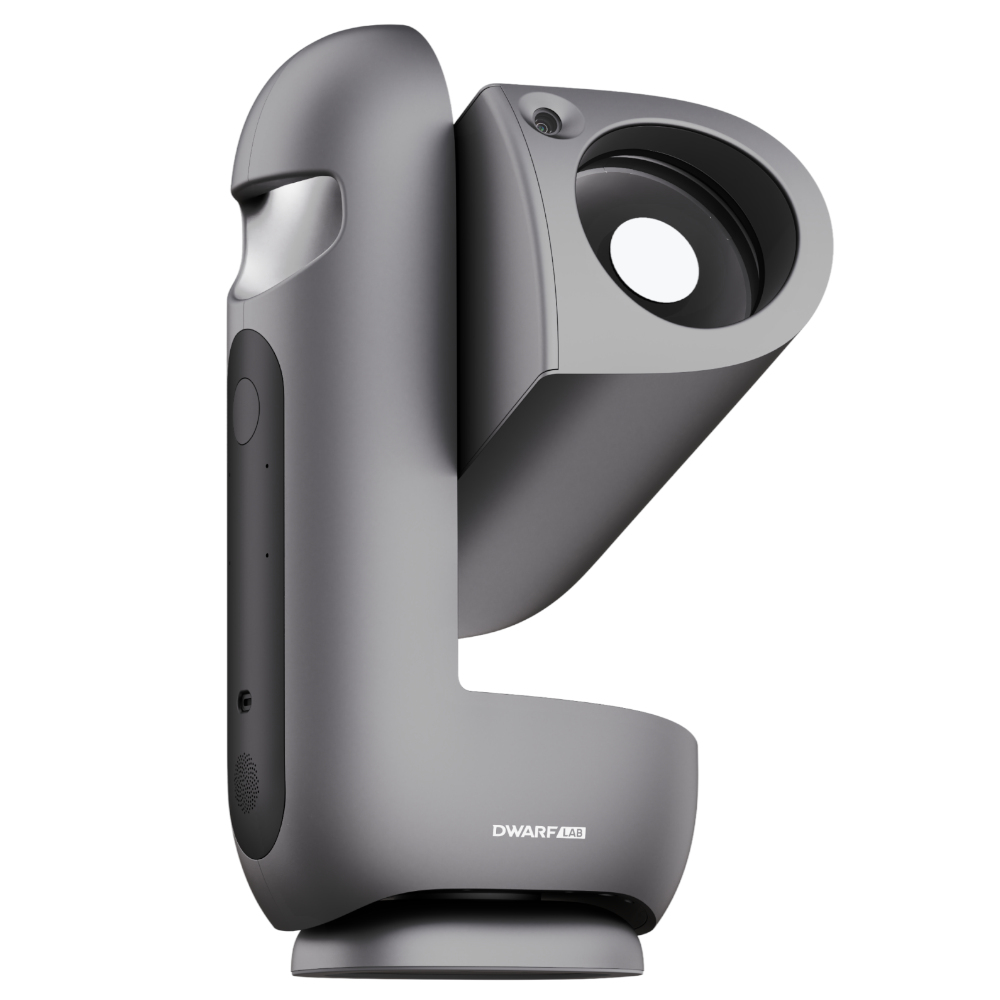
DwarfLab Draco SHO Smart Telescope — image 1
DwarfLab

DwarfLab Draco SHO Smart Telescope

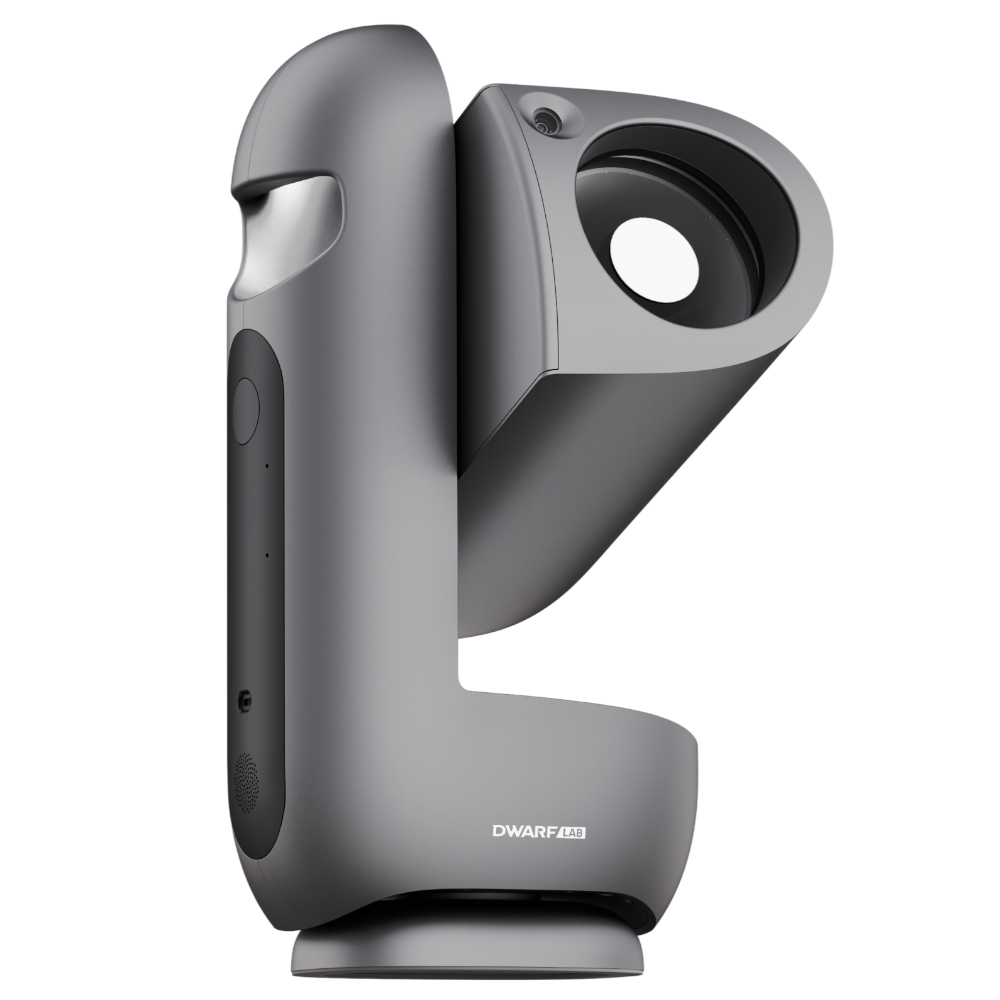
The same 90 mm cooled, guided, self-rotating Draco with one filter swapped: the internal solar filter gives way to a 13 nm SII-OIII duo-band, which makes this the only sealed smart telescope that can shoot all three Hubble-palette channels on its own. Worth the extra $200 if emission nebulae are the reason you are buying, and not worth it otherwise. It ships in December 2026, so this page reads the specification, not results anyone has published.

81/ 100
Polaris Score
#3 of 12 smart telescopes
See the breakdown ↓
Aperture
90mm
Focal Length
340mm
Focal Ratio
f/3.8
Mount Type
Integrated Alt-Az GoTo with sensor rotator
Optical Design
Smart Reflector (catadioptric, APO corrector elements)
Pixel Size
2.4µm
From$1,599

$100 above 90-day low

Price tracked by PolarisObserved 19 timesTracking since Sep 2026

See captured results →
What it's built forOpen these in the simulator →

This telescope was built to capture, not to squint.

Point it, tap a target, and it stacks a live image on your phone — color and faint detail no eyepiece will show you. The trade is simple: the experience lives on a screen, not at an eyepiece.

Fully automated captureStacks live in the app
The view people remember

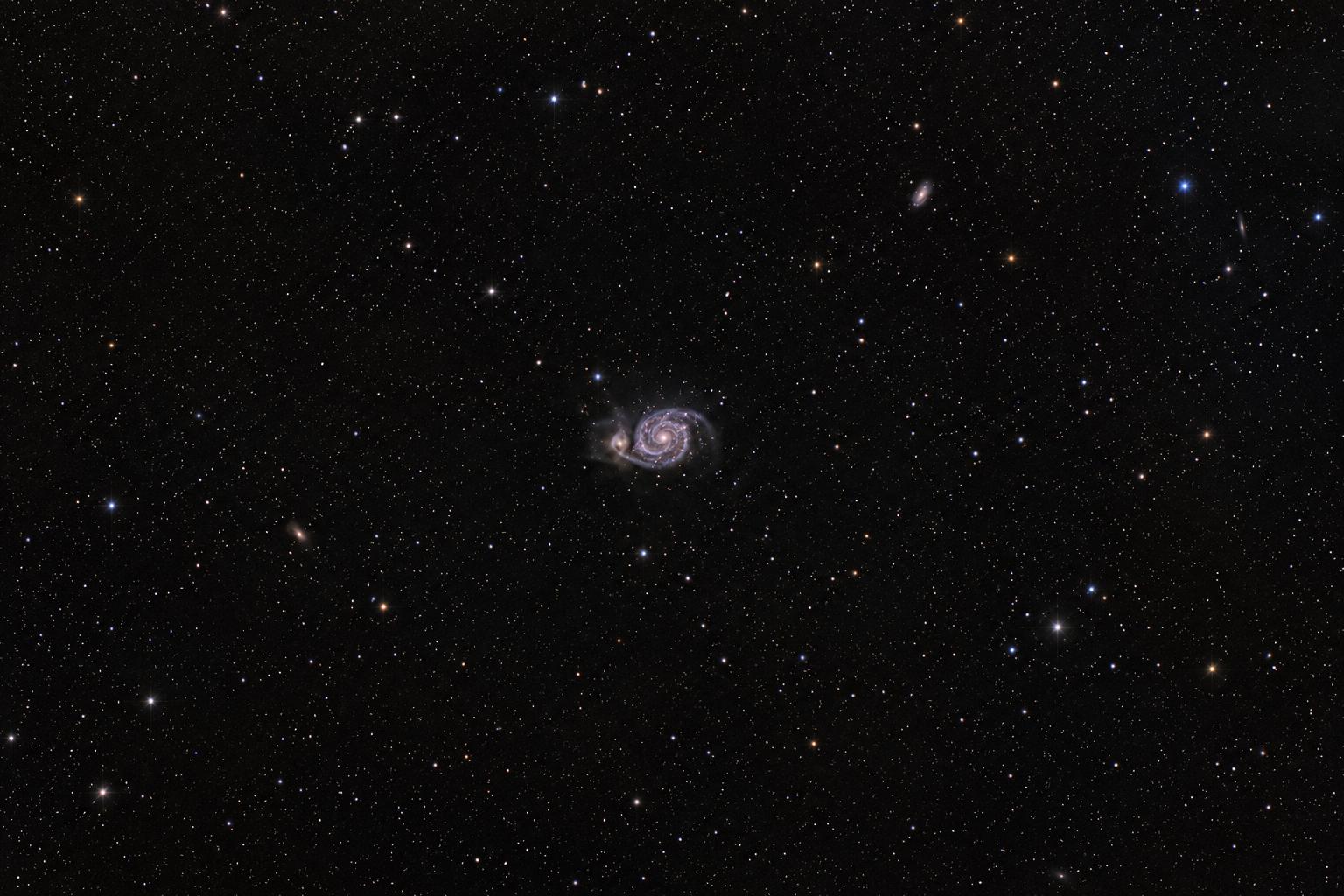
The Whirlpool, and its companion.

A face-on spiral with a smaller galaxy caught at the end of one arm — on a dark night the spiral structure lifts off the sky in a way photographs almost prepare you for.

See Whirlpool Galaxy through this telescope →
01What it's good at

What it's best at — and the trade-offs.

Four internal filters instead of three usable ones: broadband, 13 nm Ha-OIII, 13 nm SII-OIII and a dark frame, which covers every channel the Hubble…
Best at
✓Four internal filters instead of three usable ones: broadband, 13 nm Ha-OIII, 13 nm SII-OIII and a dark frame, which covers every channel the Hubble palette needs without you touching the telescope.
✓SII is the faintest of the three narrowband lines, and a 90 mm f/3.8 optic in front of a cooled sensor is roughly the minimum that makes collecting it realistic overnight rather than over a season.
✓Filter changes are motorised and remote, so a multi-night SHO project can run from the app without a trip outside to swap glass.
✓Everything that makes the standard Draco good is unchanged: the guide sensor, the 300 second sub-exposures and the rotator that removes polar alignment.
Trade-offs
!Nobody has used one yet. This reads the published specification, and firmware is where smart telescopes are usually won or lost.
!SHO is slow. Two extra narrowband channels at 13 nm through a 90 mm aperture means hours per channel, so a finished Hubble-palette image is a multi-night project rather than an evening.
!Solar imaging now needs the external magnetic filter fitted on site, which is the one thing that breaks the otherwise fully remote workflow. The standard Draco keeps solar internal.
!The palette only applies to emission nebulae. On galaxies, clusters and reflection nebulae this telescope performs exactly like the cheaper one.
02In plain English

What These Numbers Mean

90mm · f/3.8 · 340mm FL · Integrated Alt-Az GoTo with sensor rotator
Filter set
Broadband, Ha-OIII, SII-OIII, dark frame
This is the only spec that separates the SHO from the standard Draco, and it is the whole reason to buy it. The Hubble palette maps sulphur, hydrogen and oxygen emission to red, green and blue, which is what gives those images their distinctive gold and teal look. Having the SII-OIII pair inside the optic means the telescope can shoot all three channels itself and switch between them mid-session from the app.
Filter bandwidth
13 nm plus or minus 3
Thirteen nanometres is a moderate narrowband width: tight enough that moonlight and sodium streetlights mostly stop mattering, wide enough to keep exposure times sane on a fast optic. Dedicated narrowband imagers often use 3 to 7 nm filters for higher contrast, but those demand far more aperture and far longer nights than a 90 mm smart telescope can offer.
Focal ratio
f/3.8
Speed matters more here than on any other smart telescope. Narrowband filtering throws away almost all the incoming light by design, so a slow optic would turn a target into a weeks-long commitment. At f/3.8 the exposure penalty is survivable, which is what makes an SHO project on a 90 mm instrument a reasonable idea at all.
Cooled sensor
50 MP, TEC cooled, binned to 12 MP
Long narrowband exposures are exactly where thermal noise does the most damage, because the signal you are chasing is faint and the sub-exposures are long. Active cooling is therefore not a luxury on this version, it is the thing that makes the faint SII channel recoverable. Binning 2x2 to 2.4 micron pixels trades unused resolution for the sensitivity the palette needs.
Solar
External magnetic ND filter
The internal filter slot that holds an ND solar filter on the standard Draco is occupied here by SII-OIII, so solar work moves to a magnetic filter you fit to the front. It works, but someone has to be standing next to the telescope, which means the remote-operation story that suits the standard version does not extend to the Sun on this one.
Aperture and field
90 mm, 340 mm, about 1.65° x 1.24°
Unchanged from the standard Draco, and well matched to what SHO is for. A field roughly three Moons wide frames the Veil, the Heart and Soul, the Lagoon and the Eagle, which is precisely the catalogue of large emission nebulae the narrowband palette was invented to render.
03The Polaris Score

How it scores, and why.

81/100 · #3 of 12 smart telescopes
81/ 100
DwarfLab Draco SHO Smart Telescope
#3 of 12 smart telescopes
Performance
87
Ease of use
84
Portability
65
Upgrade potential
50

Polaris weighs optical capability, how easy the scope is to live with, how portable it is, and how far it takes you before you outgrow it — not list price or brand.

04Who it's for

An honest fit check.

Imagers whose target list is mostly emission nebulae: the Veil, the Heart, the Lagoon, the…
Buy it if you
✓Imagers whose target list is mostly emission nebulae: the Veil, the Heart, the Lagoon, the Eagle
✓People who want Hubble-palette results without assembling a filter wheel and a camera train
✓Patient imagers happy to spend several nights on one target
Look elsewhere if you
!Anyone whose main interest is the Sun, since the solar filter moves outside and has to be fitted by hand
!Galaxy and star cluster imagers, since SII and OIII do nothing for broadband targets
!Buyers who want the cheapest route into Draco, which is the standard version at $200 less
05The numbers

Full specifications.

10 measured and stated values
Optics
Optical DesignSmart Reflector (catadioptric, APO corrector elements)
Aperture90mm
Focal Length340mm
Focal Ratiof/3.8
Mount & drive
Mount TypeIntegrated Alt-Az GoTo with sensor rotator
Physical
Weight5.5 kg
Imaging
Pixel Size2.4µm
Sensor Width9.81mm
Sensor Height7.35mm
More
SensorOmniVision OV50Q40