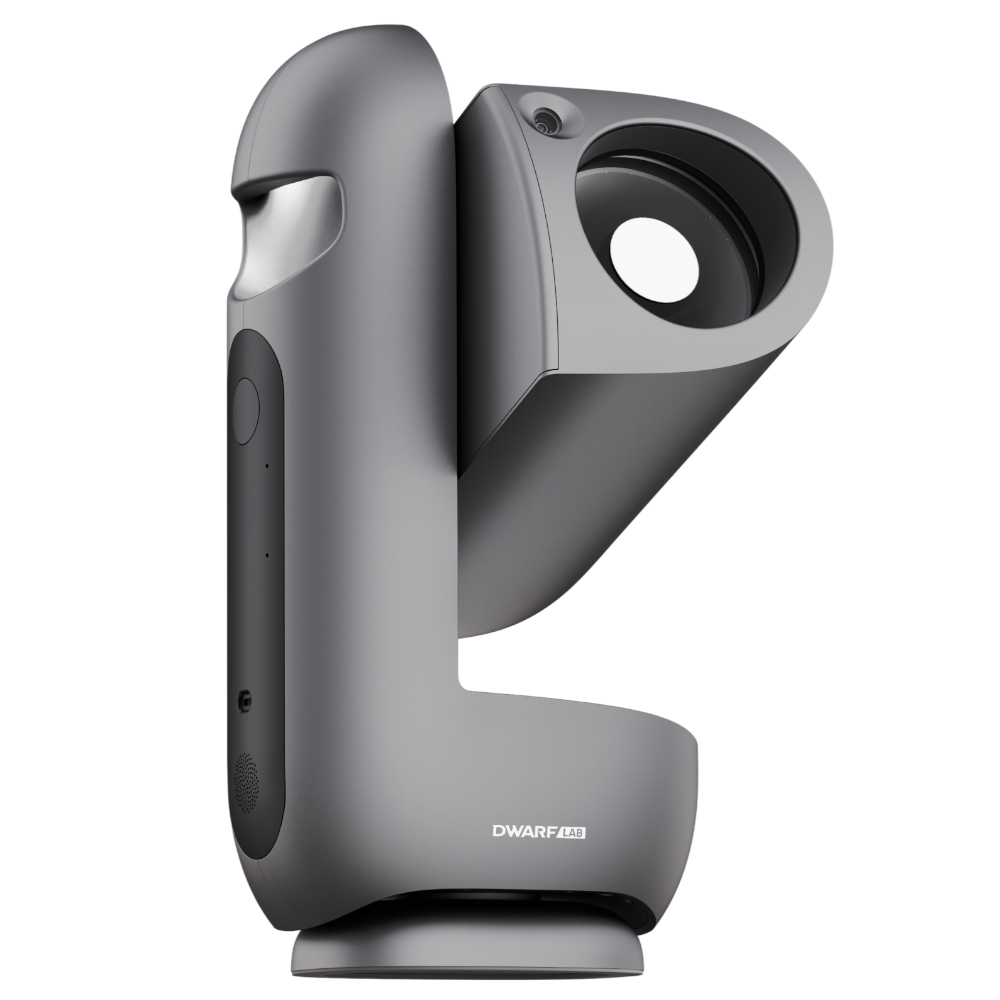
DwarfLab Draco Smart Telescope — image 1
DwarfLab

DwarfLab Draco Smart Telescope

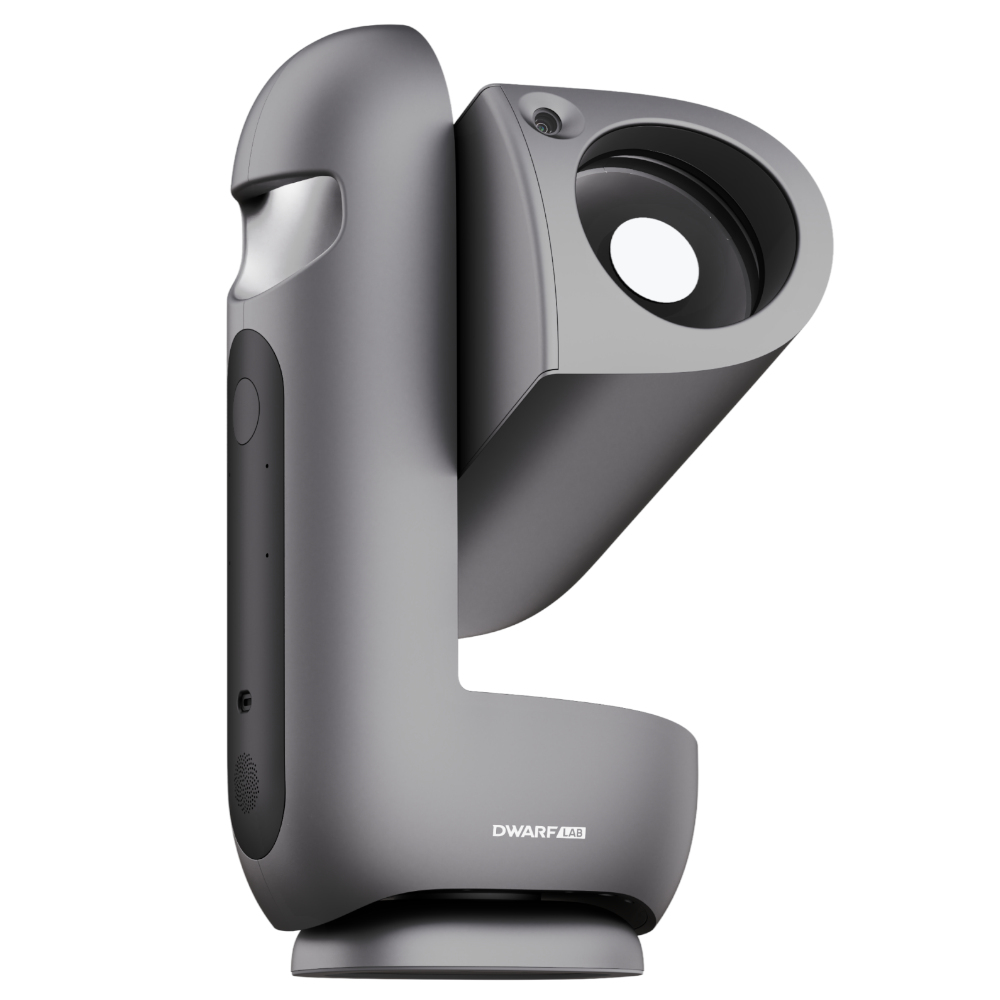
The first smart telescope built like a real imaging rig rather than a clever camera: 90 mm of aperture, a cooled sensor, a separate guide sensor and a motorised rotator that buys five-minute exposures with no polar alignment. It is the one to want if you have outgrown a Seestar and do not want to assemble a mount, camera and guider yourself. It ships in December 2026, so this page reads the specification, not results anyone has published.

82/ 100
Polaris Score
#2 of 12 smart telescopes
See the breakdown ↓
Aperture
90mm
Focal Length
340mm
Focal Ratio
f/3.8
Mount Type
Integrated Alt-Az GoTo with sensor rotator
Optical Design
Smart Reflector (catadioptric, APO corrector elements)
Pixel Size
2.4µm
From$1,399

$100 above 90-day low

Price tracked by PolarisObserved 18 timesTracking since Sep 2026

See captured results →
What it's built forOpen these in the simulator →

This telescope was built to capture, not to squint.

Point it, tap a target, and it stacks a live image on your phone — color and faint detail no eyepiece will show you. The trade is simple: the experience lives on a screen, not at an eyepiece.

Fully automated captureStacks live in the app
The view people remember

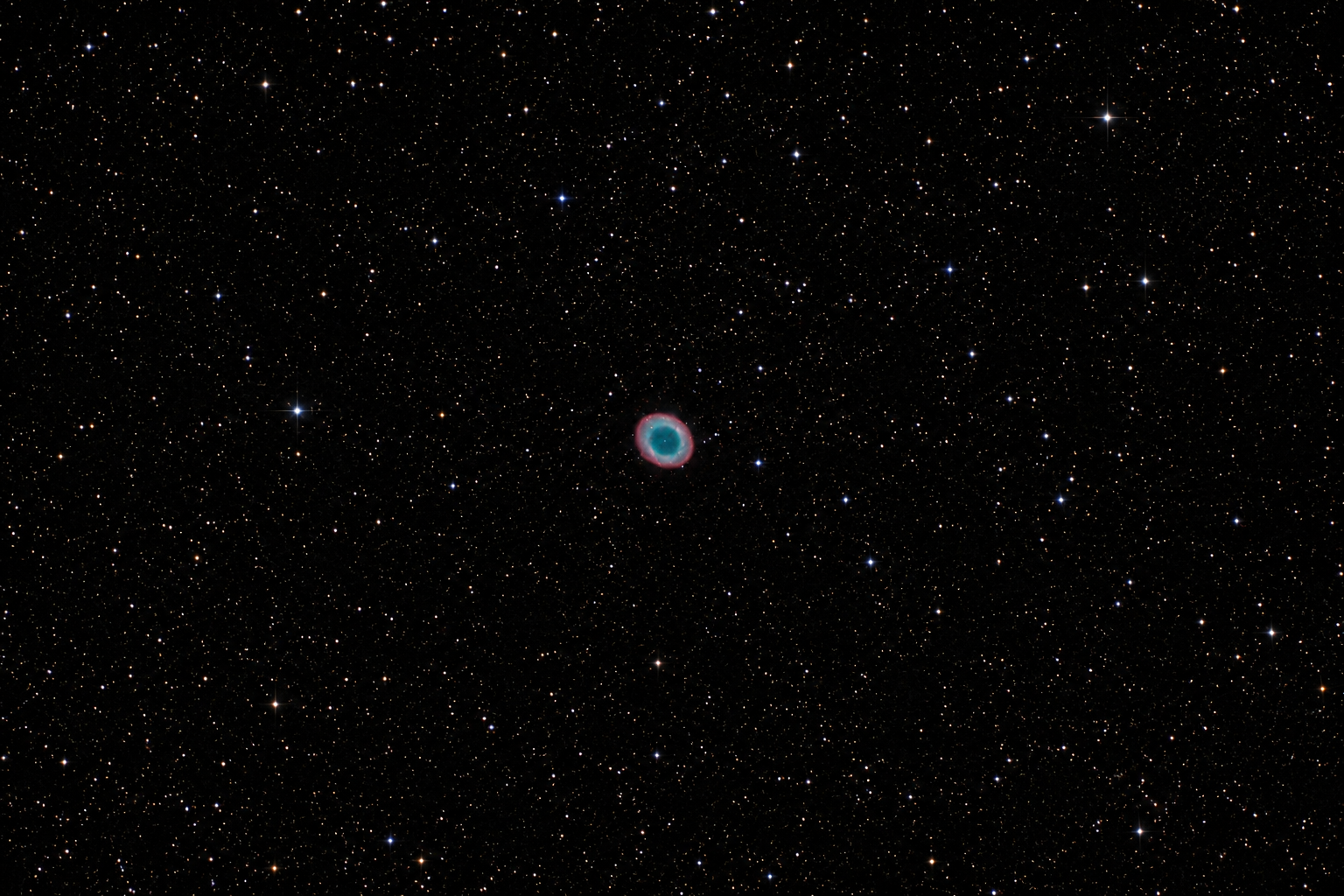
The Orion Nebula, wings unfolded.

The four stars of the Trapezium sit inside folded sheets of glowing gas — the closest stellar nursery to us, bright enough to show real structure even from the suburbs.

See Orion Nebula through this telescope →
01What it's good at

What it's best at — and the trade-offs.

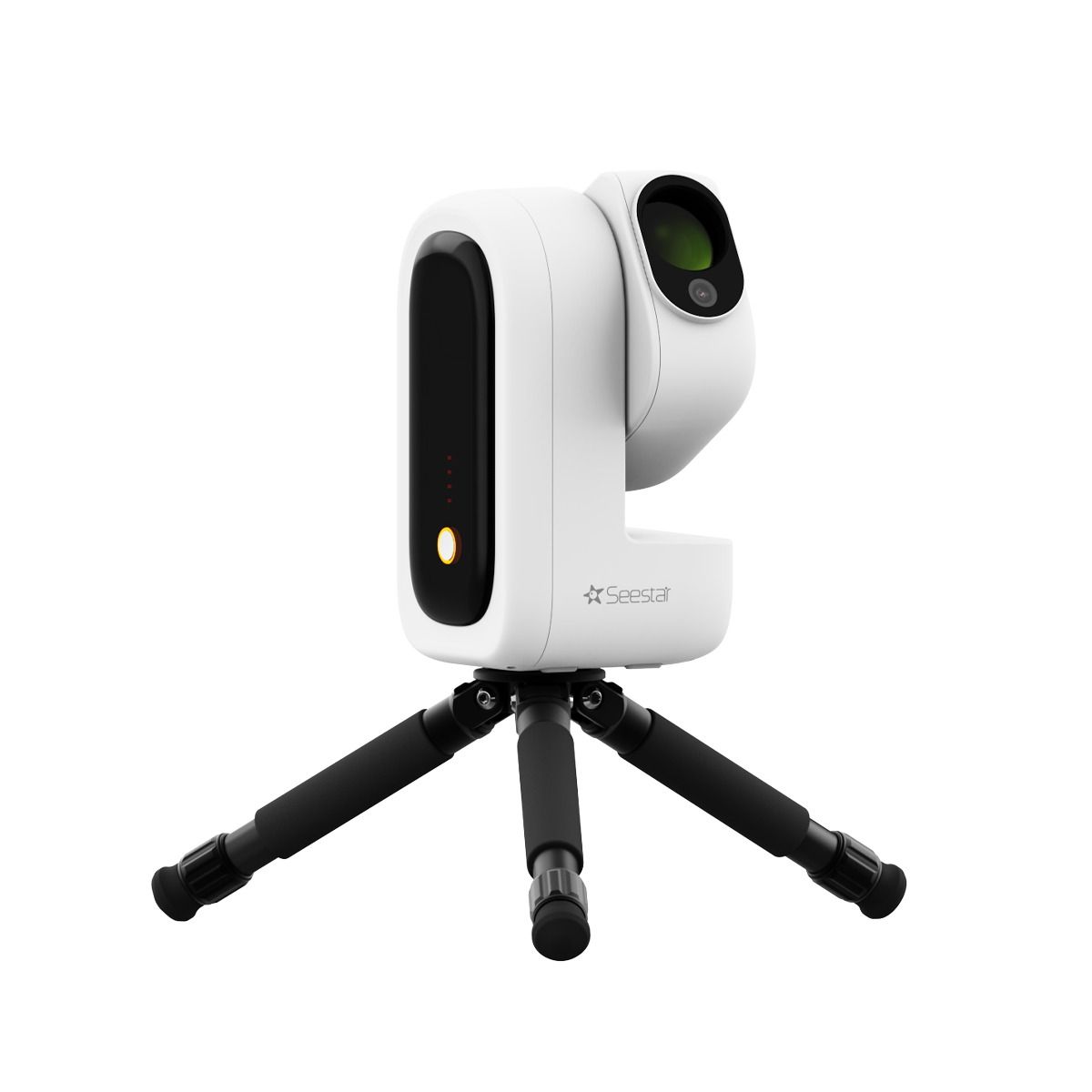
90 mm at f/3.8 is the largest fast optic in the sub-$1,500 smart class, roughly three times the light-gathering area of a Seestar S50 and more than six…
Best at
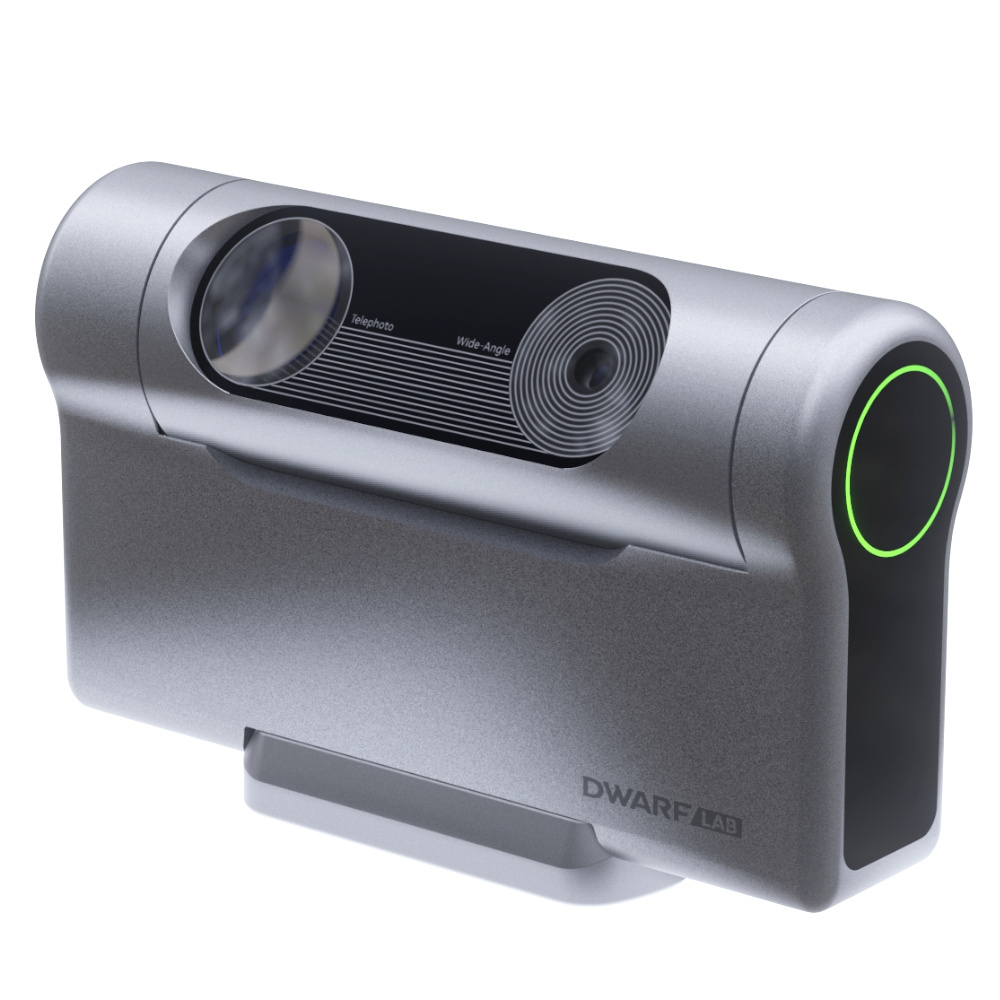
✓90 mm at f/3.8 is the largest fast optic in the sub-$1,500 smart class, roughly three times the light-gathering area of a Seestar S50 and more than six times a DWARF 3.
✓The main sensor is thermoelectrically cooled, which is the single biggest quality difference between a smart telescope and a real imaging camera on warm nights.
✓A dedicated guide sensor plus a motorised field de-rotator unlocks 300 second sub-exposures without a wedge, a polar scope or an equatorial mount.
✓Four filters live inside the optic, including a 13 nm Ha-OIII duo-band and an ND solar filter, so light-pollution and solar work need nothing bolted on.
Trade-offs
!Nobody has used one yet. Everything here comes from the published specification and DwarfLab's track record, and firmware is where smart telescopes are usually won or lost.
!At 5.5 kg and 15 inches long it is a backpack instrument, not a pocket one, and it wants a proper tripod position rather than a windowsill.
!The 340 mm focal length is short. It frames nebulae and larger galaxies beautifully and leaves planets small, so planetary work stays a novelty even with 50 MP to crop into.
!Storage is 128 GB internal with no card slot, and the 77 Wh battery gives about five hours, so long winter nights need a USB-C power bank and a data offload plan.
02In plain English

What These Numbers Mean

90mm · f/3.8 · 340mm FL · Integrated Alt-Az GoTo with sensor rotator
Aperture
90 mm
This is the number that separates Draco from the rest of its class. Ninety millimetres collects about three times the light of a Seestar S50 and more than six times a DWARF 3, which shows up as fainter outer spiral arms, more nebulosity per hour and less noise to fight in processing. It is still a small telescope by backyard standards, so the gains come from stacking, not from a single heroic exposure.
Focal length and field
340 mm, about 1.65° x 1.24°
That field is roughly three full Moons wide, which frames the Orion Nebula, the Rosette, the Veil and most bright galaxies with room to spare. Andromeda at three degrees still needs a two-panel mosaic. Planets, by contrast, will be small discs even at 50 megapixels, so treat lunar and solar as the solar system strengths here.
Focal ratio
f/3.8
A fast optic collects a given amount of signal in less time, which is what makes a two-hour session on a work night worth setting up for. Fast also means tight focus tolerance and demanding optics, which is why the design uses corrector elements ahead of the sensor rather than a plain mirror.
Sensor and cooling
50 MP 1/1.3 inch, TEC cooled
Cooling is the feature no other smart telescope at this price has. Sensor noise roughly doubles every six or seven degrees Celsius, so an actively cooled chip on a July night behaves like an uncooled one in winter. In deep-sky mode the 1.2 micron pixels bin 2x2 to 2.4 microns, giving about 1.45 arcseconds per pixel: a sensible match to what the sky and the optic can actually resolve, and a 12 megapixel image rather than an empty 50.
Guiding and rotator
Guide sensor, 300 s exposures
An alt-azimuth mount makes the sky appear to rotate through a long exposure, which is why most smart telescopes cap you at ten or twenty seconds unless you add a wedge. Draco turns the sensor itself to cancel that rotation and uses a separate guide chip to hold the stars still, so five-minute frames are on the table with the telescope simply set on the ground. Fewer, longer frames mean less read noise and cleaner faint detail.
Weight and build
5.5 kg, IP56
Twelve pounds in a 15 inch body is a two-hands, one-bag instrument. That is still trivially portable next to an equivalent mount and camera rig, but it is a different object from a DWARF 3 you drop in a coat pocket. The IP56 rating and a minus 20 to plus 45 degree Celsius range are aimed at leaving it out overnight, not at using it in the rain.
03The Polaris Score

How it scores, and why.

82/100 · #2 of 12 smart telescopes
82/ 100
DwarfLab Draco Smart Telescope
#2 of 12 smart telescopes
Performance
86
Ease of use
86
Portability
65
Upgrade potential
50

Polaris weighs optical capability, how easy the scope is to live with, how portable it is, and how far it takes you before you outgrow it — not list price or brand.

04Who it's for

An honest fit check.

Smart telescope owners who have hit the ceiling of a Seestar or DWARF 3 and want real depth
Buy it if you
✓Smart telescope owners who have hit the ceiling of a Seestar or DWARF 3 and want real depth
✓Imagers who want cooled-camera results without learning mount assembly, guiding and spacing
✓Anyone planning a semi-permanent backyard or remote setup they will operate from a phone
Look elsewhere if you
!Visual observers, since there is no eyepiece and never will be
!Anyone who wants a scope that lives in a jacket pocket, which is what the smaller Dwarf line is for
!Buyers who need it working tonight, since it is a pre-order that ships in December 2026
05The numbers

Full specifications.

10 measured and stated values
Optics
Optical DesignSmart Reflector (catadioptric, APO corrector elements)
Aperture90mm
Focal Length340mm
Focal Ratiof/3.8
Mount & drive
Mount TypeIntegrated Alt-Az GoTo with sensor rotator
Physical
Weight5.5 kg
Imaging
Pixel Size2.4µm
Sensor Width9.81mm
Sensor Height7.35mm
More
SensorOmniVision OV50Q40