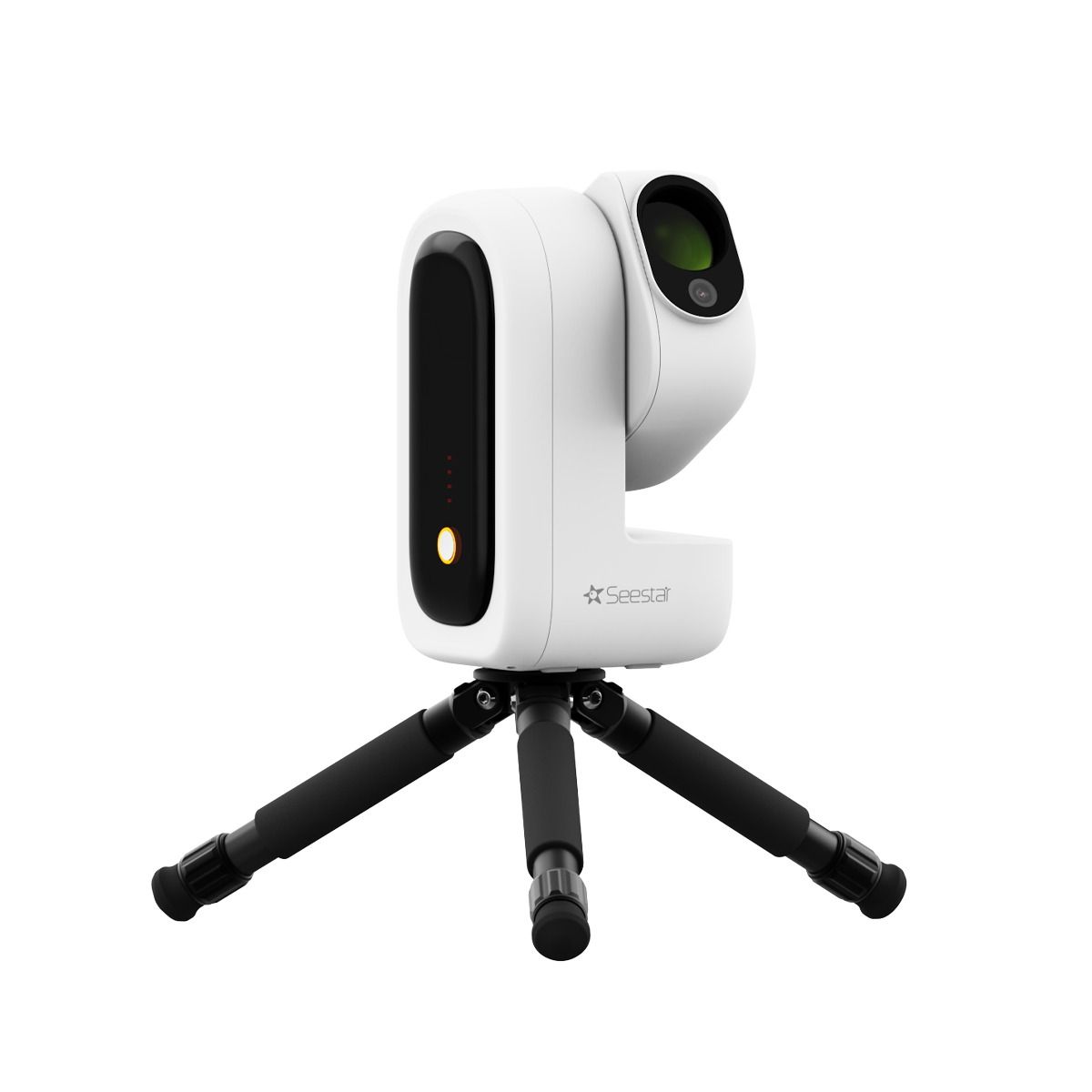
ZWO Seestar S50 Pro
The Seestar that fixed the original's real limitation: a 1/1.2 inch 8.3 MP sensor and a 2.8 degree field replace the S50's cramped 1.46 degrees, so large targets finally fit in one frame.
$100 above 90-day low
Price tracked by PolarisObserved 49 timesTracking since Aug 2026





01What it's good atWhat it's best at — and the trade-offs.
The sensor jumps from 1/2.8 inch and 2.0 MP to 1/1.2 inch and 8.3 MP, which is the single biggest change and the reason framing stops being the limiting…
What it's best at — and the trade-offs.
02In plain EnglishWhat These Numbers Mean
50mm · f/5.2 · 260mm FL · Integrated Alt-Az GoTo
What These Numbers Mean
03The Polaris ScoreHow it scores, and why.
86/100 · #1 of 9 smart telescopes under $1000
How it scores, and why.
Polaris weighs optical capability, how easy the scope is to live with, how portable it is, and how far it takes you before you outgrow it — not list price or brand.
04Who it's forAn honest fit check.
Beginners who want deep-sky images on the first clear night with no polar alignment…
An honest fit check.
05The numbersFull specifications.
9 measured and stated values
Full specifications.
06AlternativesFor a different goal, start here.
3 alternatives, each mapped to the goal it wins at
For a different goal, start here.
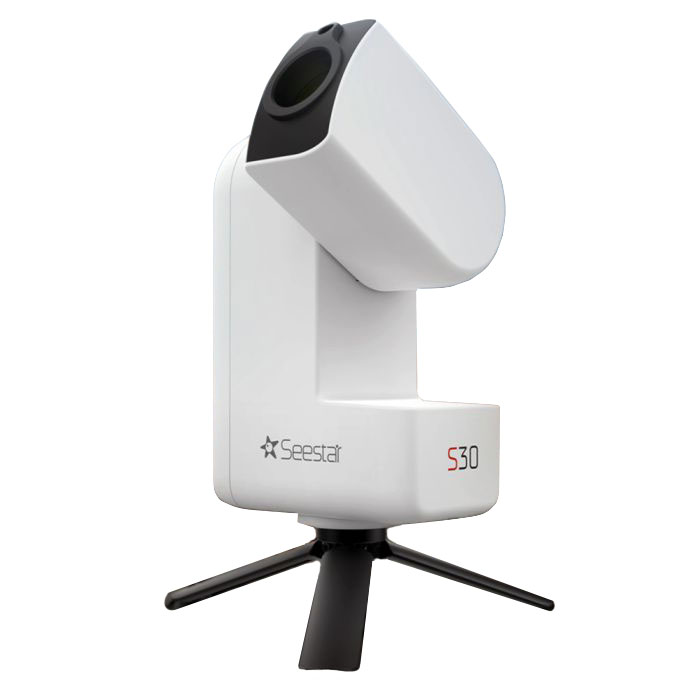
Seestar S30 All-in-One Smart Telescope
Shares the Pro's 8.3 MP sensor and wide-angle camera at 1.65 kg and a lower price, trading aperture and reach for portability.
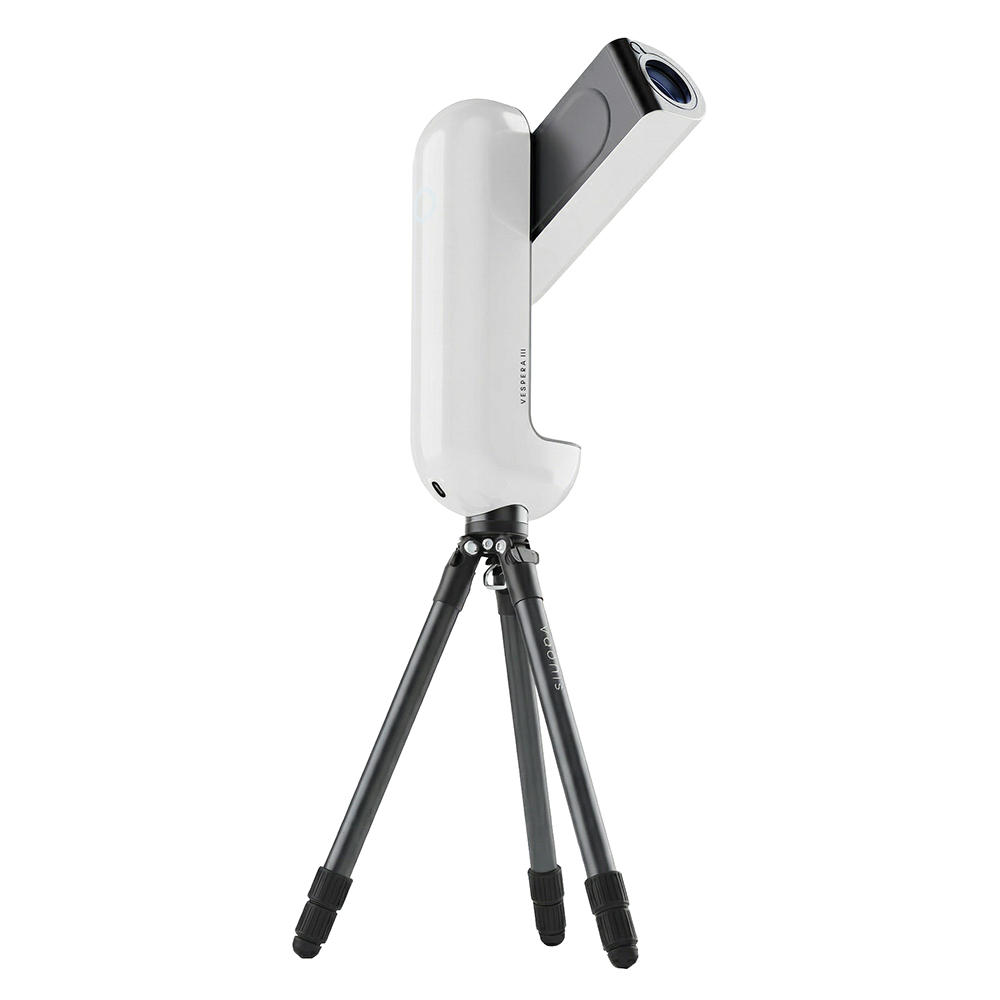
Vaonis Vespera III Smart Telescope
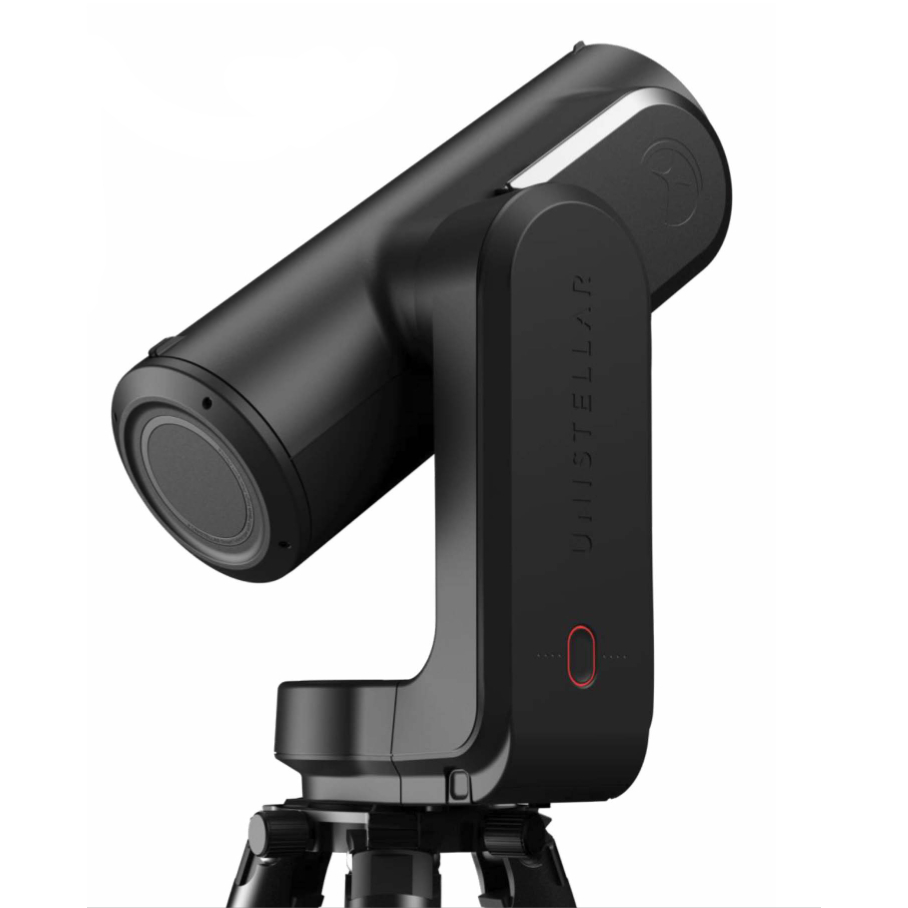
Similar aperture class with a more polished industrial design and app, generally at a higher price for comparable imaging.
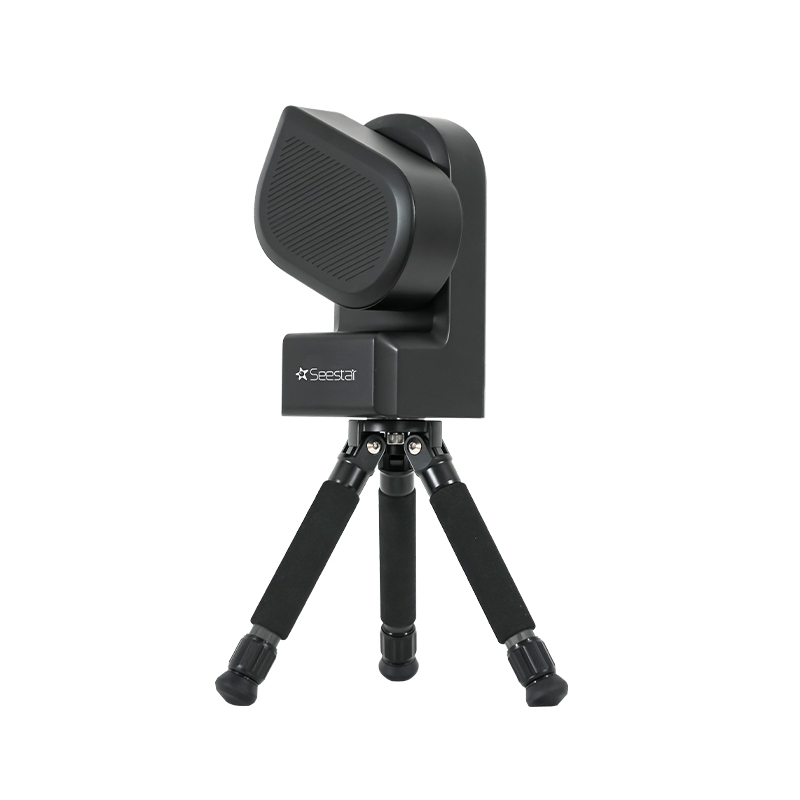
ZWO Seestar S50
Now discontinued by the manufacturer and sold out at major retailers. Worth knowing only if you find used stock cheap.