ZWO
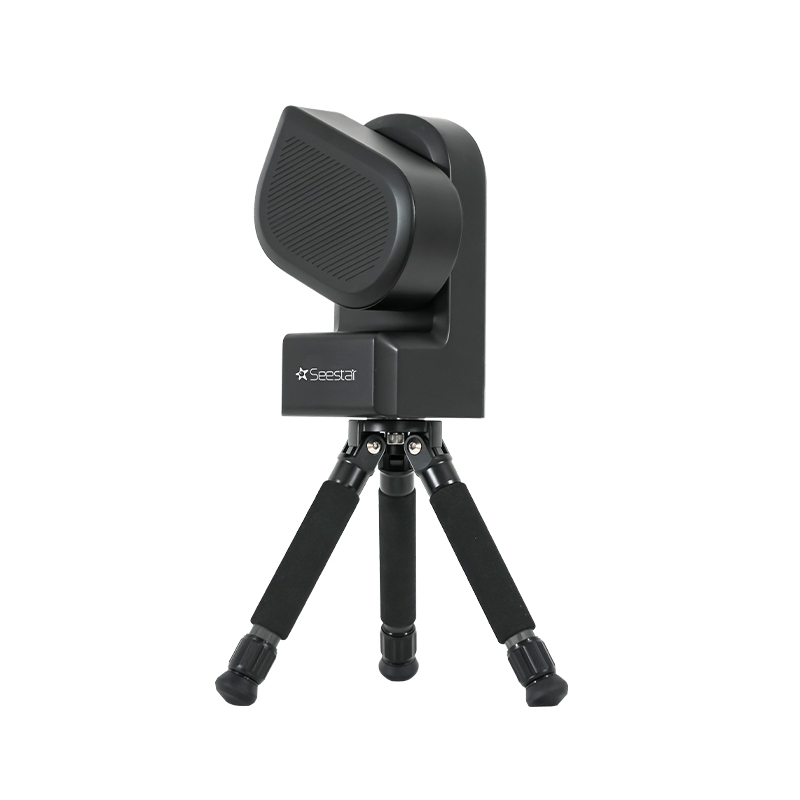
ZWO Seestar S50
No longer sold
The smart telescope that went mainstream. The Seestar S50 automates deep-sky and solar imaging into a one-tap phone experience at a breakthrough price, which is exactly why it is on so many beginners' shelves.
81/ 100
Aperture
50mm
Focal Length
250mm
Focal Ratio
f/5
Mount Type
Integrated Alt-Az GoTo
Optical Design
Smart Refractor
Pixel Size
2.9µm
No longer sold
Discontinued by the manufacturer (per Agena Astro). We keep the page for reference.
Browse telescopes →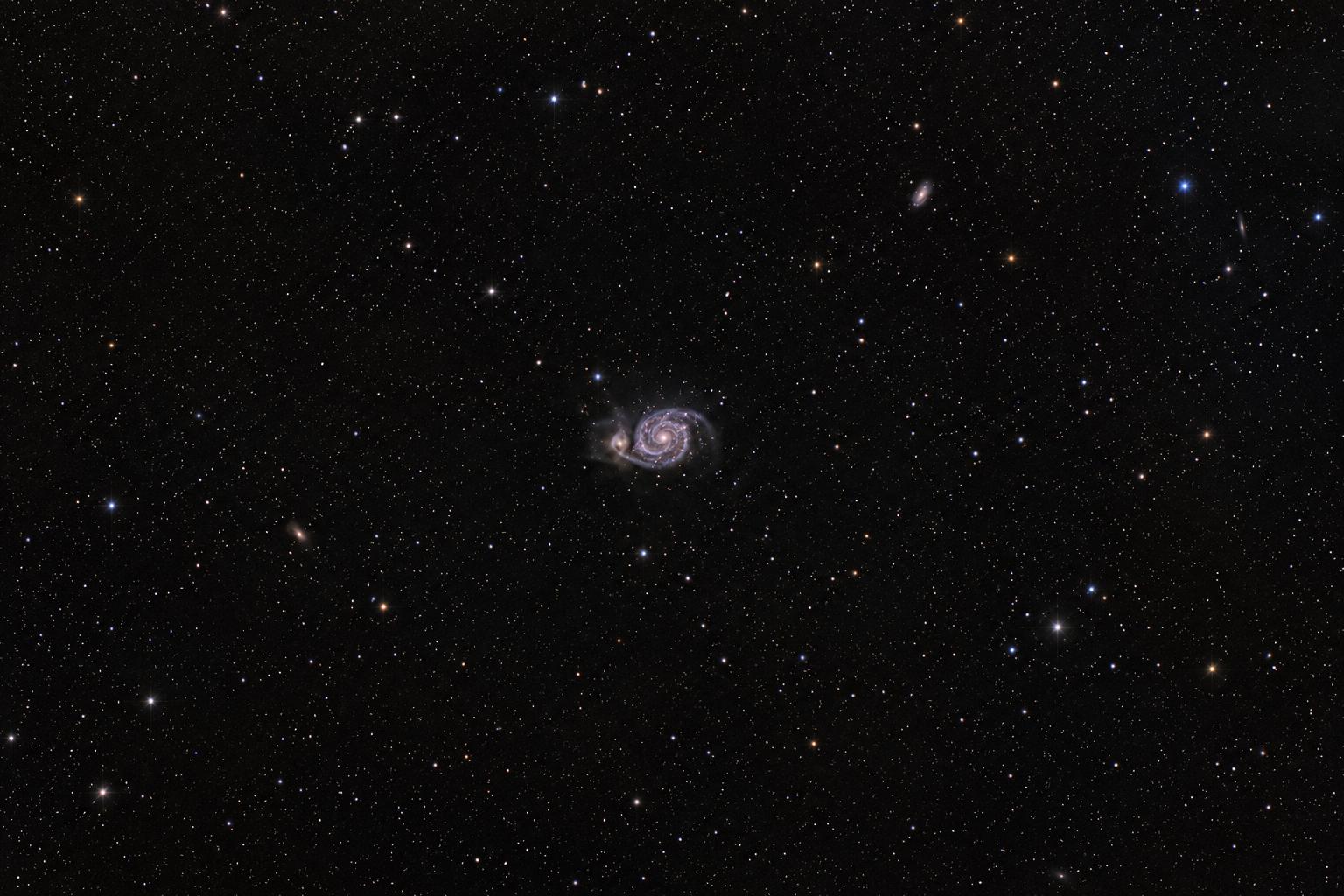

01What it's good atWhat it's best at — and the trade-offs.
50 mm at f/5 (250 mm) with full automation delivers clean, color deep-sky images with no setup.
01What it's good at
What it's best at — and the trade-offs.
50 mm at f/5 (250 mm) with full automation delivers clean, color deep-sky images with no setup.
Best at
✓50 mm at f/5 (250 mm) with full automation delivers clean, color deep-sky images with no setup.
✓One app controls pointing, focus, tracking, stacking and even framing suggestions.
✓Built-in light-pollution and solar filters make it usable from the city and by day.
✓It is compact, self-contained and genuinely simple enough for a first-timer.
Trade-offs
!There is no eyepiece; the image lives on your phone.
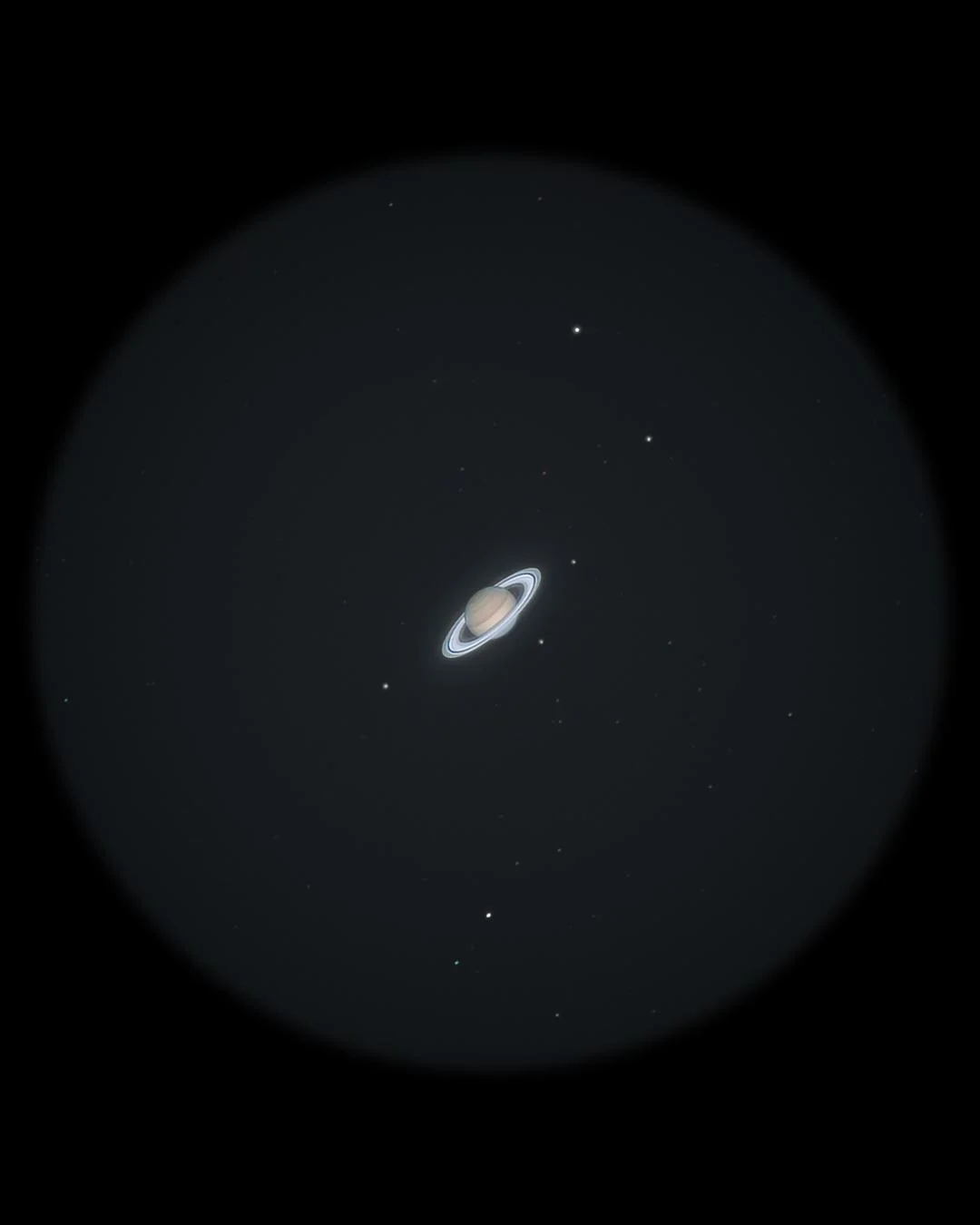
!Small aperture and 250 mm focal length favor large, bright deep-sky targets over planets.
!Features and stability depend on app firmware.
!Battery life and Wi-Fi range limit long unattended runs.
02In plain EnglishWhat These Numbers Mean
50mm · f/5 · 250mm FL · Integrated Alt-Az GoTo
02In plain English
What These Numbers Mean
50mm · f/5 · 250mm FL · Integrated Alt-Az GoTo
Aperture
50 mm
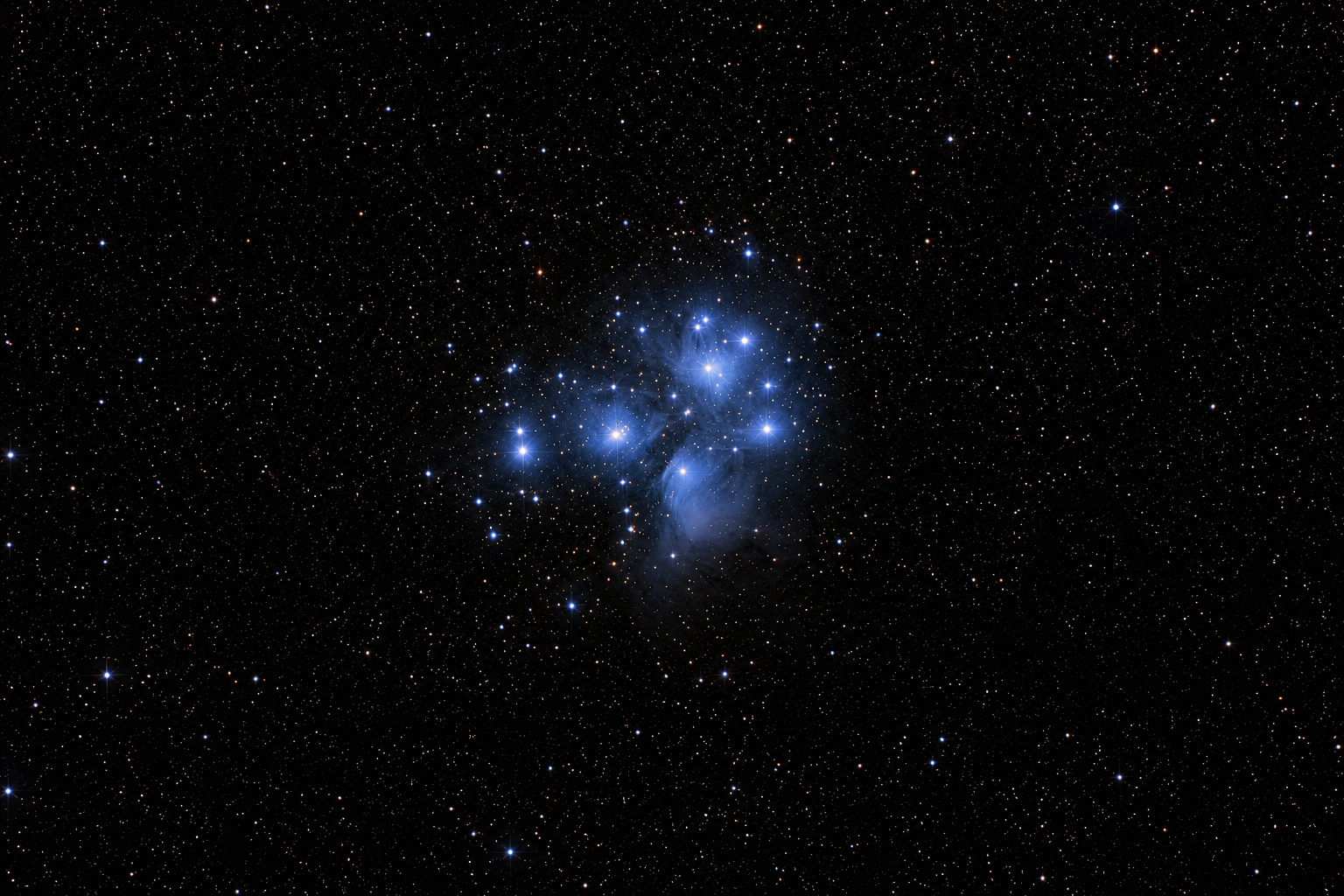
Two inches of aperture, so the images come from stacking many short frames rather than raw light grasp. Bright nebulae, clusters, the Moon and the Sun with its built-in filter all work well; faint small galaxies do not.
Focal length
250 mm
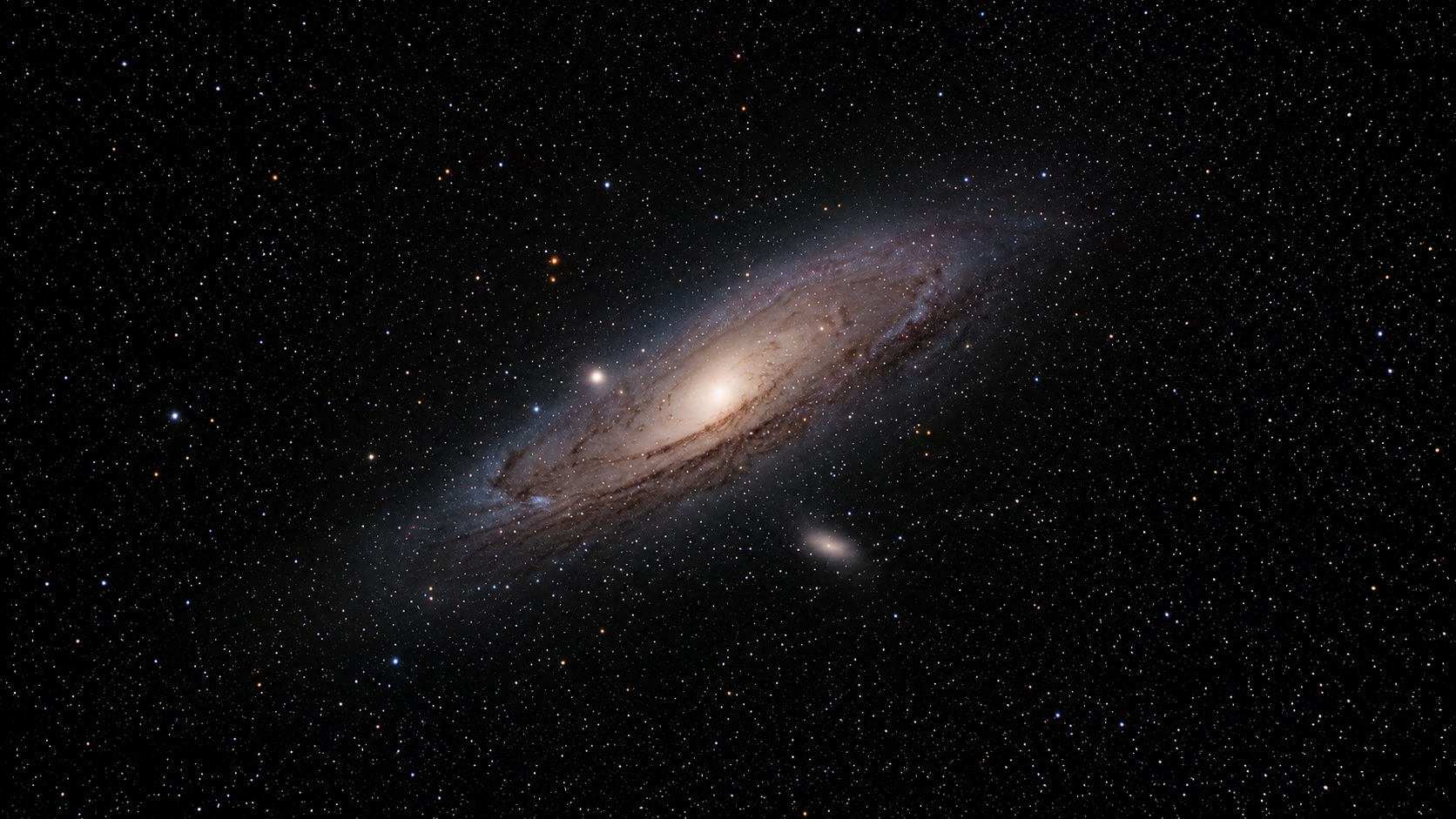
A wide field that suits the large showpiece targets most people want first, such as the Orion Nebula, the North America Nebula and the Andromeda Galaxy. Framing is forgiving because the field is generous.
Focal ratio
f/5
Fast enough that ten-second frames carry usable signal, which is why a recognisable image appears on your phone within a couple of minutes of choosing a target.
Optical design
Sealed smart refractor with built-in camera
A triplet apochromatic lens with a fixed camera and a built-in light pollution filter, and no eyepiece at all. Everything happens on the app, which is what makes it approachable for someone who has never used a telescope.
Weight
2.5 kg
About 5.5 lb including the mount, fitting in the supplied bag with room for a small tripod. This is the size that makes spontaneous observing realistic.
Mount
Integrated alt-azimuth GoTo
The unit levels itself, plate-solves the sky, finds the target and tracks it while stacking, with no alignment routine to learn. Alt-azimuth tracking means many short frames rather than long exposures, which is what the onboard processing expects.
03The Polaris ScoreHow it scores, and why.
81/100
03The Polaris Score
How it scores, and why.
81/100
81/ 100
ZWO Seestar S50
Performance78
Ease of use95
Portability95
Upgrade potential40
Polaris weighs optical capability, how easy the scope is to live with, how portable it is, and how far it takes you before you outgrow it — not list price or brand.
04Who it's forAn honest fit check.
Beginners who want images without the learning curve
04Who it's for
An honest fit check.
Beginners who want images without the learning curve
Buy it if you
✓Beginners who want images without the learning curve
✓City and suburban imagers fighting light pollution
✓Gift buyers and casual astrophotographers
Look elsewhere if you
!Visual observers who want an eyepiece
!Planetary and lunar detail specialists (short focal length)
!Advanced imagers who want full manual control and larger sensors
05The numbersFull specifications.
13 measured and stated values
05The numbers
Full specifications.
13 measured and stated values
Optics
Optical DesignSmart Refractor
Aperture50mm
Focal Length250mm
Focal Ratiof/5
Mount & drive
Mount TypeIntegrated Alt-Az GoTo
Physical
Weight2.5 kg
Imaging
Pixel Size2.9µm
Sensor Width5.6mm
Sensor Height3.2mm
More
controlMobile App (Seestar)
imagingLive stacking astrophotography
SensorSony IMX462
TrackingAutomatic GoTo + tracking
AlternativesFor a different goal, start here.
Alternatives
For a different goal, start here.
Also worth comparing