ZWO
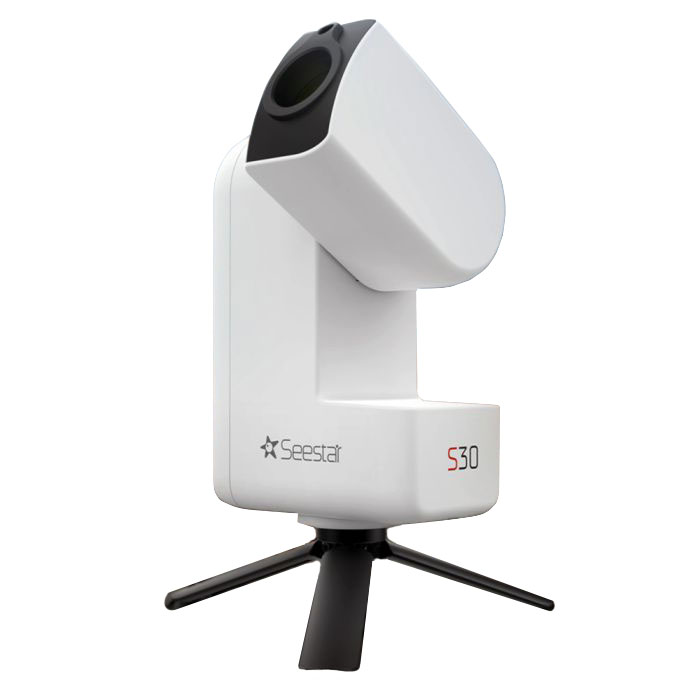
ZWO Seestar S30
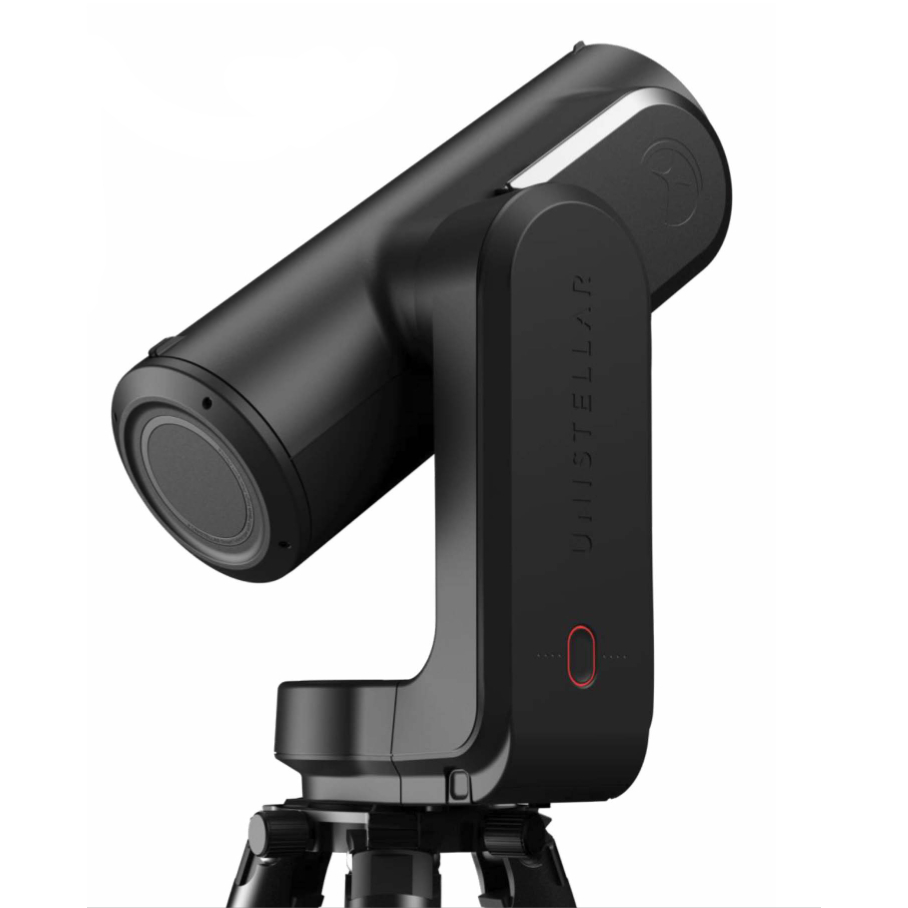
The smaller, cheaper Seestar: an all-in-one smart telescope that points, tracks and stacks deep-sky images from a phone. The S30 keeps the wildly popular Seestar formula in an even more compact, wider-field package.
77/ 100
Aperture
30mm
Focal Length
150mm
Focal Ratio
f/5
Mount Type
Integrated Alt-Az GoTo
Optical Design
Smart Refractor
Pixel Size
2.9µm
From$399
Lowest in 90 daysLowest ever tracked
Price tracked by PolarisObserved 21 timesTracking since Mar 2026
Where to buy
Verified 12h ago · prices tracked daily




01What it's good atWhat it's best at — and the trade-offs.
Fully automated: it finds, focuses, tracks and live-stacks with no user setup.
01What it's good at
What it's best at — and the trade-offs.
Fully automated: it finds, focuses, tracks and live-stacks with no user setup.
Best at
✓Fully automated: it finds, focuses, tracks and live-stacks with no user setup.
✓A wider field than the S50 frames large nebulae and the Milky Way more easily.
✓Very compact and light, it is a true throw-in-the-bag imager.
✓It includes solar and lunar modes with the supplied filter for daytime and Moon sessions.
Trade-offs
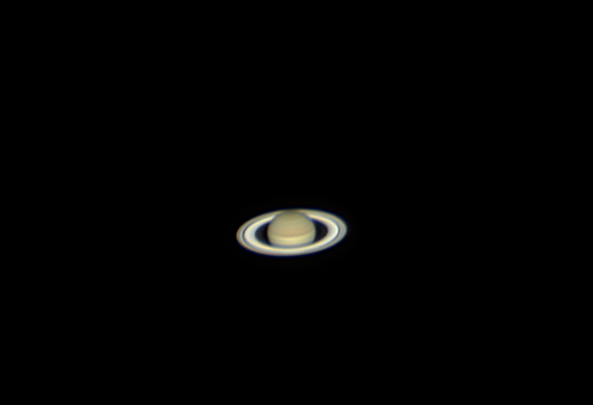
!Small aperture and short focal length keep planets tiny and fine detail limited.
!The whole experience depends on the phone app.
!Battery life caps how long a single session can run.
!It is built for bright, large targets, not faint or compact ones.
02In plain EnglishWhat These Numbers Mean
30mm · f/5 · 150mm FL · Integrated Alt-Az GoTo
02In plain English
What These Numbers Mean
30mm · f/5 · 150mm FL · Integrated Alt-Az GoTo
Aperture
30 mm
Very small optics, so the images come from stacking many short frames rather than raw light grasp. Bright nebulae, large clusters and the Moon work well; small faint galaxies are beyond what this aperture resolves.
Focal length
150 mm
Short focal length gives a wide field that suits the large targets beginners most want to capture, such as the Orion Nebula, the North America Nebula and the Andromeda Galaxy. It also makes framing forgiving.
Focal ratio
f/5
Fast enough that ten-second frames carry usable signal, which is what allows a recognisable image to appear on your phone within a couple of minutes of choosing a target.
Optical design
Sealed smart refractor with built-in camera
There is no eyepiece: a fixed camera sits behind the lens and the onboard computer stacks and processes as it observes. It is a live-imaging device, so the experience happens entirely on a screen.
Weight
1.65 kg
Under 4 lb including the mount, so it packs into a small bag and sets up on any flat surface. Low weight is central to the point of this class of telescope.
Mount
Integrated alt-azimuth GoTo
The mount, camera, filter and processing are one sealed system that levels, plate-solves and finds targets on its own. You pick an object from a list and watch it build, with no alignment routine to learn.
03The Polaris ScoreHow it scores, and why.
77/100
03The Polaris Score
How it scores, and why.
77/100
77/ 100
ZWO Seestar S30
Performance68
Ease of use95
Portability98
Upgrade potential35
Polaris weighs optical capability, how easy the scope is to live with, how portable it is, and how far it takes you before you outgrow it — not list price or brand.
04Who it's forAn honest fit check.
Absolute beginners and gift buyers
04Who it's for
An honest fit check.
Absolute beginners and gift buyers
Buy it if you
✓Absolute beginners and gift buyers
✓Wide-field deep-sky and Milky Way shooters
✓Anyone wanting the cheapest credible smart scope
Look elsewhere if you
!Visual observers (no eyepiece)
!Planetary and small-galaxy imagers (very short focal length)
!Buyers who want maximum detail (a larger smart scope resolves more)
05The numbersFull specifications.
10 measured and stated values
05The numbers
Full specifications.
10 measured and stated values
Optics
Optical DesignSmart Refractor
Aperture30mm
Focal Length150mm
Focal Ratiof/5
Mount & drive
Mount TypeIntegrated Alt-Az GoTo
Physical
Weight1.65 kg
Imaging
Pixel Size2.9µm
Sensor Width5.57mm
Sensor Height3.13mm
More
SensorSony IMX662
AlternativesFor a different goal, start here.
Alternatives
For a different goal, start here.
Also worth comparing
Community
Used in these setups.
Real builds from the community that include this product.