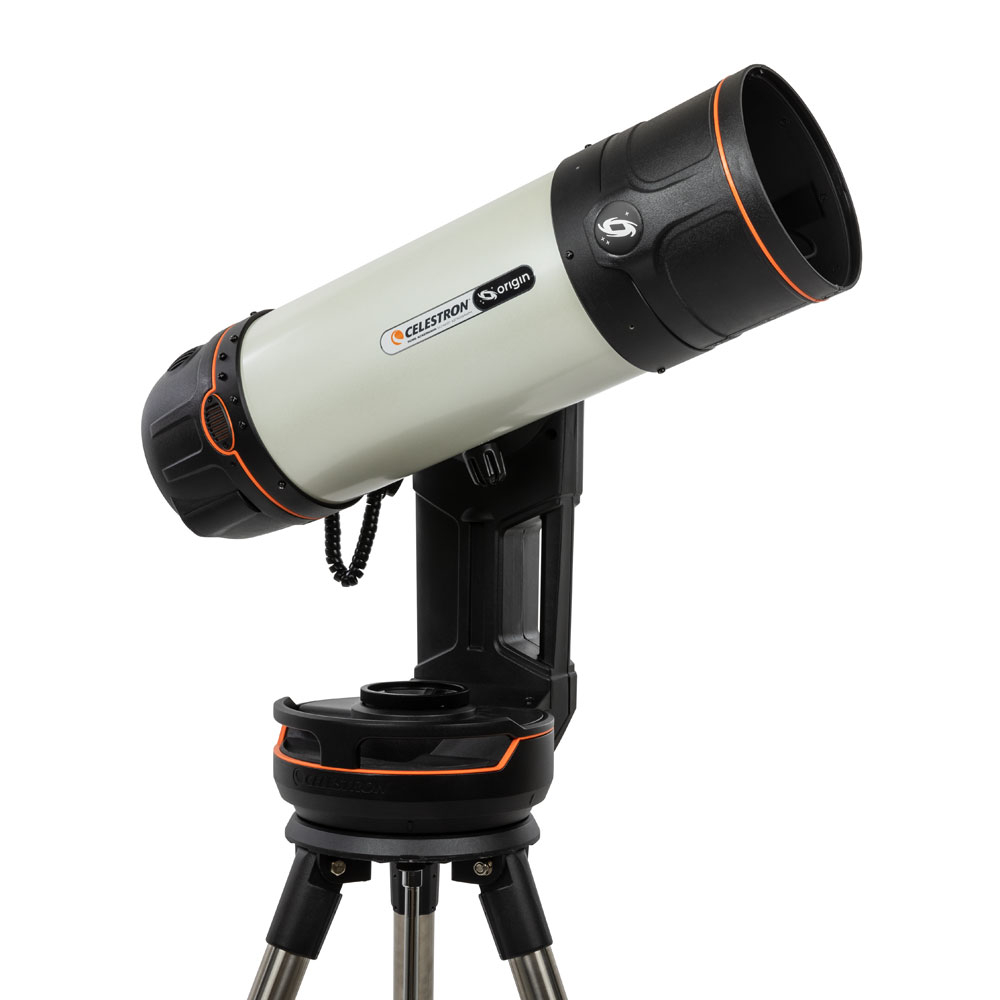
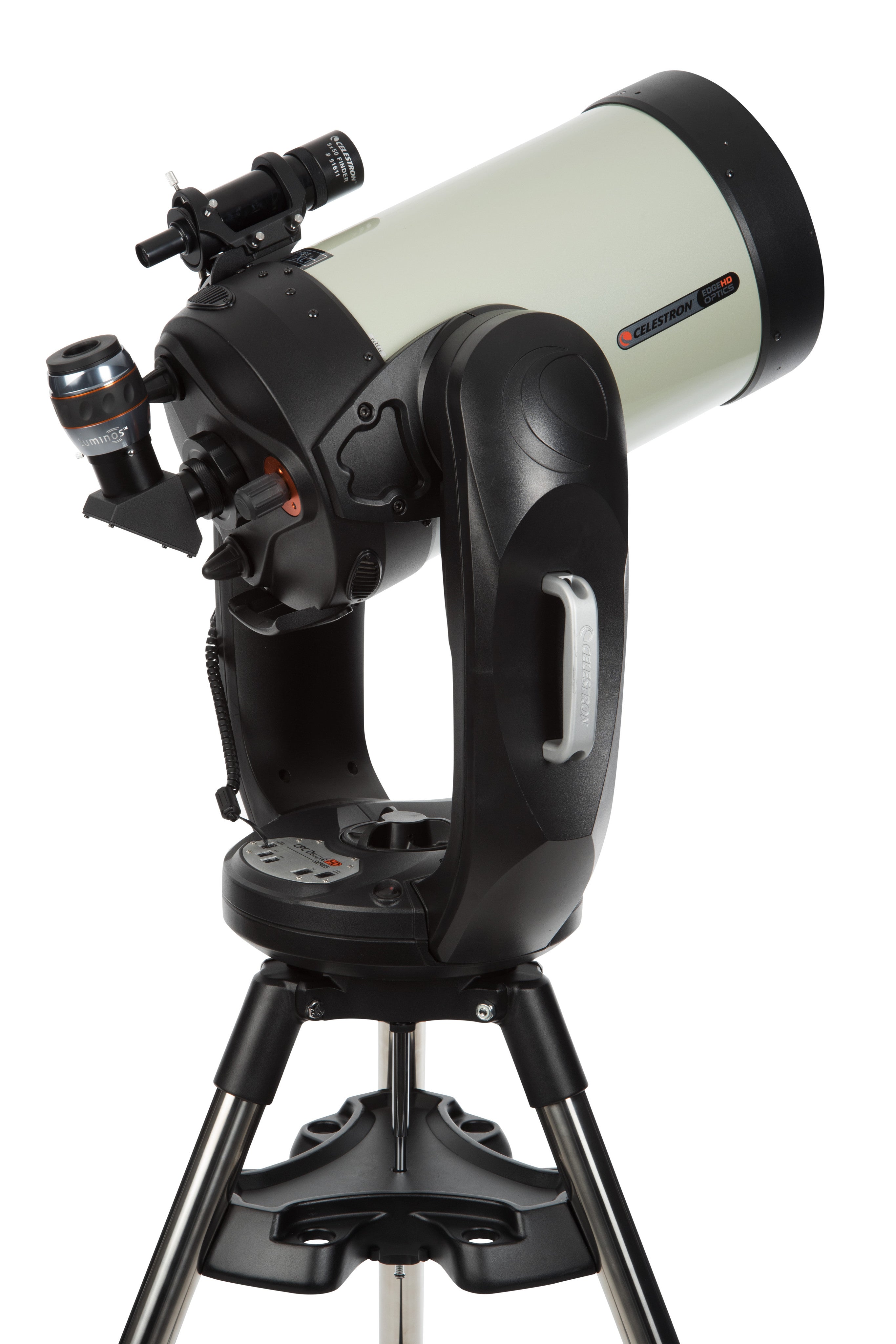
Celestron Origin Mark II Intelligent Home Observatory — image 1
Celestron

Celestron Origin Mark II Intelligent Home Observatory

The most capable smart telescope you can buy: a 6-inch f/2.2 astrograph that pulls detailed deep-sky images from your phone in minutes, but at $4,299 and 42 pounds it is a stay-at-home observatory, not a grab-and-go.

80/ 100
Polaris Score
#1 of 5 premium smart telescopes
See the breakdown ↓
Aperture
152mm
Focal Length
335mm
Focal Ratio
f/2.2
Mount Type
Motorized Alt-Azimuth GoTo
Optical Design
Rowe-Ackermann Schmidt Astrograph (RASA)
Pixel Size
2.0µm
From$4,299

Lowest in 90 daysLowest ever tracked

Price tracked by PolarisObserved 111 timesTracking since Jun 2026

See captured results →
What it's built forOpen these in the simulator →

This telescope was built to capture, not to squint.

Point it, tap a target, and it stacks a live image on your phone — color and faint detail no eyepiece will show you. The trade is simple: the experience lives on a screen, not at an eyepiece.

Fully automated captureStacks live in the app
The view people remember

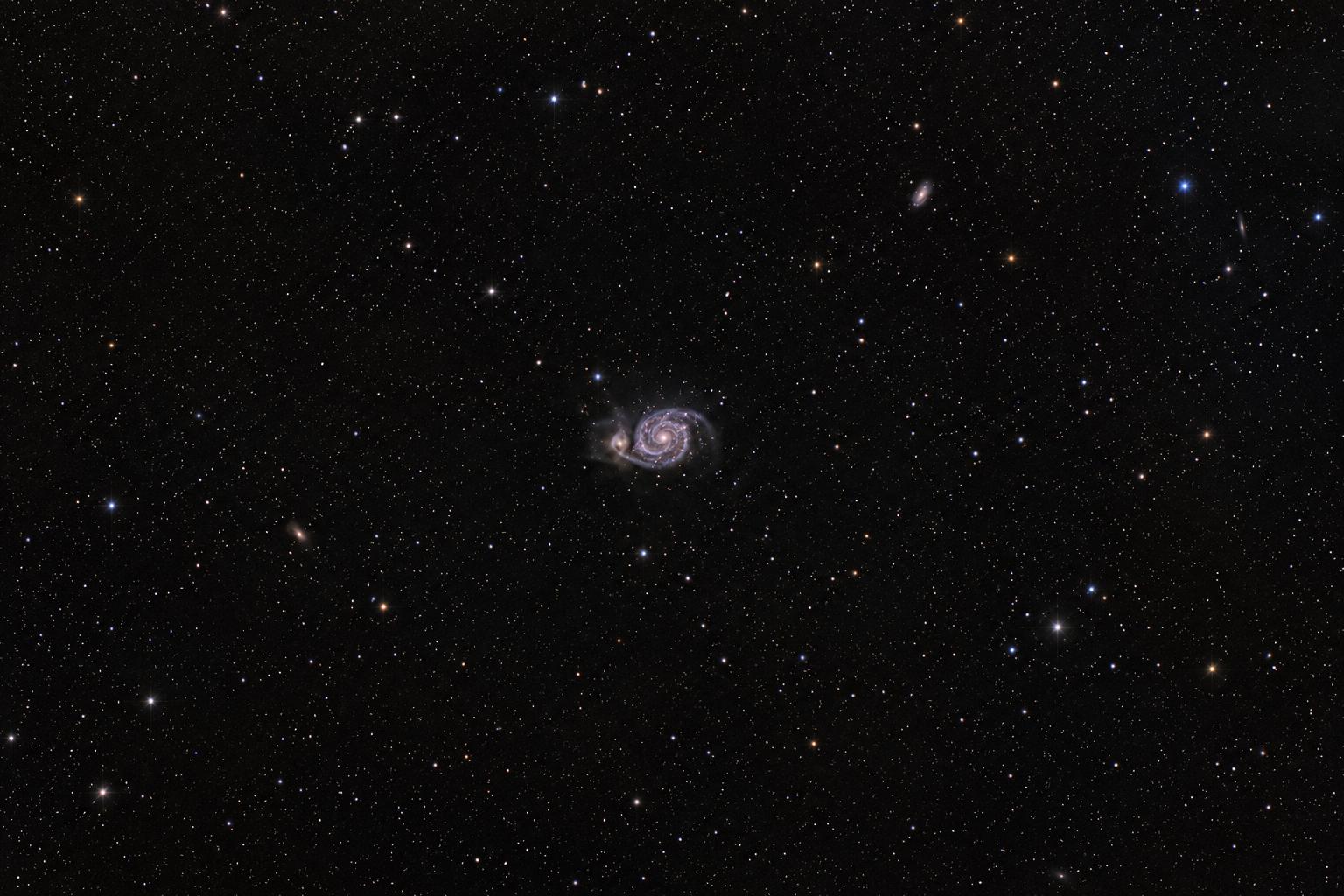
The Whirlpool, and its companion.

A face-on spiral with a smaller galaxy caught at the end of one arm — on a dark night the spiral structure lifts off the sky in a way photographs almost prepare you for.

See Whirlpool Galaxy through this telescope →
01What it's good at

What it's best at — and the trade-offs.

The 152mm f/2.2 RASA optic is genuinely fast, cutting the exposure time to a usable deep-sky image versus slower smart scopes.
Best at
✓The 152mm f/2.2 RASA optic is genuinely fast, cutting the exposure time to a usable deep-sky image versus slower smart scopes.
✓The new Sony IMX678 Starvis 2 sensor (8.4 MP, 2.0 μm pixels, 16:9) improves resolution and low-light performance over the original IMX178.
✓On-board live stacking, plate solving, autofocus, and dew control mean the scope handles the technical workflow for you.
✓The camera is user-replaceable, a real future-proofing decision in a category where most rigs are sealed and disposable.
✓Alt-az GoTo with a sturdy tripod gives quick, repeatable setup without the polar-alignment ritual of a traditional imaging rig.
Trade-offs
!Alt-azimuth mounting means field rotation caps individual sub-exposures, limiting it on the faintest targets versus an equatorial rig.
!The 335mm focal length is wide-field by design, small galaxies and planets stay tiny; it is not an all-around scope.
!Roughly 42 pounds in three parts and a wide tripod footprint make it awkward to move and store; portability is poor.
!Six hours of battery life can fall short of a full imaging night without an external power bank.
!At $4,299 it costs many multiples of capable entry smart scopes, and the value only makes sense if you image often.
02In plain English

What These Numbers Mean

152mm · f/2.2 · 335mm FL · Motorized Alt-Azimuth GoTo
Aperture
152 mm (6 inch)
Six inches is very large for an all-in-one smart telescope, where 50 to 80 mm is the norm. Combined with the fast optics it collects enough light to build a recognisable image of a faint galaxy in minutes rather than hours.
Focal length
335 mm
Short focal length with large aperture gives a wide field and a bright image at once. Nebulae, clusters and larger galaxies frame comfortably; small planetary nebulae and the planets are not what this system is built for.
Focal ratio
f/2.2
Exceptionally fast. An f/2.2 system gathers light roughly twenty times faster per pixel than an f/10 SCT, which is why usable images appear on the screen within seconds of it starting to observe.
Optical design
Rowe-Ackermann Schmidt Astrograph (RASA)
The RASA places the camera at the front of the tube in a very fast, flat-field imaging system with no eyepiece at all. It is a pure imaging design, so there is nothing to look through: the experience happens on your phone or tablet.
Weight
18.9 kg complete
About 42 lb including the mount and tripod, which is heavy for a portable smart telescope. It suits a fixed backyard spot or a short carry rather than travelling in a backpack.
Mount
Integrated alt-azimuth GoTo with onboard processing
The mount, camera, dew heater and image processing computer are one sealed system that aligns itself and stacks live. You choose a target and watch it appear, which is a fundamentally different experience from operating a traditional imaging rig.
03The Polaris Score

How it scores, and why.

80/100 · #1 of 5 premium smart telescopes
80/ 100
Celestron Origin Mark II Intelligent Home Observatory
#1 of 5 premium smart telescopes
Performance
85
Ease of use
90
Portability
45
Upgrade potential
75

Polaris weighs optical capability, how easy the scope is to live with, how portable it is, and how far it takes you before you outgrow it — not list price or brand.

04Who it's for

An honest fit check.

Imagers who want true astrograph-grade deep-sky results without learning polar alignment…
Buy it if you
✓Imagers who want true astrograph-grade deep-sky results without learning polar alignment, guiding, or stacking software.
✓Buyers who value the f/2.2 RASA optics that gather light far faster than the small refractors in cheaper smart scopes.
✓People who will set it up on a deck, patio, or fixed pad and image from indoors rather than carry it to dark sites.
✓Existing Origin owners, since the Mark II's camera is user-replaceable and the 678C can be bought as a standalone upgrade.
Look elsewhere if you
!Anyone on a budget, a ZWO Seestar S50 or S30 delivers 80% of the experience for under a tenth of the price.
!Backpackers and travelers; at 41.6 lb total across OTA, mount head, and tripod, this is not a grab-and-go instrument.
!Visual observers who want to look through an eyepiece, there is none; everything is mediated through the app.
!Planetary and lunar specialists, since the short 335mm focal length yields a tiny image scale on the Moon and planets.
05The numbers

Full specifications.

10 measured and stated values
Optics
Optical DesignRowe-Ackermann Schmidt Astrograph (RASA)
Aperture152mm
Focal Length335mm
Focal Ratiof/2.2
Mount & drive
Mount TypeMotorized Alt-Azimuth GoTo
Physical
Weight18.9 kg
Imaging
Pixel Size2.0µm
Sensor Width7.71mm
Sensor Height4.36mm
More
SensorSony IMX678
06Alternatives

For a different goal, start here.

3 alternatives, each mapped to the goal it wins at
Save money

Celestron Origin (original, #12099)

Same optics and mount with the older IMX178 camera; often cheaper, and you can add the 678C camera later.
More portable

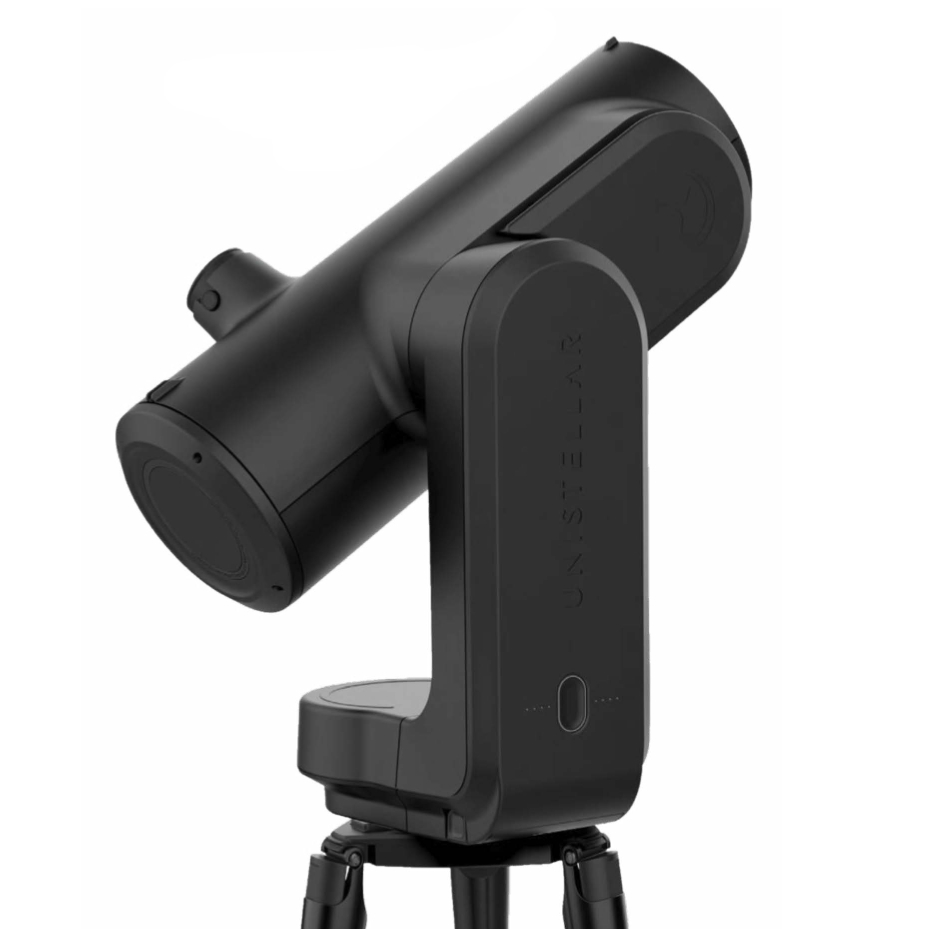
Unistellar Odyssey Pro

Lighter, more travel-friendly smart scope with a polished app and Nikon-tuned eyepiece, though slower optics and a smaller aperture.

→
Design-forward

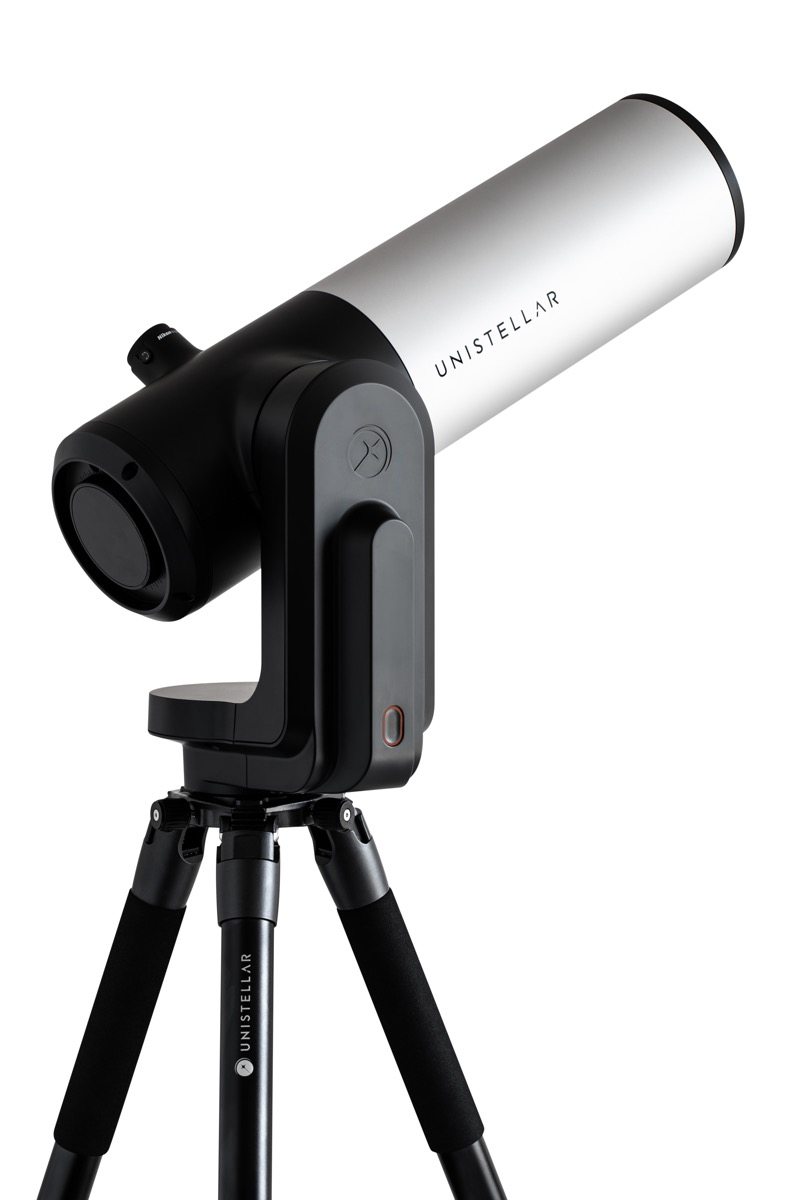
Vaonis Vespera Pro

Compact, beautiful, and far easier to carry, trading the Origin's light-gathering and resolution for true grab-and-go convenience.
Also worth comparing

The replaceable-camera architecture and proven RASA optics mean this stays relevant longer than sealed smart scopes, but it remains a dedicated wide-field imager rather than a do-everything instrument you grow into.