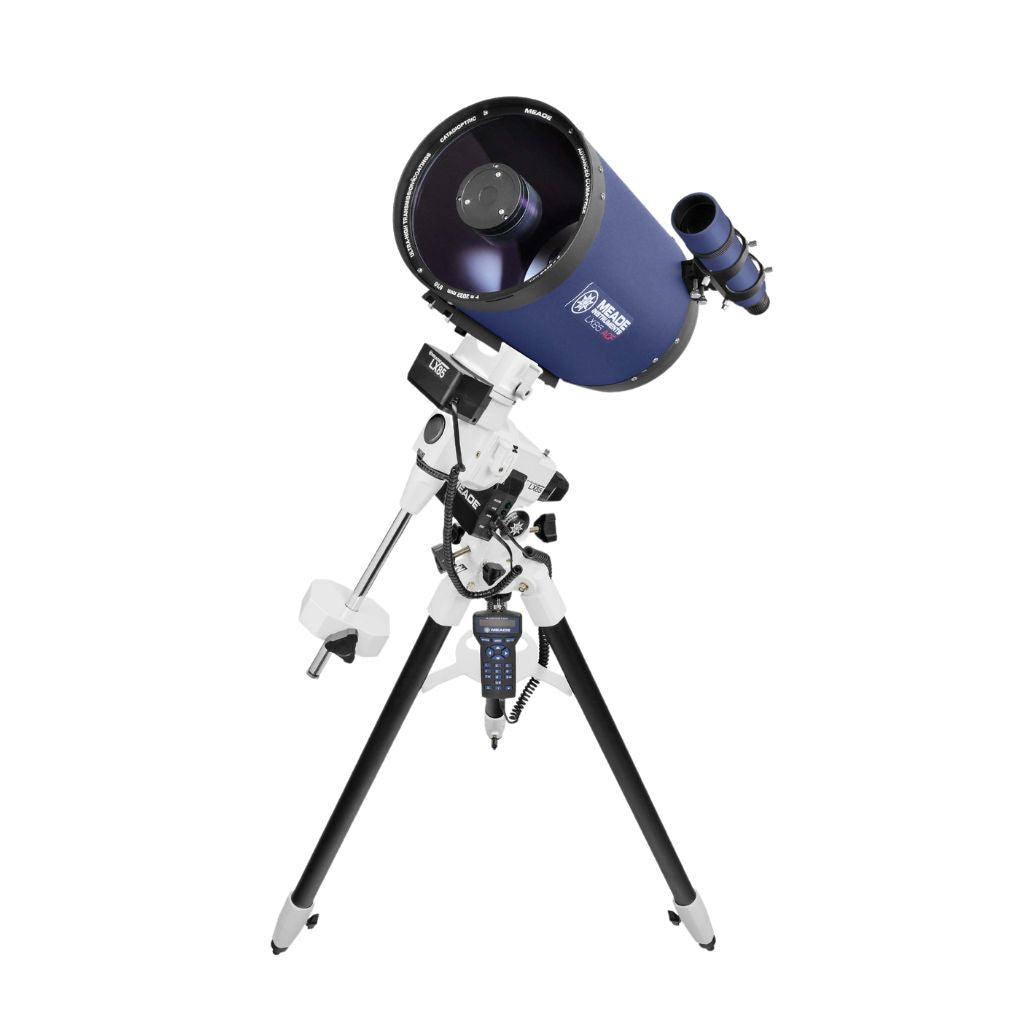
Meade LX85 8-inch ACF — image 1
Meade

Meade LX85 8-inch ACF

No longer sold

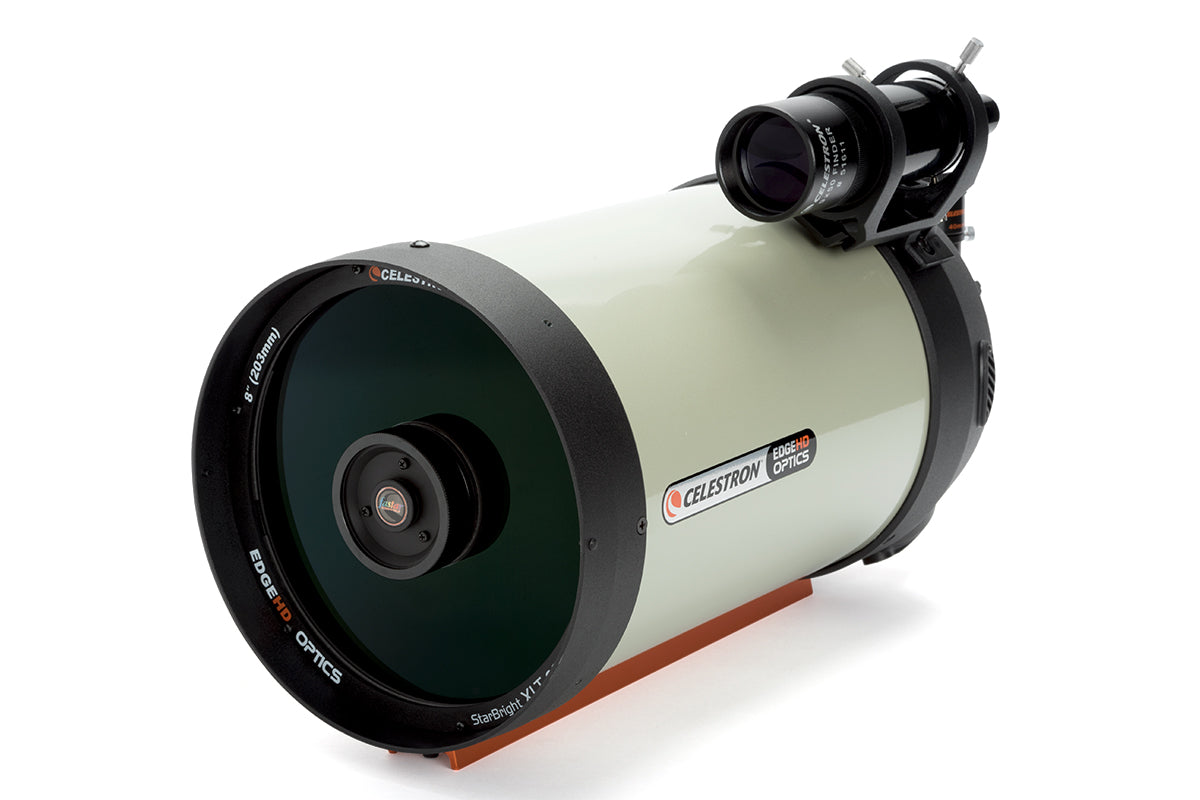
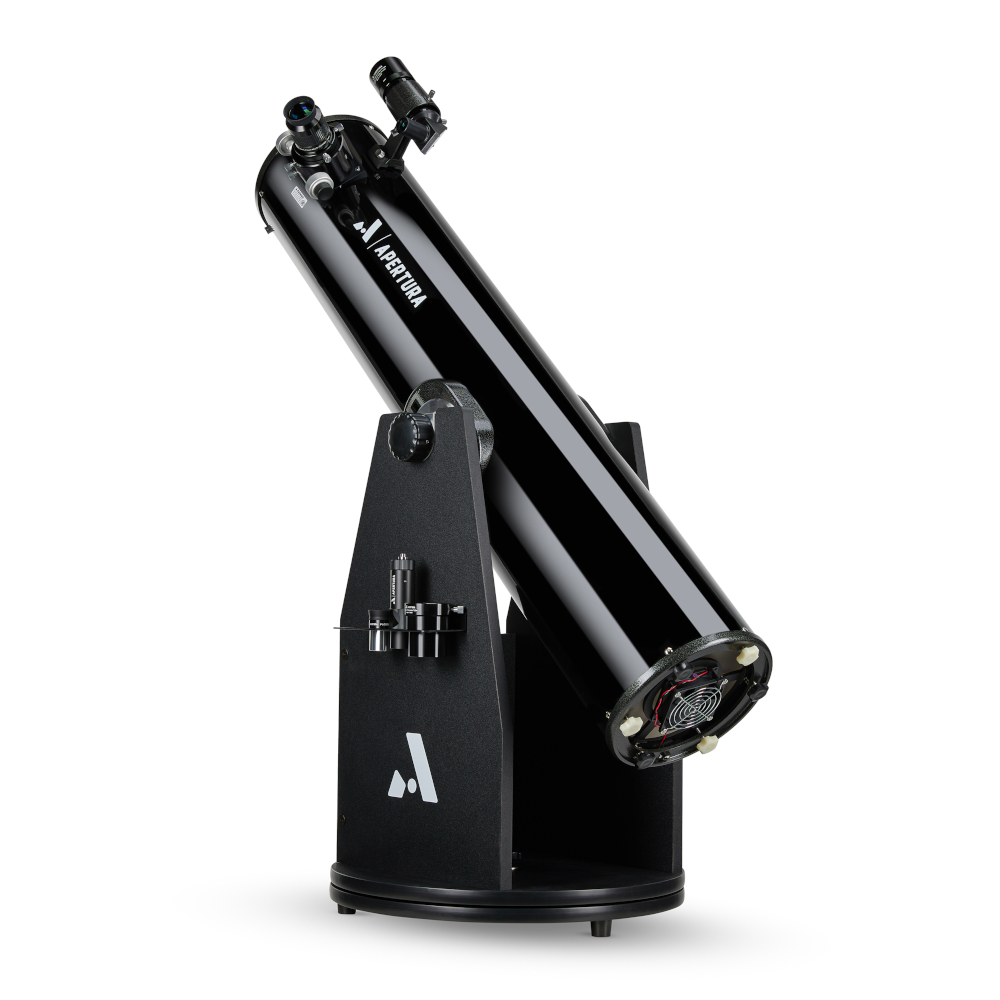
An 8-inch Advanced Coma-Free tube on a German equatorial GoTo mount, a complete package aimed at the observer who wants aplanatic optics and a tracking equatorial platform in one buy.

83/ 100
Polaris Score
#2 of 6 8-inch imaging SCT package
See the breakdown ↓
Aperture
203mm
Focal Length
2032mm
Focal Ratio
f/10
Mount Type
German Equatorial GoTo
Optical Design
Schmidt-Cassegrain (ACF)
Weight
20.9 kg
Try in simulator →
No longer sold

Discontinued by the manufacturer (per Agena Astro). We keep the page for reference — see current alternatives below.

See alternatives ↓


What it's built forOpen these in the simulator →

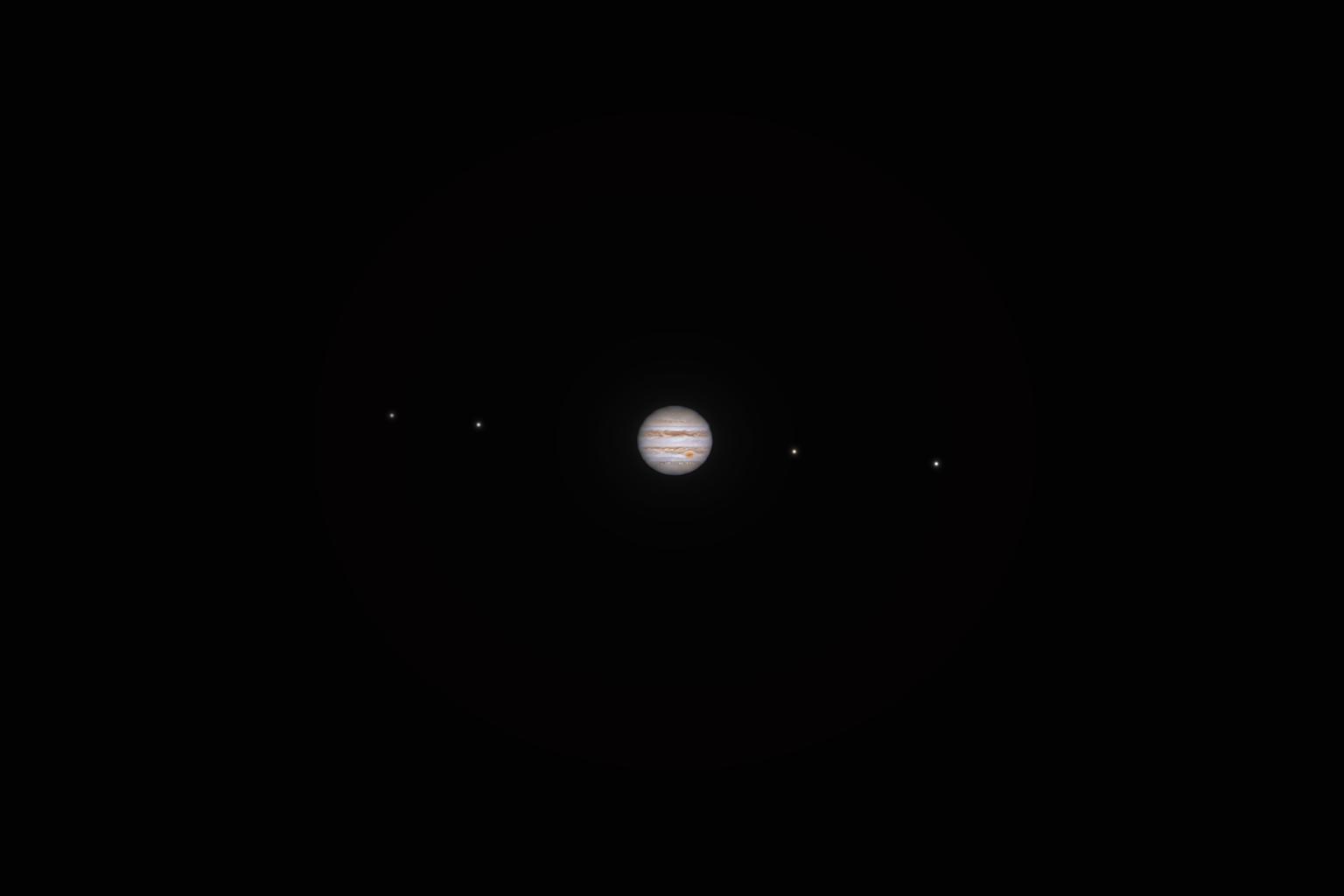
This telescope lives for the planets.

An f/10 focal length built to magnify. Where fast scopes sweep wide, this one holds a single planet rock-steady at high power — a telescope for the patient observer on a steady night.

Sweet spot 150–250×Loves steady seeing
01What it's good at

What it's best at — and the trade-offs.

Meade's ACF optics correct coma like a Ritchey-Chretien, keeping stars sharp across the field for both visual use and imaging
Best at
✓Meade's ACF optics correct coma like a Ritchey-Chretien, keeping stars sharp across the field for both visual use and imaging
✓The LX85 German equatorial mount tracks on a single driven axis, the right foundation for deep-sky astrophotography that a fork alt-az cannot match
✓203mm at 2032mm reaches high magnification on planets while gathering enough light for many deep-sky objects
✓It arrives as a complete, aligned-and-tracking system rather than a bare tube needing a mount sourced separately
Trade-offs
!The complete package is heavy and the equatorial mount takes real setup each night
!f/10 is slow for deep-sky imaging without a focal reducer
!The corrector plate dews and the closed tube needs time to cool
!Balancing and polar-aligning an EQ mount is a learning curve for newcomers
02In plain English

What These Numbers Mean

203mm · f/10 · 2032mm FL · German Equatorial GoTo
Aperture
203 mm (8 inch)
Eight inches gathers around 840 times the light of your eye. That is enough to resolve globular clusters, show dust lanes in the brighter galaxies, and hold detail on Jupiter and Saturn at high magnification.
Focal length
2032 mm
Two metres of focal length naturally favours planets, the Moon, double stars and compact deep-sky objects. Large nebulae need a focal reducer or a shorter telescope entirely.
Focal ratio
f/10
Slow optics: high magnification comes easily and eyepieces are forgiving, but deep-sky imaging means long exposures and precise guiding at a demanding focal length.
Optical design
Advanced Coma-Free Cassegrain
The ACF layout corrects the coma that a standard Schmidt-Cassegrain shows away from centre, so stars stay tighter across the field. It is Meade's answer to the same problem Celestron addresses with EdgeHD.
Weight
18 kg complete
About 40 lb across tube, mount head, counterweights and tripod. It breaks into manageable pieces, but assembling it is a deliberate routine rather than a two-minute job.
Mount
LX85 German equatorial GoTo
A tracking equatorial with GoTo and an autoguider port, so it follows targets without field rotation and supports real long-exposure imaging. Keep the imaging train light: an 8 inch SCT is near the practical limit for this mount class.
03The Polaris Score

How it scores, and why.

83/100 · #2 of 6 8-inch imaging SCT package
83/ 100
Meade LX85 8-inch ACF
#2 of 6 8-inch imaging SCT package
Performance
88
Ease of use
70
Portability
40
Upgrade potential
80

Polaris weighs optical capability, how easy the scope is to live with, how portable it is, and how far it takes you before you outgrow it — not list price or brand.

04Who it's for

An honest fit check.

Observers who want an imaging-capable SCT on a proper equatorial mount from the start
Buy it if you
✓Observers who want an imaging-capable SCT on a proper equatorial mount from the start
✓People ready to grow into deep-sky astrophotography
✓Visual observers who want flat, sharp fields on clusters and the Moon
Look elsewhere if you
!Anyone needing a light, grab-and-go scope, since the tube plus EQ mount is heavy
!Pure beginners who would find equatorial setup and balancing fiddly
!Wide-field fans, since f/10 and 2032mm give a narrow field
05Build your rig

What to buy next — and where it leads.

6 pieces of gear, ordered by what changes the view most
Recommended upgrades
See wider, brighter deep-sky views★ Top pickExplore Scientific 68deg 28mm 2-inch
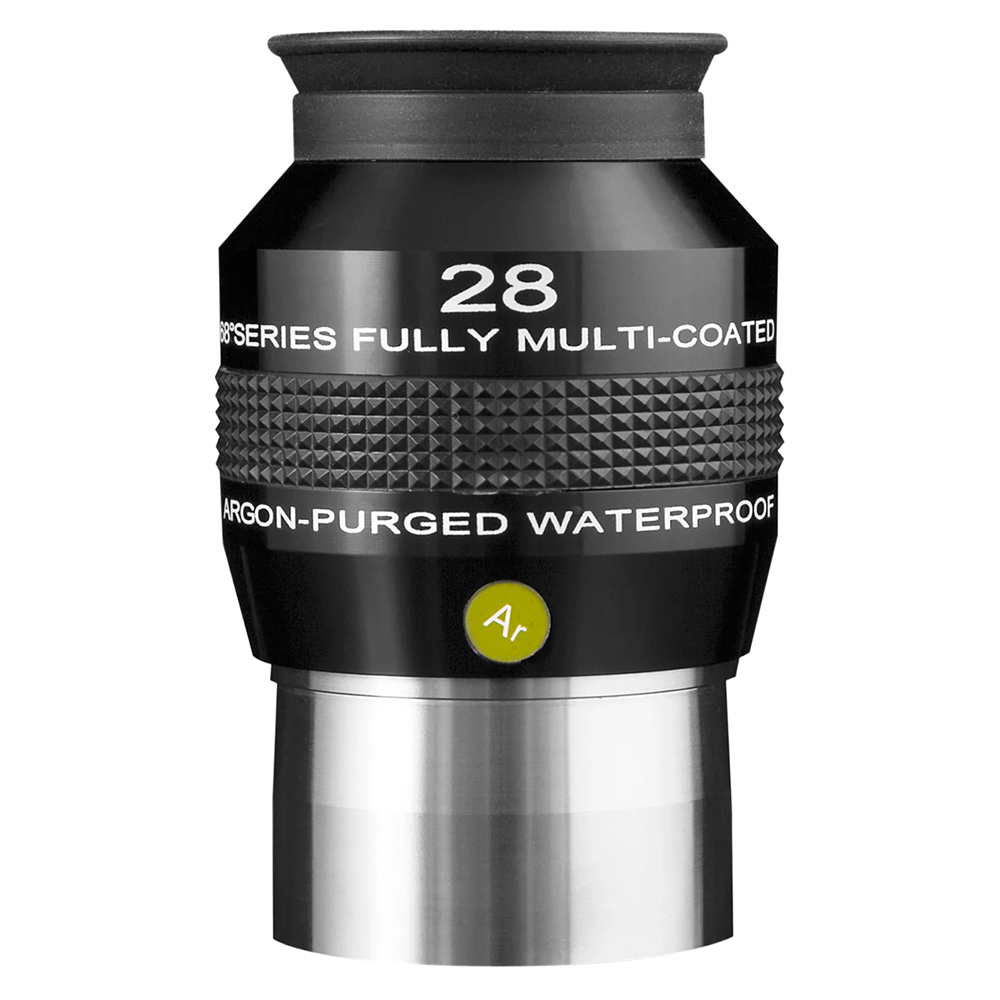
Recovers the widest true field this long f/10 tube can show

Observe all night, no AA batteriesTele Vue 2.5x Powermate
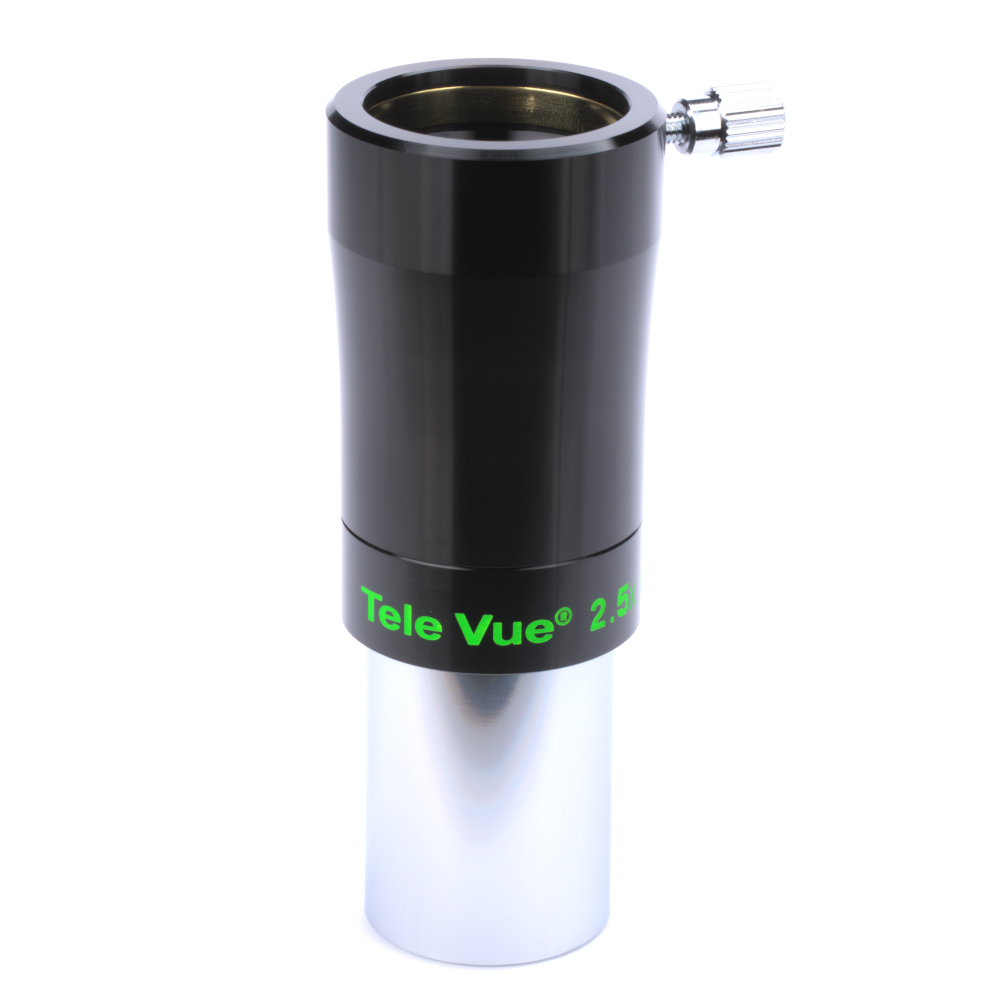
Clean high-power reach for planetary and lunar detail

No fogging on long sessionsPegasus Astro Multi-Channel Dew Controller
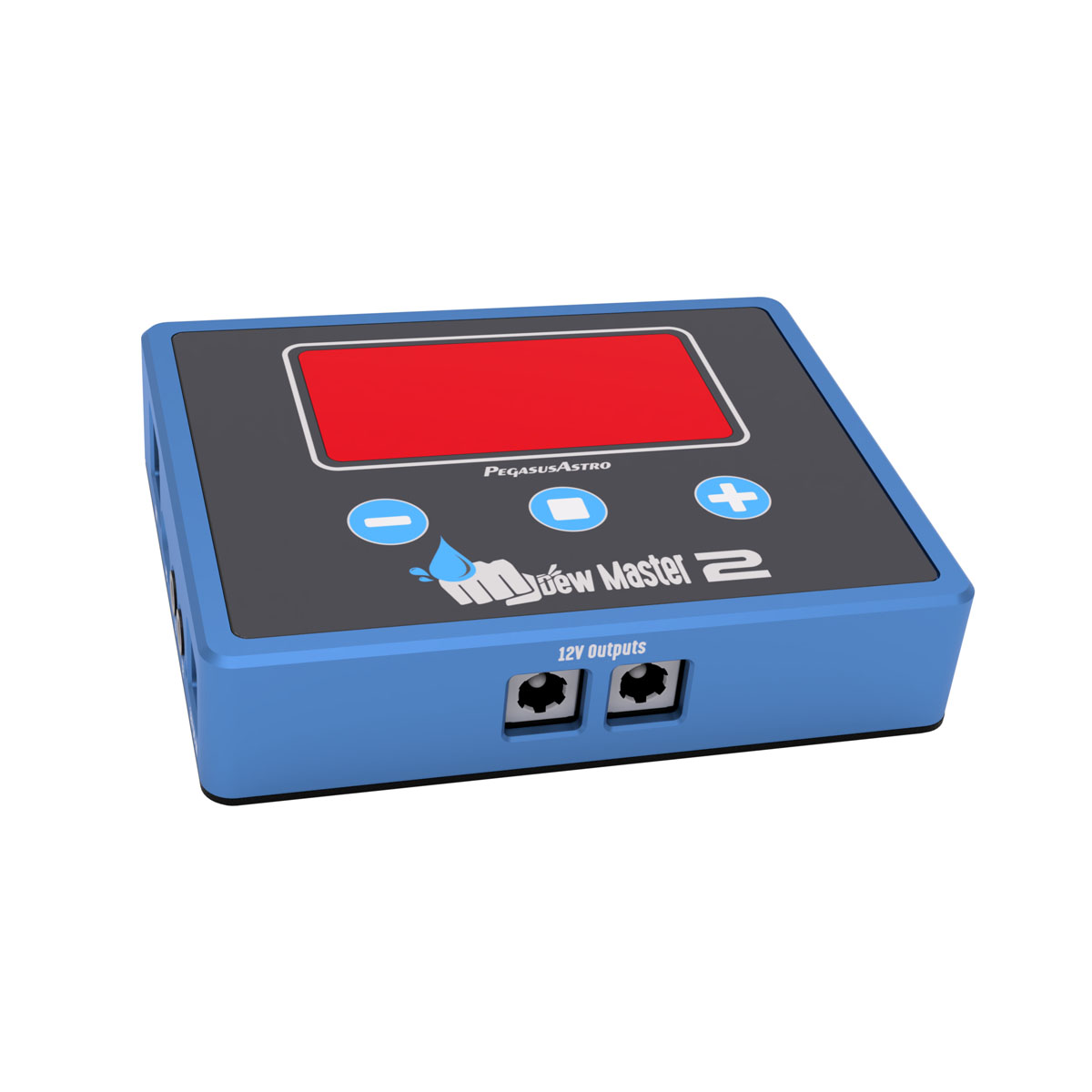
Stops the corrector plate fogging on humid nights

Imaging path
Visual observing tonightGerman Equatorial GoTo✓ Included

Ships with this telescope — point-and-track for visual sessions, no extra setup.

Portable astrophotographyZWO AM5N Harmonic Equatorial Mount✓ Compatible

Start capturing images of the Moon and planets

Permanent-setup astrophotographySky-Watcher EQ6-R Pro✓ Compatible
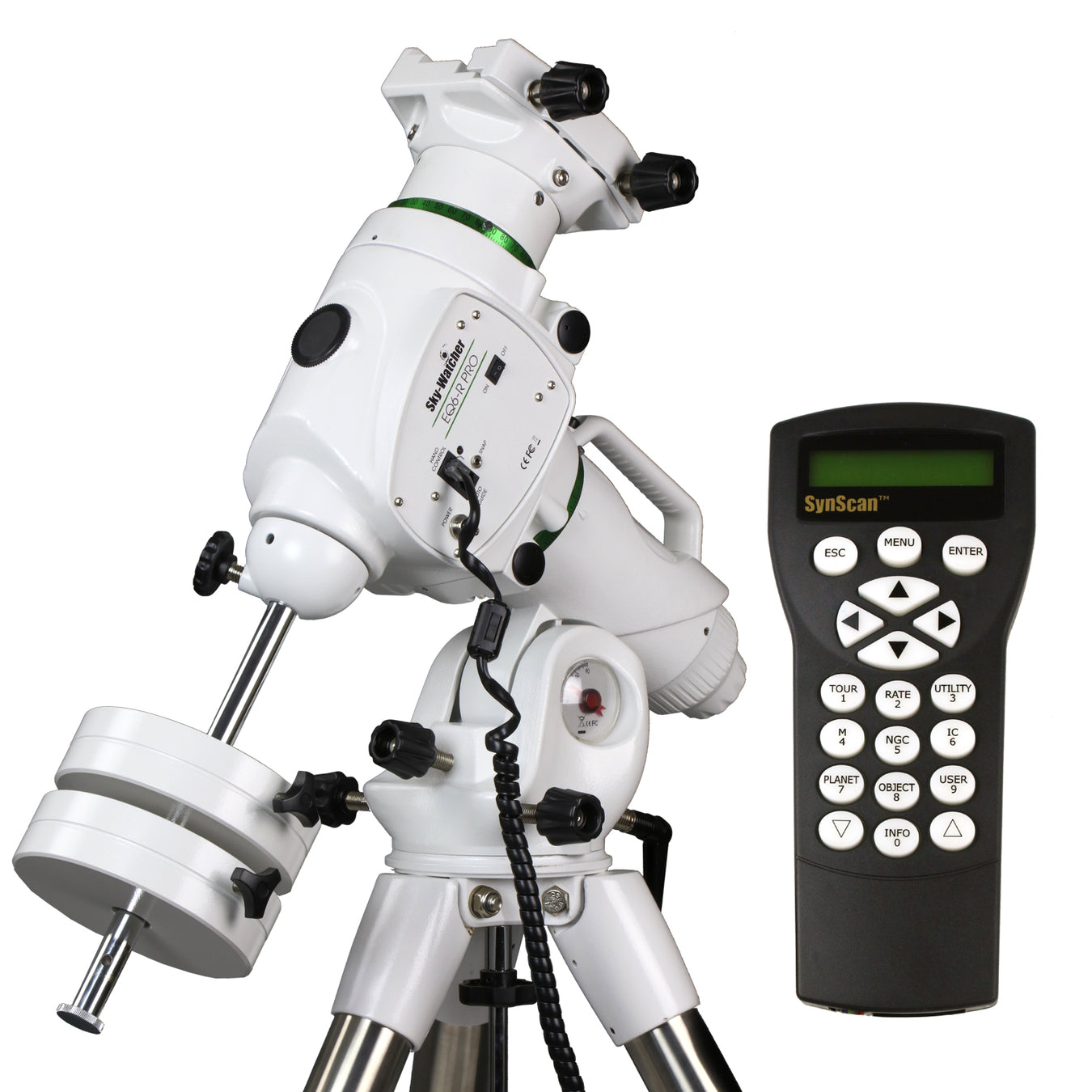
Commonly paired with this telescope

Start imagingZWO ASI662MC
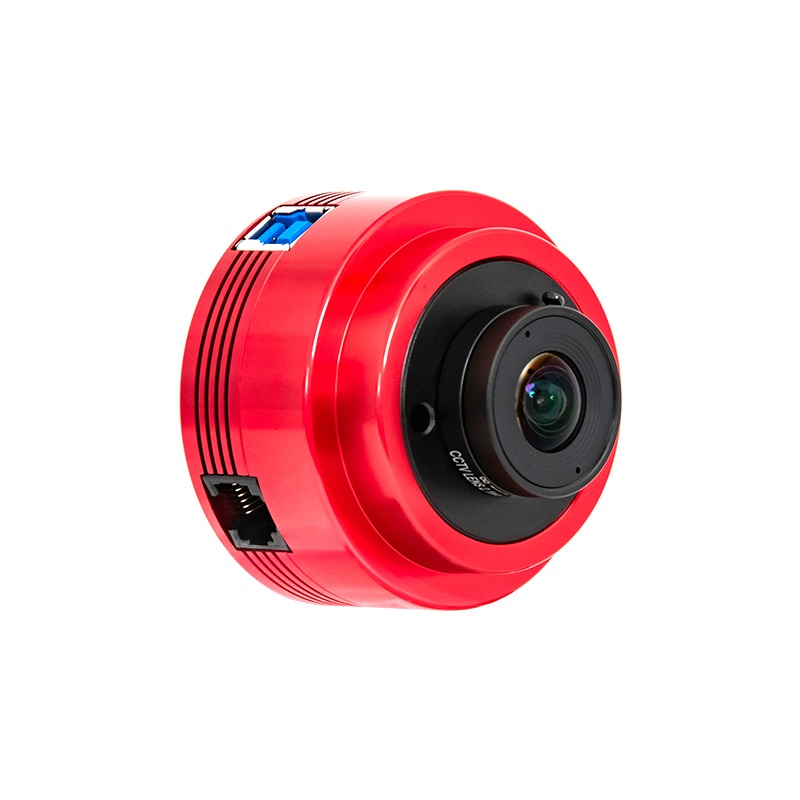
Start capturing images of the Moon and planets

Lunar & planetary
Excellent
Deep-sky imaging
Capable with a reducer
Visual observing
Strong all-rounder
06The numbers

Full specifications.

6 measured and stated values
Optics
Optical DesignSchmidt-Cassegrain (ACF)
Aperture203mm
Focal Length2032mm
Focal Ratiof/10
Mount & drive
Mount TypeGerman Equatorial GoTo
Physical
Weight20.9 kg