Sharpstar SCA260 V2 Aspherical Cassegrain Astrograph — image 1
Sharpstar

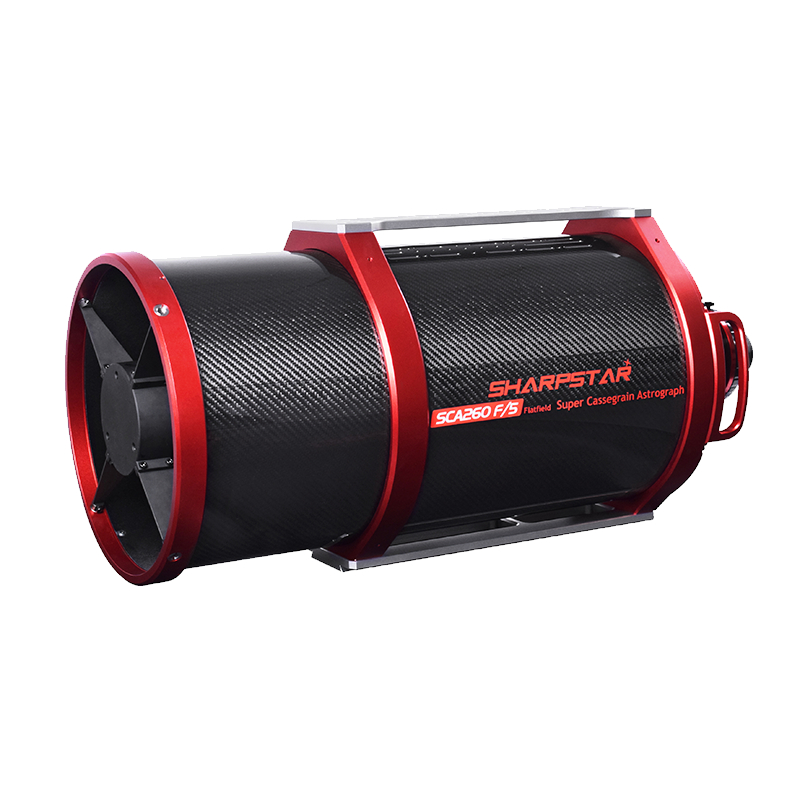
Sharpstar SCA260 V2 Aspherical Cassegrain Astrograph

A 260mm f/5 aspherical Cassegrain astrograph that packs 10 inches of fast imaging aperture into a short tube, for the deep-sky imager who wants reflector light-grasp with a flat, corrected field.

89/ 100
Polaris Score
#1 of 3 large imaging Cassegrain
See the breakdown ↓
Aperture
260mm
Focal Length
1300mm
Focal Ratio
f/5
Mount Type
None (OTA only)
Optical Design
Aspherical Cassegrain Astrograph
Weight
13 kg
From$4,615

Lowest in 90 daysLowest ever tracked

Price tracked by PolarisObserved 52 timesTracking since Mar 2026

Try in simulator →
What it's built forOpen these in the simulator →

This telescope was built for the camera.

A fast f/5 astrograph designed to throw a wide, flat, well-corrected field onto a sensor. It is an optical tube first — give it a tracking mount and a camera and it rewards long exposures, not eyepieces.

f/5 — built to imageNeeds a tracking mount
The view people remember

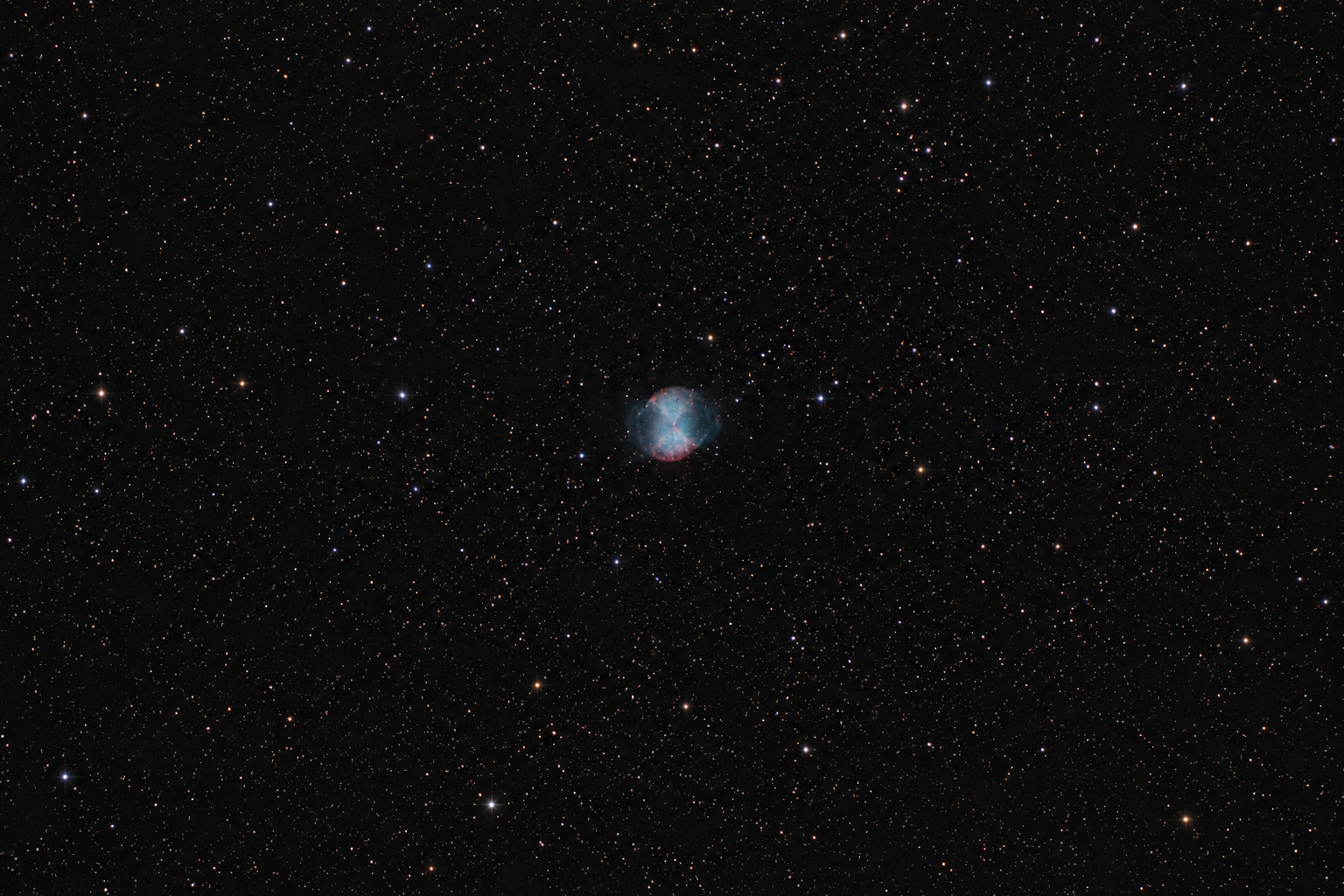
The Dumbbell, an hourglass of gas.

The brightest planetary nebula in the sky — a fat, glowing apple-core shape that takes magnification well and only gets richer with aperture.

See The Dumbbell through this telescope →
01What it's good at

What it's best at — and the trade-offs.

260mm of aperture at f/5 gathers light fast, reaching faint galaxies and nebulae that a small refractor cannot
Best at
✓260mm of aperture at f/5 gathers light fast, reaching faint galaxies and nebulae that a small refractor cannot
✓The aspherical Cassegrain design folds a long imaging system into a short, transportable tube
✓A corrected, flat field keeps stars sharp across large sensors for serious deep-sky imaging
✓It delivers big-aperture imaging performance at a fraction of the cost of a comparable apo
Trade-offs
!At 13kg it needs a large, high-capacity equatorial mount
!Fast Cassegrain optics require careful collimation and precise back-focus
!As an OTA it needs a mount, camera and guiding to produce results
!The central obstruction and design make it an imaging tube, not a visual one
02In plain English

What These Numbers Mean

260mm · f/5 · 1300mm FL
Aperture
260 mm
Over ten inches of aperture aimed at a camera. That light grasp combined with a fast focal ratio is what makes faint galaxy halos and dim narrowband structure achievable in single nights rather than seasons.
Focal length
1300 mm
Long enough for serious galaxy and planetary nebula work, where image scale determines how much detail survives processing. It also means guiding and mount performance become the limiting factors.
Focal ratio
f/5
Fast for this aperture and focal length, which is the whole argument for the design: it collects light four times faster per pixel than an f/10 SCT of similar size. Focus and tilt tolerances are correspondingly tight.
Optical design
Aspherical Cassegrain astrograph
An aspherical primary and matched corrector produce a flat, well corrected field at f/5 in a compact tube, without the coma a fast Newtonian shows. It rewards careful collimation and a stable imaging train, so it is a telescope for experienced imagers.
Weight
13 kg tube
About 29 lb before camera, filter wheel and guiding. Assembled, this rig sits in the 18 kg range and is a two-hands, planned lift rather than something you move casually.
Mount
OTA only
No mount included, and at 1300 mm the mount sets the ceiling on your results. A heavy equatorial in the 25 kg class with well tuned guiding is the realistic requirement.
03The Polaris Score

How it scores, and why.

89/100 · #1 of 3 large imaging Cassegrain
89/ 100
Sharpstar SCA260 V2 Aspherical Cassegrain Astrograph
#1 of 3 large imaging Cassegrain
Performance
95
Ease of use
60
Portability
40
Upgrade potential
80

Polaris weighs optical capability, how easy the scope is to live with, how portable it is, and how far it takes you before you outgrow it — not list price or brand.

04Who it's for

An honest fit check.

Experienced deep-sky imagers who want large, fast aperture
Buy it if you
✓Experienced deep-sky imagers who want large, fast aperture
✓People chasing faint galaxies and nebulae that need light grasp
✓Imagers with a heavy mount ready to carry it
Look elsewhere if you
!Beginners, since a fast Cassegrain astrograph is demanding to collimate and guide
!Visual observers, since this is an imaging instrument
!Anyone without a heavy, accurate mount
05Build your rig

What to buy next — and where it leads.

6 pieces of gear, ordered by what changes the view most
Recommended upgrades
No fogging on long sessions★ Top pickPegasus Astro Multi-Channel Dew Controller
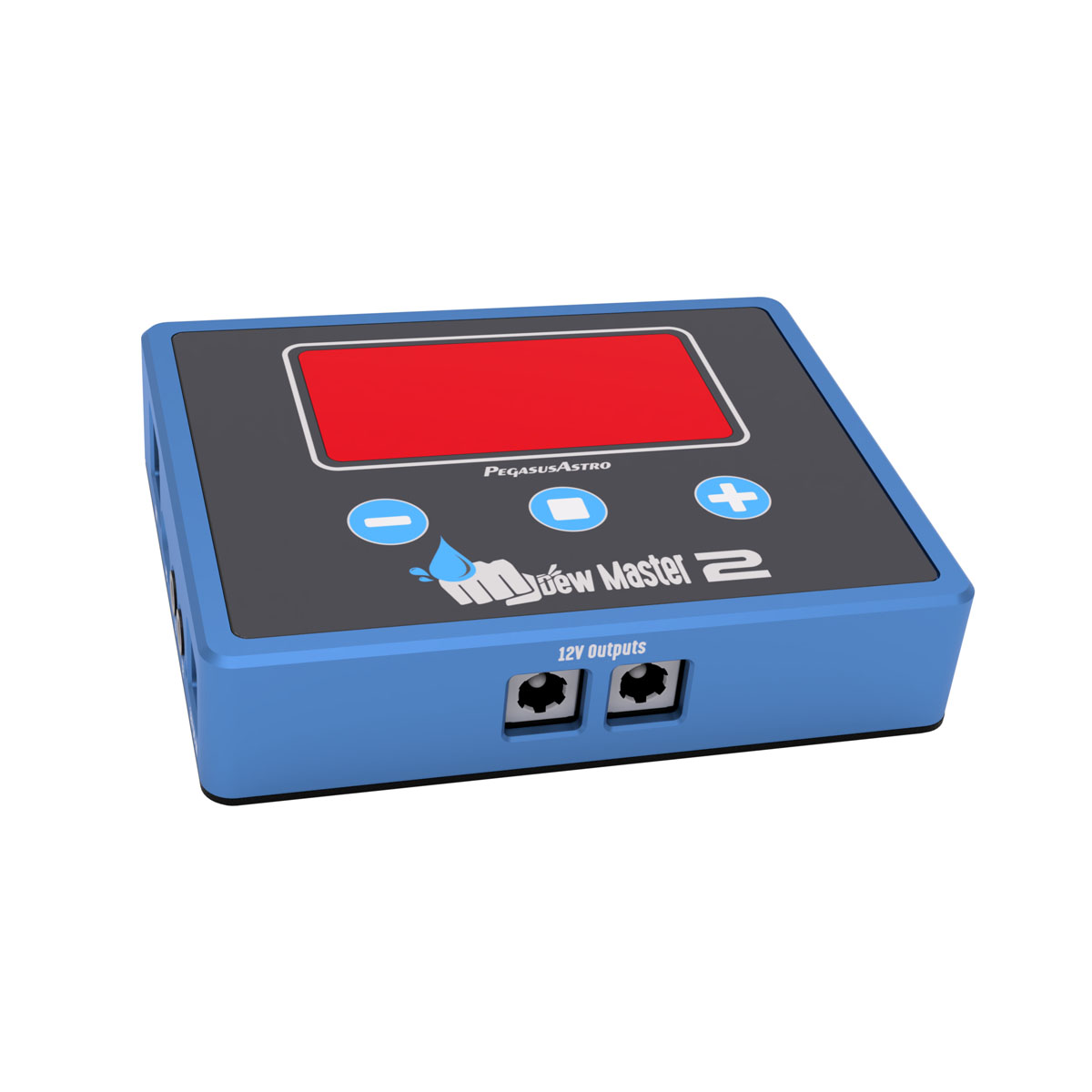
Keeps the large optics clear across a full imaging night

Make nebulae popOptolong UHC Filter 2″
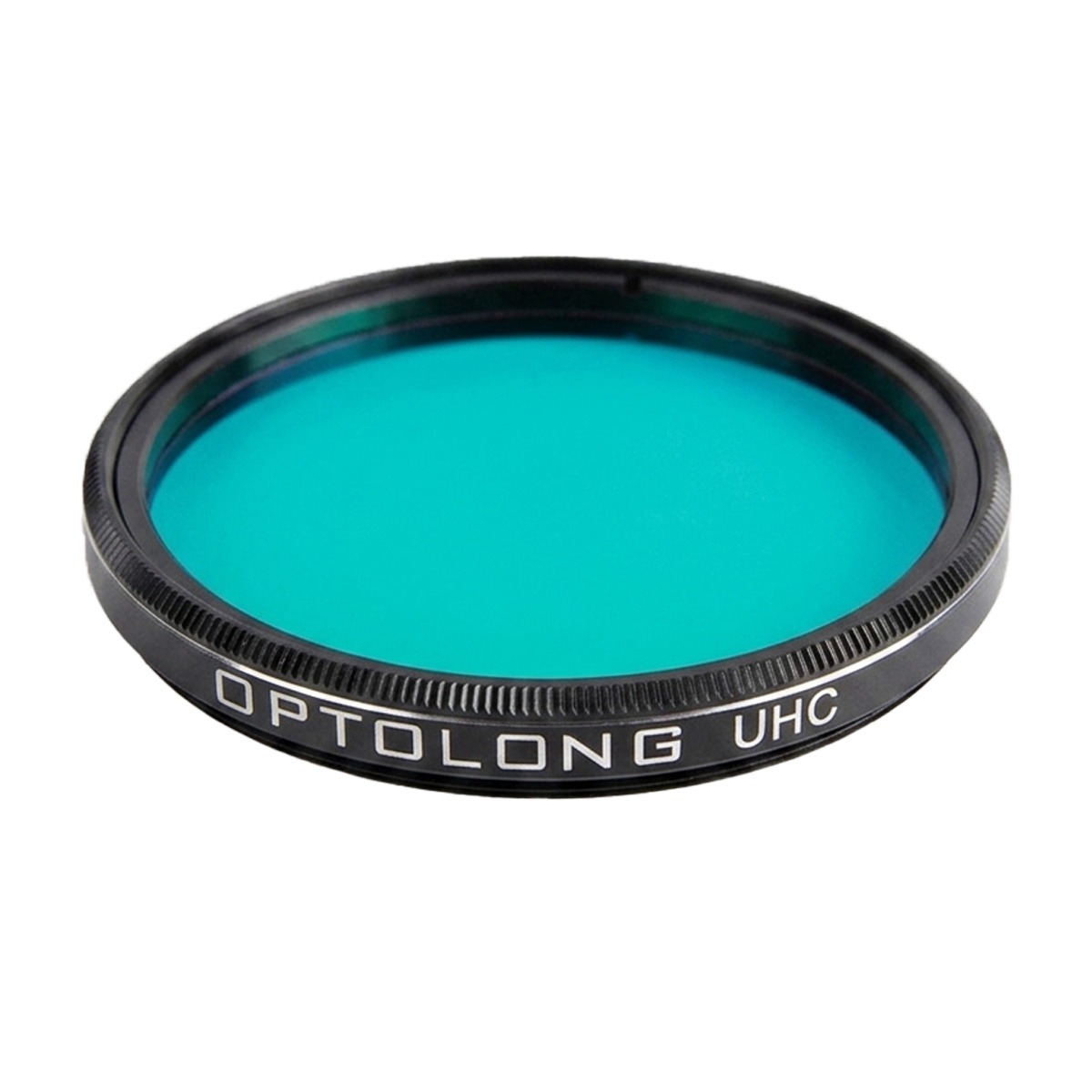
Boosts nebula contrast for imaging under light pollution

Observe all night, no AA batteriesCelestron PowerTank Lithium
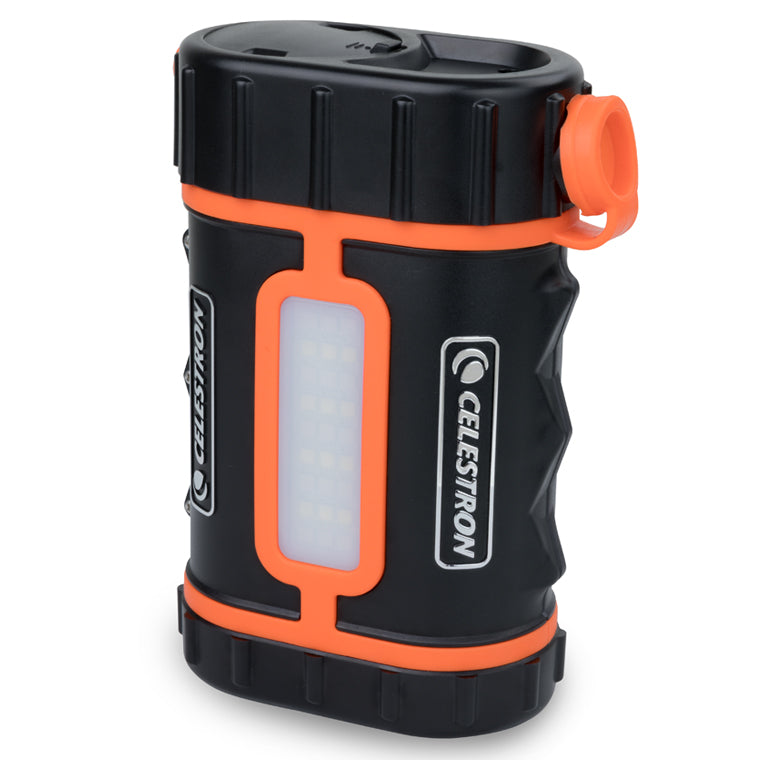
Runs the mount, camera and dew heater away from mains power

Imaging path
Portable astrophotographyZWO AM5N Harmonic Equatorial Mount✓ Compatible

Start capturing images of the Moon and planets

Permanent-setup astrophotographySky-Watcher EQ6-R Pro✓ Compatible
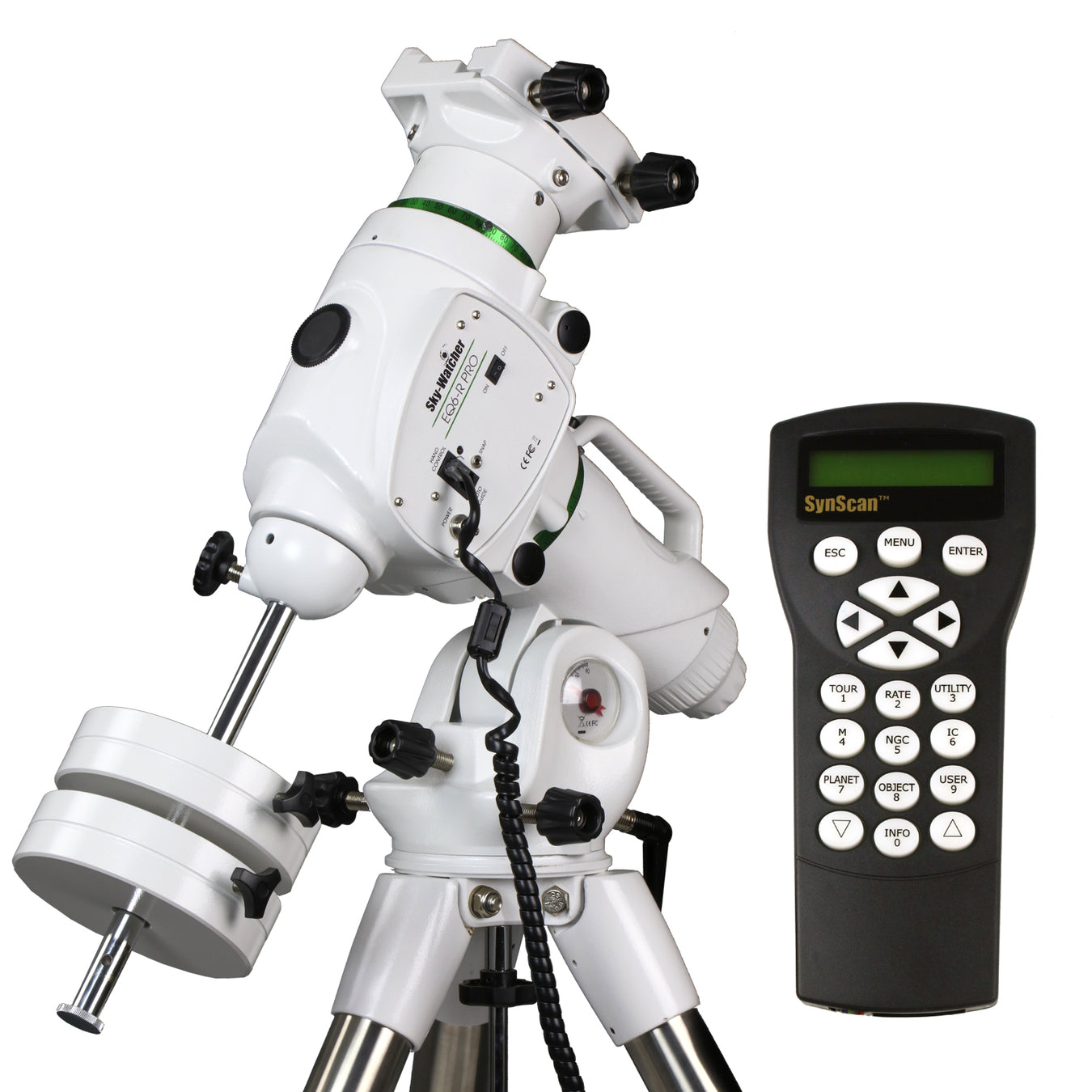
Commonly paired with this telescope

Start imagingZWO ASI2600MC Pro
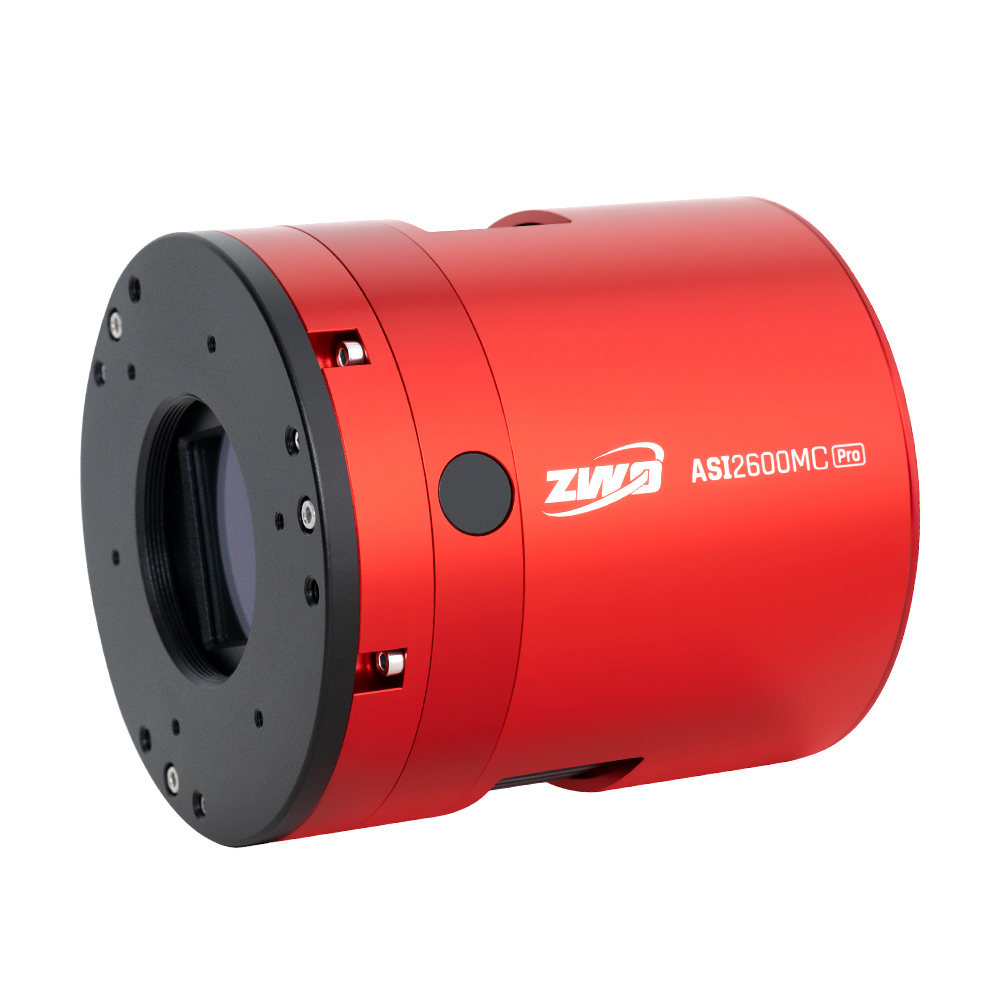
Start capturing images of the Moon and planets

Wide-field deep-sky imaging
Excellent, flat field
Lunar & planetary
Small image scale
Visual use
Possible, but an imaging tube
06The numbers

Full specifications.

6 measured and stated values
Optics
Optical DesignAspherical Cassegrain Astrograph
Aperture260mm
Focal Length1300mm
Focal Ratiof/5
Mount & drive
Mount TypeNone (OTA only)
Physical
Weight13 kg