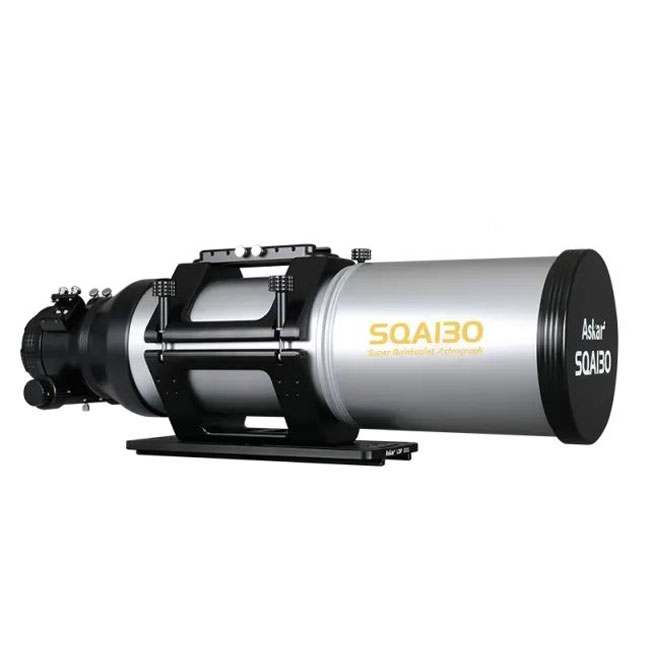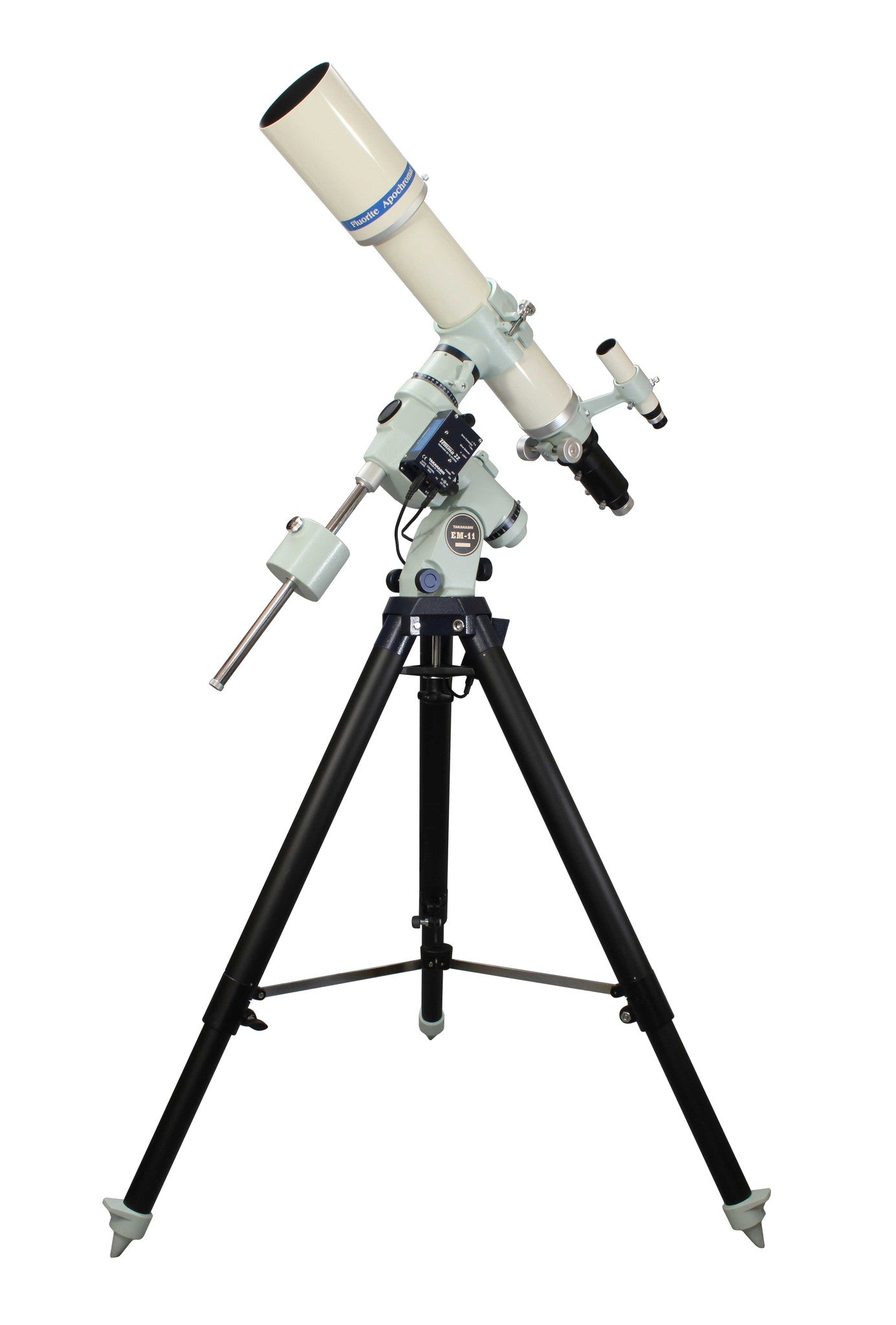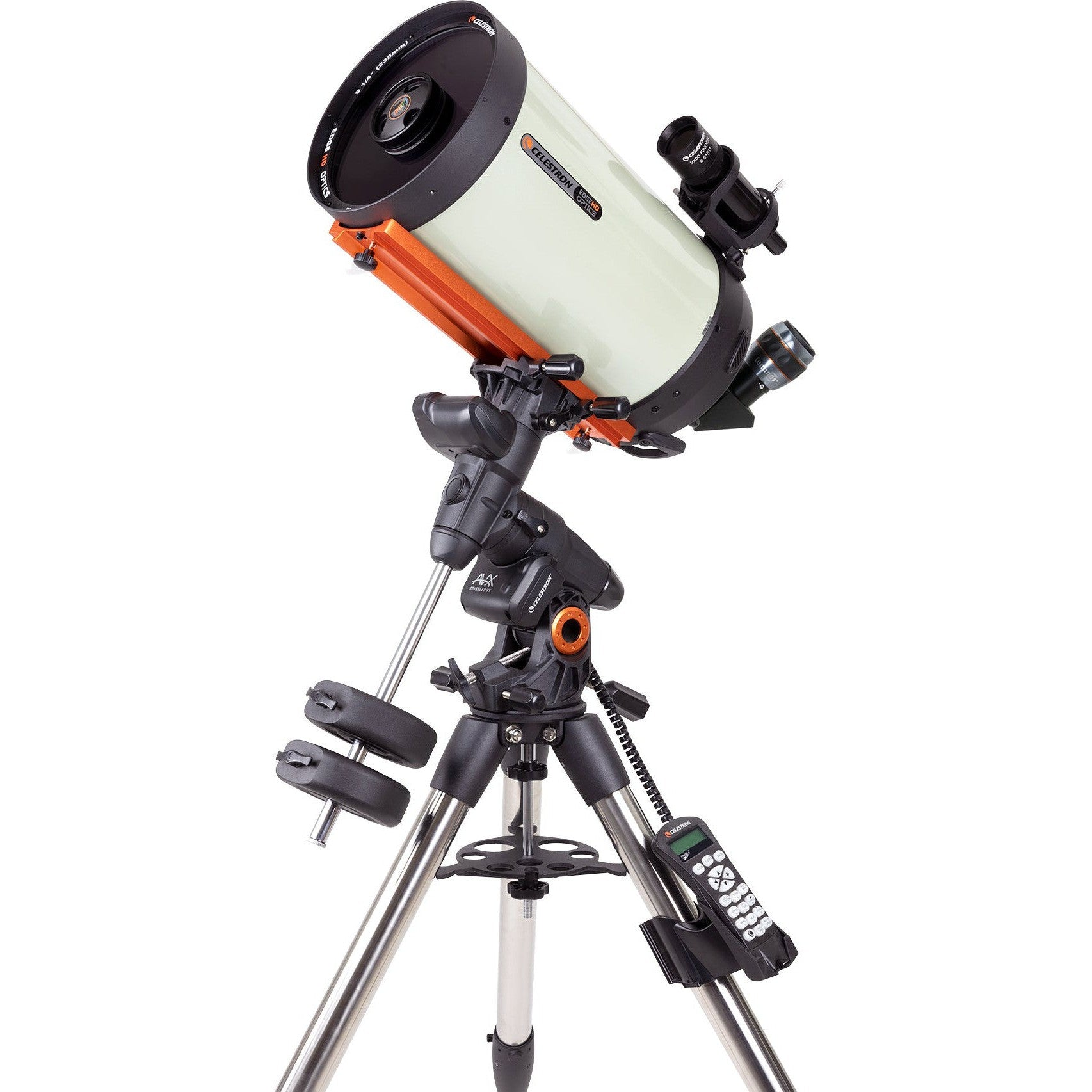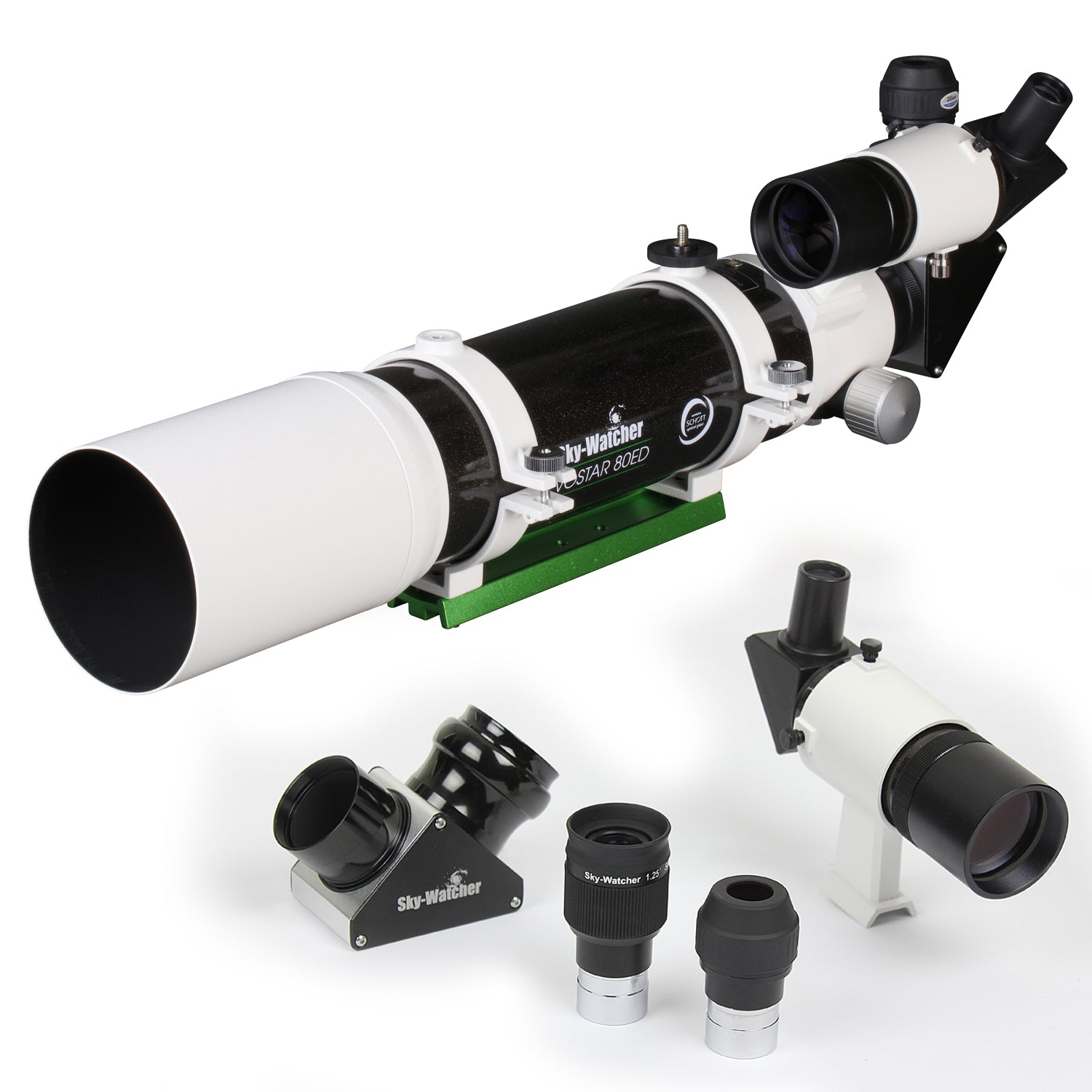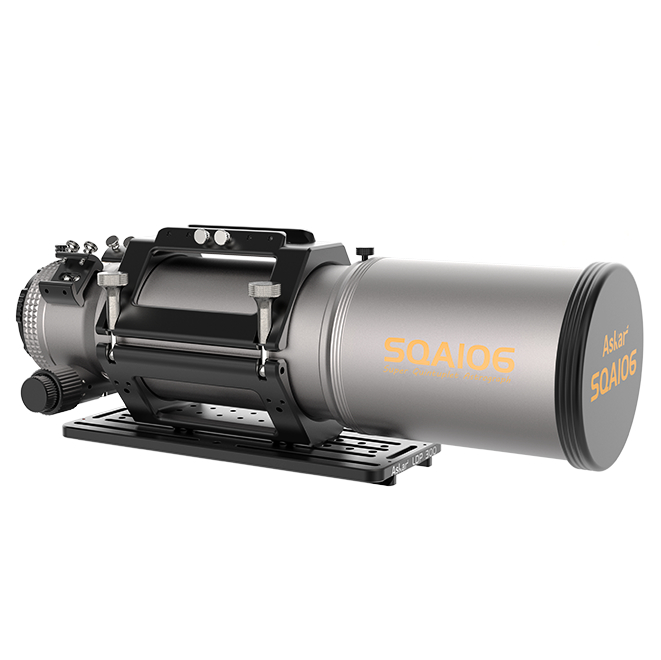
Askar SQA106 Quintuplet Refractor — image 1
Askar

Askar SQA106 Quintuplet Refractor

A fast 106mm f/4.8 flat-field quintuplet that pairs a larger aperture with short exposures, a productive full-frame astrograph for imagers who want speed and a wider field than the longer PHQ tubes.

89/ 100
Polaris Score
#2 of 6 fast imaging astrograph
See the breakdown ↓
Aperture
106mm
Focal Length
510mm
Focal Ratio
f/4.8
Mount Type
None (OTA only)
Optical Design
Quintuplet Astrograph
Weight
5 kg
From$3,395

Lowest in 90 days

Price tracked by PolarisObserved 55 timesTracking since Aug 2026

Try in simulator →
What it's built forOpen these in the simulator →

This telescope was built for the camera.

A fast f/4.8 astrograph designed to throw a wide, flat, well-corrected field onto a sensor. It is an optical tube first — give it a tracking mount and a camera and it rewards long exposures, not eyepieces.

f/4.8 — built to imageNeeds a tracking mount
The view people remember

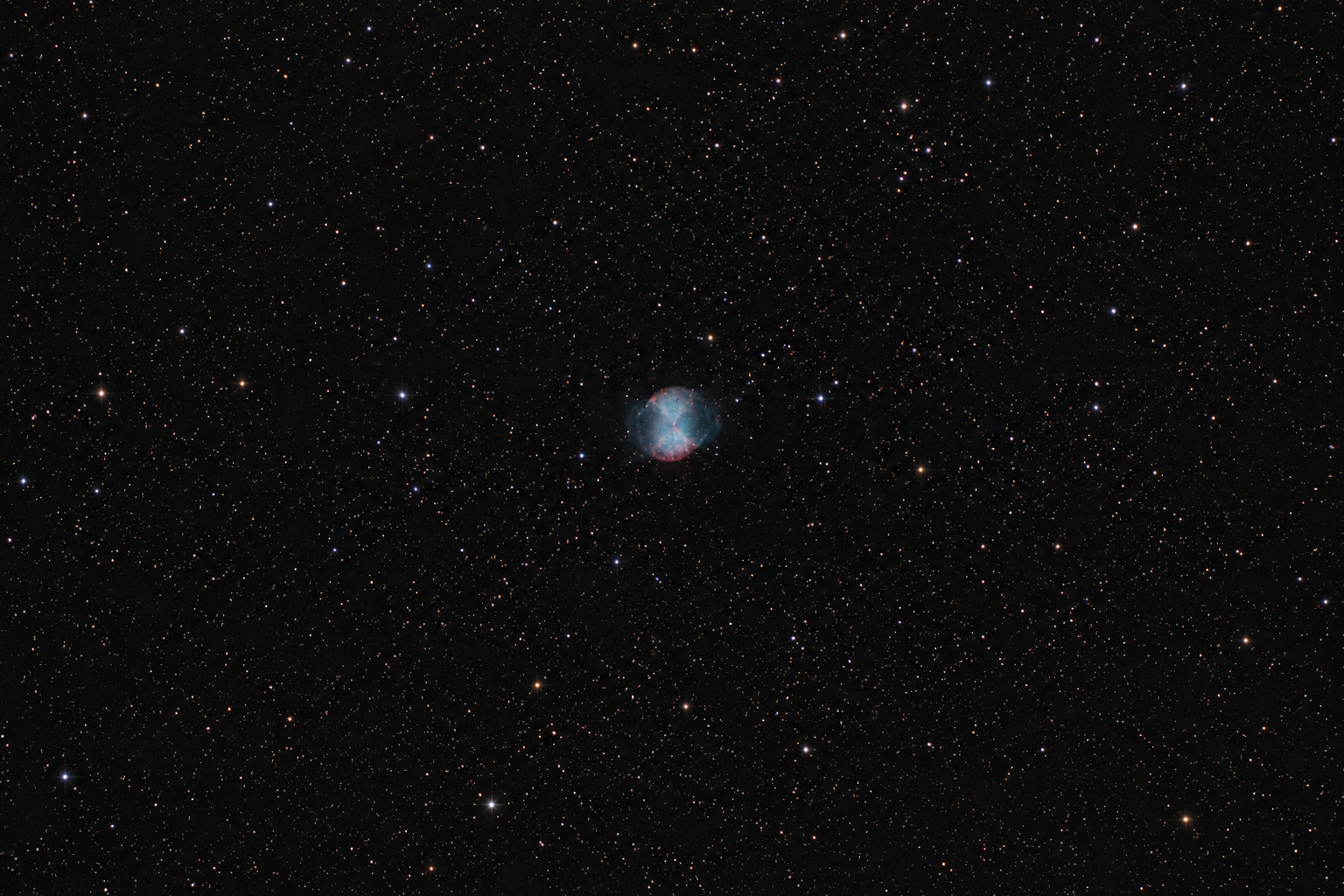
The Dumbbell, an hourglass of gas.

The brightest planetary nebula in the sky — a fat, glowing apple-core shape that takes magnification well and only gets richer with aperture.

See The Dumbbell through this telescope →
01What it's good at

What it's best at — and the trade-offs.

The five-element design delivers pinpoint stars across a full-frame sensor with the flattener built in
Best at
✓The five-element design delivers pinpoint stars across a full-frame sensor with the flattener built in
✓At f/4.8 it gathers light fast, cutting exposure times and revealing faint nebulosity quickly
✓106mm at 510mm frames large nebulae and galaxy fields with generous aperture
✓A heavy-duty focuser and rotator make back-focus and framing precise and repeatable
Trade-offs
!Fast f/4.8 optics are demanding on tilt, spacing and focus accuracy
!At 5kg it needs a capable tracking mount, not a small star tracker
!As an OTA it needs a mount, camera and guiding to work
!The large front optics can dew and benefit from a heater
02In plain English

What These Numbers Mean

106mm · f/4.8 · 510mm FL
Aperture
106 mm
Four inches of glass paired with a very fast optical system. That combination gathers enough light to build deep narrowband images in a single night rather than across a week.
Focal length
510 mm
Wide field with real aperture behind it. Large emission nebulae, the Andromeda Galaxy and sprawling star fields all frame well, and mosaics become optional rather than necessary.
Focal ratio
f/4.8
Very fast for a refractor. Signal accumulates roughly two and a half times quicker than at f/7.5, which is the whole point of the design. In exchange, focus, sensor tilt and back-focus spacing all become unforgiving.
Optical design
Super quintuplet astrograph
Five elements correct colour and flatten the field simultaneously at a very fast ratio, which is a difficult thing to do well. There is no flattener to buy and no spacing to calculate, and full-frame corners stay clean.
Weight
5 kg tube
Around 11 lb, light for its aperture. A mid-size strain-wave or equatorial mount carries it with margin, so the whole rig stays transportable.
Mount
OTA only
You supply the mount. The short focal length keeps guiding demands modest, so the mount does not need to be as capable as the aperture might suggest.
03The Polaris Score

How it scores, and why.

89/100 · #2 of 6 fast imaging astrograph
89/ 100
Askar SQA106 Quintuplet Refractor
#2 of 6 fast imaging astrograph
Performance
93
Ease of use
68
Portability
65
Upgrade potential
85

Polaris weighs optical capability, how easy the scope is to live with, how portable it is, and how far it takes you before you outgrow it — not list price or brand.

04Who it's for

An honest fit check.

Astrophotographers who want a fast, wide, flat full-frame astrograph with real aperture
Buy it if you
✓Astrophotographers who want a fast, wide, flat full-frame astrograph with real aperture
✓Imagers who prize short exposures and productivity
✓People framing large nebulae and galaxy fields
Look elsewhere if you
!Visual observers, since this is an imaging tube first
!Anyone chasing small galaxies or planets that need long focal length
!Beginners without a solid tracking mount and imaging experience
05Build your rig

What to buy next — and where it leads.

6 pieces of gear, ordered by what changes the view most
Recommended upgrades
No fogging on long sessions★ Top pickPegasus Astro Multi-Channel Dew Controller
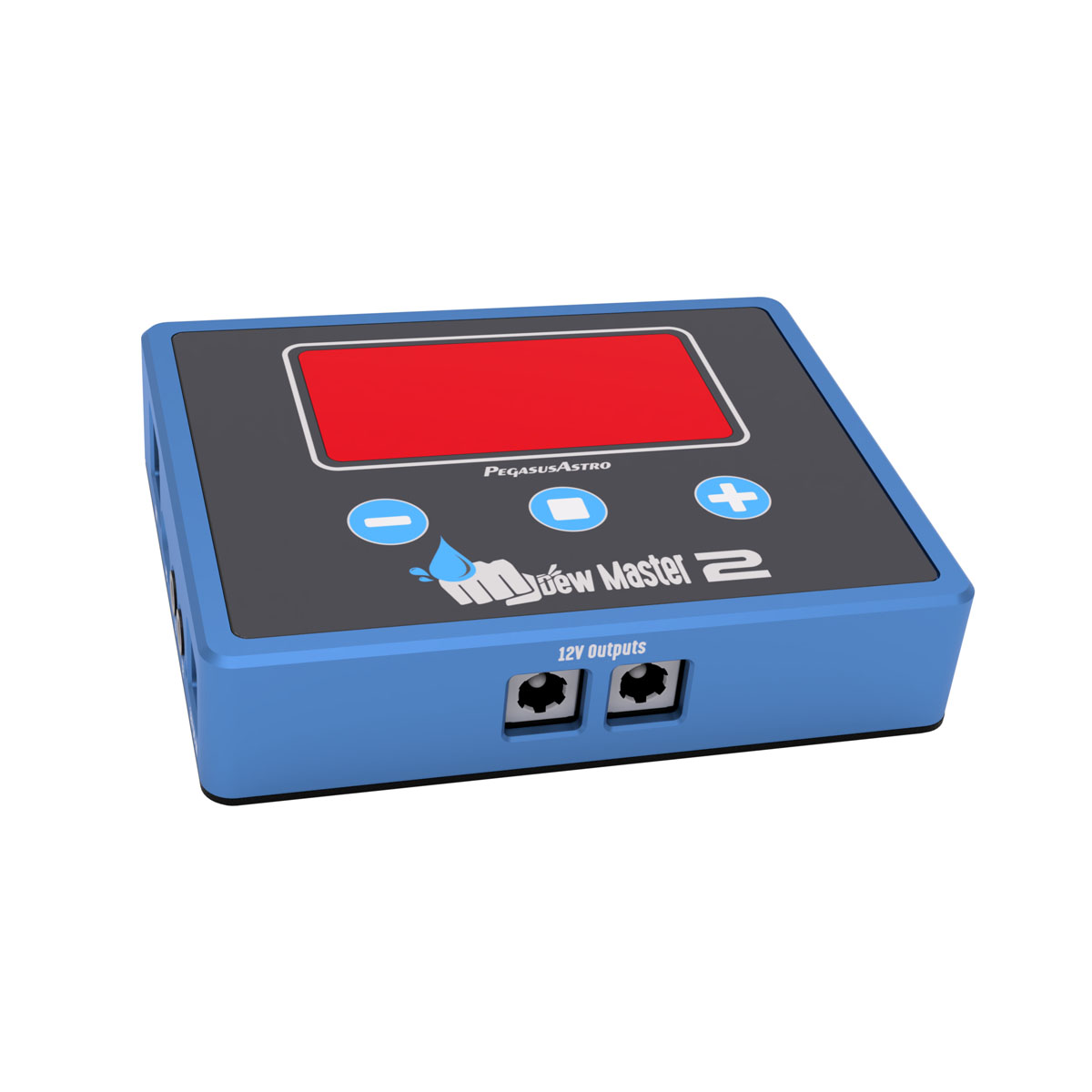
Keeps the front optics dew-free across a full imaging night

Make nebulae popOptolong UHC Filter 2″
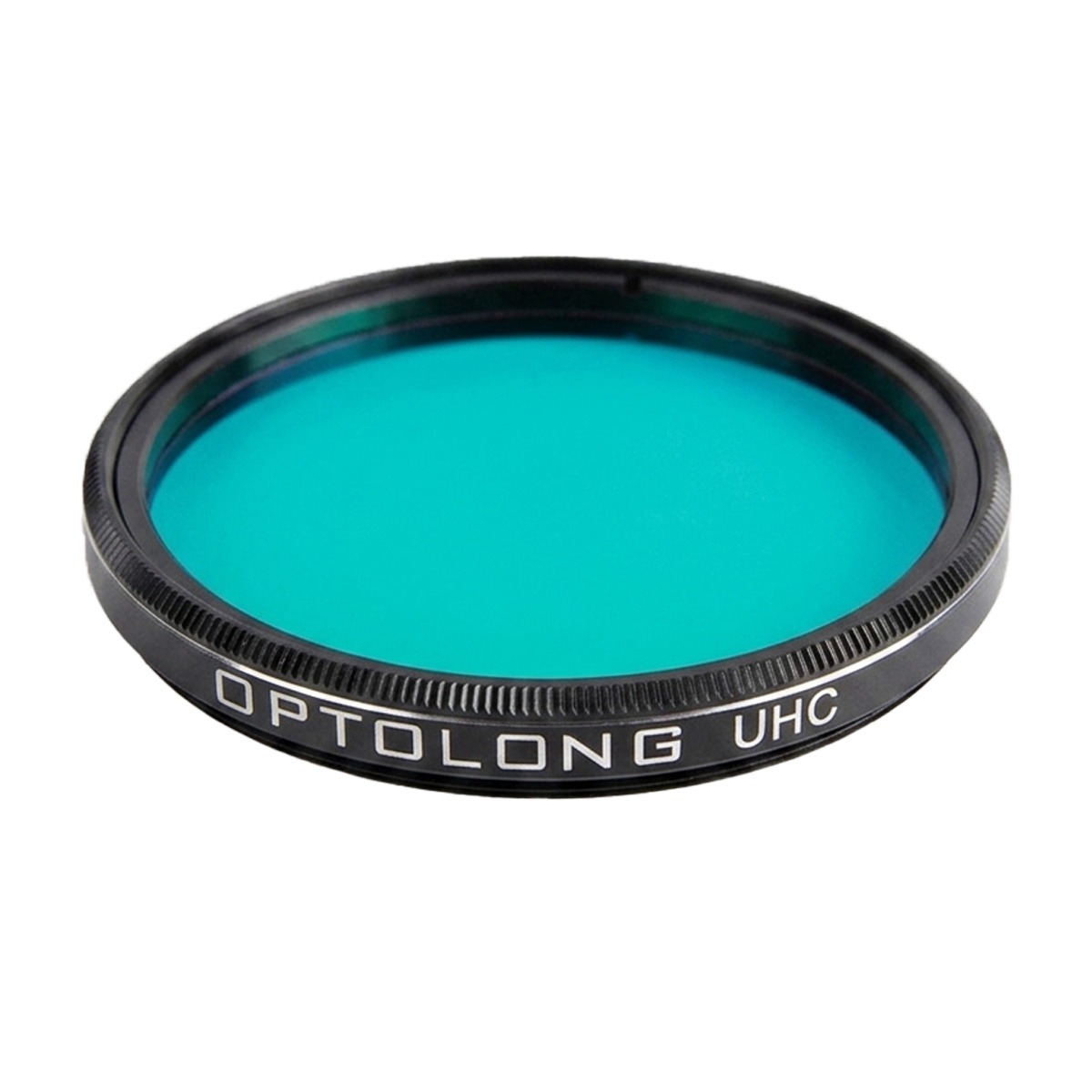
Boosts nebula contrast for imaging under light pollution

Observe all night, no AA batteriesCelestron PowerTank Lithium
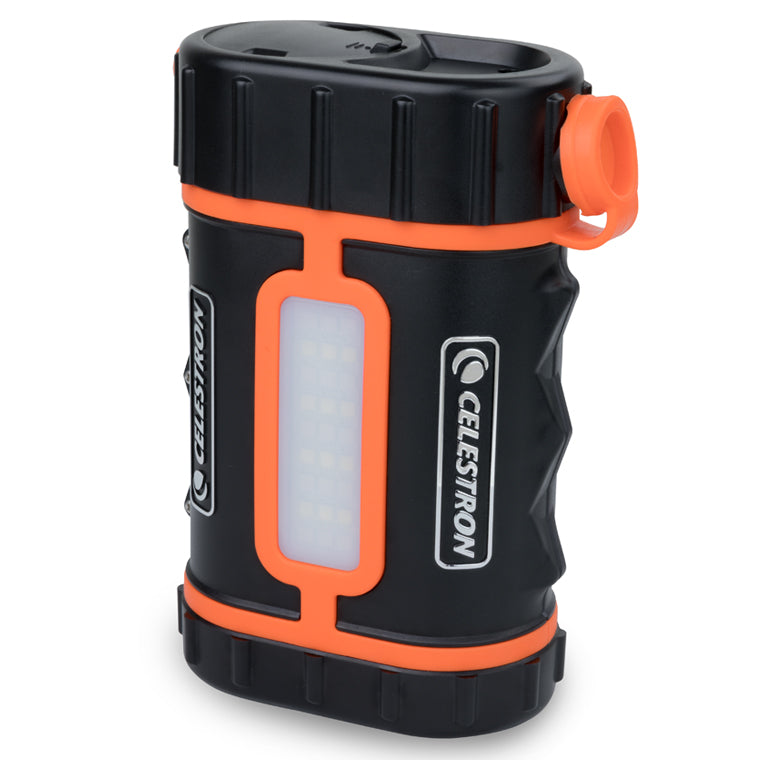
Runs the mount, camera and dew heater away from mains power

Imaging path
Portable astrophotographyZWO AM5N Harmonic Equatorial Mount✓ Compatible

Start capturing images of the Moon and planets

Permanent-setup astrophotographySky-Watcher EQ6-R Pro✓ Compatible
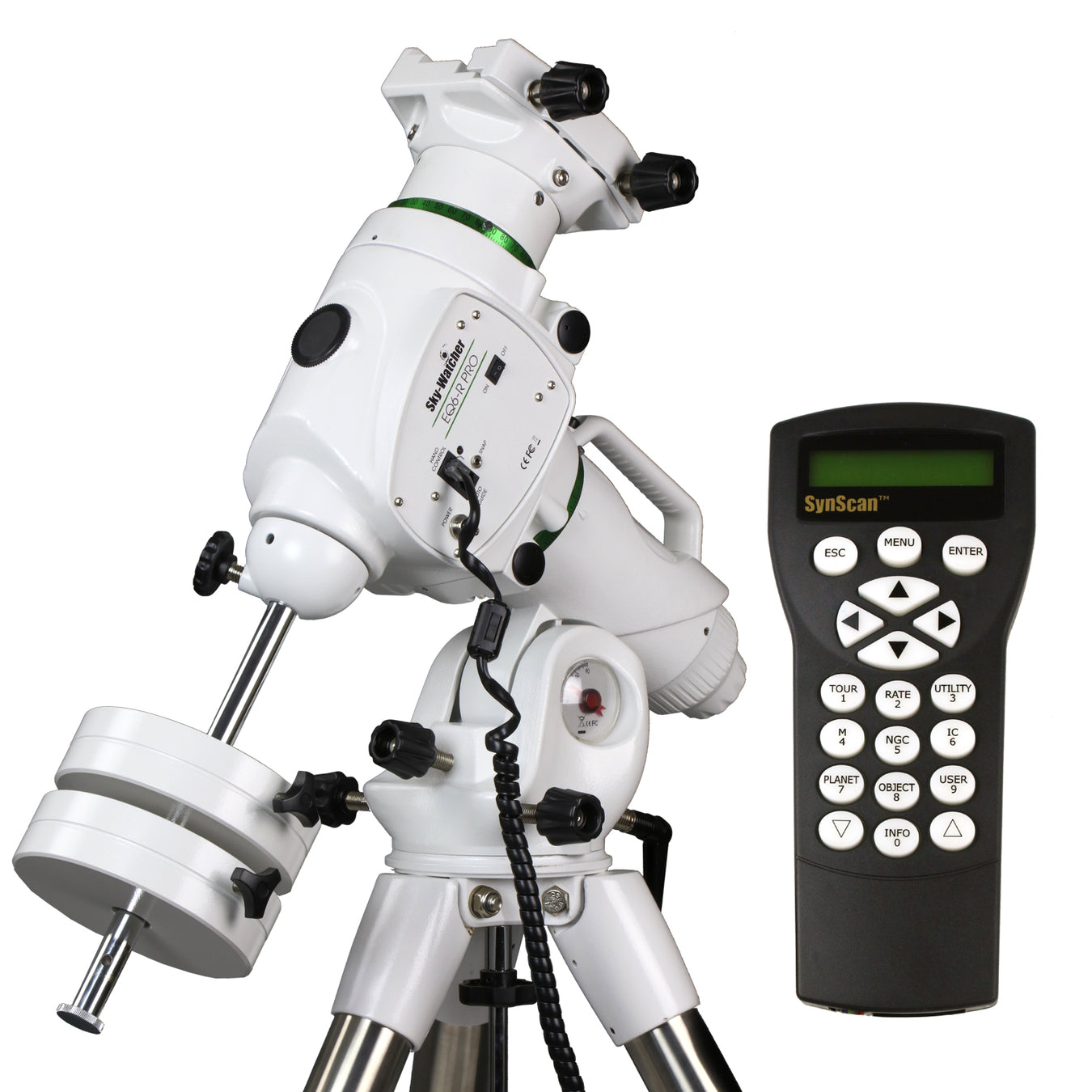
Commonly paired with this telescope

Start imagingZWO ASI2600MC Pro
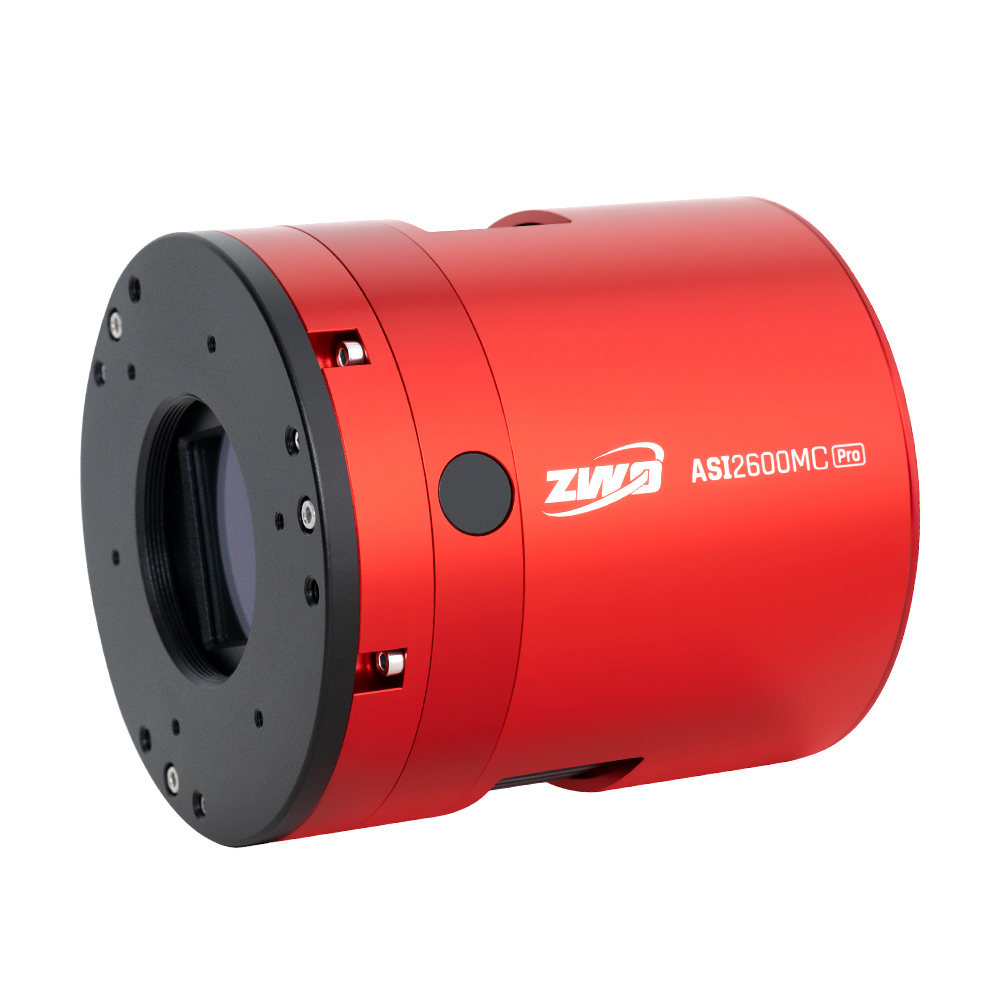
Start capturing images of the Moon and planets

Wide-field deep-sky imaging
Excellent, flat field
Lunar & planetary
Small image scale
Visual use
Possible, but an imaging tube
06The numbers

Full specifications.

6 measured and stated values
Optics
Optical DesignQuintuplet Astrograph
Aperture106mm
Focal Length510mm
Focal Ratiof/4.8
Mount & drive
Mount TypeNone (OTA only)
Physical
Weight5 kg