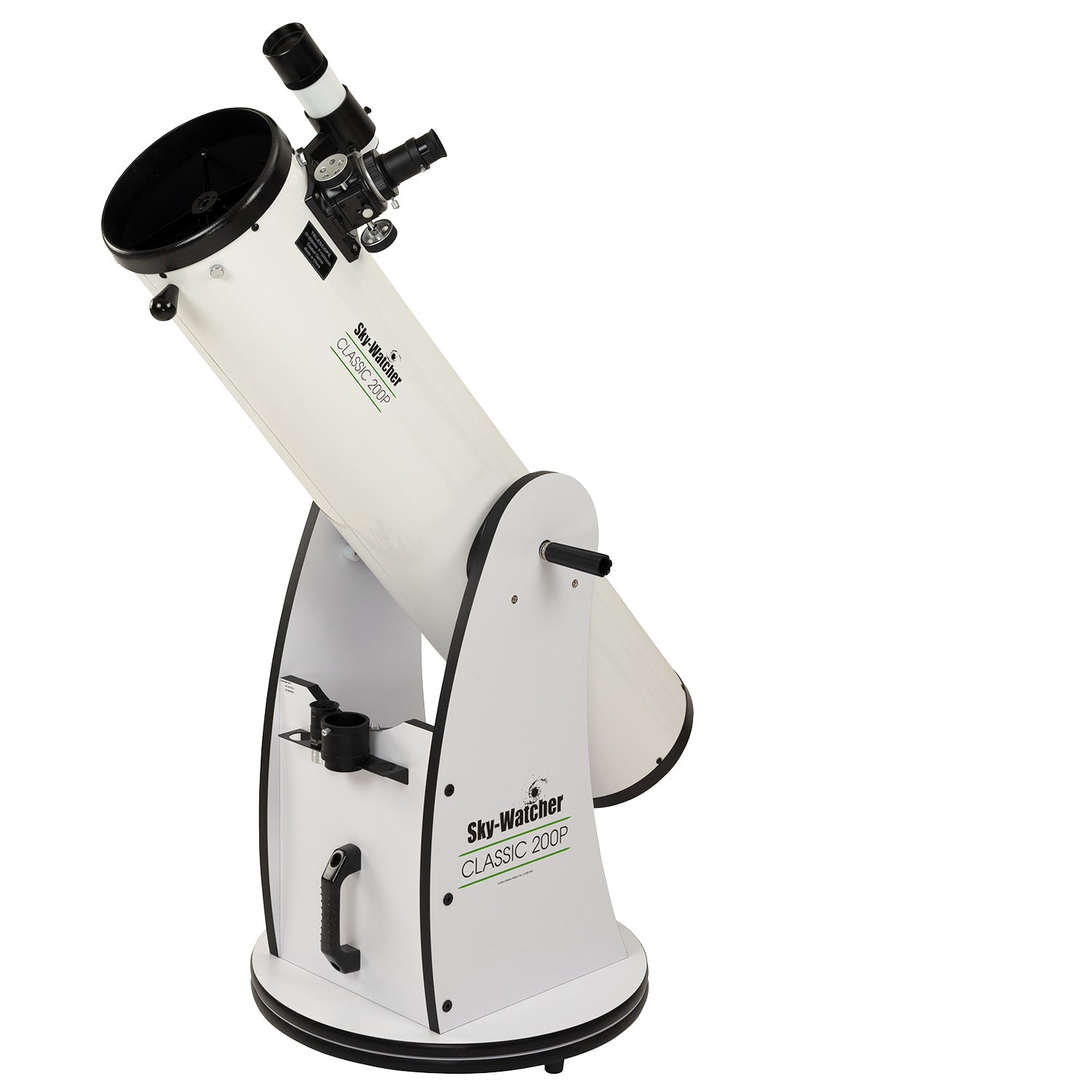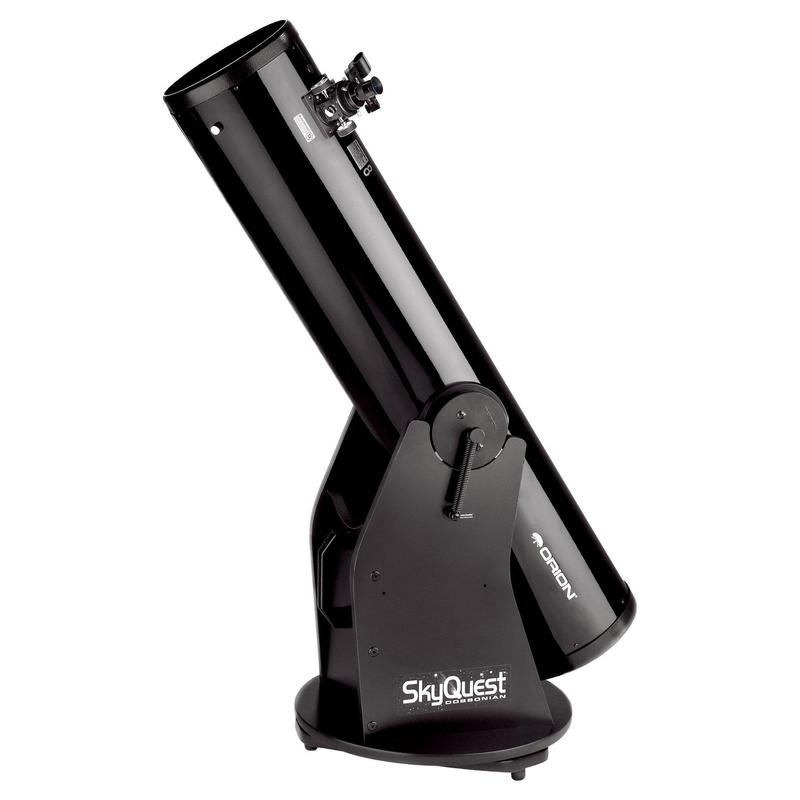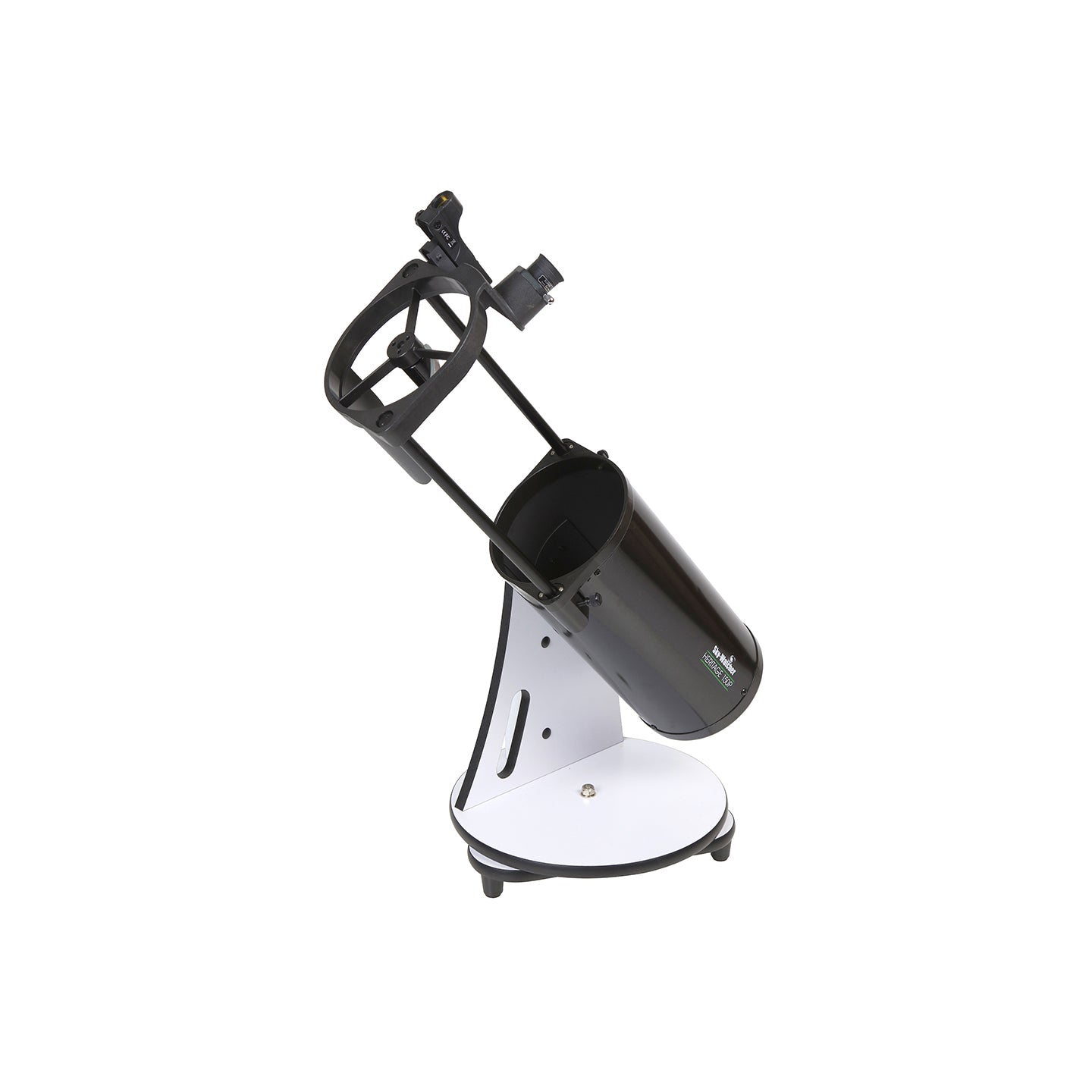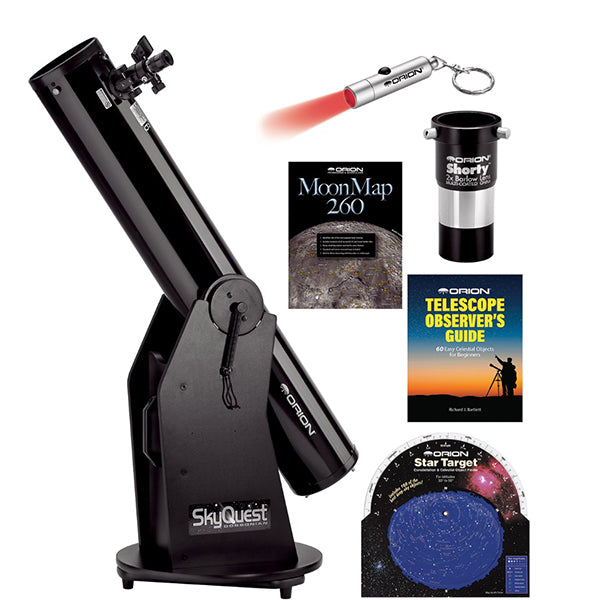
Orion SkyQuest XT6 Classic Dobsonian — image 1
Orion

Orion SkyQuest XT6 Classic Dobsonian

The smallest Dobsonian still worth calling a serious scope: 6 inches of aperture at a friendly f/8, light enough to carry with one hand and simple enough to use the night it arrives.

85/ 100
Polaris Score
#1 of 10 6-inch Dobsonian
See the breakdown ↓
Aperture
150mm
Focal Length
1200mm
Focal Ratio
f/8
Mount Type
Dobsonian
Optical Design
Dobsonian
Weight
15.6 kg
From$449.99

Lowest in 90 daysLowest ever tracked

Price tracked by PolarisObserved 24 timesTracking since Jun 2026
Try in simulator →
Where to buy

Verified yesterday · prices tracked daily

What it's built forOpen these in the simulator →

This telescope was built to gather light.

150 mm of aperture pulls in the faint light that galaxies and clusters live or die on. Point it up under a dark sky and objects that are rumors in smaller scopes resolve into real structure.

Sweet spot 110–190×Rewards dark skies
The view people remember

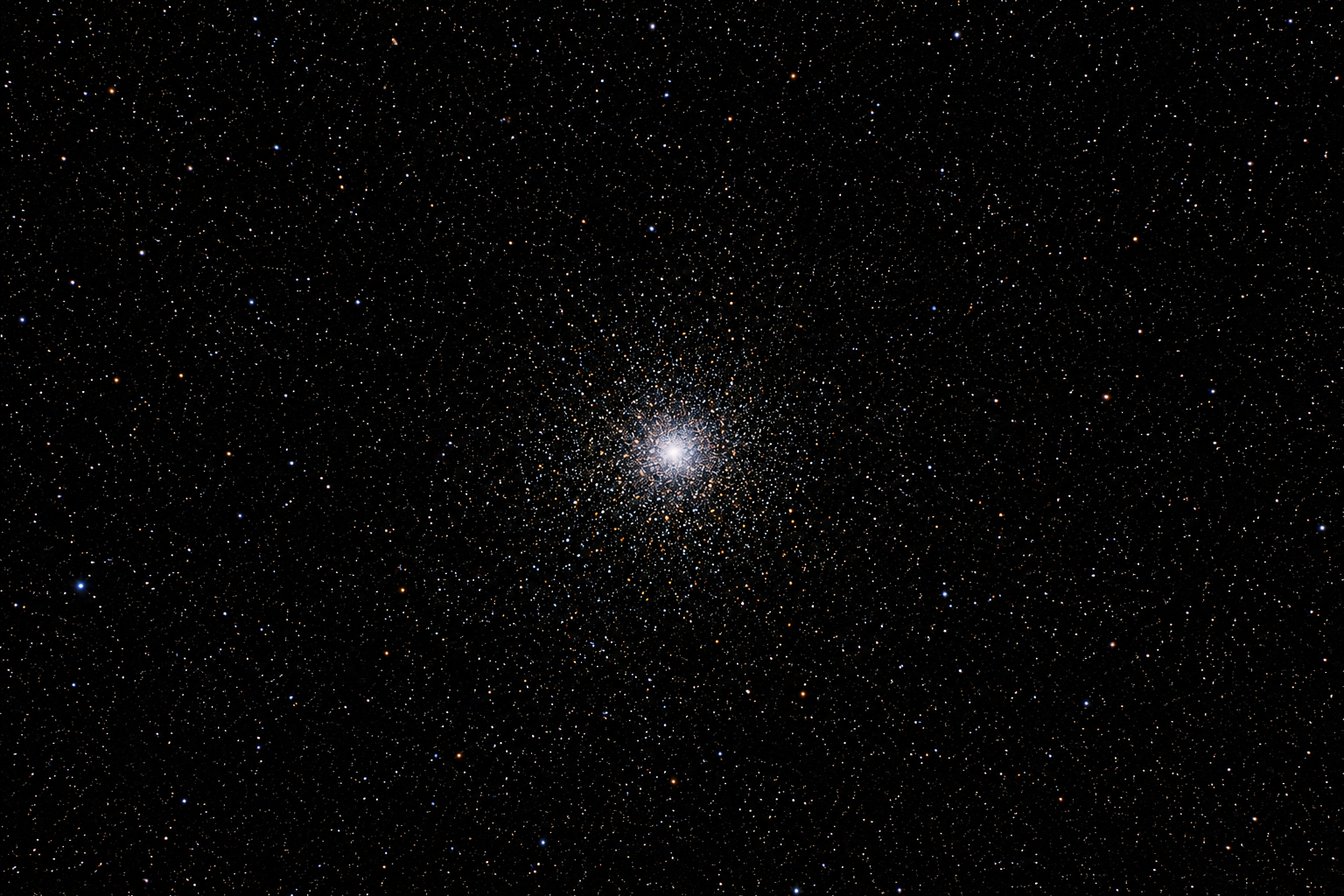
M13, breaking into a hundred stars.

A dark night takes the fuzzy ball and cracks its edges into individual suns — chains of them curving away from a core too dense to resolve.

See Hercules Cluster through this telescope →
01What it's good at

What it's best at — and the trade-offs.

150mm gathers enough light for lunar detail, the planets, bright nebulae and the brighter Messier galaxies and clusters
Best at
✓150mm gathers enough light for lunar detail, the planets, bright nebulae and the brighter Messier galaxies and clusters
✓The f/8 focal ratio is forgiving on cheap eyepieces and easy to collimate, so beginners get sharp views without fuss
✓The Dobsonian base needs no power, no alignment and no counterweights: set it down, point where you look, and observe
✓At under 20 pounds the whole scope moves in one trip, which is the difference between a scope that gets used and one that does not
Trade-offs
!It does not track, so objects drift and you nudge to re-center at high power
!6 inches reaches its limit on faint galaxies that an 8-inch would show
!The 1.25-inch focuser rules out the widest 2-inch eyepieces
!Collimation is occasional but expected with any Newtonian
02In plain English

What These Numbers Mean

150mm · f/8 · 1200mm FL · Dobsonian
Aperture
150 mm (6 inch)
Six inches gathers about 460 times the light of your eye, which covers the entire Messier catalogue from a reasonably dark site and shows good planetary detail. It is the smallest aperture that still feels like a serious deep-sky telescope.
Focal length
1200 mm
Long for a six-inch, which is an advantage: it reaches 240x with a 5 mm eyepiece and keeps the optics easy on eyepieces. A 25 mm eyepiece still gives a comfortable 48x.
Focal ratio
f/8
Slow enough that even inexpensive eyepieces perform well across the field and collimation errors are forgiving. This is why the XT6 has a reputation for delivering sharp views without an accessory budget.
Optical design
Newtonian reflector
A parabolic mirror with no colour error, in a simple tube that holds alignment well at this focal ratio. Maintenance amounts to an occasional collimation check and letting the tube cool.
Weight
7.7 kg total
About 17 lb, light enough to carry outside fully assembled in one hand. That portability is the reason many owners use an XT6 far more often than a bigger scope they also own.
Mount
Manual Dobsonian base
Point and look, with no batteries, alignment or setup. You nudge it to follow objects, which at f/8 and moderate magnification is easy and quickly becomes second nature.
03The Polaris Score

How it scores, and why.

85/100 · #1 of 10 6-inch Dobsonian
85/ 100
Orion SkyQuest XT6 Classic Dobsonian
#1 of 10 6-inch Dobsonian
Performance
75
Ease of use
90
Portability
70
Upgrade potential
60

Polaris weighs optical capability, how easy the scope is to live with, how portable it is, and how far it takes you before you outgrow it — not list price or brand.

04Who it's for

An honest fit check.

First-time buyers who want real aperture without spending much
Buy it if you
✓First-time buyers who want real aperture without spending much
✓People with limited storage or who need a scope they can carry easily
✓Observers who prefer to learn the sky by star-hopping
Look elsewhere if you
!Anyone who wants the scope to find objects automatically
!Deep-sky imagers, since the undriven base cannot track
!Observers ready to commit to an 8-inch or larger for fainter targets
05Build your rig

What to buy next — and where it leads.

7 pieces of gear, ordered by what changes the view most
Recommended upgrades
A worthwhile upgrade★ Top pickApertura Laser Collimator
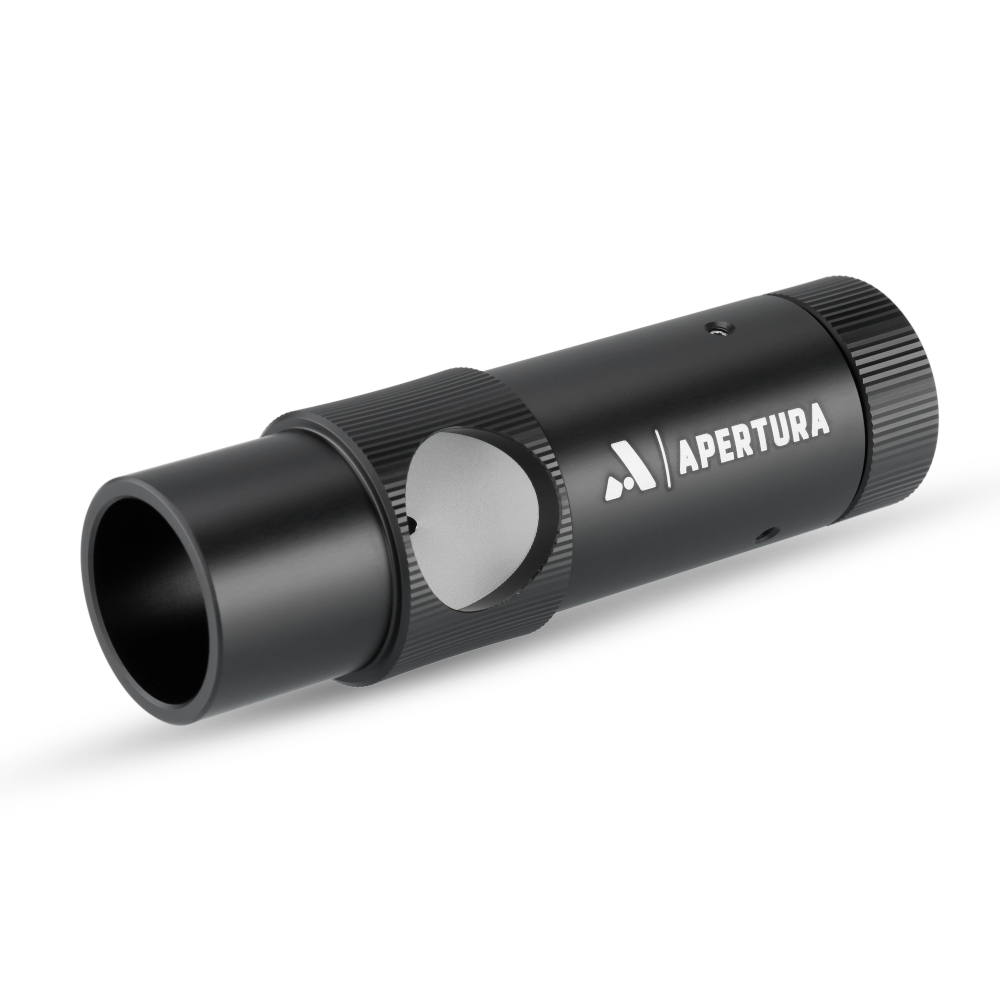
Fast, repeatable mirror alignment keeps this Newtonian sharp

A sharper everyday viewExplore Scientific 68deg 24mm
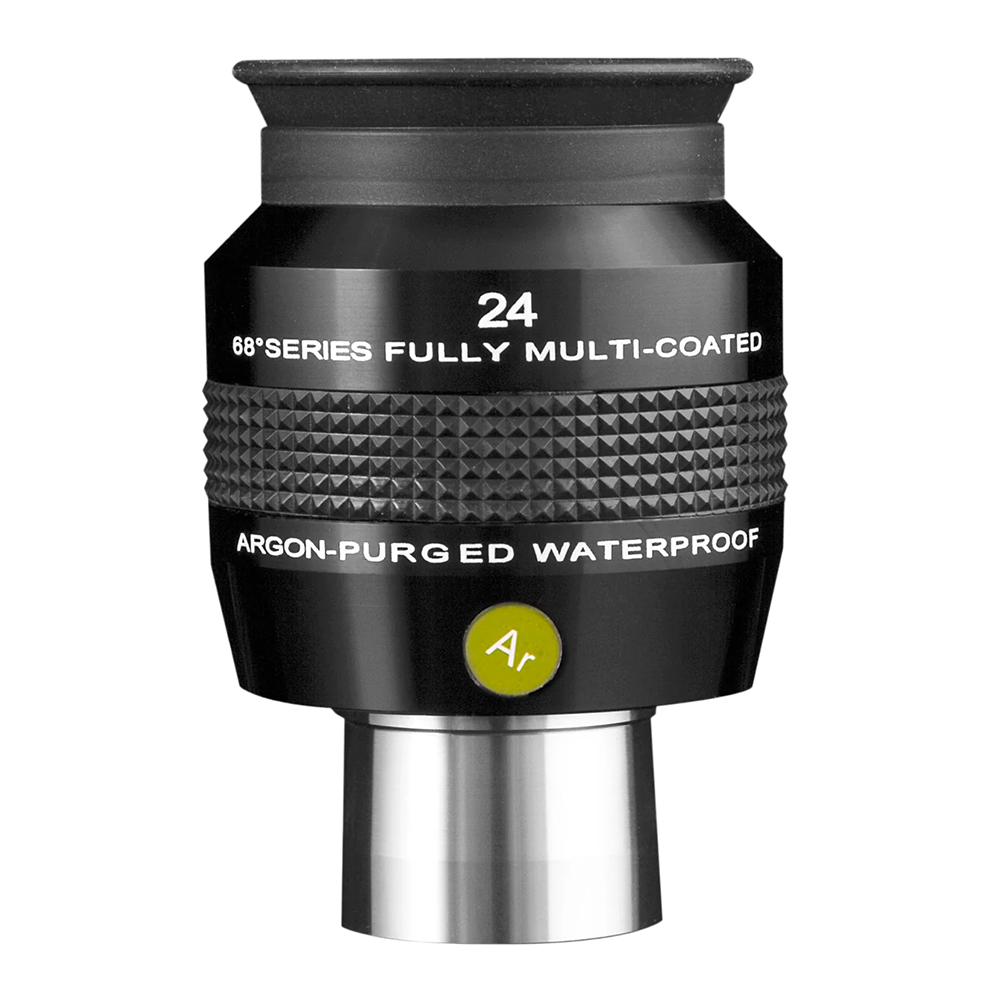
A wide, comfortable low-power field that fits the 1.25-inch focuser

Make nebulae popSVBony UHC 1.25-inch

Lifts nebulae out of suburban skyglow on a budget

Observe better
Tame lunar glareGSO Moon Filter 13pct 1.25-inch

Improves contrast on nebulae and planets with this setup

Sharper planets & lunar detailCelestron X-Cel LX 7mm
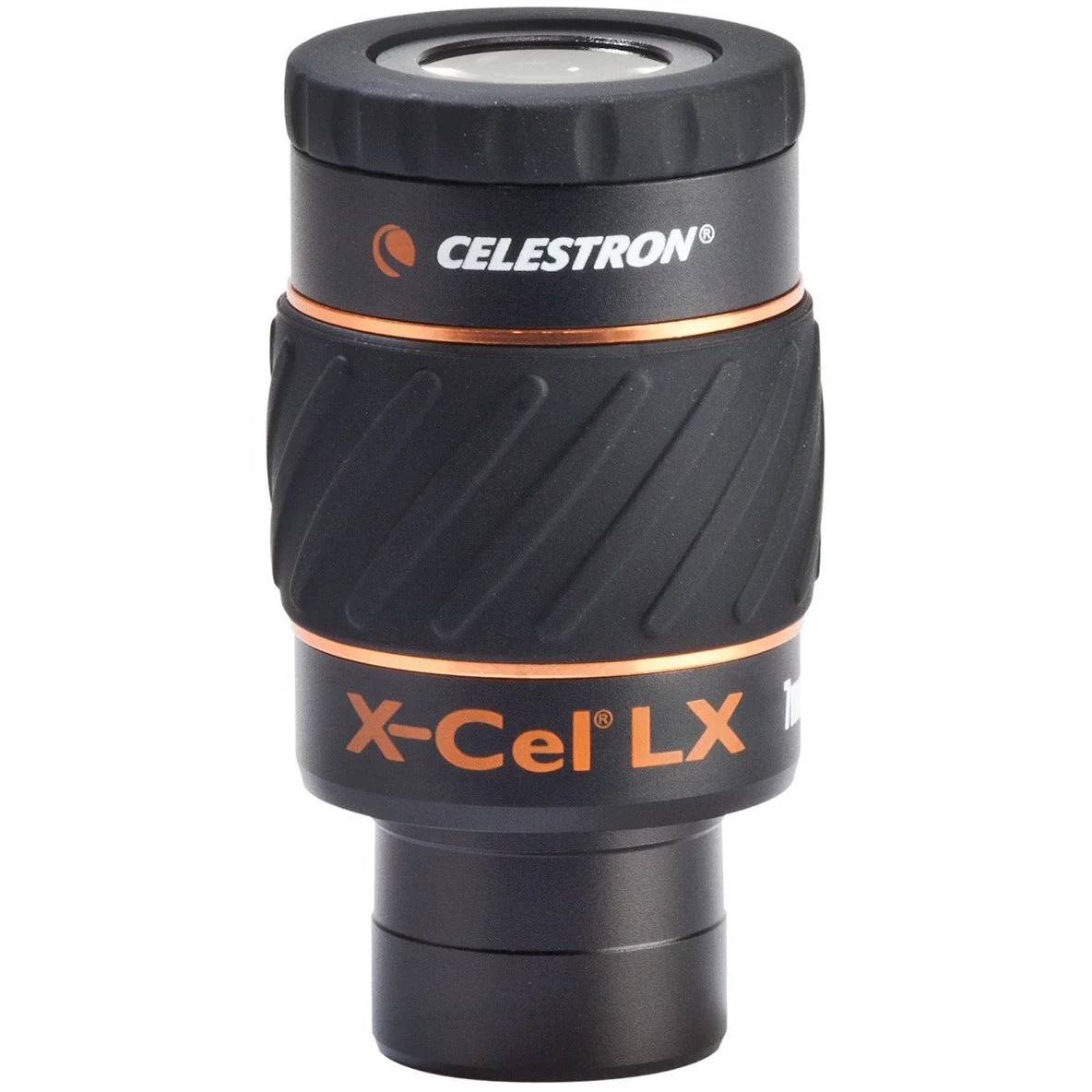
Commonly paired with this telescope

A sharper everyday viewCelestron X-Cel LX 18mm
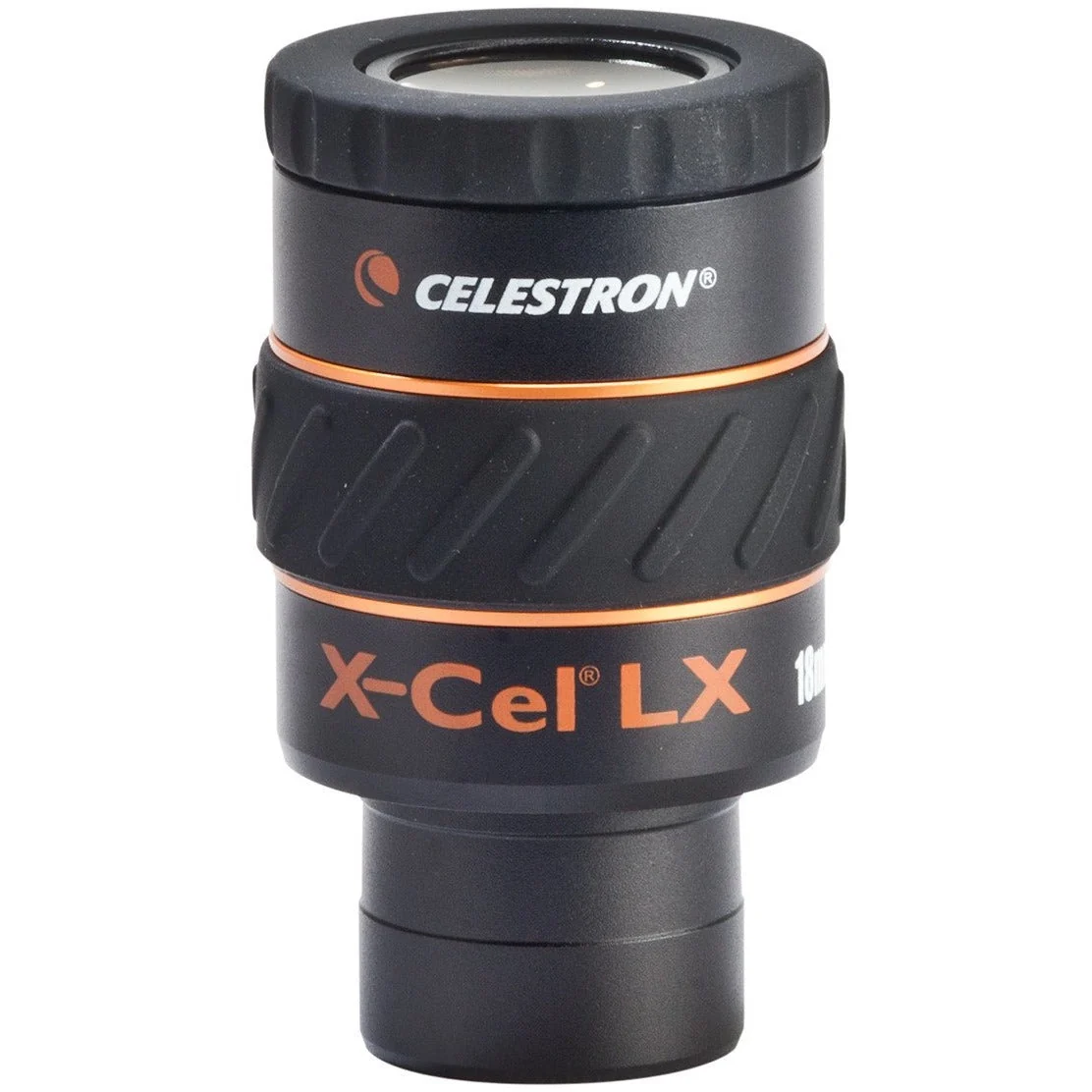
Commonly paired with this telescope

Double your magnificationTele Vue 2x Barlow 1.25-inch
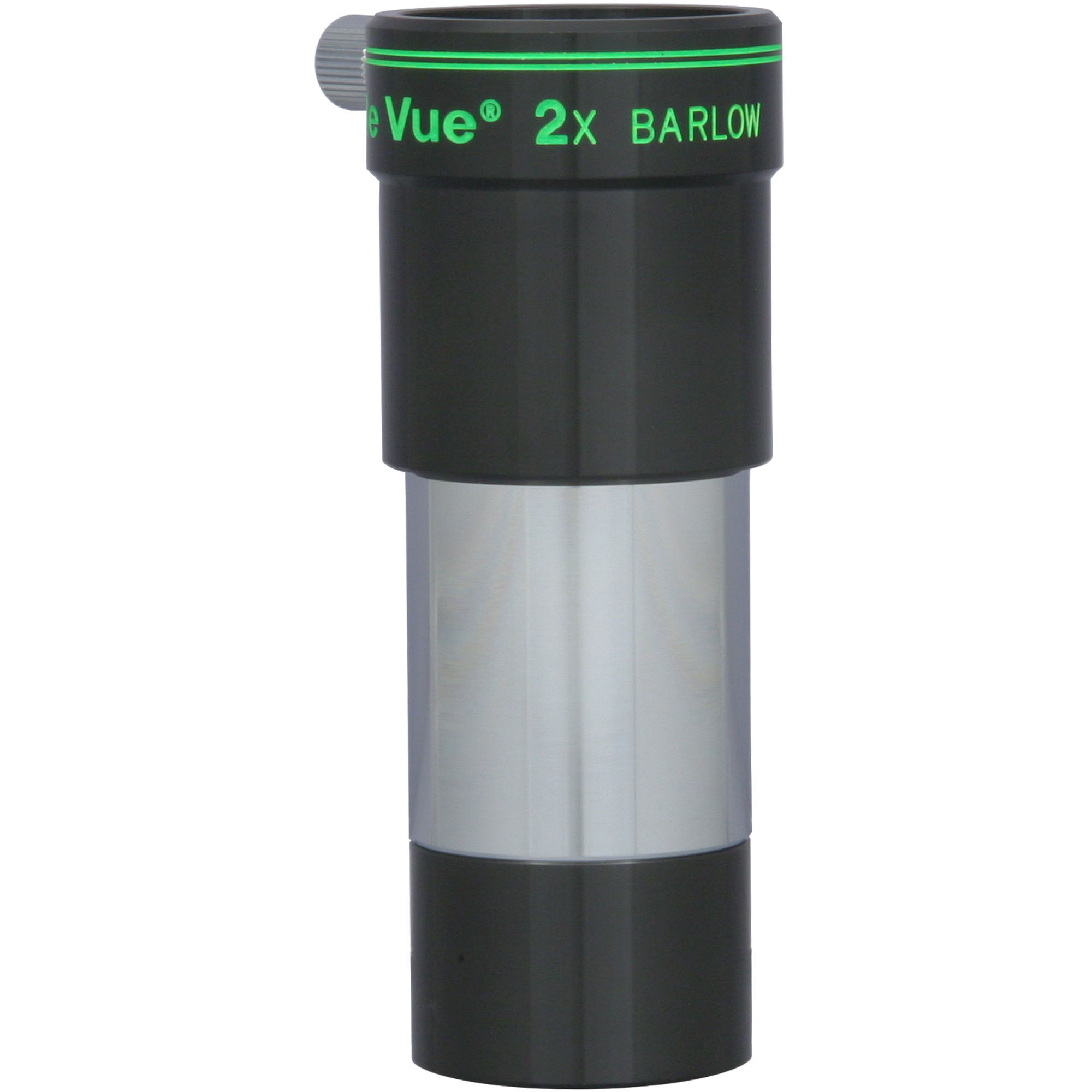
Doubles magnification for closer planetary detail with this telescope

Lunar & planetary
Excellent
Deep-sky visual
Strong
Astrophotography
Not its purpose, a visual scope
06The numbers

Full specifications.

6 measured and stated values
Optics
Optical DesignDobsonian
Aperture150mm
Focal Length1200mm
Focal Ratiof/8
Mount & drive
Mount TypeDobsonian
Physical
Weight15.6 kg