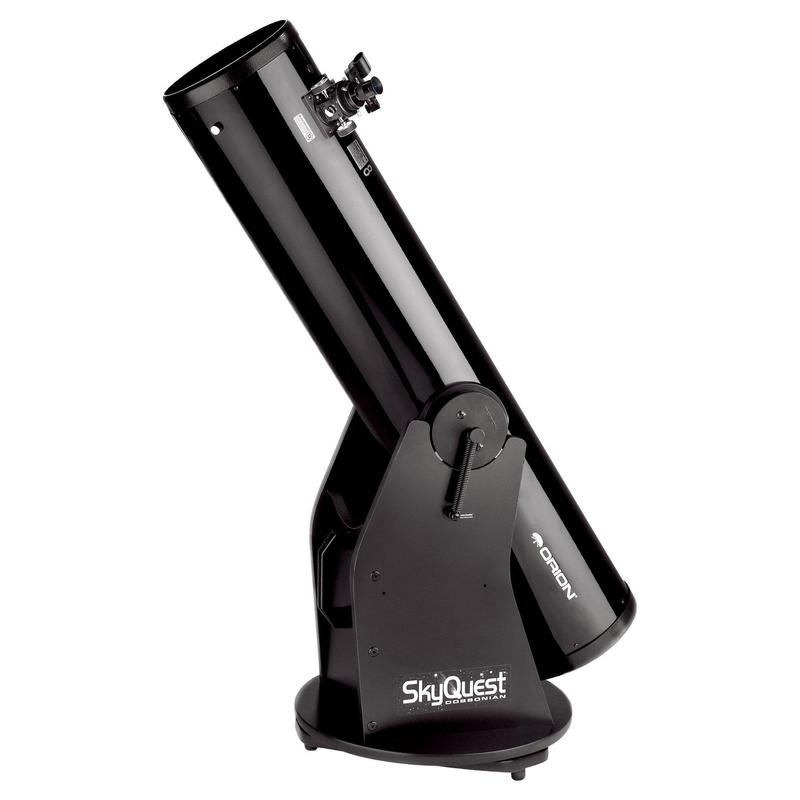
Orion SkyQuest XT8
The most-recommended 8" Dobsonian for beginners, proven, affordable, and capable of showing thousands of deep-sky objects.
Lowest in 90 daysLast $449.99 in Apr 2026
Price tracked by PolarisObserved 61 timesTracking since Apr 2026
Verified yesterday · prices tracked daily




01What it's good atWhat it's best at — and the trade-offs.
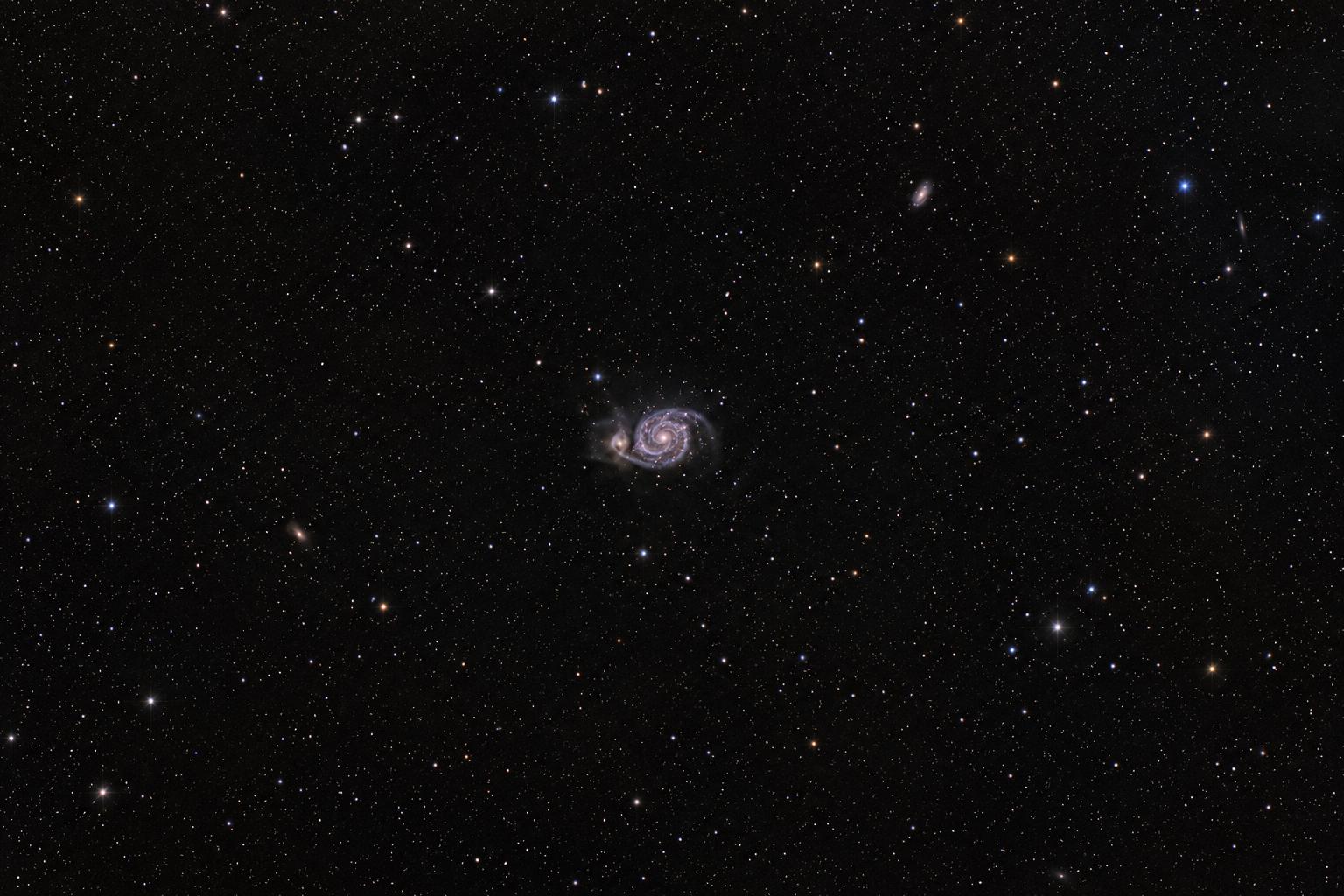
8" aperture reveals galaxies, nebulae, and planetary detail most smaller scopes cannot
What it's best at — and the trade-offs.
02In plain EnglishWhat These Numbers Mean
203mm · f/5.9 · 1200mm FL · Dobsonian
What These Numbers Mean
03The Polaris ScoreHow it scores, and why.
90/100
How it scores, and why.
Polaris weighs optical capability, how easy the scope is to live with, how portable it is, and how far it takes you before you outgrow it — not list price or brand.
04Who it's forAn honest fit check.
Beginners ready for a serious first telescope
An honest fit check.
05Build your rigWhat to buy next — and where it leads.
16 pieces of gear, ordered by what changes the view most
What to buy next — and where it leads.
See wider, brighter deep-sky views★ Top pickExplore Scientific 68deg 28mm 2-inch
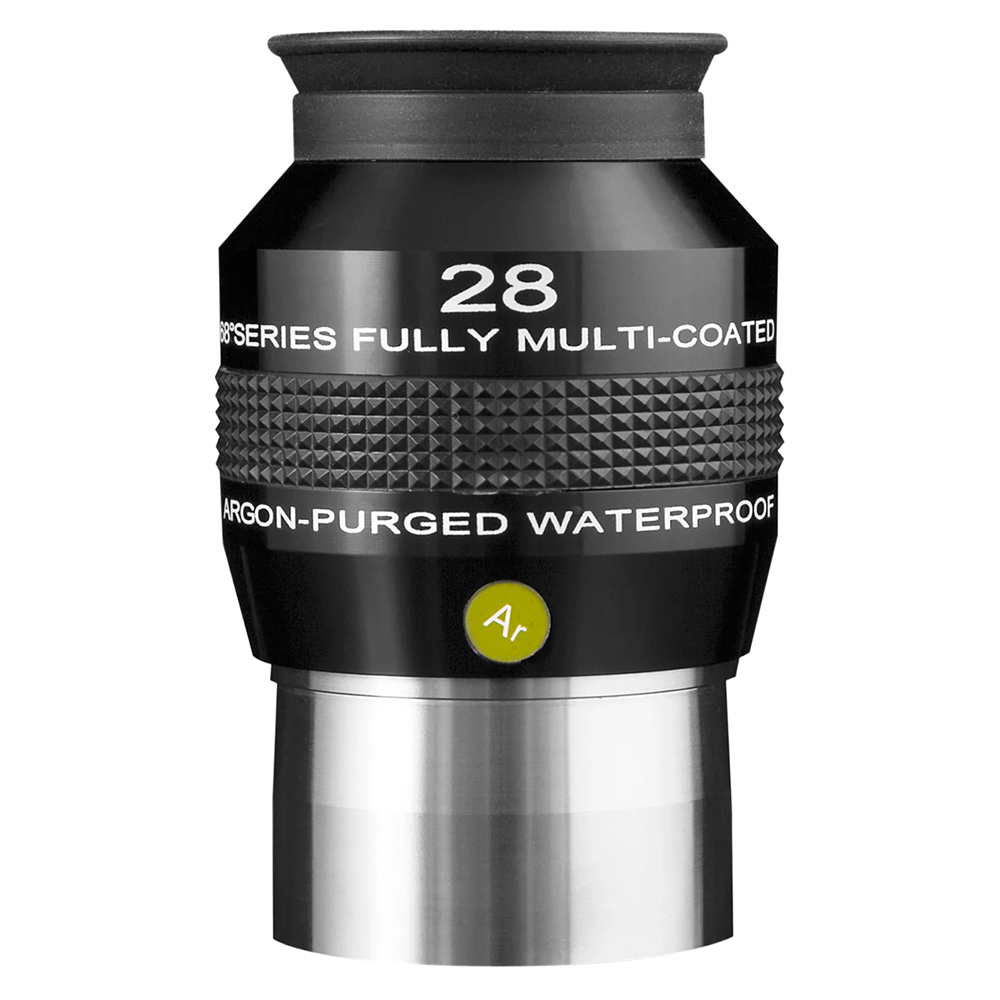
Wider true field for large deep-sky objects.
Make nebulae popOptolong UHC Filter 2″
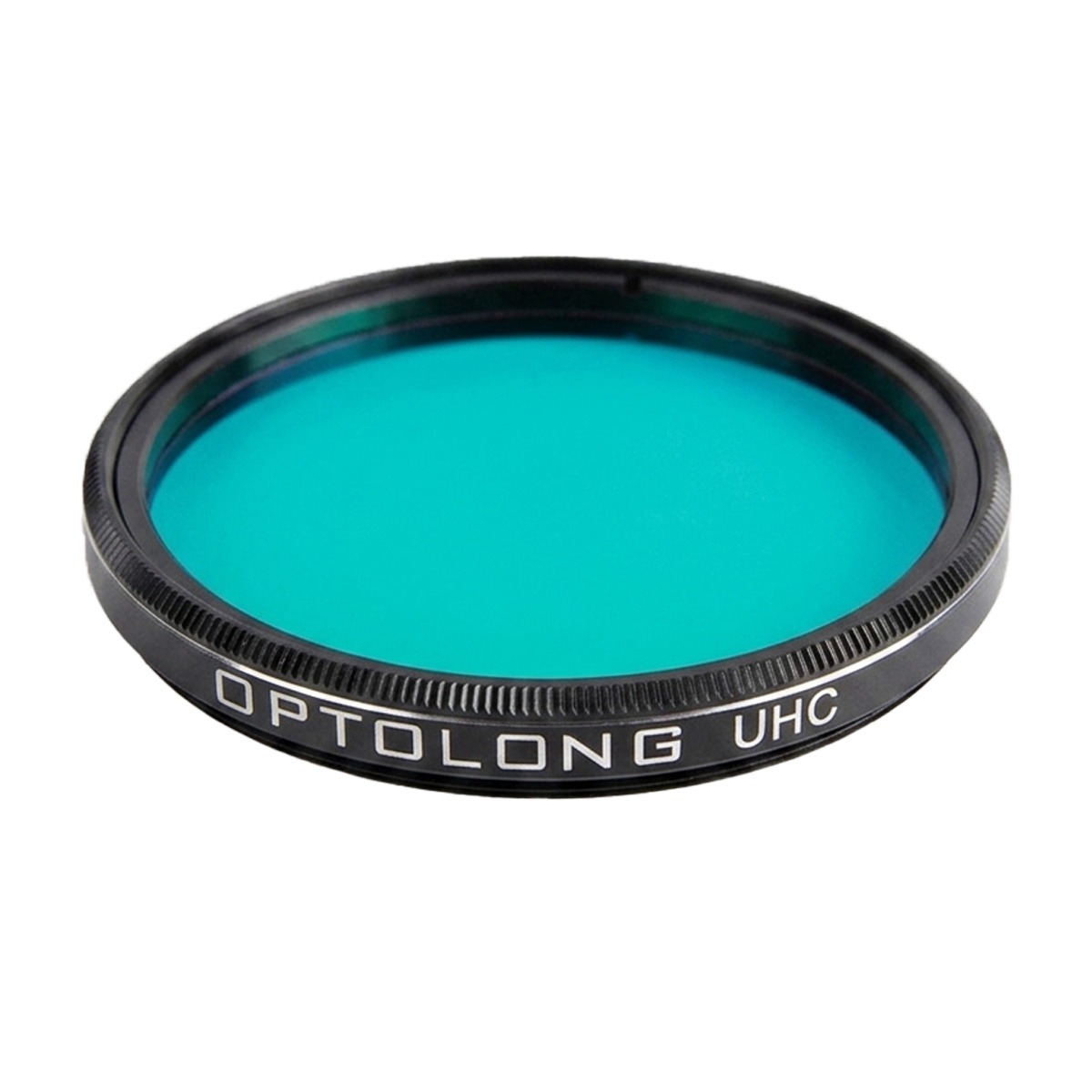
Improves contrast on emission nebulae.
Double your magnificationGSO 2x ED Barlow 1.25-inch
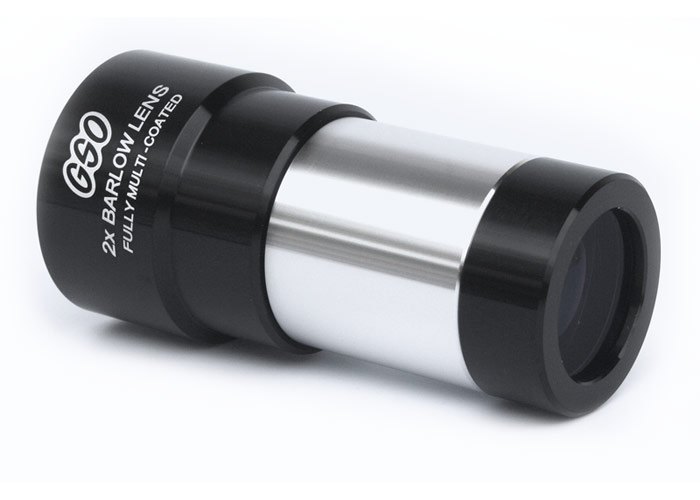
Doubles magnification without buying another eyepiece.
Tame lunar glareMoon Filter

Reduces glare for comfortable lunar observing, essential first filter
Tame lunar glareGSO Moon Filter 13pct 1.25-inch
Improves contrast on nebulae and planets with this setup
Make nebulae popSVBony UHC 1.25-inch

Commonly paired with this telescope
A sharper everyday viewEthos 13mm
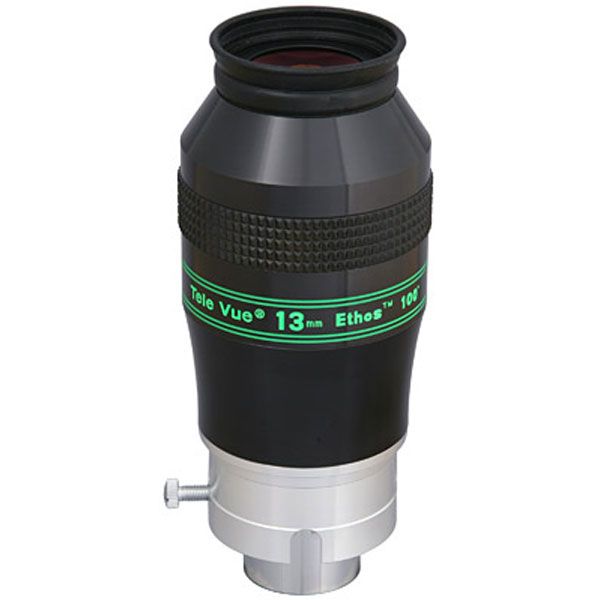
Balanced magnification, great all-round planetary and deep-sky eyepiece
Sharper planets & lunar detailDelos 8mm
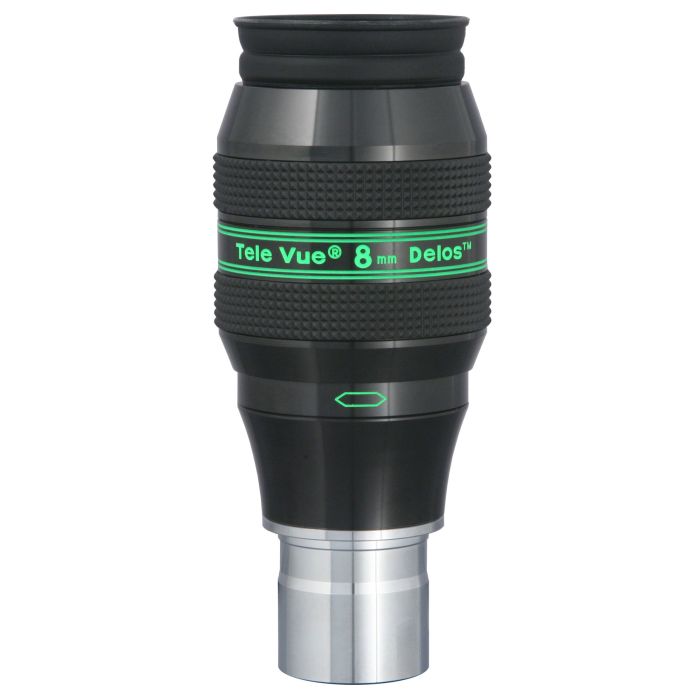
High magnification, sharpest views of Jupiter, Saturn, and the Moon
A sharper everyday viewCelestron X-Cel LX 18mm
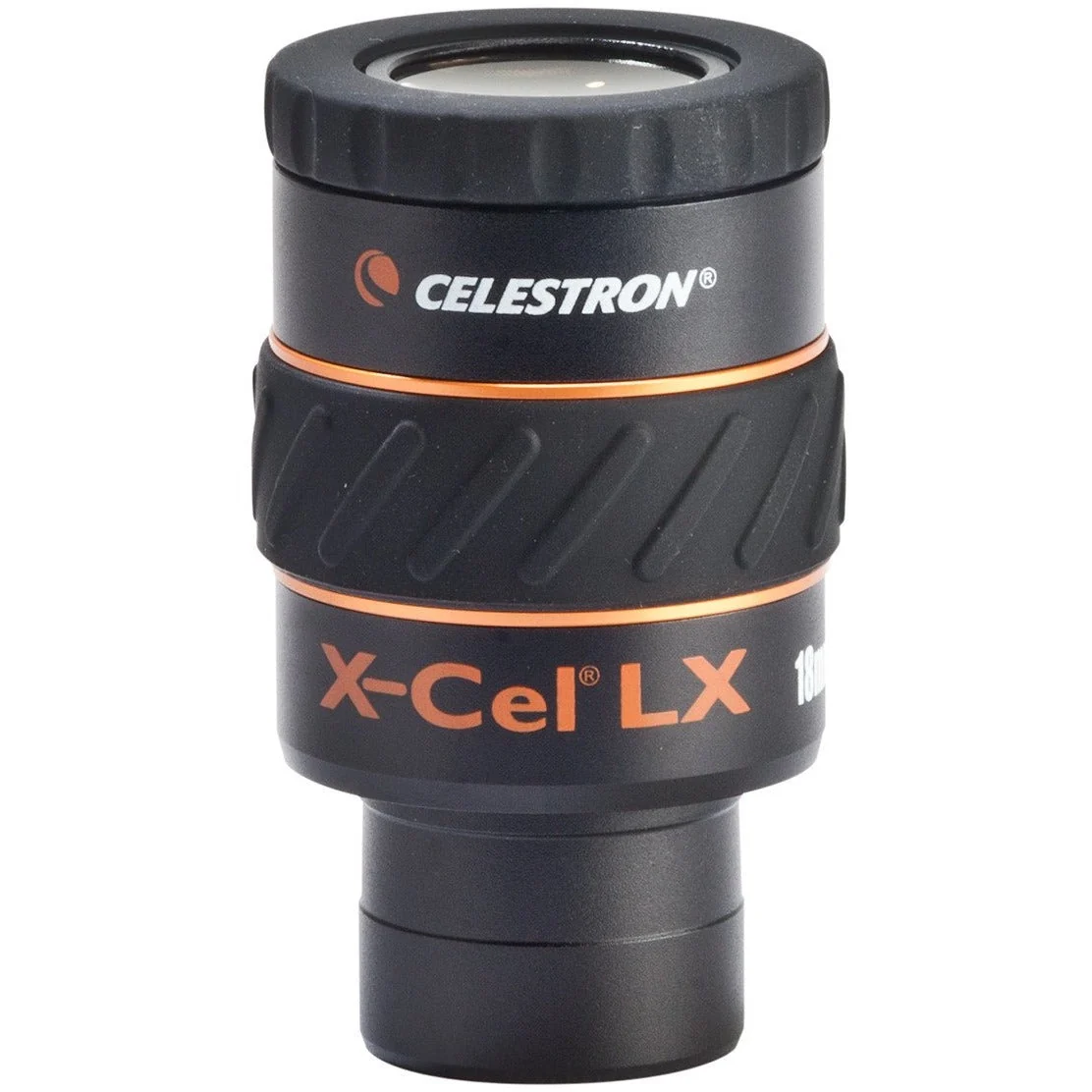
Commonly paired with this telescope
Double your magnificationTele Vue 2x Barlow 1.25-inch
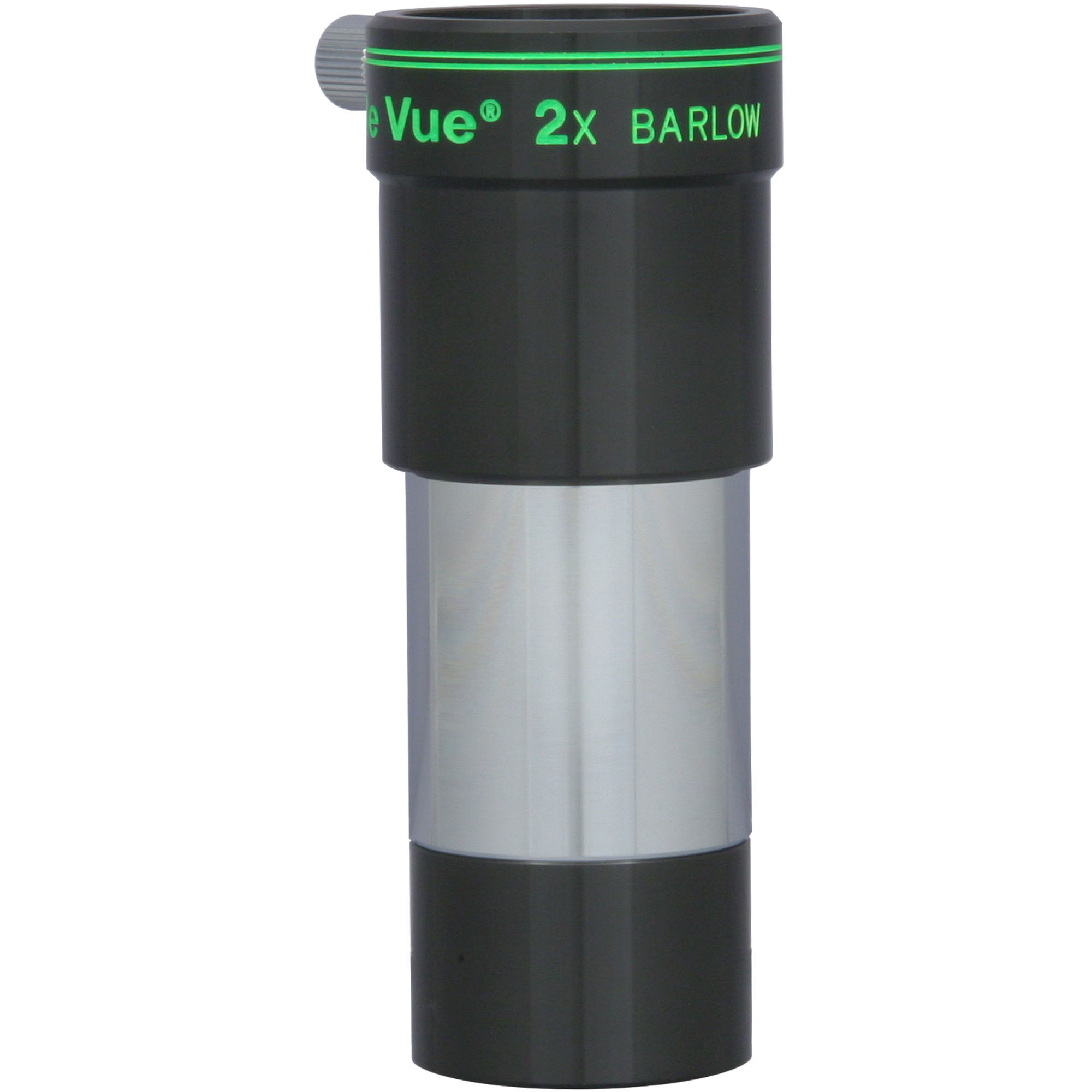
Doubles magnification for closer planetary detail with this telescope
06The numbersFull specifications.
7 measured and stated values
Full specifications.
The XT8 is a Dobsonian, which describes the mount, not the optics: an 8-inch mirror in an open tube that swings on a plain base you push by hand, with no motors, counterweights or alignment. What you pay for is aperture, and an 8-inch mirror turns faint smudges into real galaxies, nebulae and clusters while still fitting in the car. You find targets yourself with a chart or phone app and occasionally collimate (align the mirrors with a cheap tool). Simple, rugged, and more sky per dollar than any other design.
07AlternativesFor a different goal, start here.
3 alternatives, each mapped to the goal it wins at
For a different goal, start here.
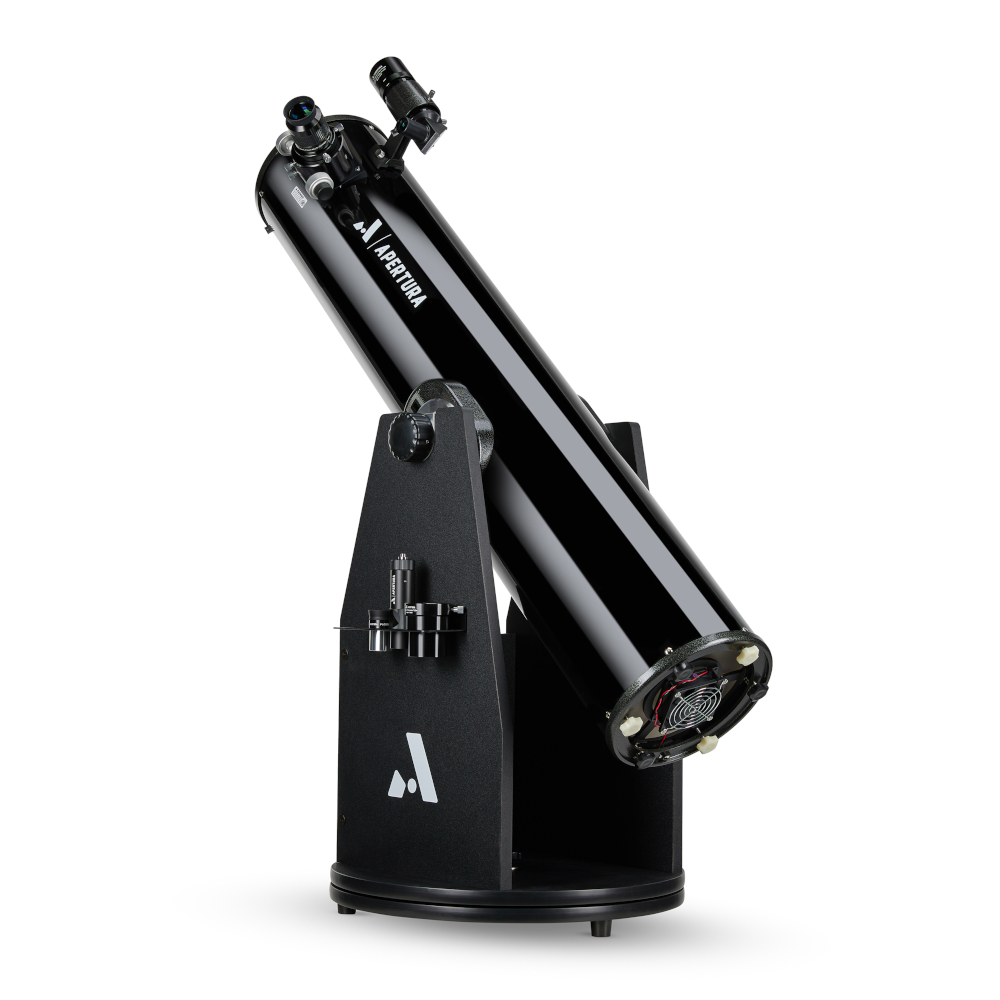
Apertura AD8 Dobsonian
Similar aperture with premium included accessories
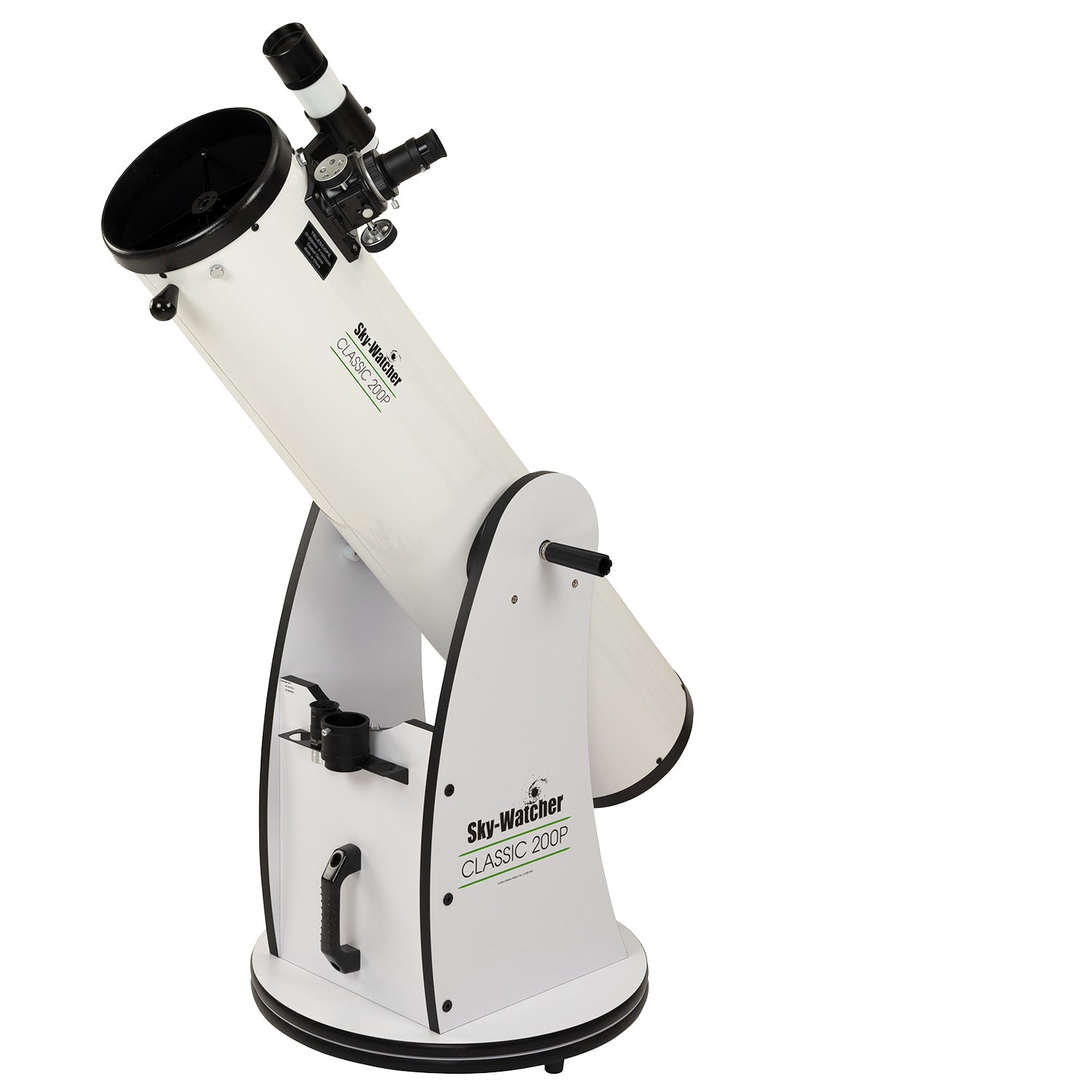
Sky-Watcher Classic 8 Dobsonian
Nearly identical performance at a similar price
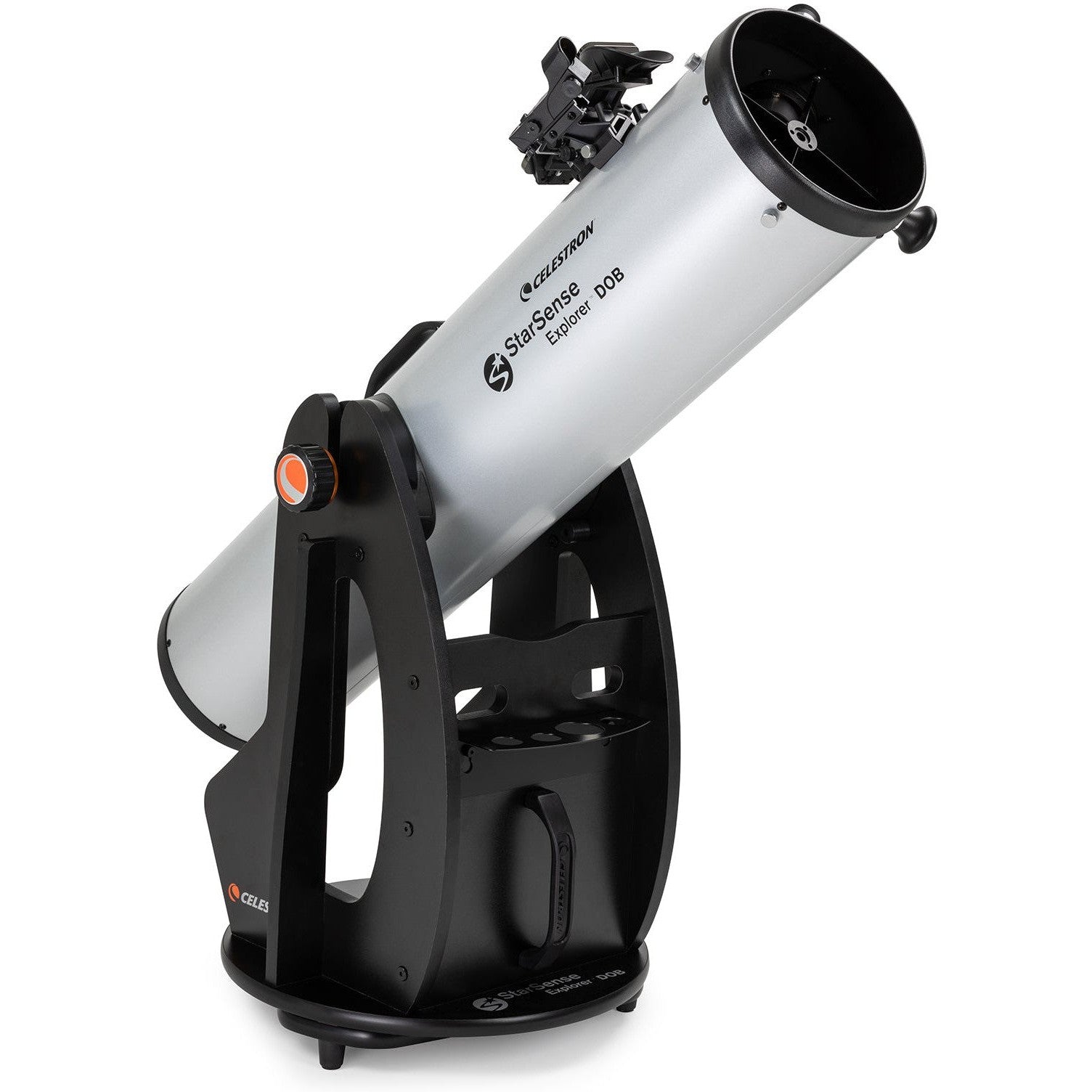
Celestron StarSense Explorer 8 Dobsonian
Same aperture with app-guided object finding