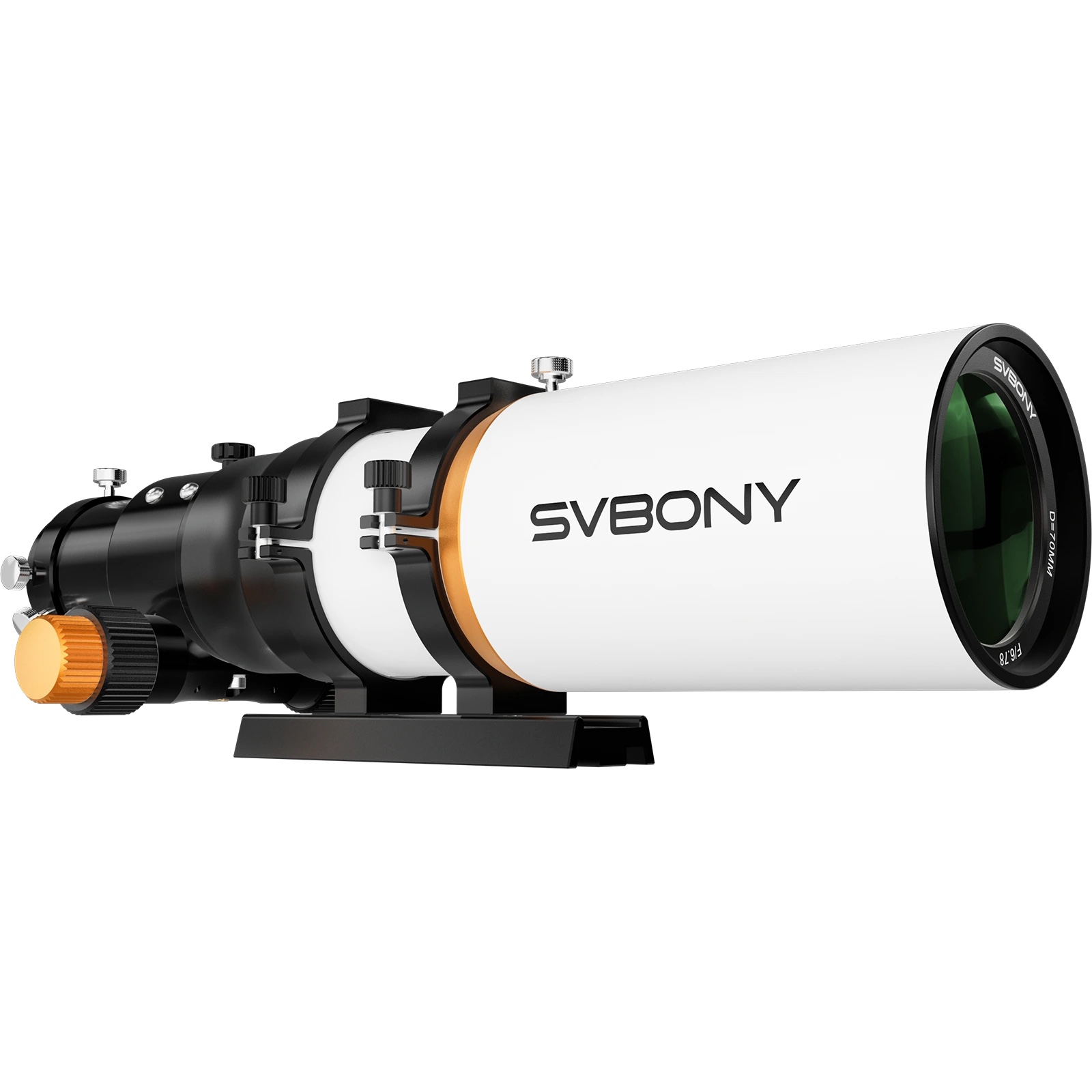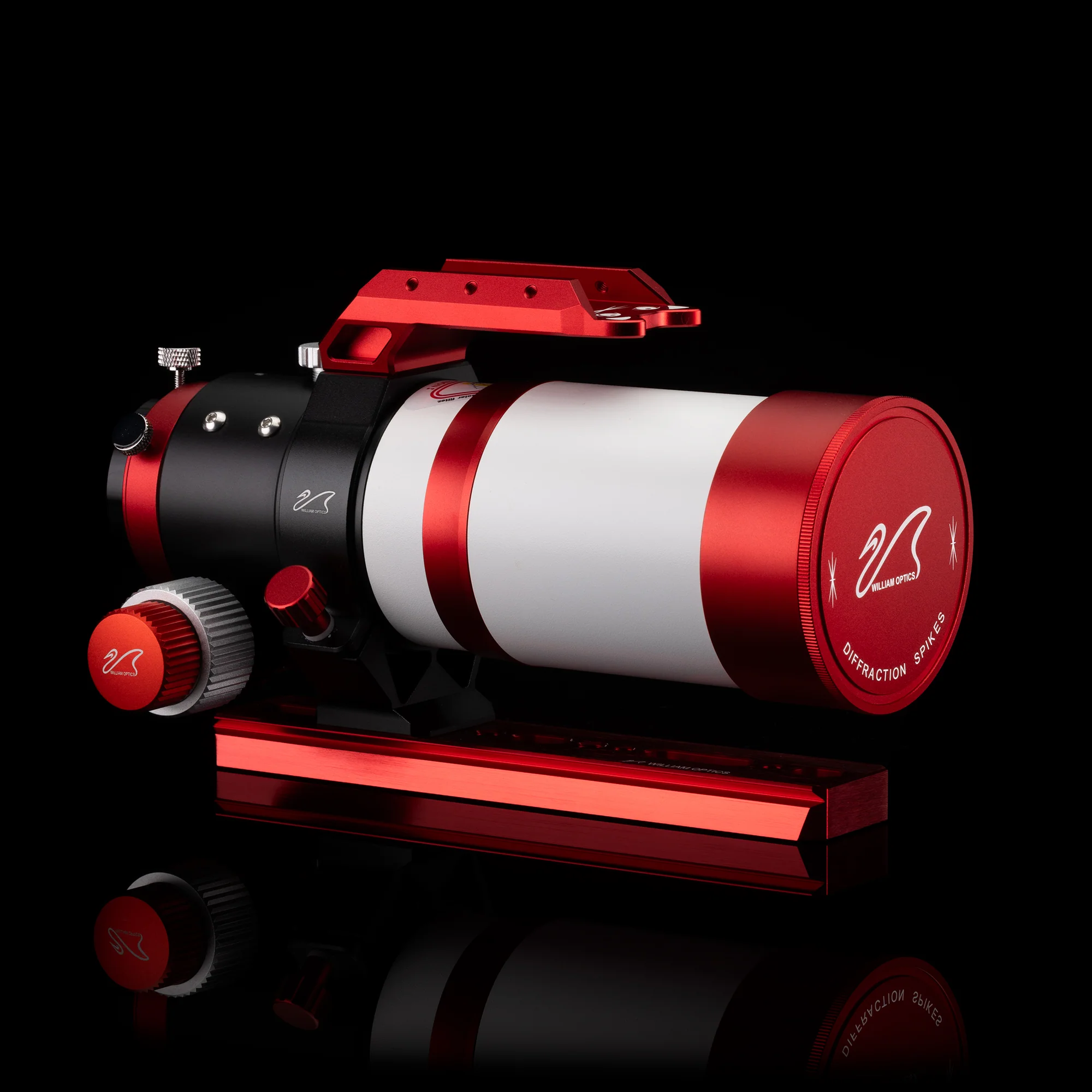
William Optics ZenithStar 61II — image 1
William Optics

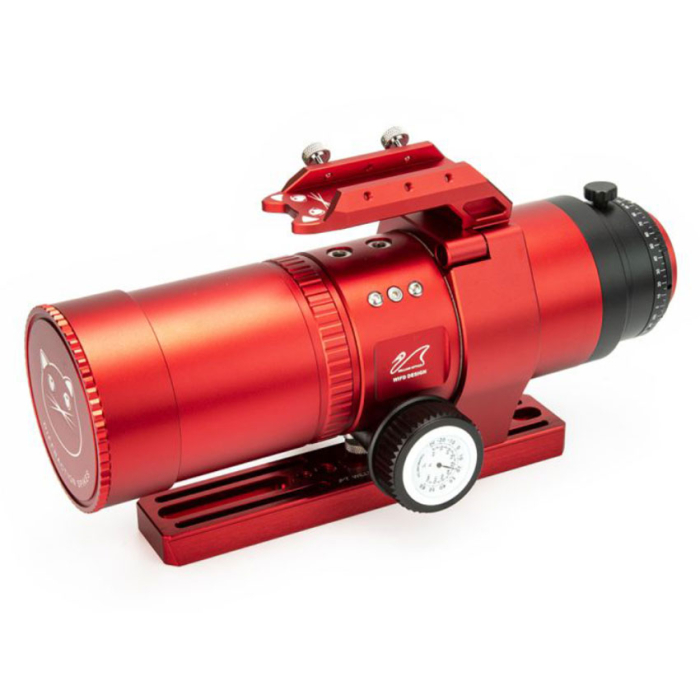
William Optics ZenithStar 61II

No longer sold

A 61mm f/5.9 ED doublet that has become a favourite first imaging scope, light, affordable and beautifully finished, ideal for wide-field astrophotography on a star tracker.

85/ 100
Polaris Score
#4 of 8 compact imaging refractor
See the breakdown ↓
Aperture
61mm
Focal Length
360mm
Focal Ratio
f/5.9
Mount Type
None (OTA only)
Optical Design
ED Doublet Refractor
Weight
1.6 kg
Try in simulator →
No longer sold

Discontinued by the manufacturer (per Agena Astro). We keep the page for reference — see current alternatives below.

See alternatives ↓

What it's built forOpen these in the simulator →

This telescope was built for sweeping wide.

A short, fast refractor with a generous true field — the whole sword of Orion in one view, star fields that spill past the field stop. It rewards low power and dark skies far more than chasing magnification.

Widest true fieldsTack-sharp to the edge
The view people remember

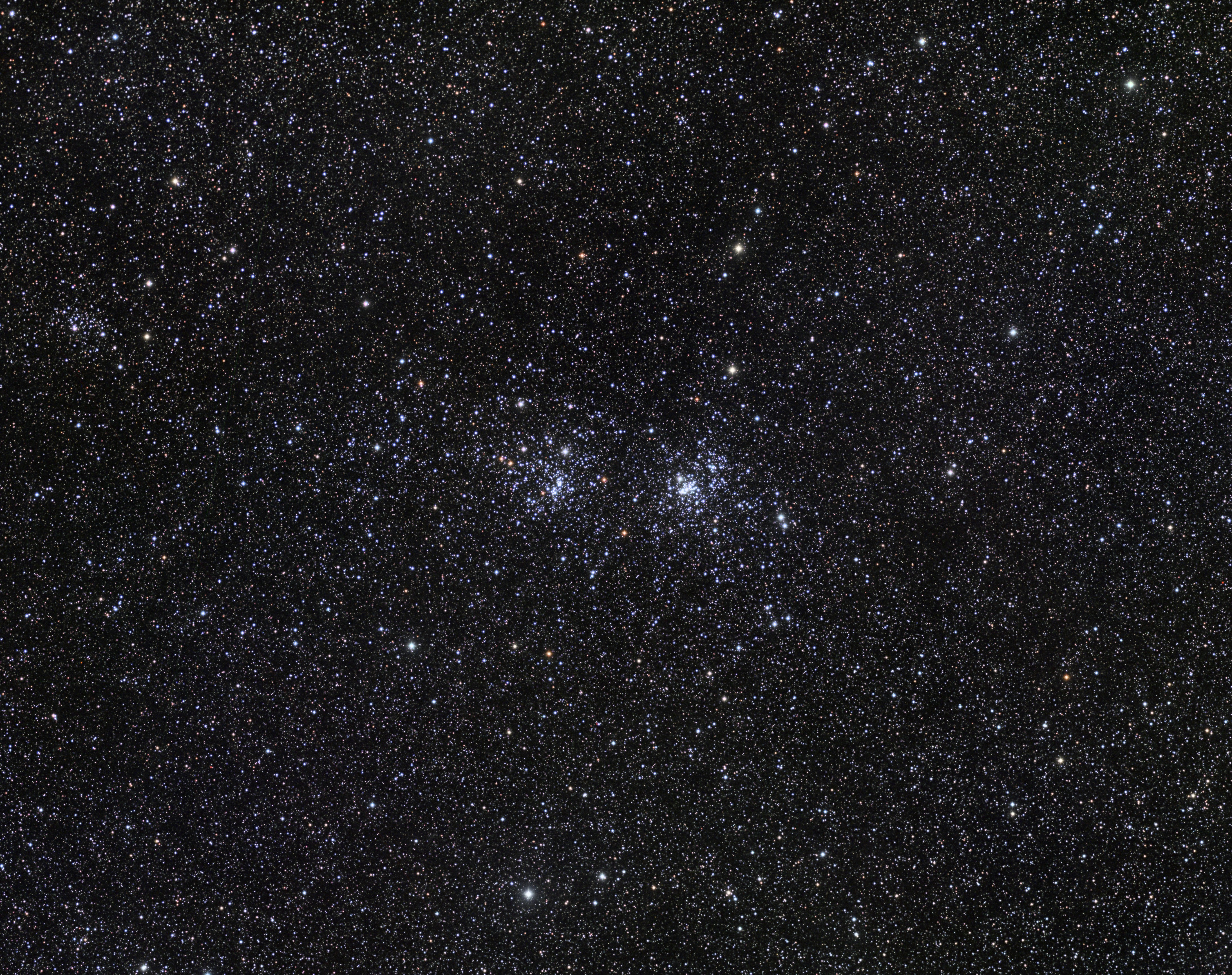
The Double Cluster, side by side.

Two glittering knots of stars sharing one low-power field — a wide, effortless showpiece that rewards the biggest true field you can throw at it.

See Double Cluster through this telescope →
01What it's good at

What it's best at — and the trade-offs.

The FPL-53 ED doublet controls colour well for its price, keeping stars clean with a flattener
Best at
✓The FPL-53 ED doublet controls colour well for its price, keeping stars clean with a flattener
✓360mm at f/5.9 frames large nebulae and the Milky Way, an ideal first imaging focal length
✓At about 1.6kg it rides on the lightest star trackers, keeping the whole rig portable
✓William Optics fit and finish make it feel far more premium than its price
Trade-offs
!A matched flattener is a separate purchase for the flattest stars
!As a doublet it shows slightly more residual colour than a triplet
!61mm and 360mm keep small targets small in the frame
!It is an OTA only and needs a tracker, camera or diagonal to work
02In plain English

What These Numbers Mean

61mm · f/5.9 · 360mm FL
Aperture
61 mm
Under two and a half inches of glass, so faint compact targets require patience. Its purpose is a wide, well corrected field at low cost and low weight, which it delivers.
Focal length
360 mm
Wide field. The Veil complex, the Pleiades, the Heart and Soul and the Andromeda Galaxy all frame comfortably on APS-C, which covers most of the popular starting target list.
Focal ratio
f/5.9
Fast enough to keep exposures short and short enough in focal length that tracking errors rarely show. That forgiveness is the main reason this size is recommended to beginners.
Optical design
ED doublet
Two elements with ED glass remove most visible colour error at a fraction of a triplet's price and weight. The brightest stars can show a trace of halo, which a triplet would eliminate.
Weight
1.6 kg tube
About 3.5 lb, so any star tracker carries it with a camera attached. It packs into a small bag, which is a large part of its appeal.
Mount
OTA only
You supply the mount, and the requirement is minimal. A tracker with reasonable polar alignment is enough for round stars at this focal length.
03The Polaris Score

How it scores, and why.

85/100 · #4 of 8 compact imaging refractor
85/ 100
William Optics ZenithStar 61II
#4 of 8 compact imaging refractor
Performance
83
Ease of use
82
Portability
96
Upgrade potential
80

Polaris weighs optical capability, how easy the scope is to live with, how portable it is, and how far it takes you before you outgrow it — not list price or brand.

04Who it's for

An honest fit check.

Beginners starting wide-field astrophotography on a star tracker
Buy it if you
✓Beginners starting wide-field astrophotography on a star tracker
✓Imagers who want a light, affordable, well-built travel scope
✓People framing large deep-sky regions that a longer scope would crop
Look elsewhere if you
!Planetary specialists who need long focal length and aperture
!Deep-sky visual observers chasing faint galaxies
!Buyers who need a complete package, since this is an OTA only
05Build your rig

What to buy next — and where it leads.

7 pieces of gear, ordered by what changes the view most
Recommended upgrades
No fogging on long sessions★ Top pickPegasus Astro Multi-Channel Dew Controller
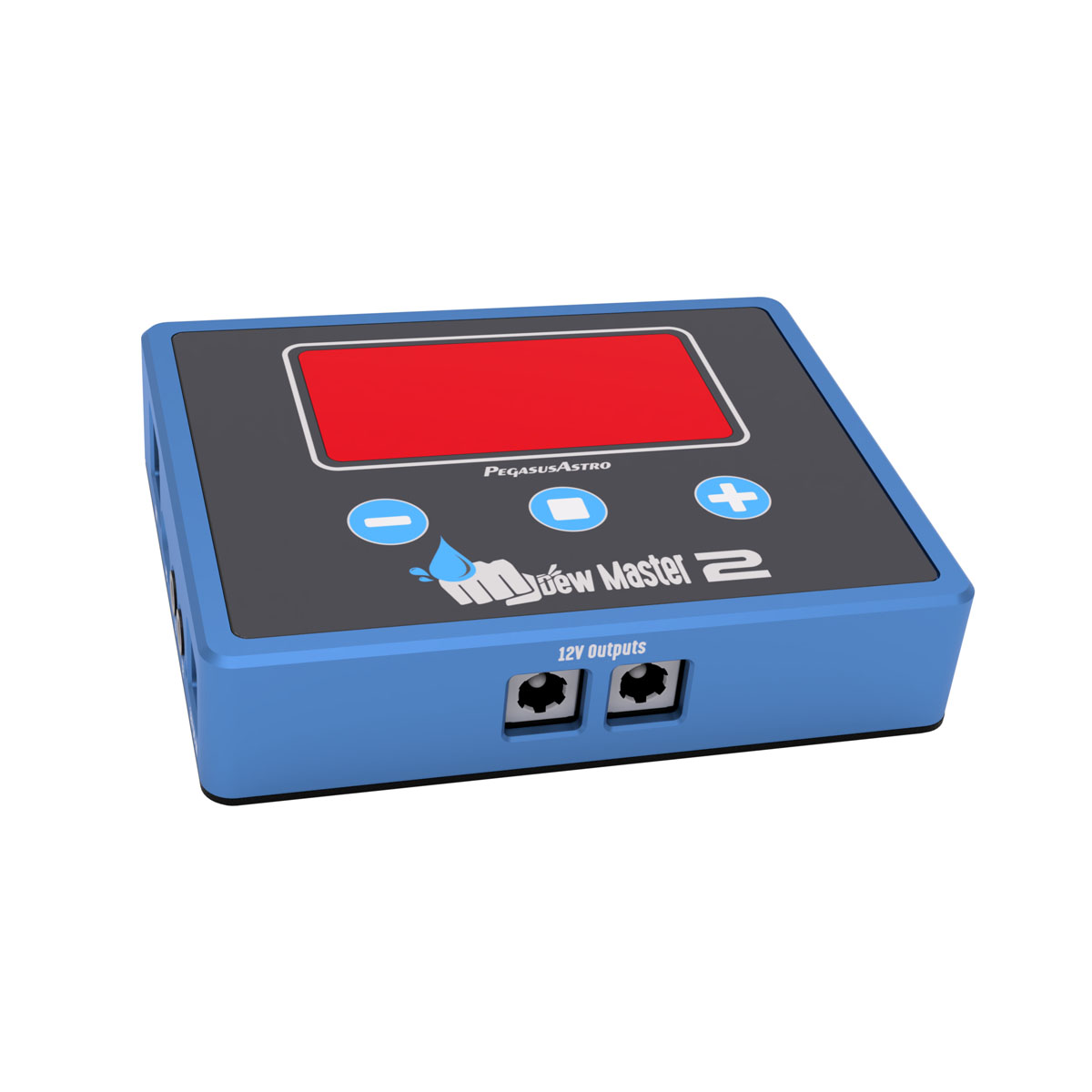
Keeps the objective dew-free through imaging nights

Make nebulae popOptolong UHC Filter 2″
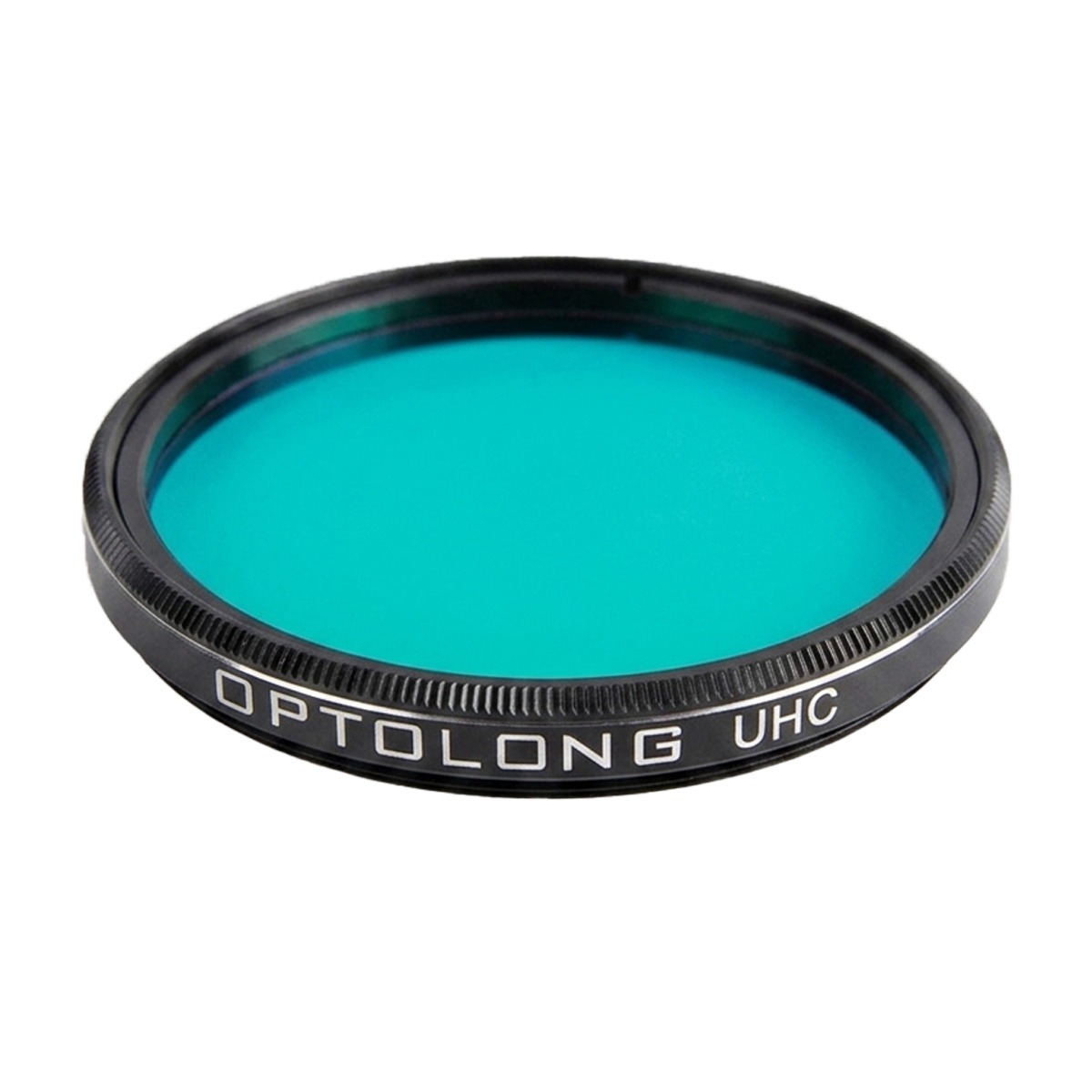
Boosts nebula contrast for both visual and imaging

Observe all night, no AA batteriesCelestron PowerTank Lithium
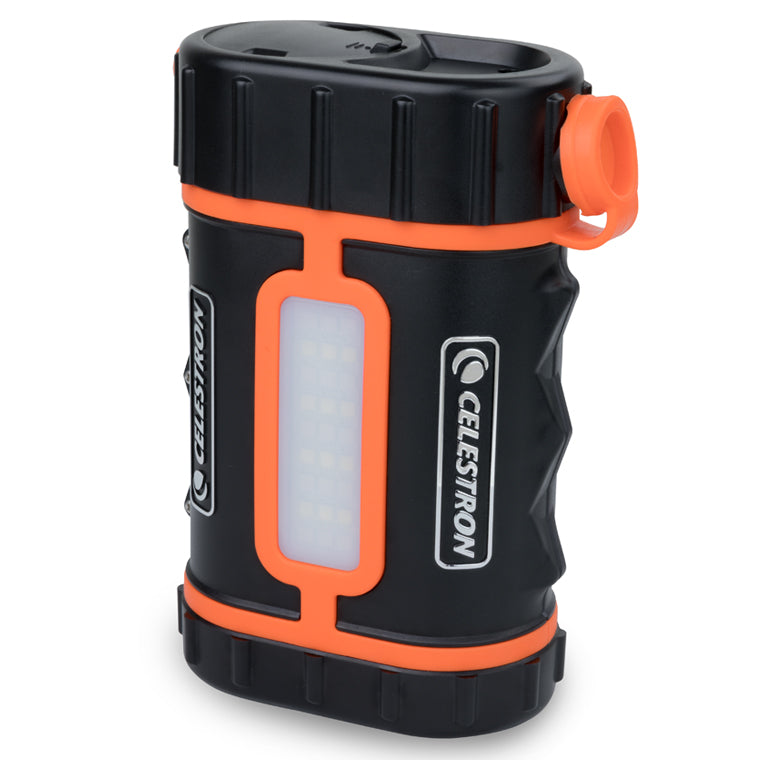
Runs a tracker, camera and dew heater away from mains power

Growth path
Better tracking & light imagingSky-Watcher HEQ5 Pro SynScan GoTo Mount✓ Compatible
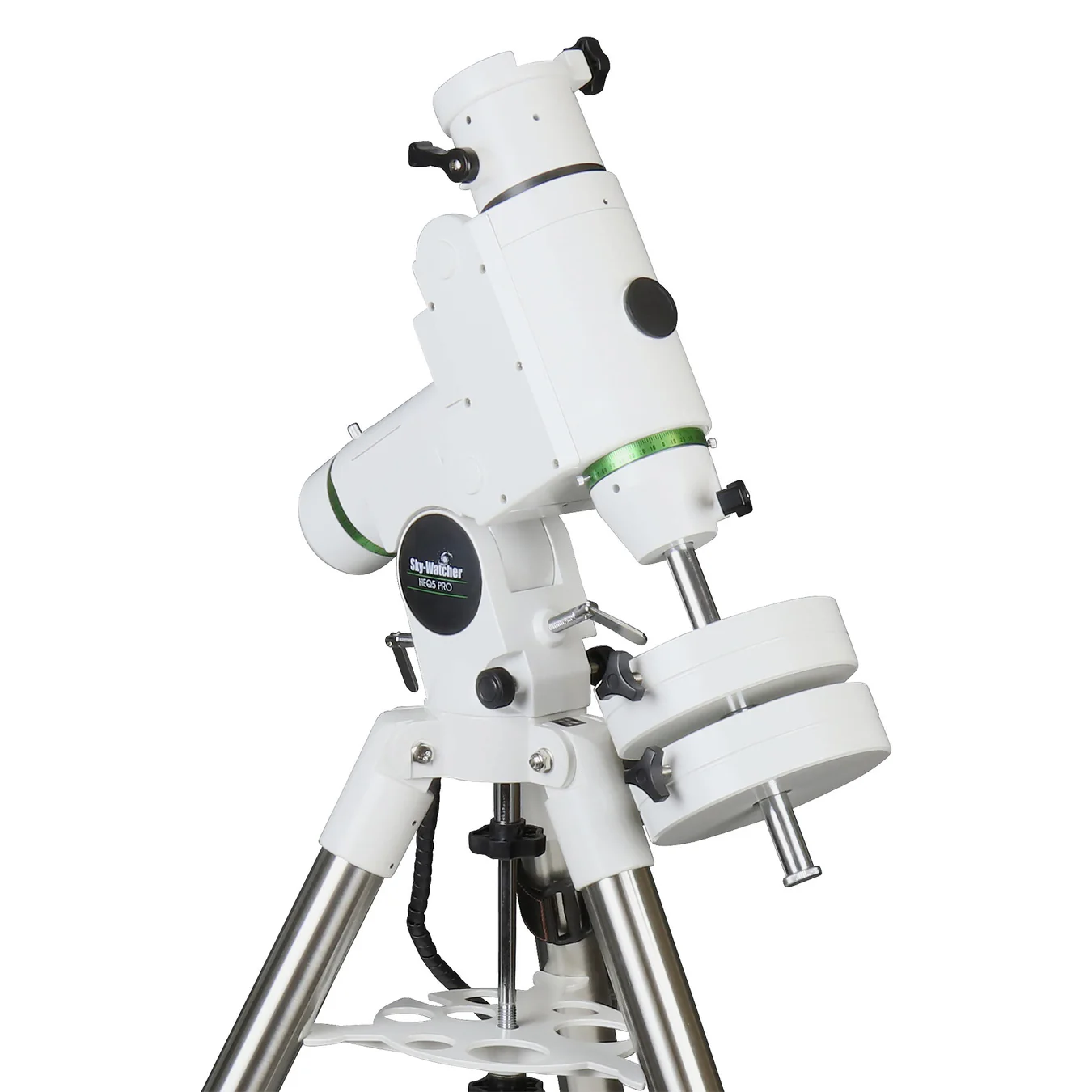
Commonly paired with this telescope

Portable astrophotographyZWO AM5N Harmonic Equatorial Mount✓ Compatible

Start capturing images of the Moon and planets

A versatile upgradeSky-Watcher Star Adventurer GTi GoTo EQ Mount Kit✓ Compatible
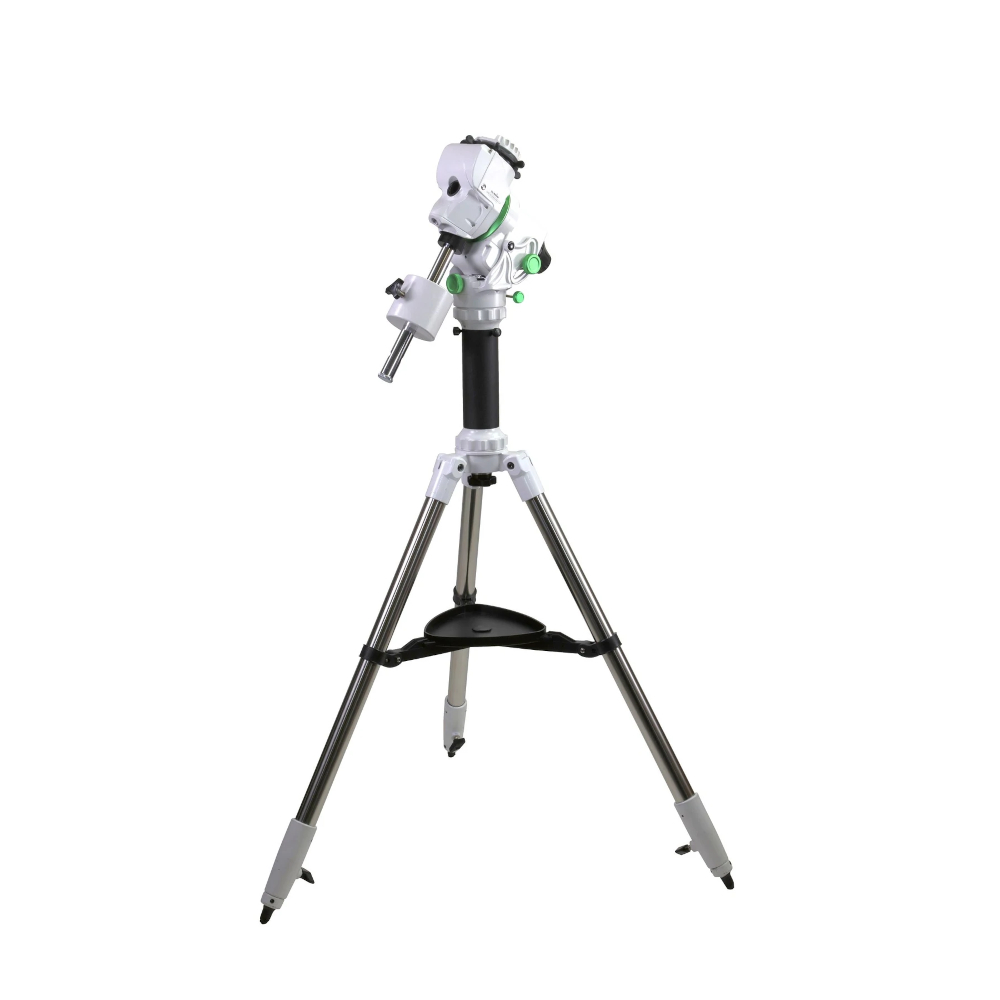
Commonly paired with this telescope

Start imagingZWO ASI533MC Pro
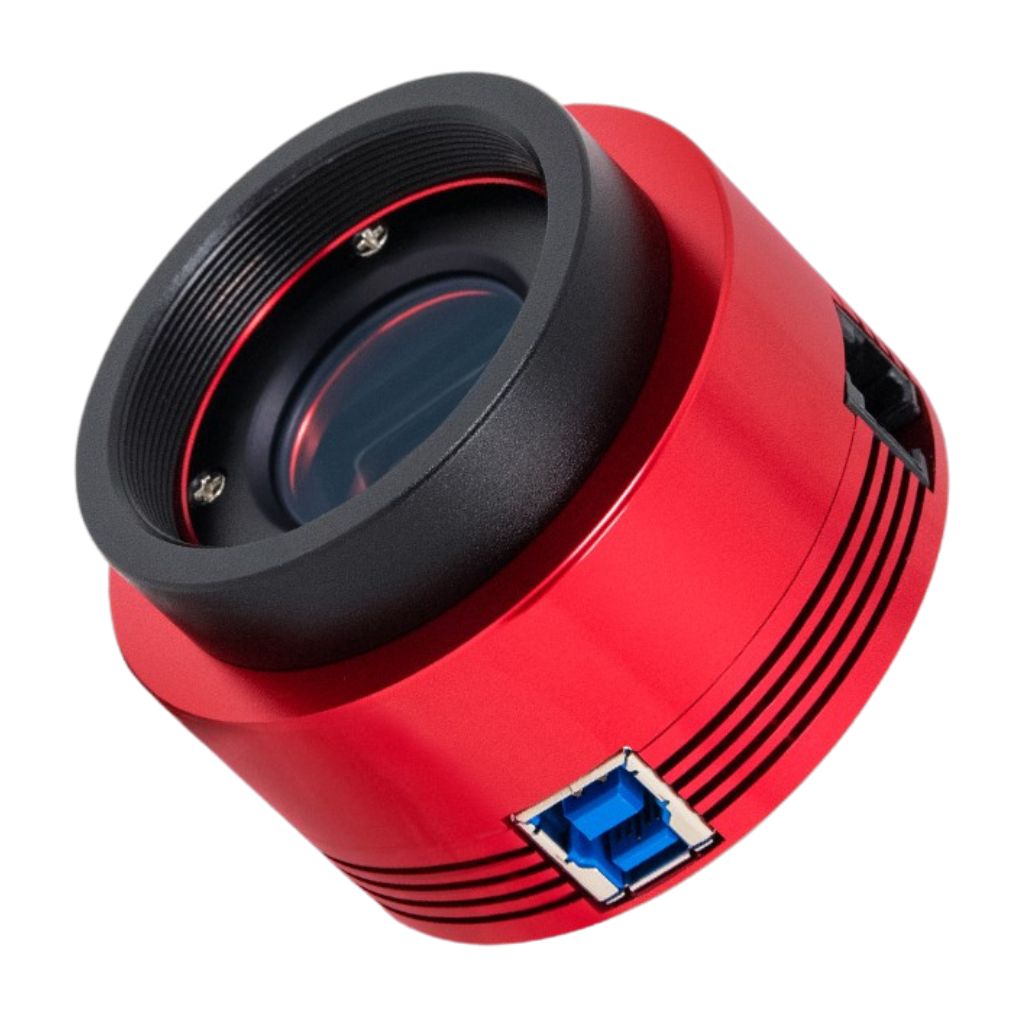
Start capturing images of the Moon and planets

Lunar & planetary
Excellent contrast
Deep-sky imaging
Strong with a flattener
Deep-sky visual
Wide, low-power views
06The numbers

Full specifications.

6 measured and stated values
Optics
Optical DesignED Doublet Refractor
Aperture61mm
Focal Length360mm
Focal Ratiof/5.9
Mount & drive
Mount TypeNone (OTA only)
Physical
Weight1.6 kg