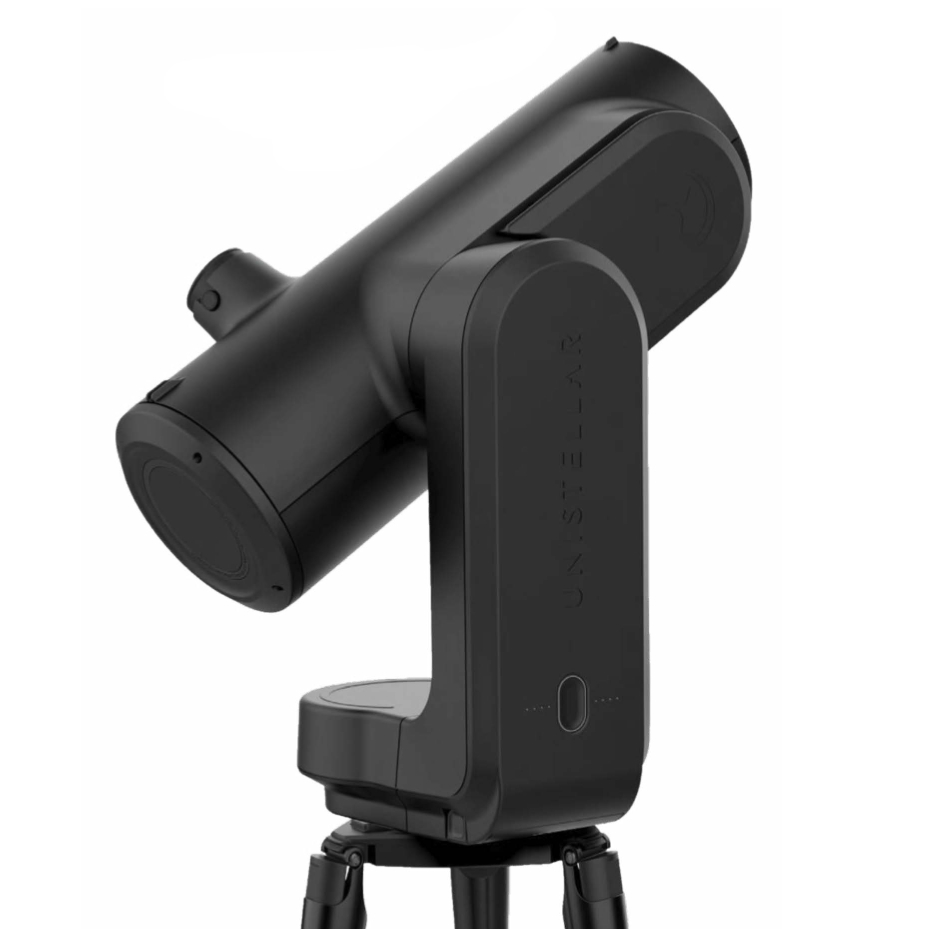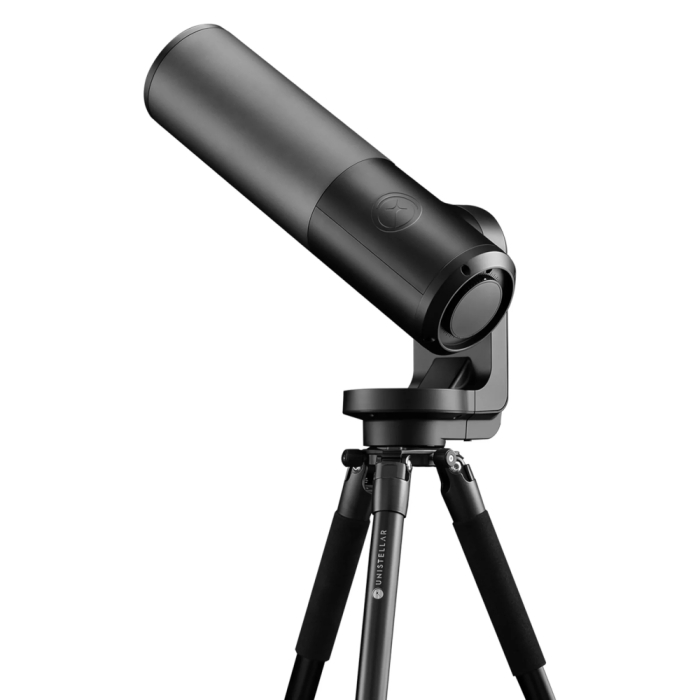
Unistellar eQuinox 2 — image 1
Unistellar

Unistellar eQuinox 2

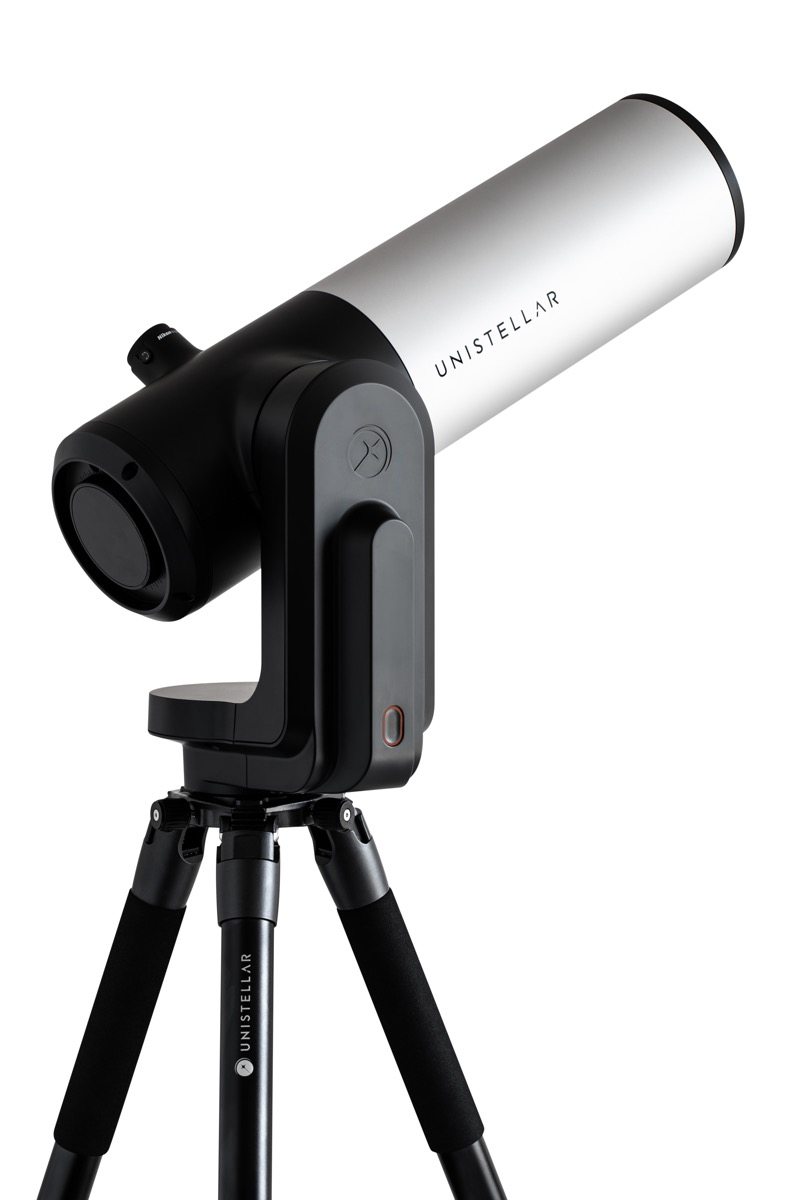
A polished smart telescope built around Unistellar's app and deep-sky processing. The eQuinox 2 has no eyepiece; instead it delivers bright, processed views on your phone, with strong light-pollution handling for city observers.

75/ 100
Polaris Score
#1 of 5 premium smart telescopes
See the breakdown ↓
Aperture
114mm
Focal Length
450mm
Focal Ratio
f/4
Mount Type
Integrated Alt-Az GoTo
Optical Design
Smart Reflector
Pixel Size
2.4µm
From$2,899

Lowest in 90 daysLast $2,464 in Jul 2026

Price tracked by PolarisObserved 128 timesTracking since Jun 2026

See captured results →
Where to buy

Verified 14h ago · prices tracked daily

What it's built forOpen these in the simulator →

This telescope was built to capture, not to squint.

Point it, tap a target, and it stacks a live image on your phone — color and faint detail no eyepiece will show you. The trade is simple: the experience lives on a screen, not at an eyepiece.

Fully automated captureStacks live in the app
The view people remember

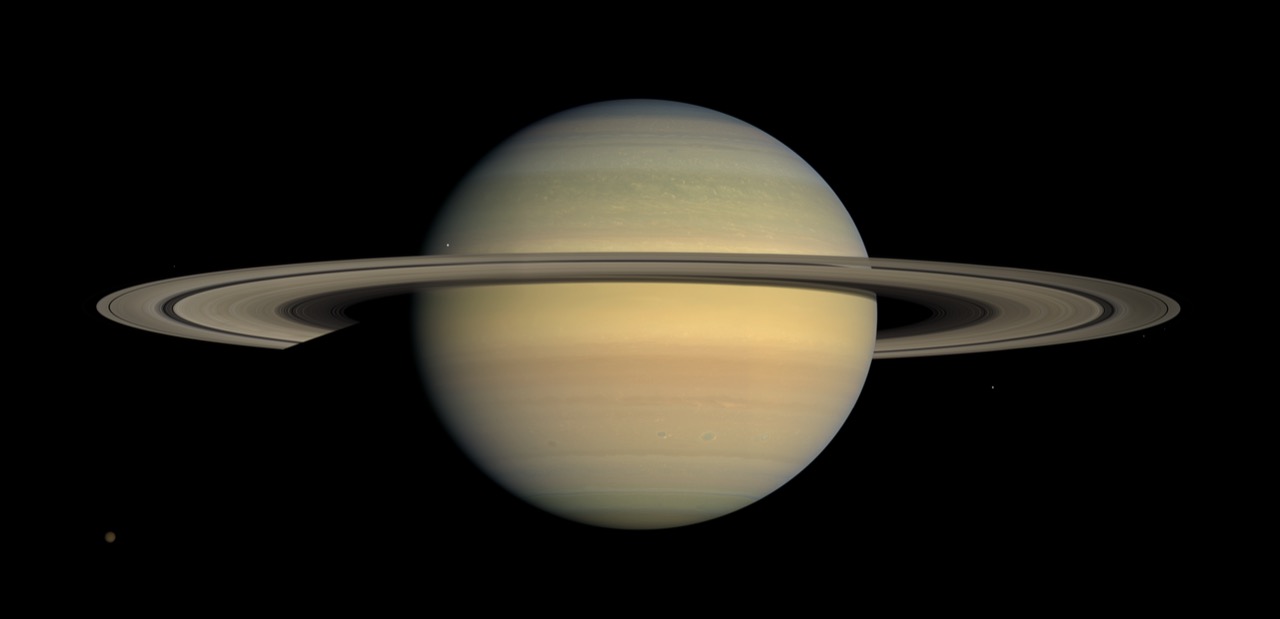
Andromeda, wider than the Moon.

A vast soft oval with a blazing core — two and a half million light-years of galaxy, spilling well past the field of view under a genuinely dark sky.

See Andromeda Galaxy through this telescope →
01What it's good at

What it's best at — and the trade-offs.

114 mm of aperture at f/4 gathers enough light for detailed processed deep-sky views.
Best at
✓114 mm of aperture at f/4 gathers enough light for detailed processed deep-sky views.
✓Unistellar's enhanced-vision processing pulls color and structure out of light-polluted skies.
✓Fully automated pointing and tracking make it effortless to run and to share.
✓The app supports citizen-science campaigns like occultations and comet monitoring.
Trade-offs
!There is no true optical eyepiece; you view on a device.
!It is a deep-sky instrument, so planets remain small and low in detail.
!The experience is tied to Unistellar's app and ecosystem.
!The price is high relative to cheaper smart scopes with comparable basics.
02In plain English

What These Numbers Mean

114mm · f/4 · 450mm FL · Integrated Alt-Az GoTo
Aperture
114 mm
Four and a half inches is large for a smart telescope, where 50 to 85 mm is more typical. That light grasp is what lets it build a recognisable image of a faint galaxy in a few minutes of live stacking rather than an hour.
Focal length
450 mm
Short focal length paired with a fairly large aperture gives a wide field and a bright image. Nebulae, clusters and larger galaxies frame naturally; small planetary nebulae and the planets are not this system's strength.
Focal ratio
f/4
Fast, which is what makes live stacking practical: each short frame carries enough signal that the image visibly improves every few seconds while you watch.
Optical design
Sealed smart reflector
A mirror system with a camera in place of an eyepiece and no optical viewing at all. The whole experience happens on a phone or tablet, and several people can watch the same live view at once.
Weight
9.2 kg complete
About 20 lb including the integrated mount and tripod. It is portable in the sense that it fits a backpack, but it is substantially heavier than the small smart telescopes it competes with.
Mount
Integrated alt-azimuth GoTo
The mount aligns itself by plate-solving the real sky, then finds and tracks any target you select, with no setup routine to learn. Alt-azimuth tracking means it stacks many short exposures rather than taking long ones.
03The Polaris Score

How it scores, and why.

75/100 · #1 of 5 premium smart telescopes
75/ 100
Unistellar eQuinox 2
#1 of 5 premium smart telescopes
Performance
78
Ease of use
88
Portability
78
Upgrade potential
35

Polaris weighs optical capability, how easy the scope is to live with, how portable it is, and how far it takes you before you outgrow it — not list price or brand.

04Who it's for

An honest fit check.

City observers who want results despite light pollution
Buy it if you
✓City observers who want results despite light pollution
✓People who prefer sharing a screen to eyepiece time
✓Users drawn to citizen-science participation
Look elsewhere if you
!Visual purists who want to look through the scope
!Planetary imagers (the fast, short optic is a deep-sky tool)
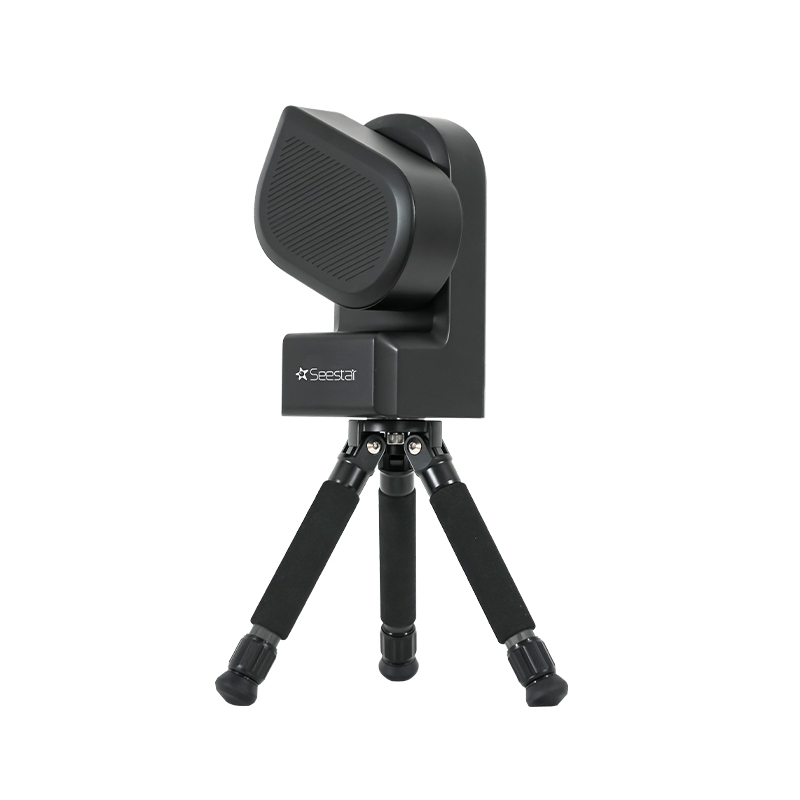
!Budget buyers (it costs far more than a Seestar for similar core function)
05The numbers

Full specifications.

13 measured and stated values
Optics
Optical DesignSmart Reflector
Aperture114mm
Focal Length450mm
Focal Ratiof/4
Mount & drive
Mount TypeIntegrated Alt-Az GoTo
Physical
Weight9.2 kg
Imaging
Pixel Size2.4µm
Sensor Width5.97mm
Sensor Height4.48mm
More
controlMobile App (Unistellar)
imagingLive stacking astrophotography
SensorSony IMX347
TrackingAutomatic GoTo + tracking
Editor’s Take

The eQuinox 2 is a "smart telescope," which works nothing like a traditional one: no eyepiece, just a small scope pointed at a camera you run from your phone. It finds and tracks its own targets and stacks short exposures live, so a faint grey smudge builds into a bright, colourful galaxy on screen in a minute or two, a technique called electronically-assisted astronomy (EAA) that cuts through city light far better than an eyepiece can. You give up the through-the-glass view and any optical upgrades, but nothing is easier or more shareable.

— The Skynocular verdict
06Alternatives

For a different goal, start here.

2 alternatives, each mapped to the goal it wins at