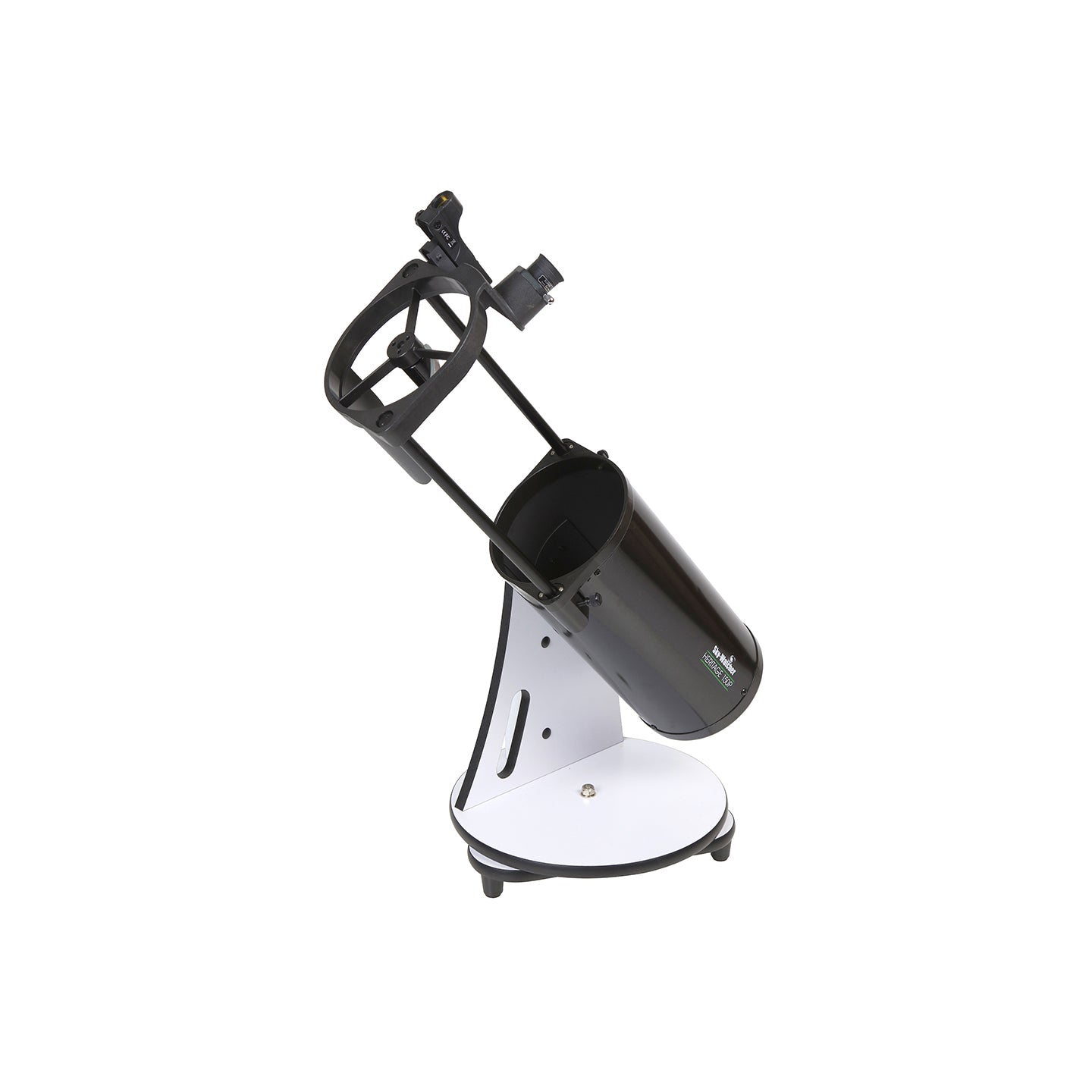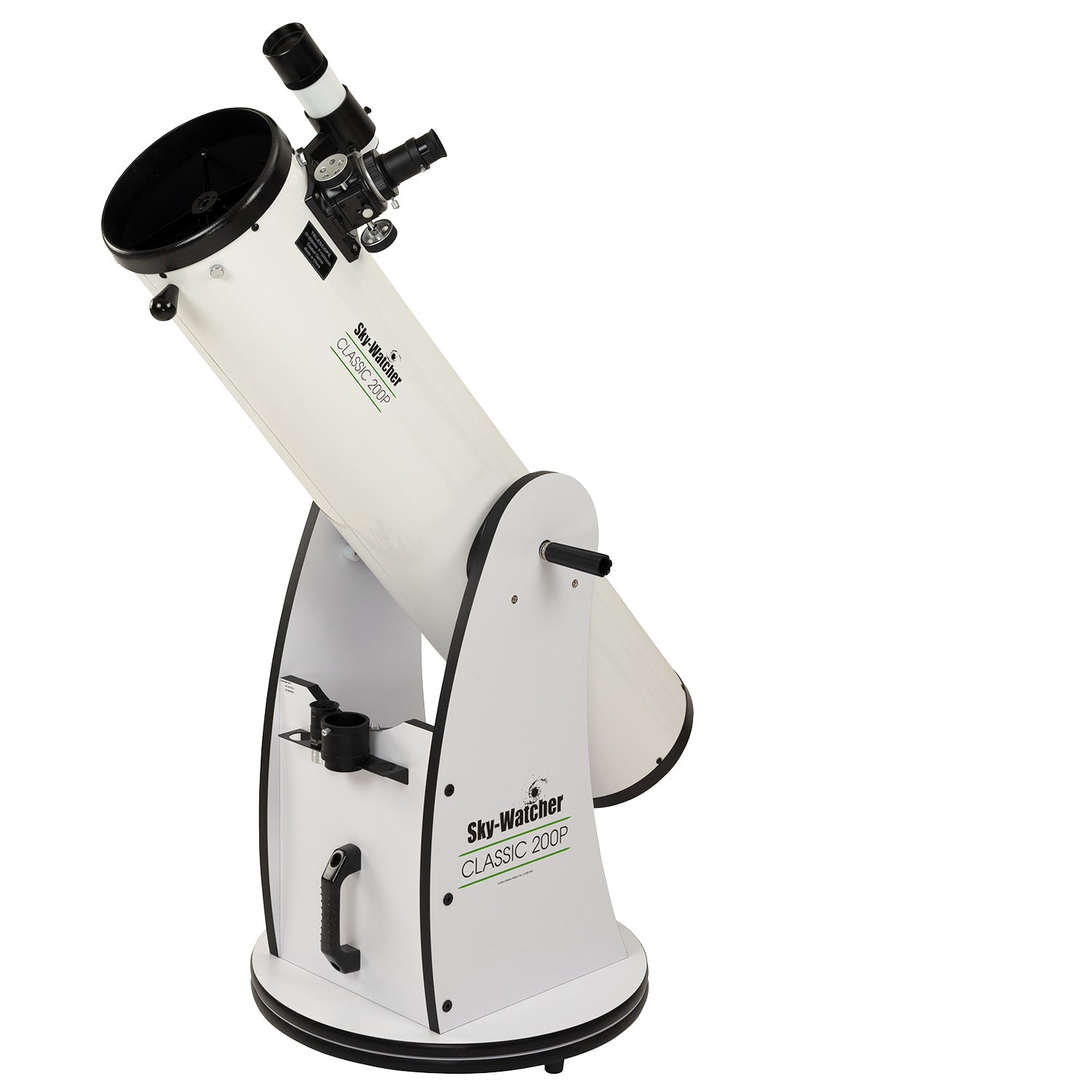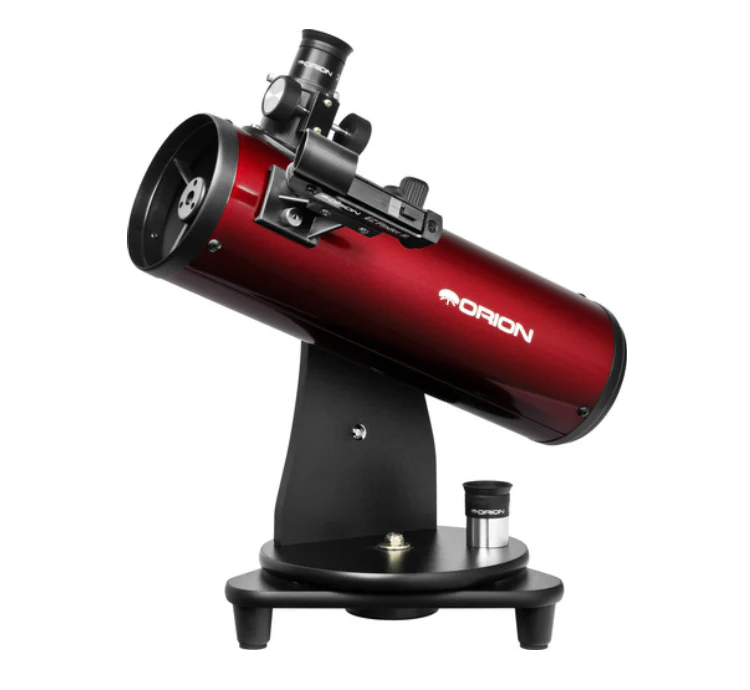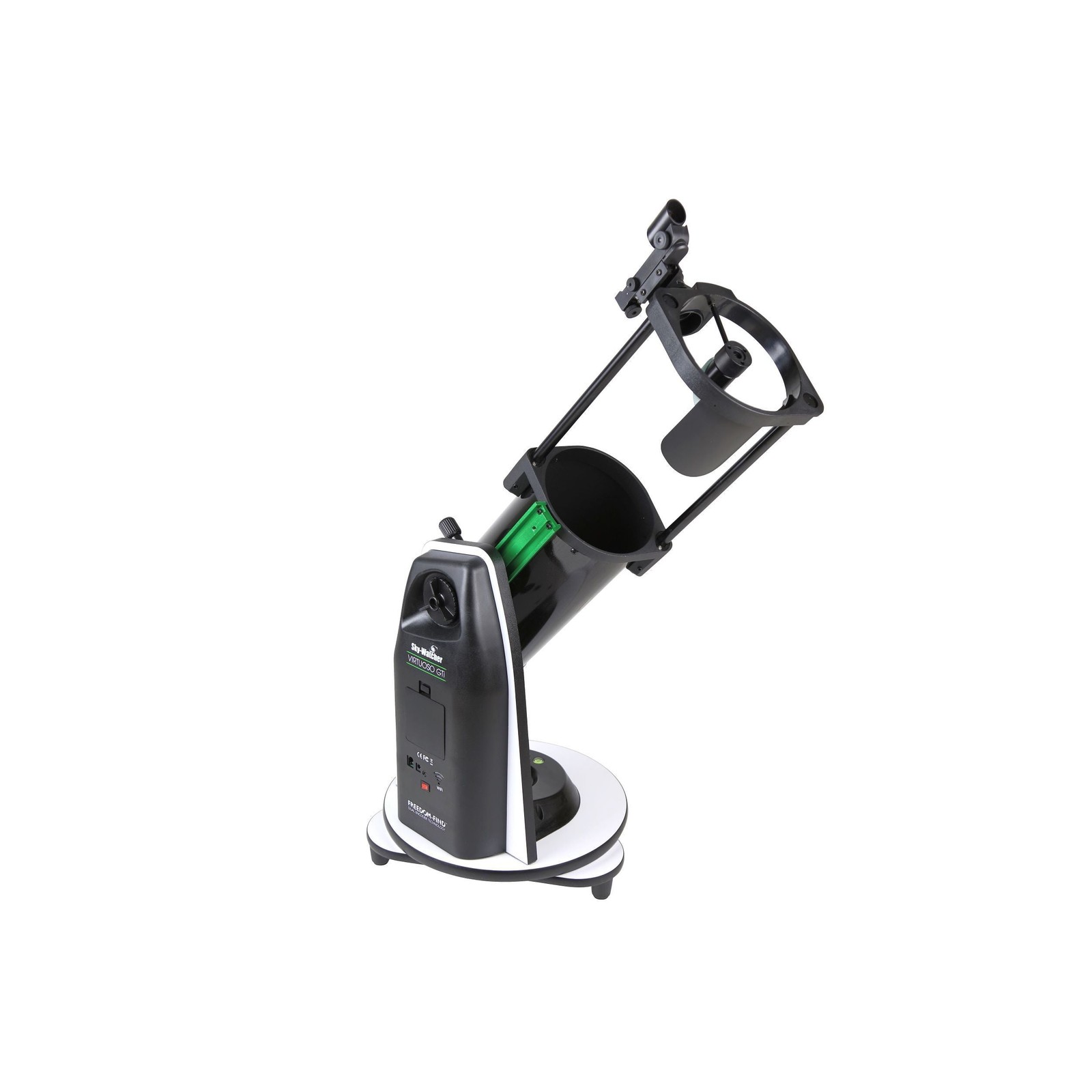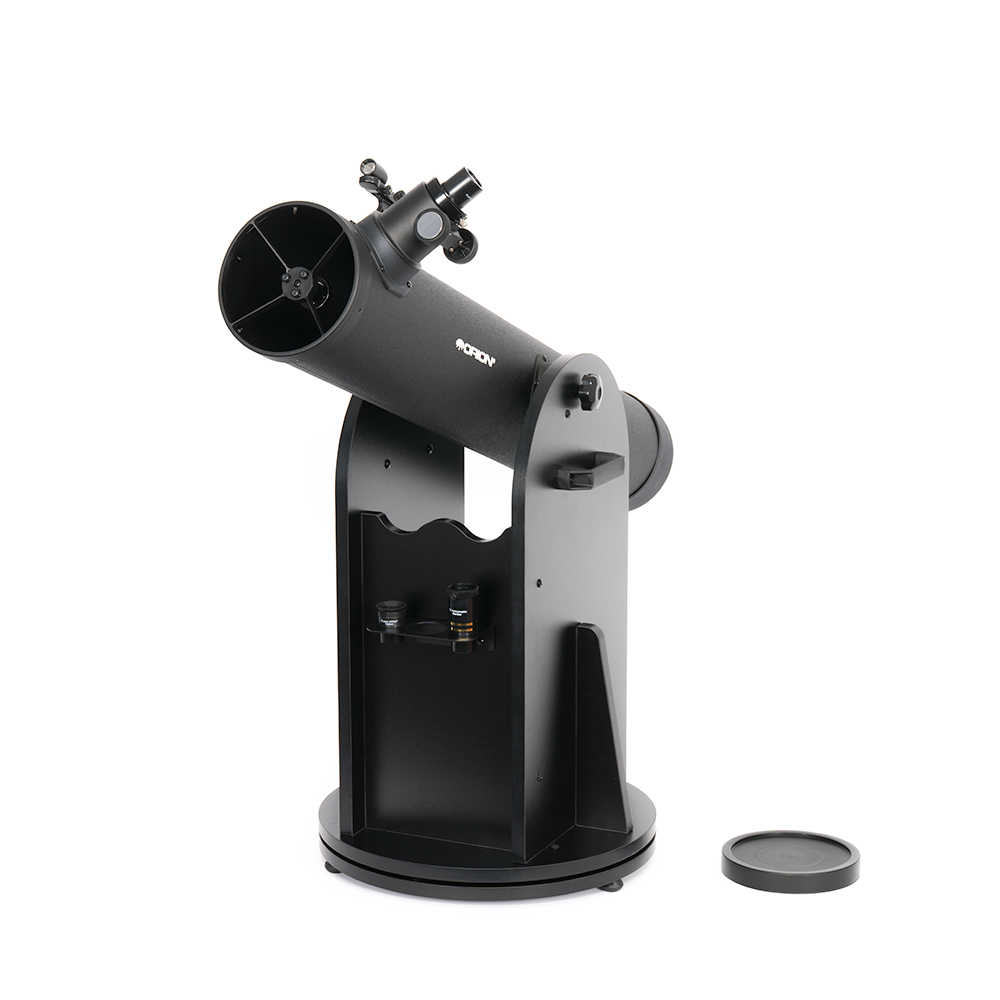
Orion SkyScanner 135 mm Dobsonian Telescope — image 1
Orion

Orion SkyScanner 135 mm Dobsonian Telescope

A 135 mm f/8 Dobsonian built the way planetary scopes used to be built, with a long tube and a very small secondary mirror, which buys contrast on the Moon and planets that a fast 6-inch will not match. Orion shut down in 2024, so the stock on the shelf is the last of it.

75/ 100
Polaris Score
Performance · ease · portability · upgrade path
See the breakdown ↓
Aperture
135mm
Focal Length
1100mm
Focal Ratio
f/8
Mount Type
Dobsonian
Optical Design
Newtonian
Weight
14.8 kg
From$349.95

Lowest in 90 daysLowest ever tracked

Price tracked by PolarisObserved 42 timesTracking since Mar 2026

Try in simulator →
Where to buy

Verified yesterday · prices tracked daily

What it's built forOpen these in the simulator →

This telescope was built for your first nights out.

Light, simple, and forgiving — it shows the Moon, the bright planets, and the showpiece clusters without a manual. The kind of scope that actually gets used, because it is easy to carry out and easy to point.

Easy 30–120× viewsSet up in minutes
The view people remember

The Moon, raked by shadow.

Along the terminator the crater walls throw long shadows and the surface turns three-dimensional — the view almost everyone remembers from their first night at a telescope.

See The Moon through this telescope →
01What it's good at

What it's best at — and the trade-offs.

The 38 mm secondary blocks only 28 percent of the aperture across, under 8 percent by area, which is low for a Newtonian and shows up directly as…
Best at
✓The 38 mm secondary blocks only 28 percent of the aperture across, under 8 percent by area, which is low for a Newtonian and shows up directly as planetary contrast
✓f/8 is forgiving in a way fast Dobsonians are not: coma is negligible, collimation tolerance is wide, and cheap eyepieces perform close to their best
✓1100 mm of focal length reaches 110x with the supplied 10 mm eyepiece, so it arrives at planetary magnification without buying anything
✓A full floor base rather than a tabletop, so it does not need furniture to be usable
Trade-offs
!The focuser takes 1.25-inch eyepieces only, which caps the widest possible true field near 1.4 degrees and rules out 2-inch wide-field eyepieces permanently
!At $349.95 it is priced against a 150 mm Heritage, which gathers 23 percent more light for the same money
!32.6 lb in two pieces with a 40-inch tube, so it is a two-trip carry rather than a grab-and-go
!Orion ceased trading in 2024, so once this stock sells through there is no warranty, no spare focuser and no support
02In plain English

What These Numbers Mean

135mm · f/8 · 1100mm FL · Dobsonian
Aperture
135 mm (5.3 inch)
Gathers roughly 370 times the light of your eye and resolves to 0.86 arcseconds, which is enough to split most double stars a beginner will chase and to show Cassini's Division in Saturn's rings on a steady night. It is a real step past a 100 mm scope, though a 6-inch gathers 23 percent more and a 8-inch nearly two and a half times as much.
Focal length
1100 mm
Long for this aperture, and that is the whole point of the design. The supplied 10 mm eyepiece already gives 110x without a Barlow, where a short tabletop scope would need a 4 mm eyepiece to get there. The cost is field width: wide targets like the Pleiades or the Andromeda galaxy will not fit.
Focal ratio
f/8
Slow optics are easy optics. Coma at the field edge is negligible instead of obvious, collimation errors are forgiven rather than punished, and inexpensive eyepieces show tight stars corner to corner. This is why an f/8 scope often outperforms a faster one of the same size on planets with the eyepieces people actually own.
Optical design
Newtonian, 38 mm secondary
The secondary mirror obstructs 28 percent of the aperture across and under 8 percent of its area, which is small for a Newtonian and unusual at this price. A large obstruction drains contrast from fine planetary detail; keeping it this small is the single design decision that makes this a planetary telescope rather than a general-purpose one.
Focuser
1.25 inch rack and pinion
This is the specification that limits the telescope, and it cannot be upgraded away. A 1.25-inch barrel caps the field stop near 27 mm, so at 1100 mm focal length the widest true field you can ever reach is about 1.4 degrees. Everything sharp about this scope happens above 40x; below that it simply cannot go wide.
Weight
14.8 kg total
32.6 lb split into an 8.9 lb tube and a 23.6 lb base, with the tube 40 inches long. You carry it out in two trips and assemble nothing, which is manageable for a garden but not for a hike. It stands on the ground at a comfortable height, so unlike a tabletop scope it needs no furniture.
03The Polaris Score

How it scores, and why.

75/100
75/ 100
Orion SkyScanner 135 mm Dobsonian Telescope
Performance
75
Ease of use
85
Portability
60
Upgrade potential
45

Polaris weighs optical capability, how easy the scope is to live with, how portable it is, and how far it takes you before you outgrow it — not list price or brand.

04Who it's for

An honest fit check.

Observers whose main interest is the Moon, the planets and double stars
Buy it if you
✓Observers whose main interest is the Moon, the planets and double stars
✓Beginners who want a floor-standing Dobsonian without an 8-inch scope's bulk
✓Anyone who would rather have a small, sharp, forgiving telescope than a big fussy one
Look elsewhere if you
!Deep-sky observers, who get more from 150 mm or 200 mm of aperture at a faster ratio
!Anyone who wants a warranty or spare parts, because Orion no longer exists to supply them
!Astrophotographers, since a manual Dobsonian base does not track
05Build your rig

What to buy next — and where it leads.

7 pieces of gear, ordered by what changes the view most
Recommended upgrades
A sharper everyday view★ Top pickExplore Scientific 68deg 24mm
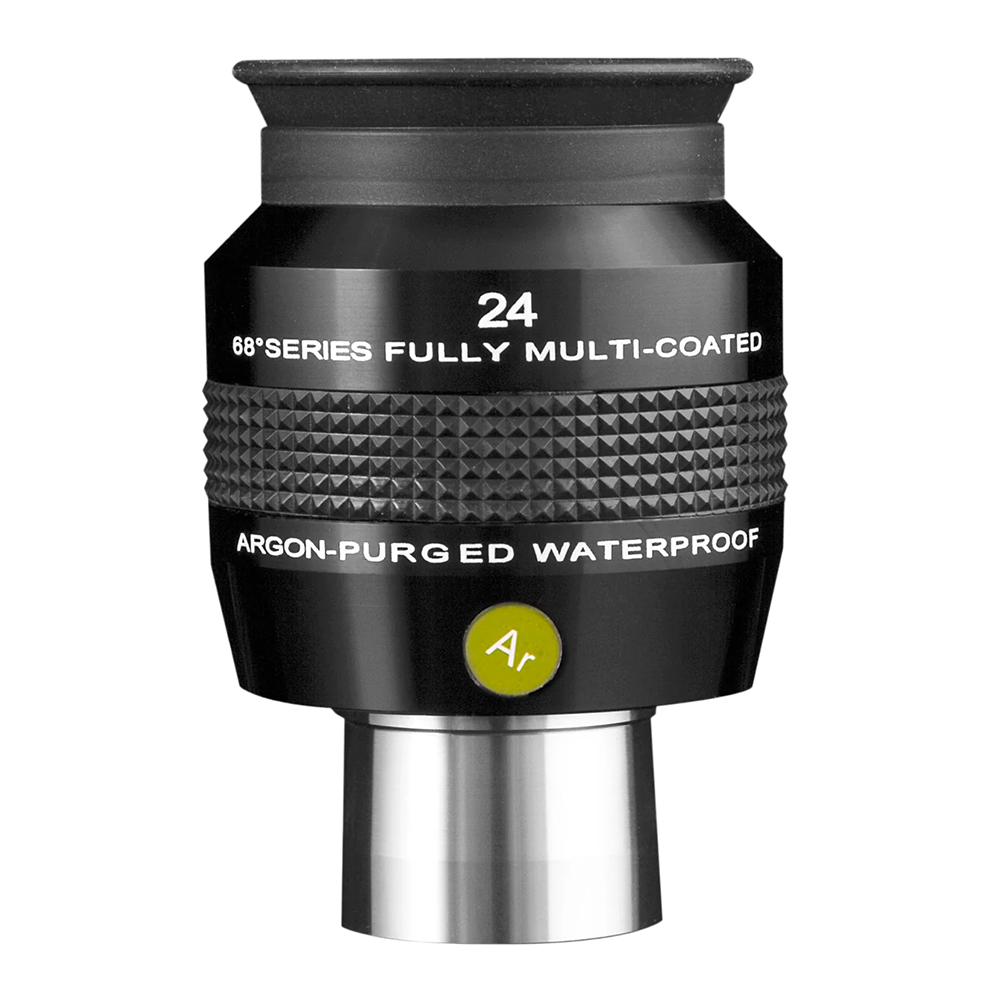
The widest genuinely good field a 1.25-inch focuser allows, at 46x

A sharper everyday viewCelestron X-Cel LX 12mm
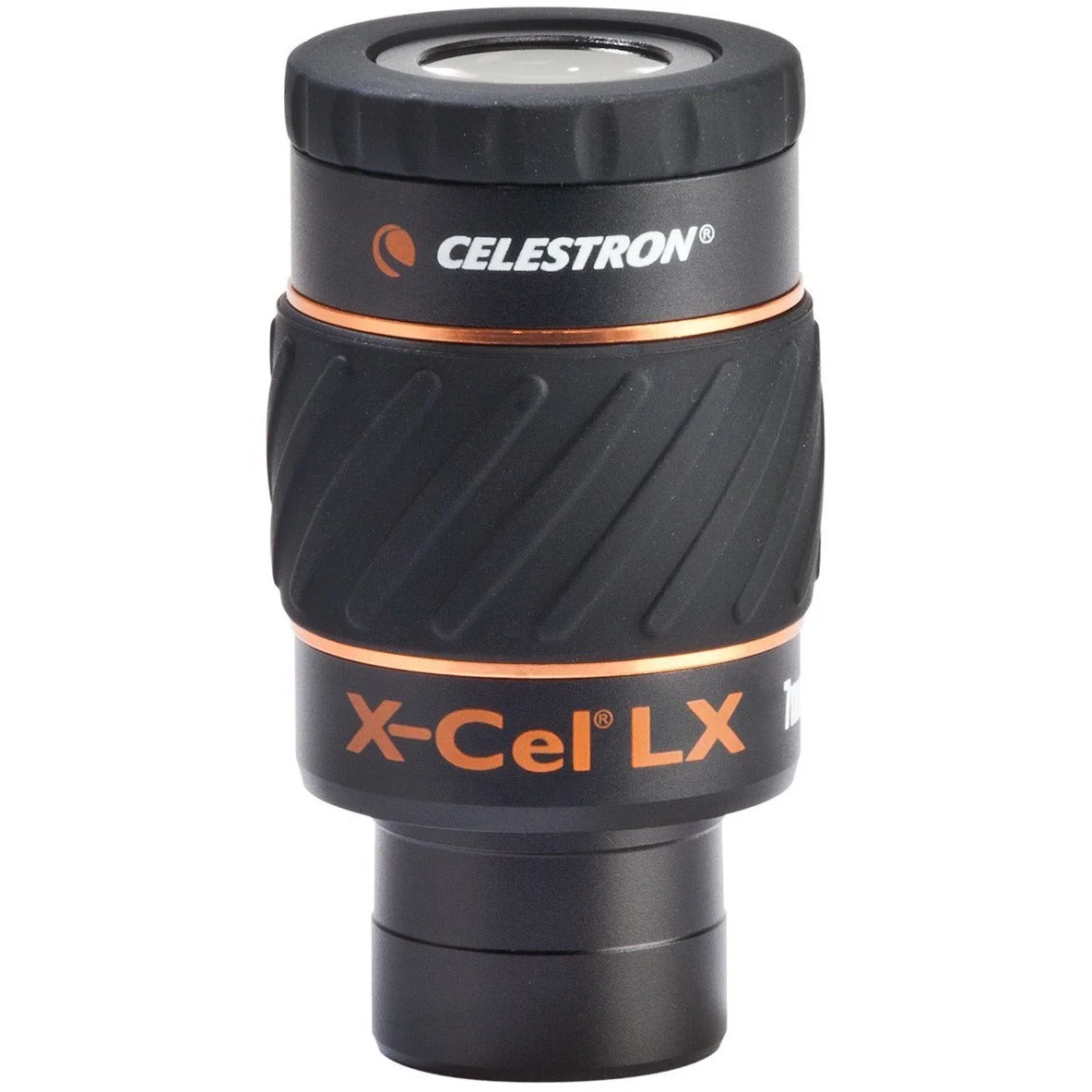
92x with good eye relief, the power this scope is built for

Tame lunar glareGSO Moon Filter 13pct 1.25-inch

Tames a gibbous Moon at 110x

Observe better
Make nebulae popSVBony UHC 1.25-inch
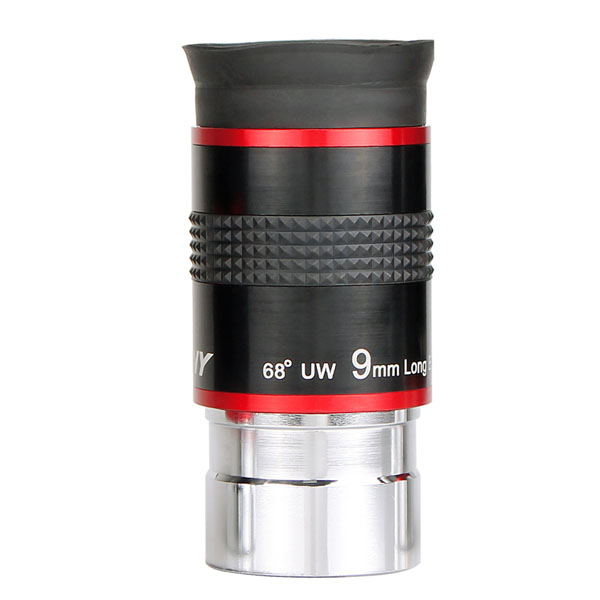
Sharper planets & lunar detailSVBony Redline 9mm Ultra Wide Angle
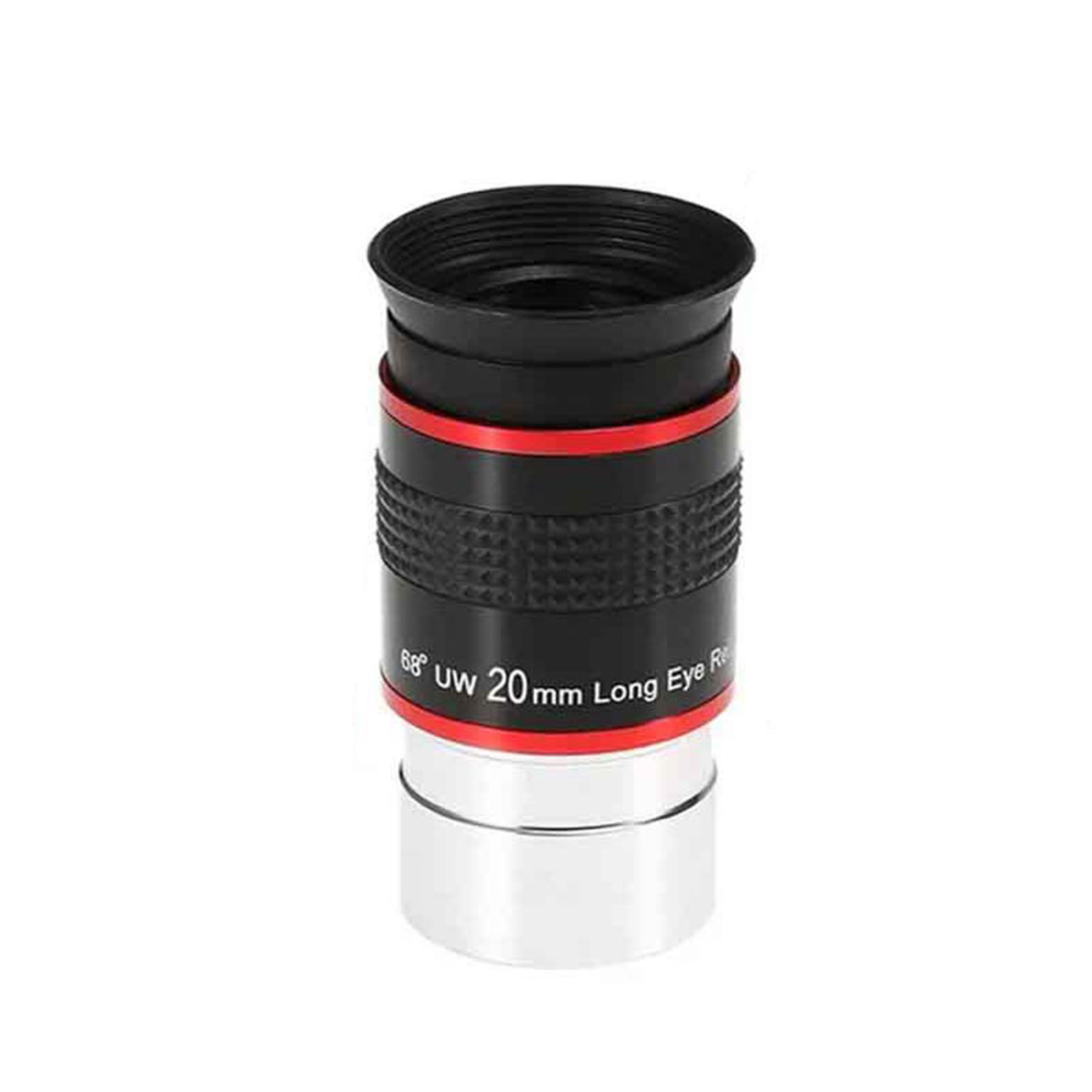
A sharper everyday viewSVBony Redline 20mm Ultra Wide Angle
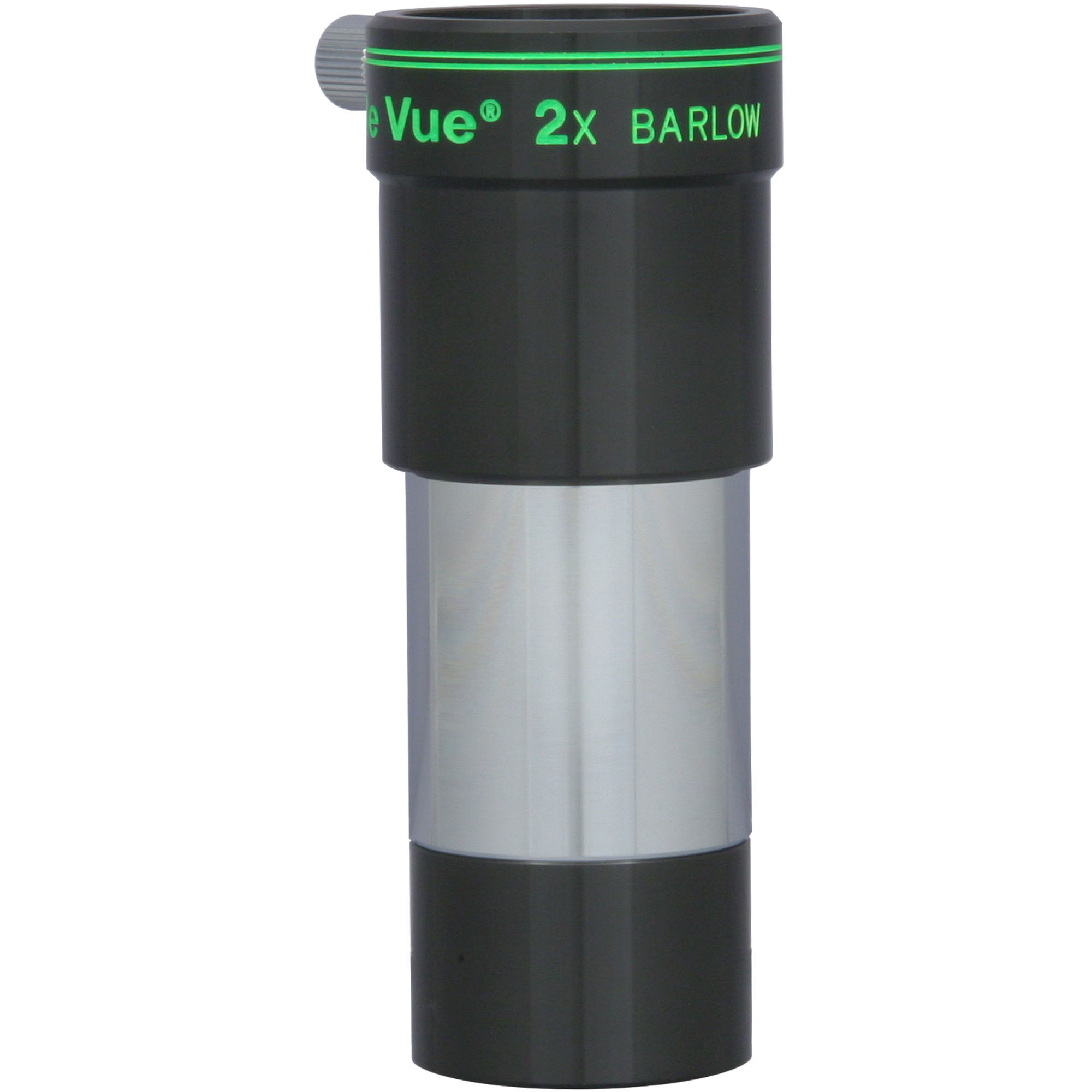
Double your magnificationTele Vue 2x Barlow 1.25-inch
Lunar & planetary
Excellent
Deep-sky visual
Strong
Astrophotography
Not its purpose, a visual scope
06The numbers

Full specifications.

6 measured and stated values
Optics
Optical DesignNewtonian
Aperture135mm
Focal Length1100mm
Focal Ratiof/8
Mount & drive
Mount TypeDobsonian
Physical
Weight14.8 kg