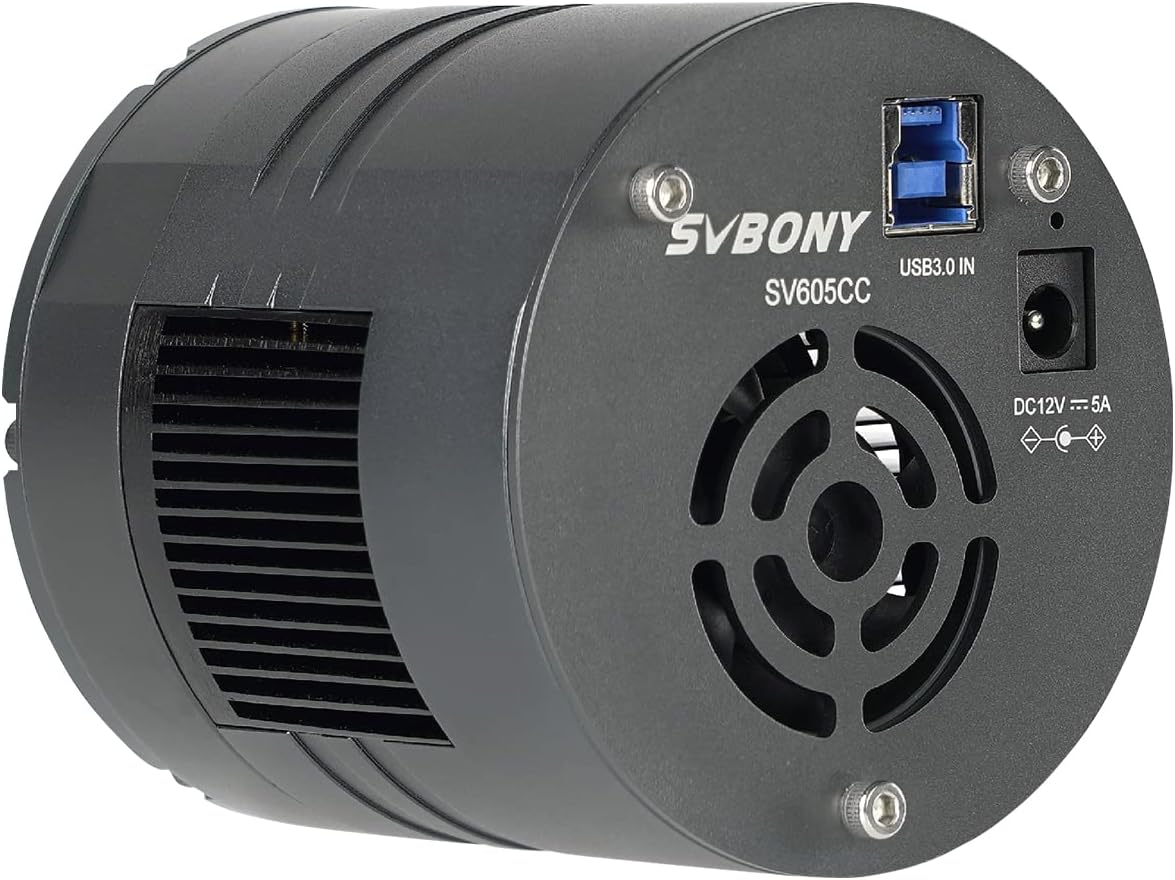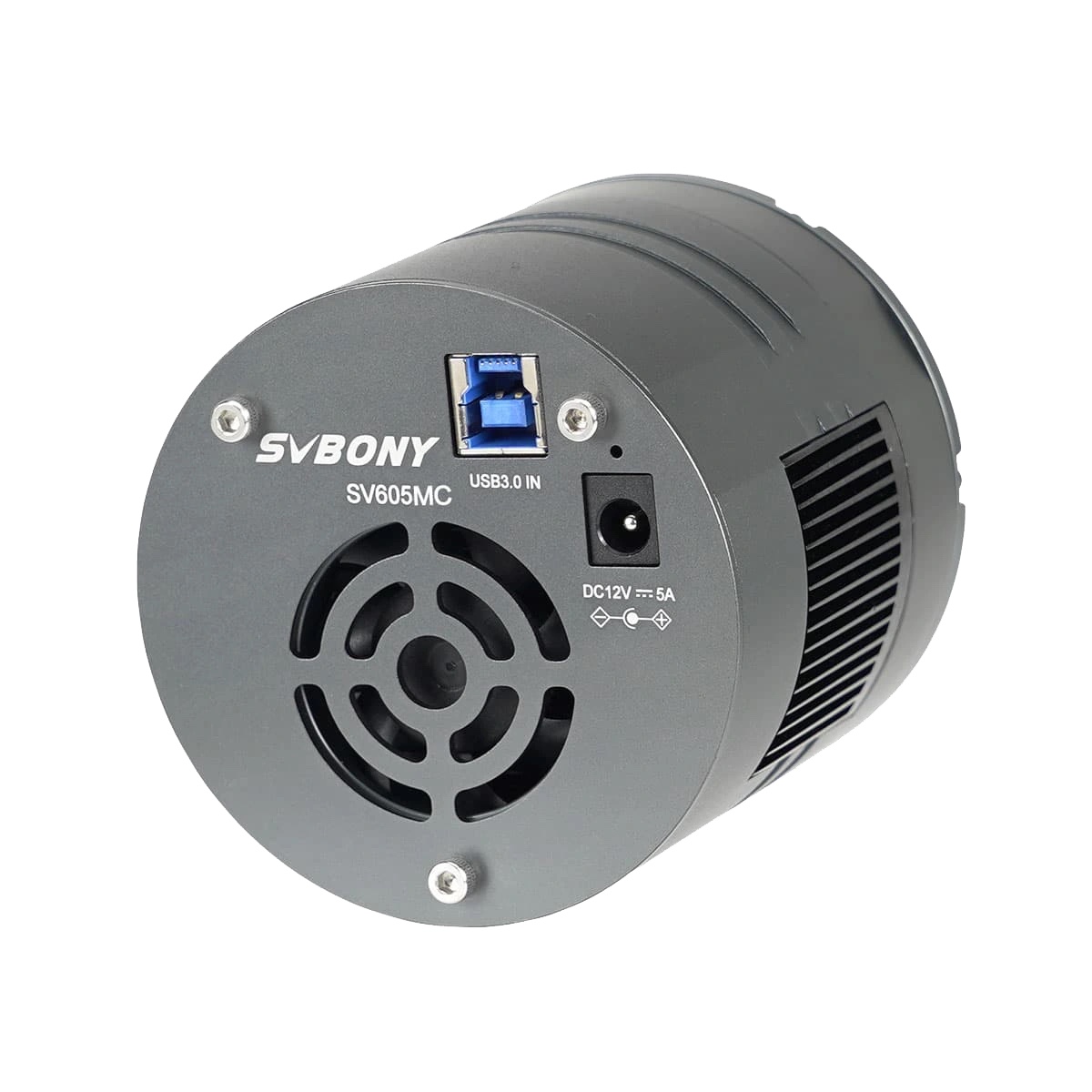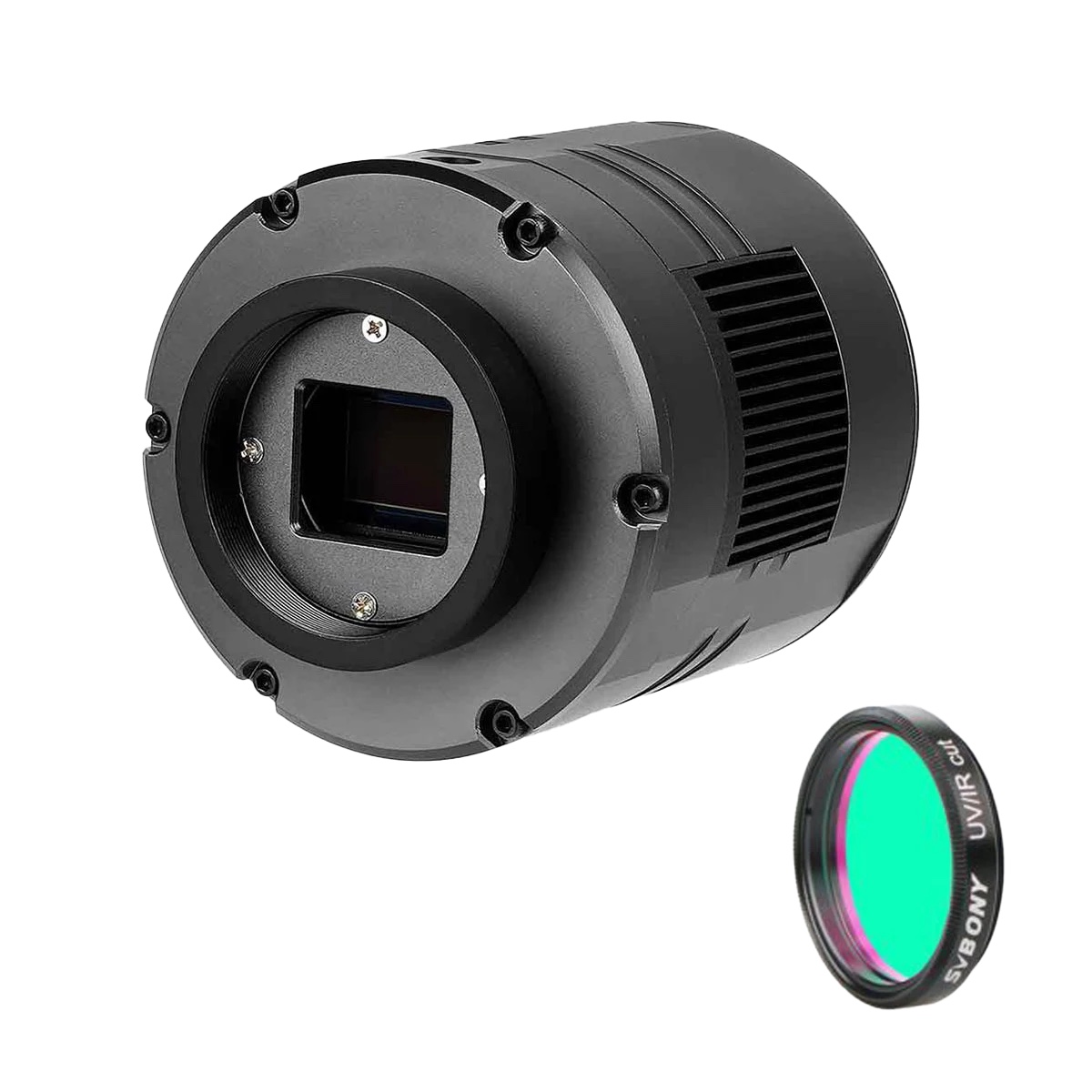
SVBony SV405CC
A cooled 4/3 inch sensor with unusually large pixels, which is the combination that frames big nebulae whole through a short refractor. The wide-field answer where the SV605CC is the tight one.
Built for wide-field deep sky. A 4/3 inch sensor with 4.63 micron pixels wants a short fast refractor, and at 19 frames per second it is the wrong instrument for planetary work entirely.
Lowest in 90 days
Price tracked by PolarisObserved 45 timesTracking since Sep 2026
Same camera. Different telescope. A completely different photograph.
A camera has no field of view of its own — the telescope in front of it decides everything. Pick a target and watch the same 11.7-megapixel frame become three different images.
01What it's good atWhat it's best at — and the trade-offs.
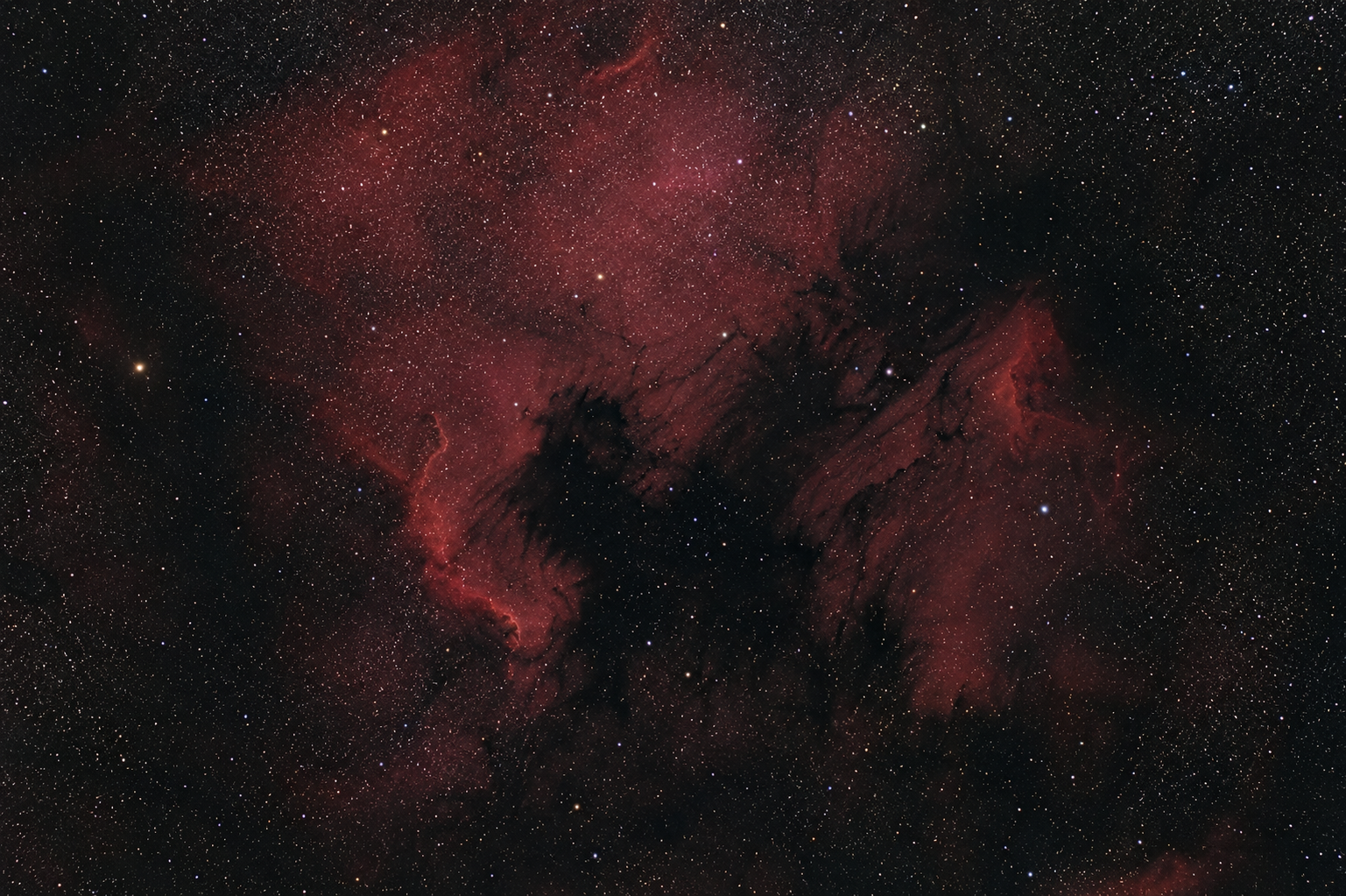
A 19.2 by 13 millimetre sensor frames the large emission nebulae that a 1 inch chip crops, which is the single most common regret of a first cooled camera.
What it's best at — and the trade-offs.
02In plain EnglishThe numbers, in plain English.
Sony IMX294 · 11.7MP · 4.63µm · Regulated TEC
The numbers, in plain English.
03Typical targetsWhat it shines on.
The North America Nebula, The Orion Nebula (M42), The Heart Nebula, The Pleiades (M45), The…
What it shines on.
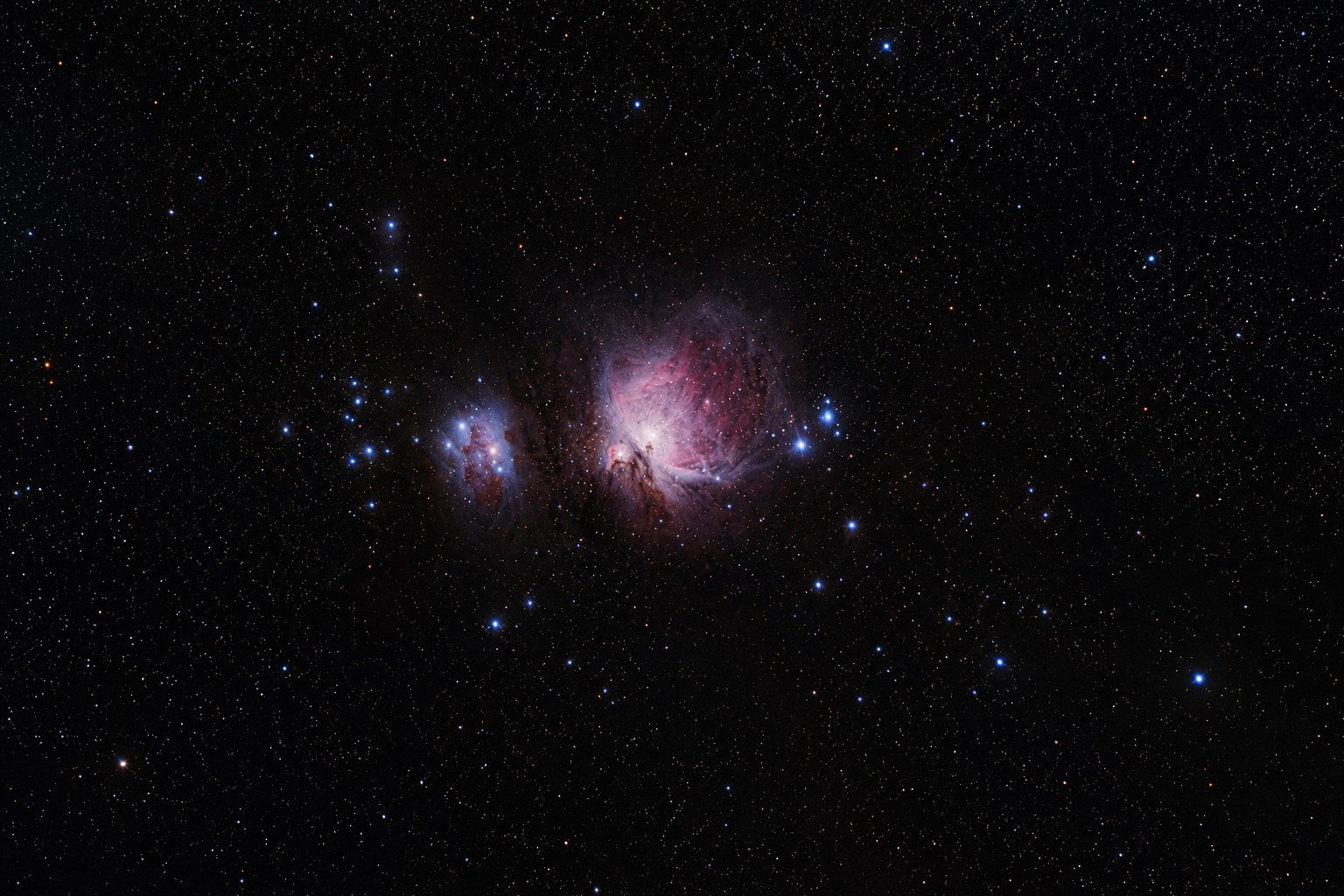
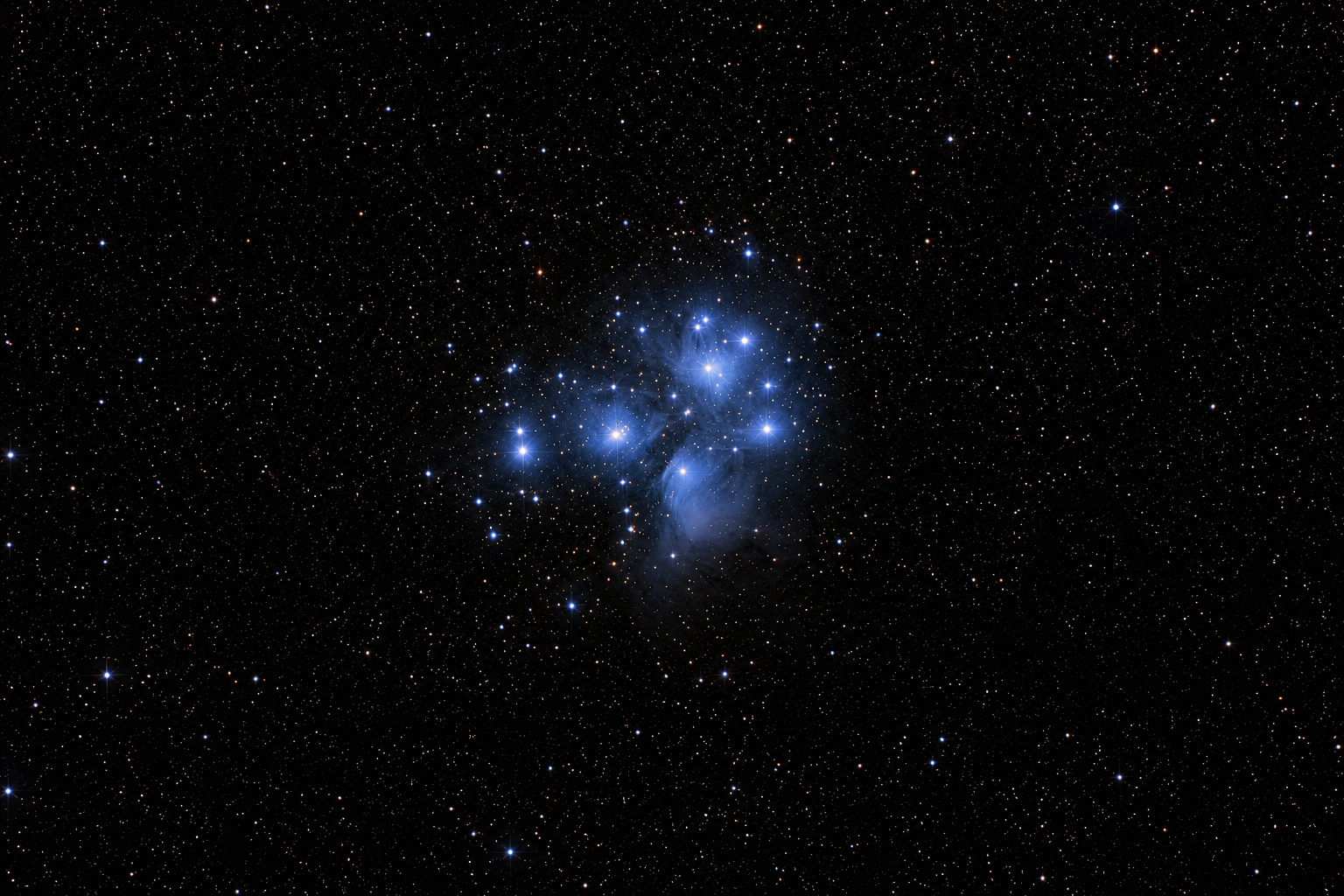
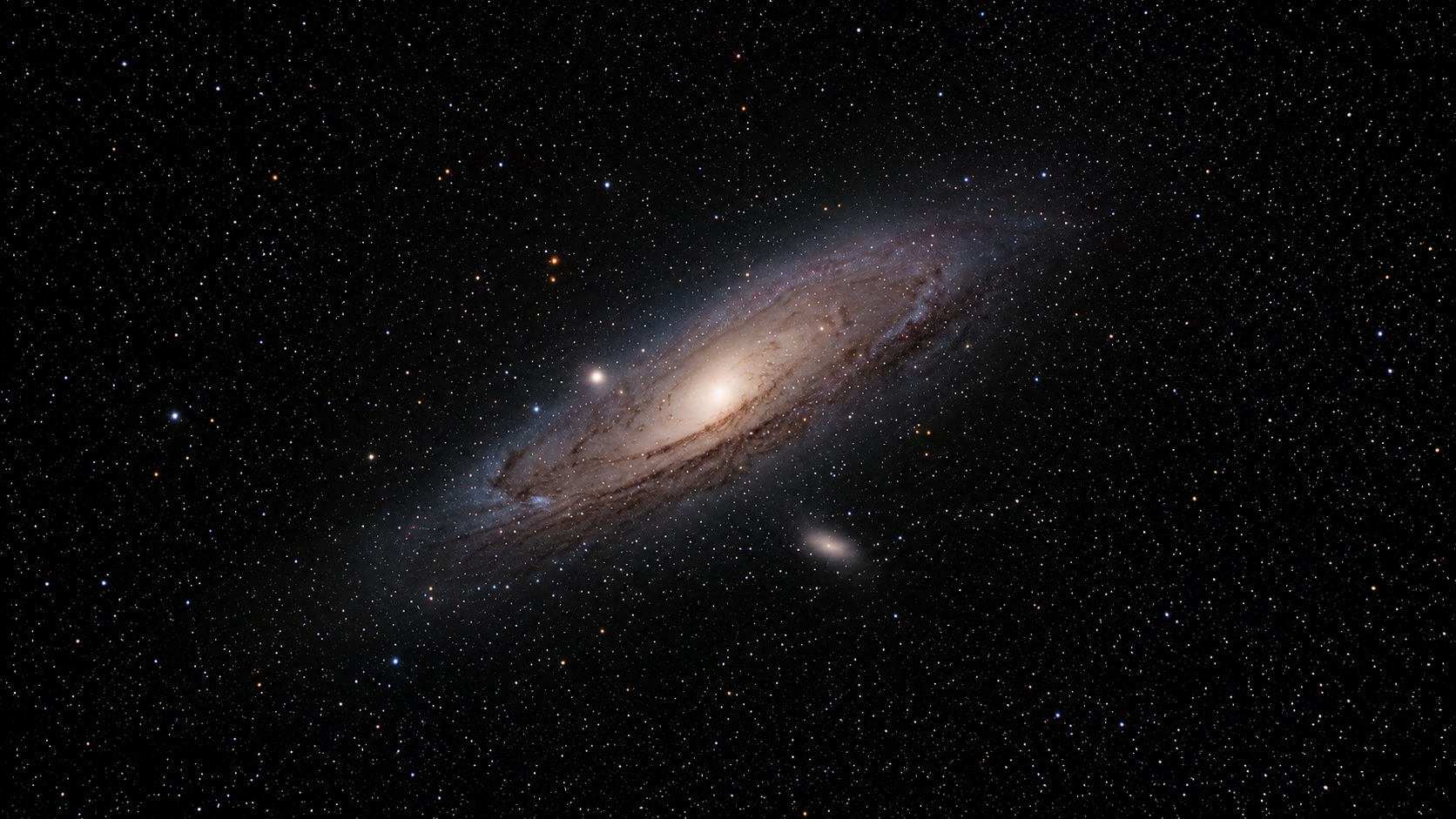
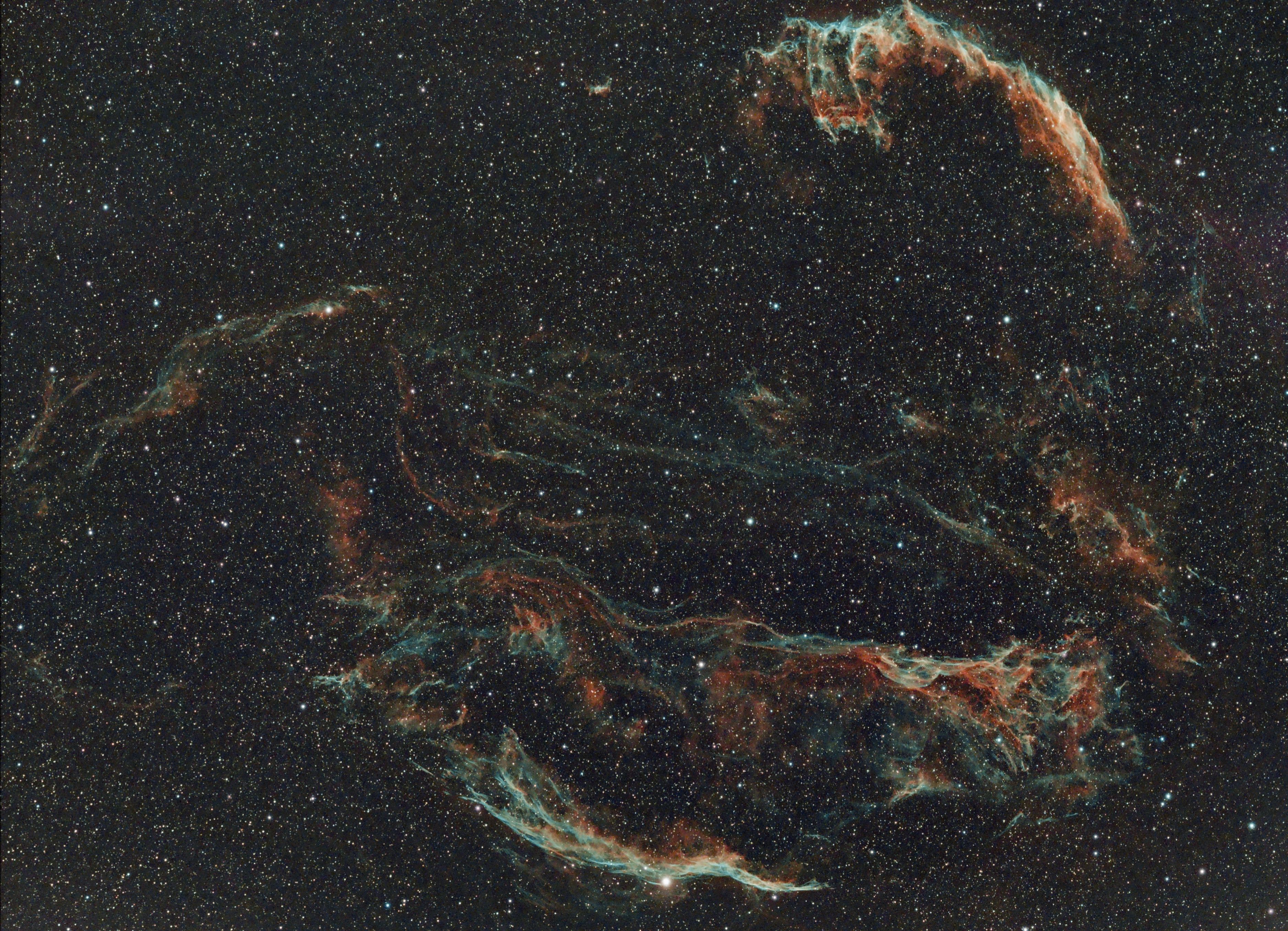
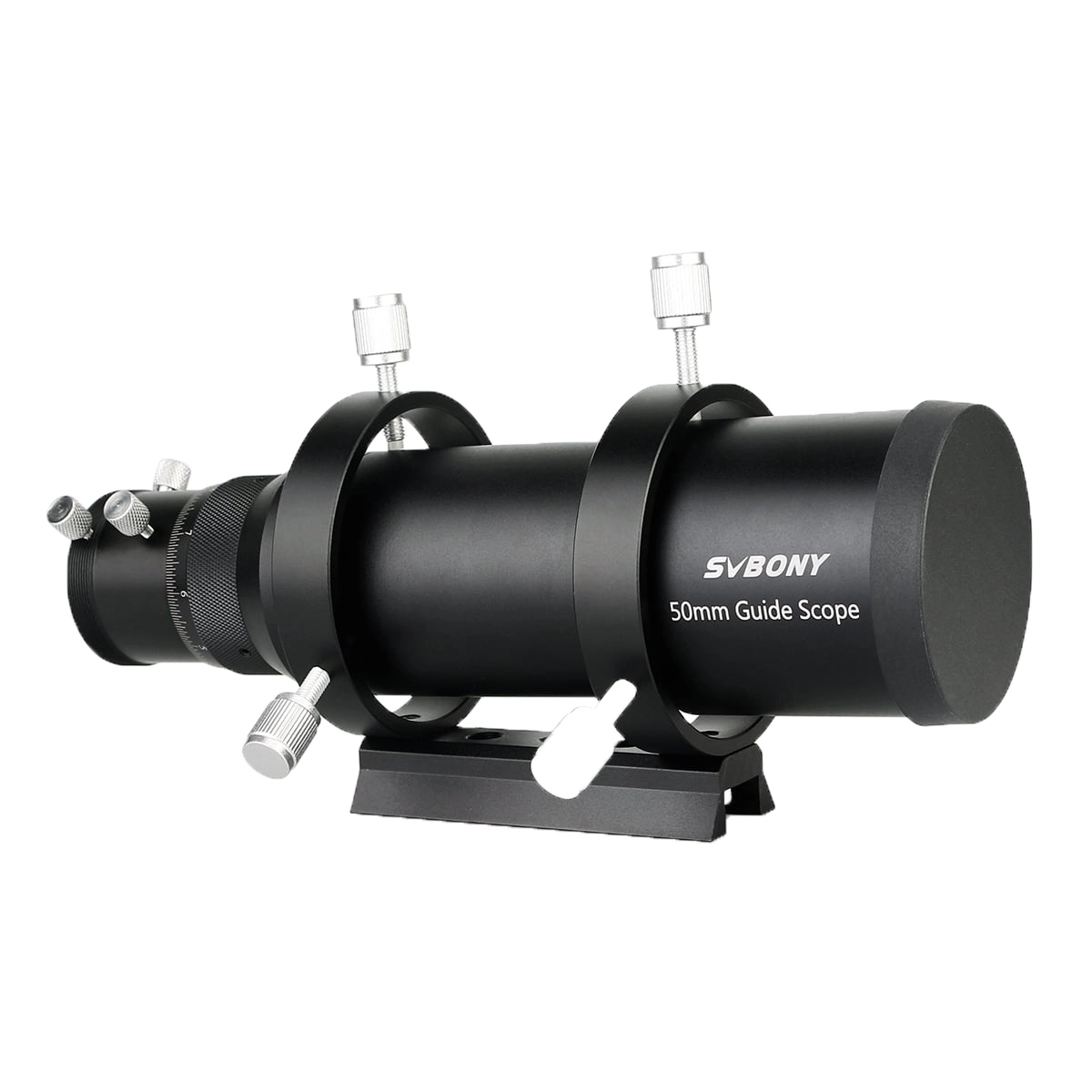
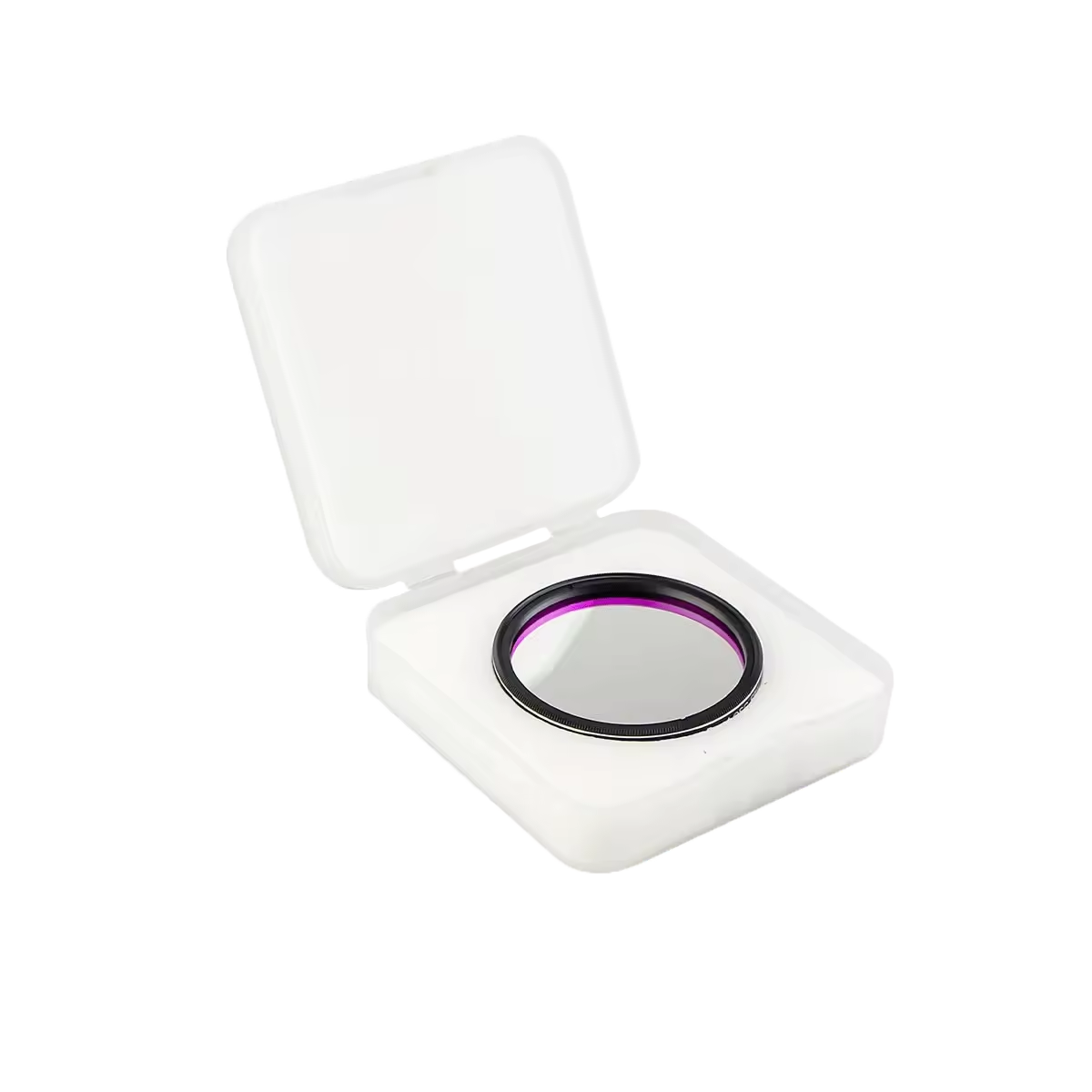
04Build your imaging rigEverything you'd actually buy.
Capture · Track · Filter it
Everything you'd actually buy.
05The Polaris ScoreHow it scores, and why.
82/100 · #4 of 9 cooled colour deep-sky cameras
How it scores, and why.
Scored as a wide-field cooled colour camera. It earns its place on sensor area, pixel size and well depth, all of which serve the short-focal-length imaging it is built for. It is held back by the demands it places on the optics in front of it, and by a modest peak quantum efficiency next to the newer square sensors.
Polaris weighs how well the camera does the job it was designed for — image quality, sensitivity, versatility and value — never list price or brand.
06Who it's forAn honest fit check.
Imagers working at 250 to 500 mm of focal length who keep finding their target runs past…
An honest fit check.
07The numbersFull specifications.
19 measured and stated values
Full specifications.
Most people buy their second astronomy camera because of framing, not noise. The first cooled camera produces perfectly good images of objects that fit, and then you point it at the North America Nebula and get a third of it. This is the camera that fixes that specific disappointment, and the price of fixing it is that your optics now have to be honest all the way out to the corners. If your refractor has a matched flattener and you image between 250 and 500 mm, the extra sensor area is the most visible upgrade available at this money. If it does not, buy the flattener first.