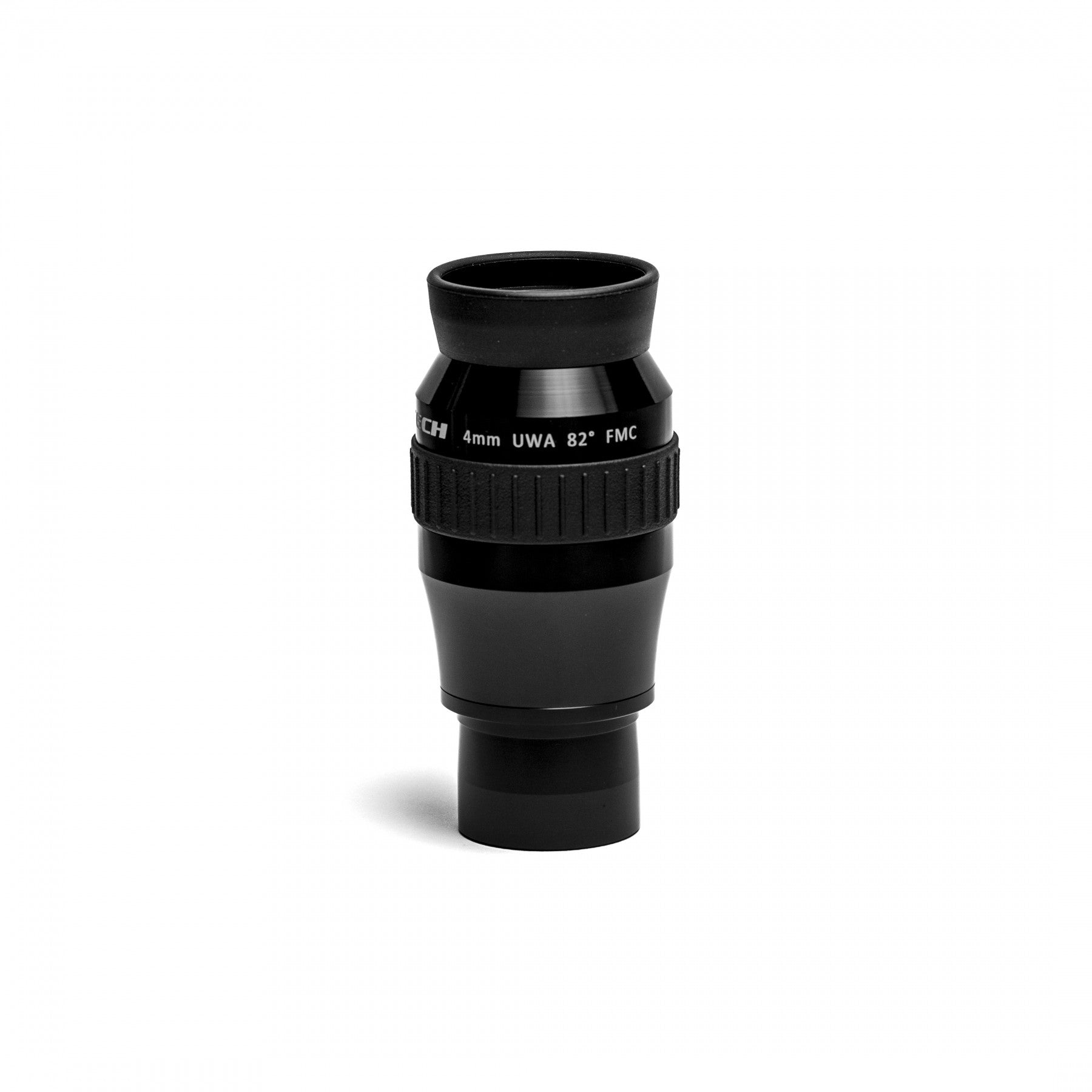
Astro-Tech UWA 4mm
An 82 degree field at the very top of the magnification range, for under a hundred dollars. This is the eyepiece you reach for on the two or three genuinely steady nights a year, and it costs little enough that owning it for those nights is easy to justify.
This is high-power planetary and double-star glass, at the end of the range where the atmosphere rather than the telescope sets the limit. It is not a deep-sky eyepiece: the exit pupil is too small and the true field too narrow for anything but the smallest, brightest objects.
Out of stock at Astronomics, its only retailer — this is the last price we saw. We keep checking daily.
Price tracked by PolarisObserved 44 timesTracking since Sep 2026

01What it's good atWhat it's best at — and the trade-offs.
12mm of eye relief at 4mm is genuinely unusual: most eyepieces this short force your eye against the glass, and this one does not
What it's best at — and the trade-offs.
02In your telescopeOne eyepiece. A different job in every scope.
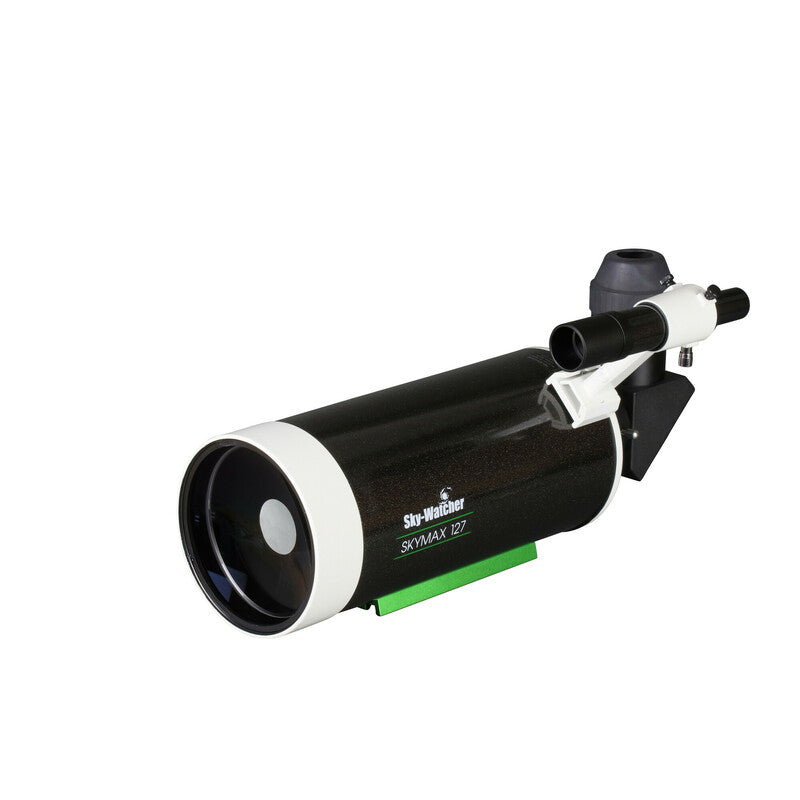
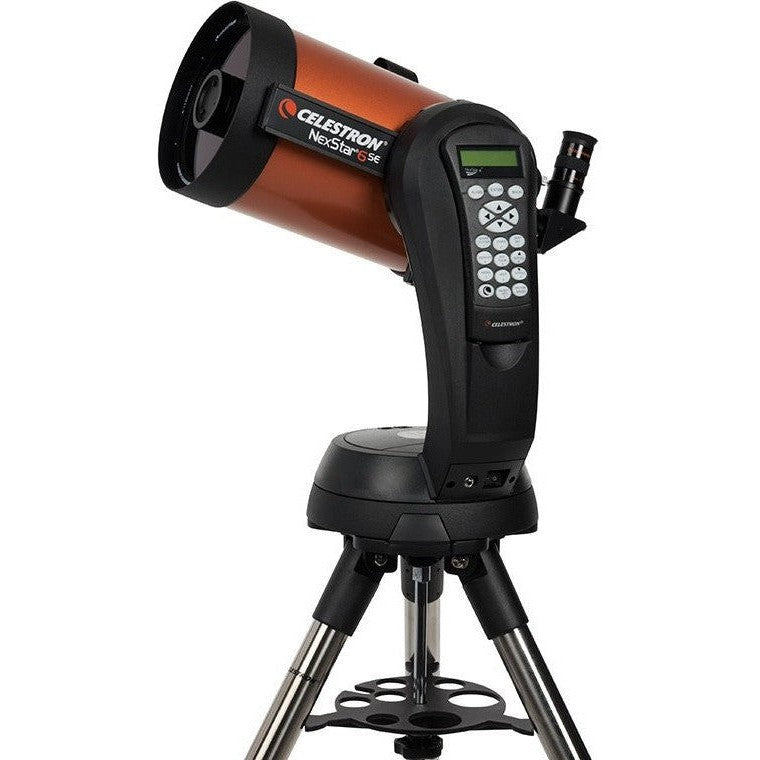
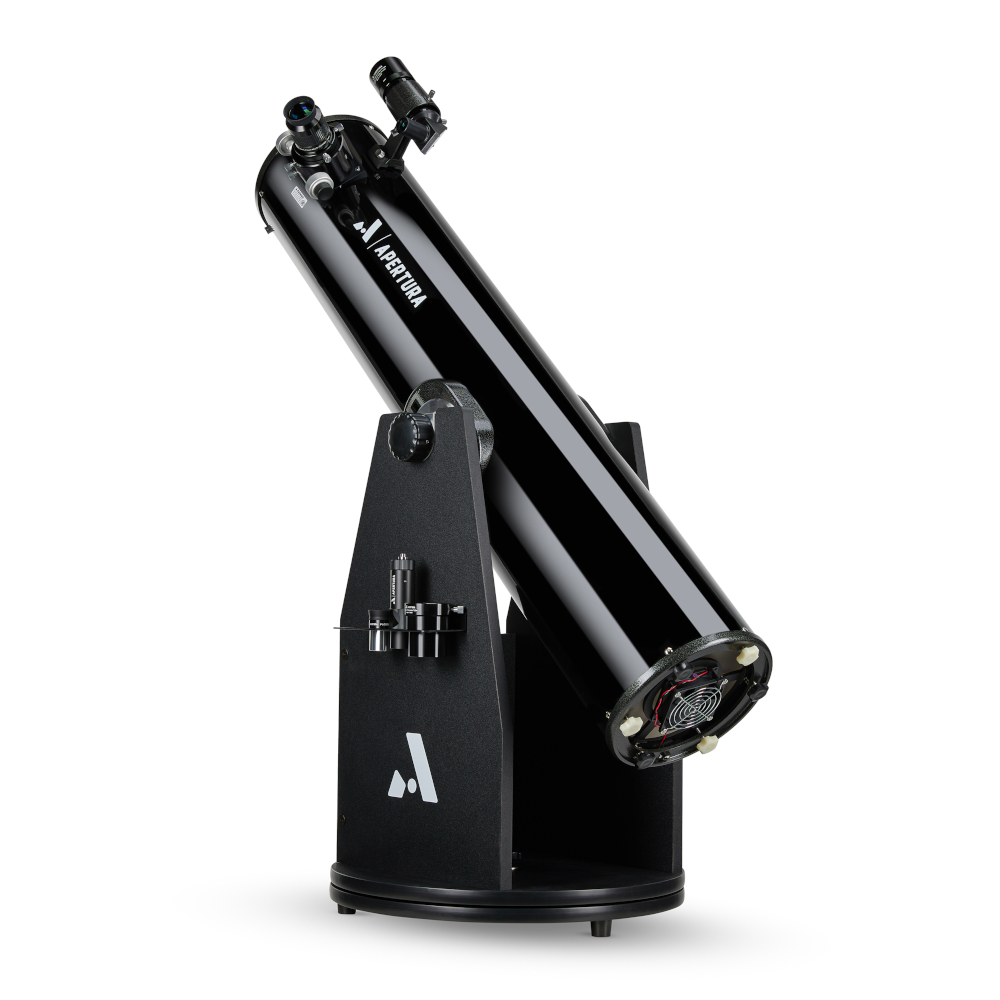
120× in a small refractor, 508× in a long SCT
One eyepiece. A different job in every scope.
An eyepiece has no magnification of its own — the telescope decides. The same eyepiece becomes 120× and 41′ of sky in a little refractor, or 508× and a tight frame in a long SCT. Here’s what it does across common scopes.
03In plain EnglishThe numbers, in plain English.
4mm FL · 82° AFOV · 1.25"
The numbers, in plain English.
04What comes aliveThe targets this eyepiece was born for.
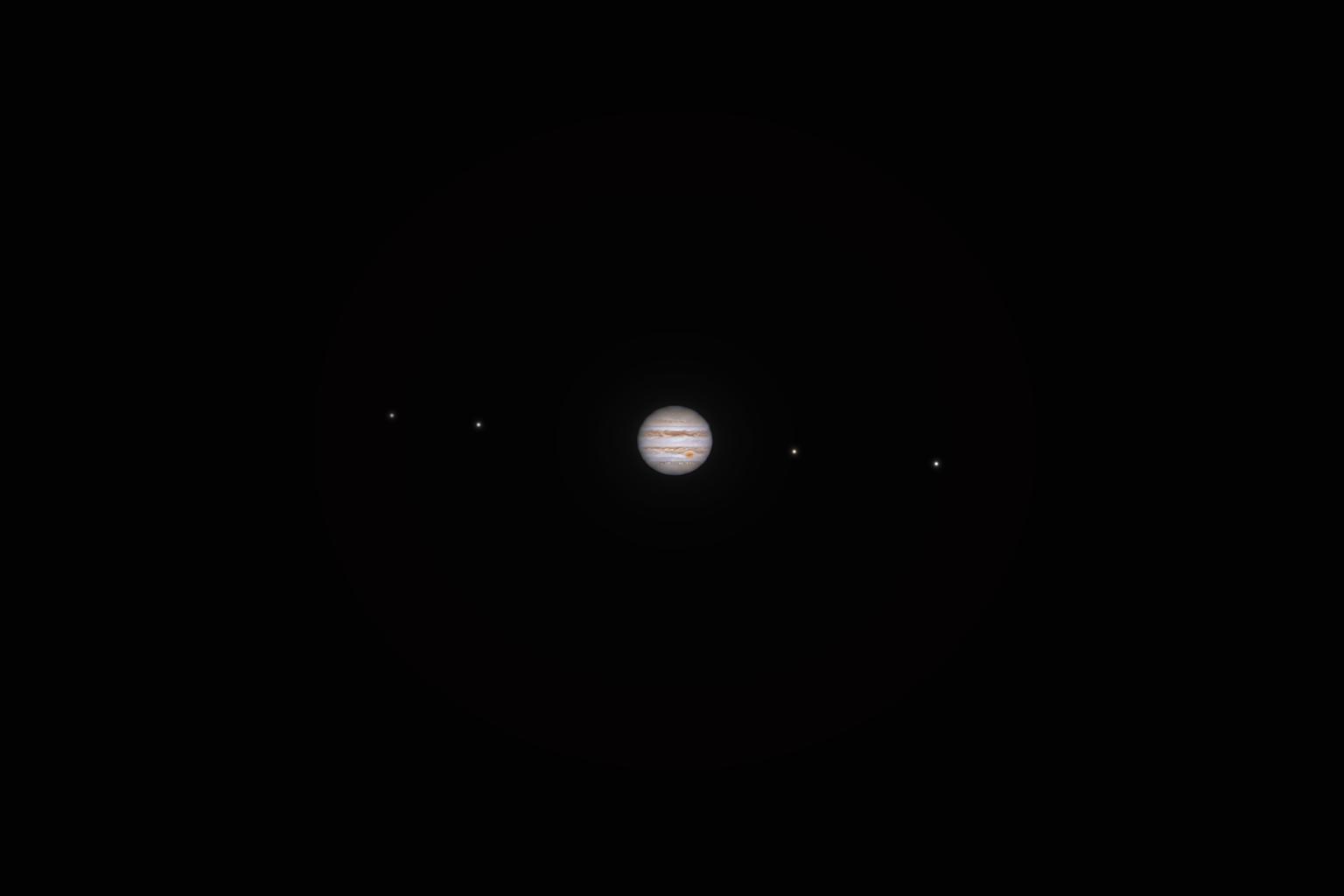
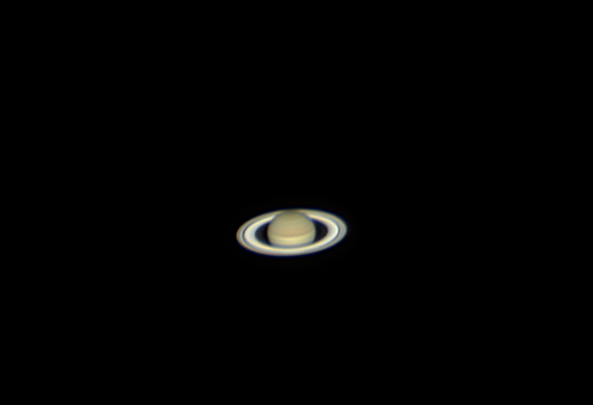
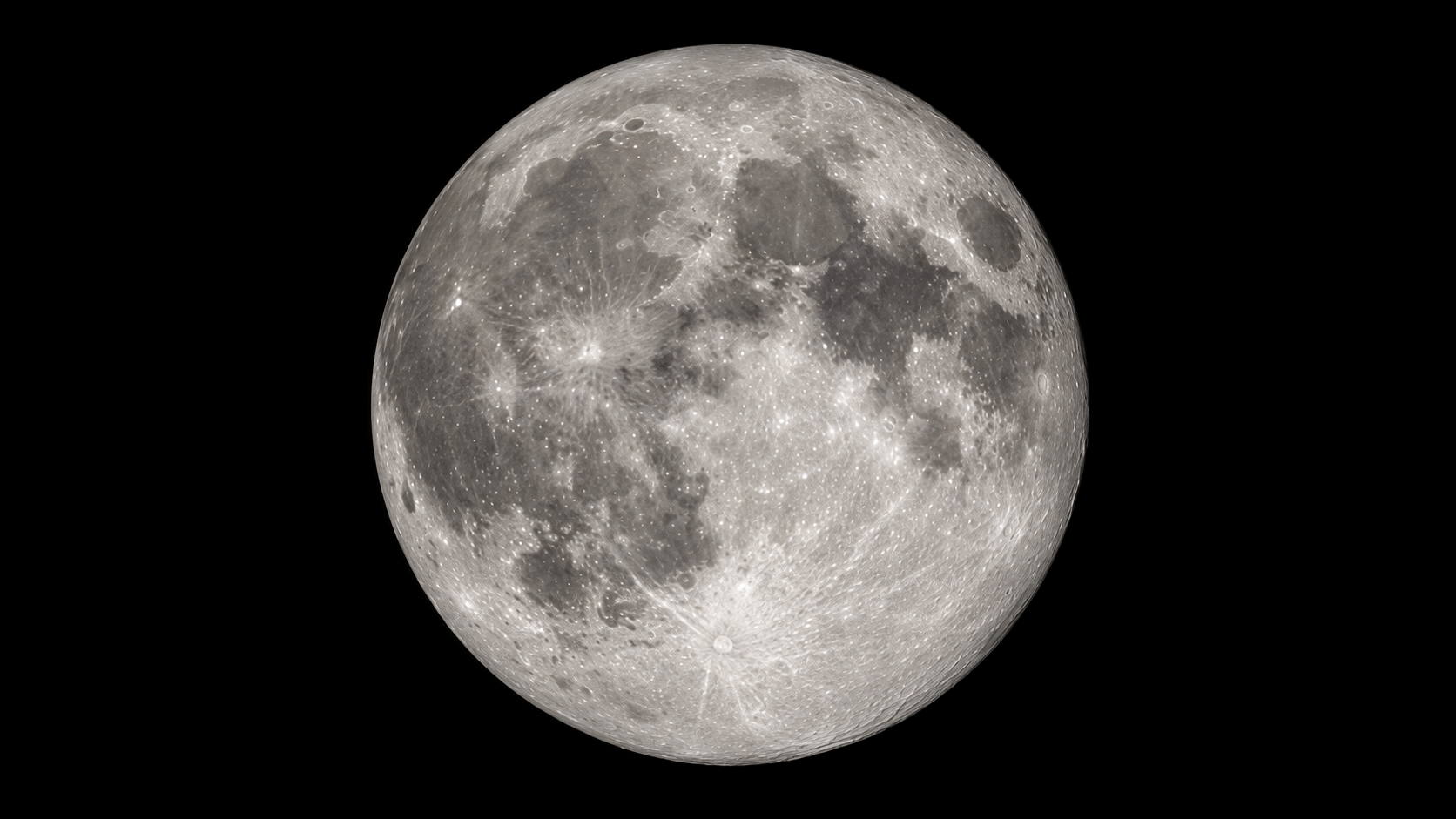
Jupiter's cloud belts, Saturn's Cassini Division, Mars at opposition, Tight double stars…
The targets this eyepiece was born for.

05Role in a collectionWhere it sits in your eyepiece case.
Where it sits across 3 focal lengths
Where it sits in your eyepiece case.
A good eyepiece collection isn’t a pile of glass — it’s two or three focal lengths that hand off from wide to tight. This is the anchor at the bottom of the ladder: the one you find and frame with. You buy it once, and it stays your low-power eyepiece for life.
06Build around itWhat it pairs with.
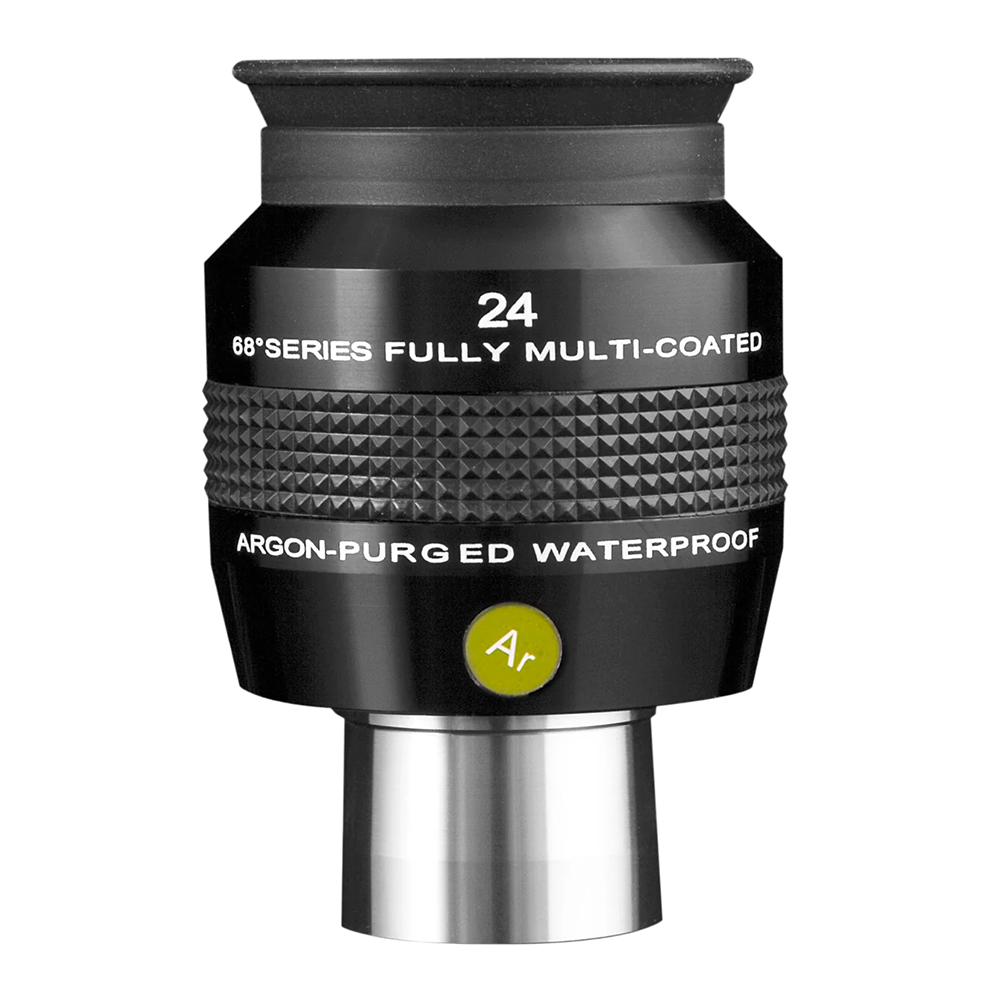
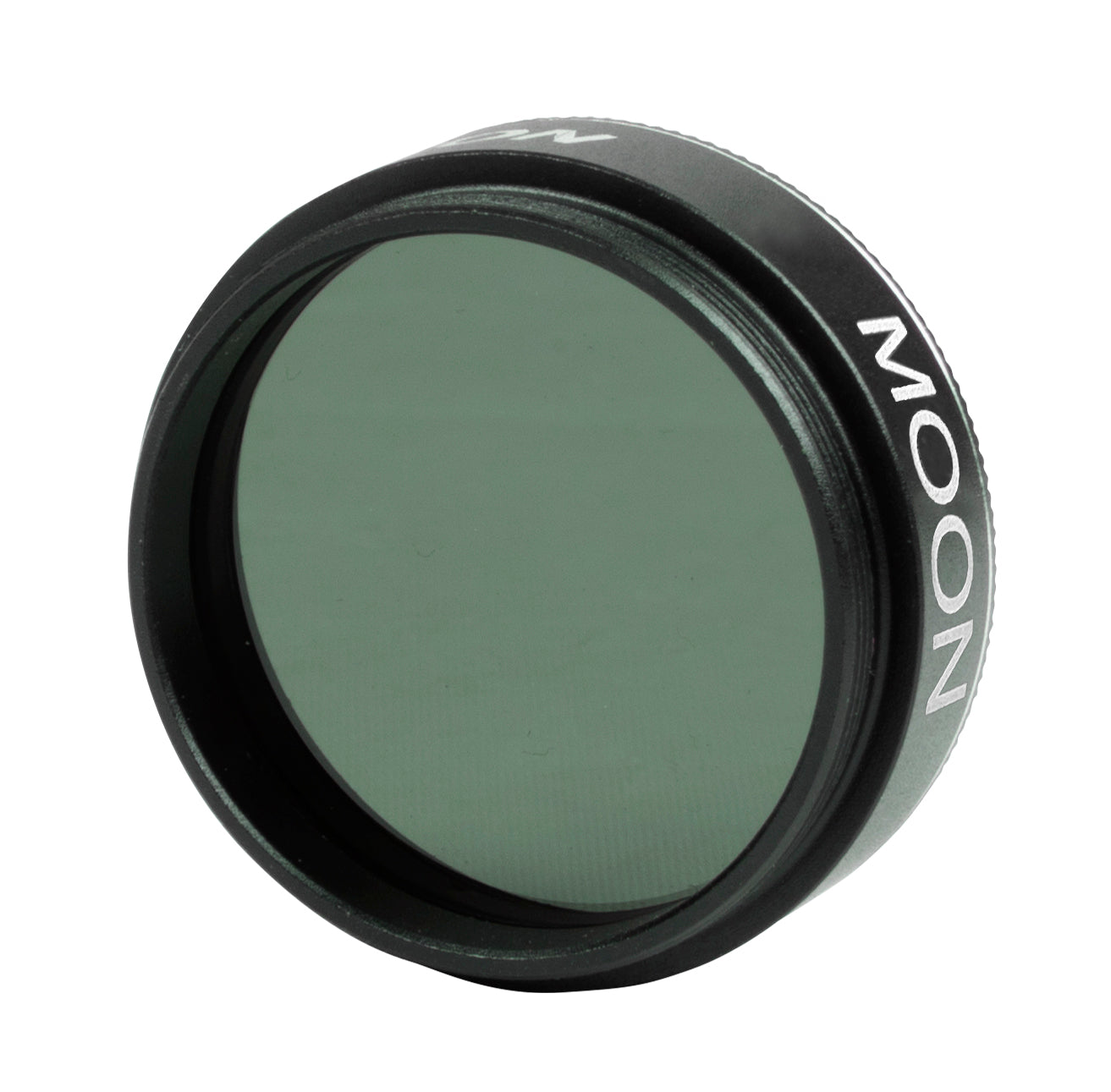
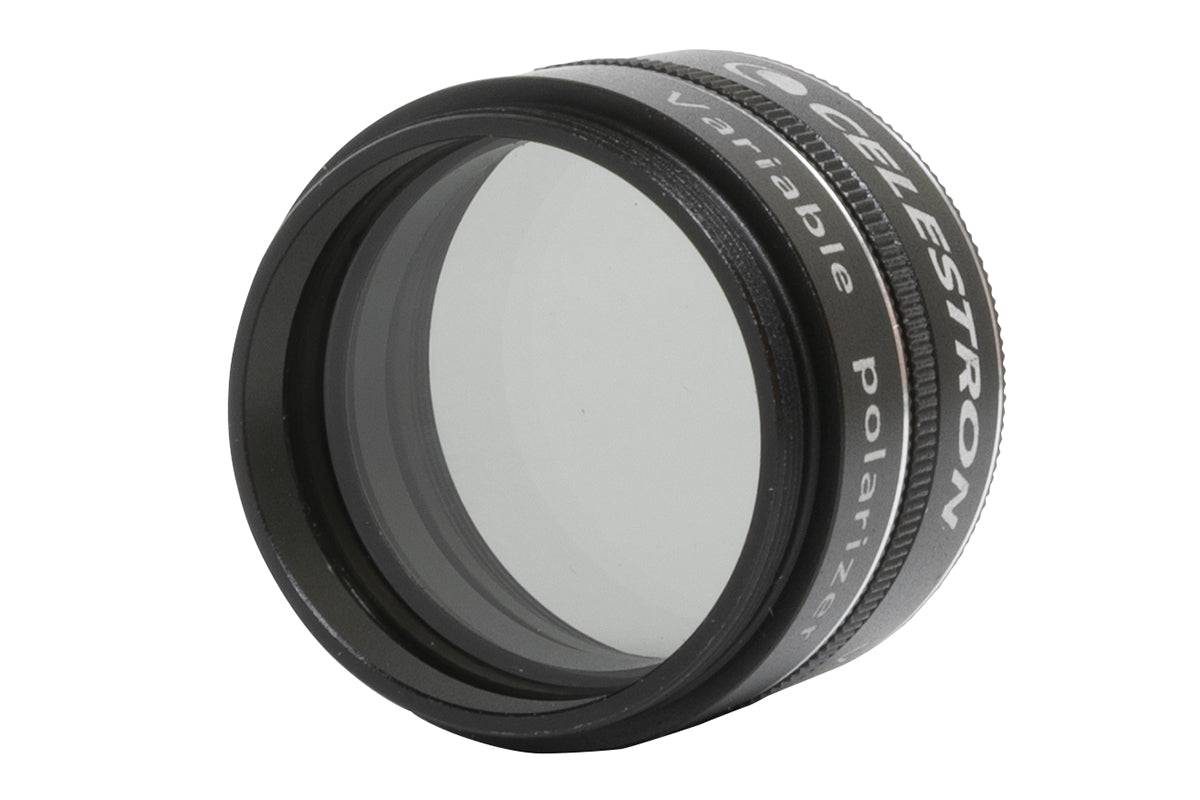
The telescope · Pair it · Filter it
What it pairs with.
07The Polaris ScoreHow it scores, and why.
78/100
How it scores, and why.
Judged as budget ultra-wide glass at the extreme end of the power range, it does the hard part well: the field is genuinely wide, the eye relief is usable, and the coatings hold contrast on planets. It gives up some edge correction to the premium lines, and in a fast Newtonian you will see that at the field edge. What it does not give up is the thing that matters most at 4mm, which is comfort.
Polaris weighs how well the eyepiece does the job it was designed for — optics, immersion, comfort and value — never list price or brand.
08Who it's forAn honest fit check.
Owners of short and medium focal length telescopes who want serious planetary magnification…
An honest fit check.
09The numbersFull specifications.
4 measured and stated values
Full specifications.
Most 4mm eyepieces punish you twice: once with a tiny field you have to chase the planet across, and again with an eye lens the size of a pinhole. This one does neither, and it costs less than a hundred dollars. That combination is rare enough that the honest catch is not the glass but the sky, which will only let you use it a handful of nights a year.
10AlternativesFor a different goal, start here.
3 alternatives, each mapped to the goal it wins at
For a different goal, start here.
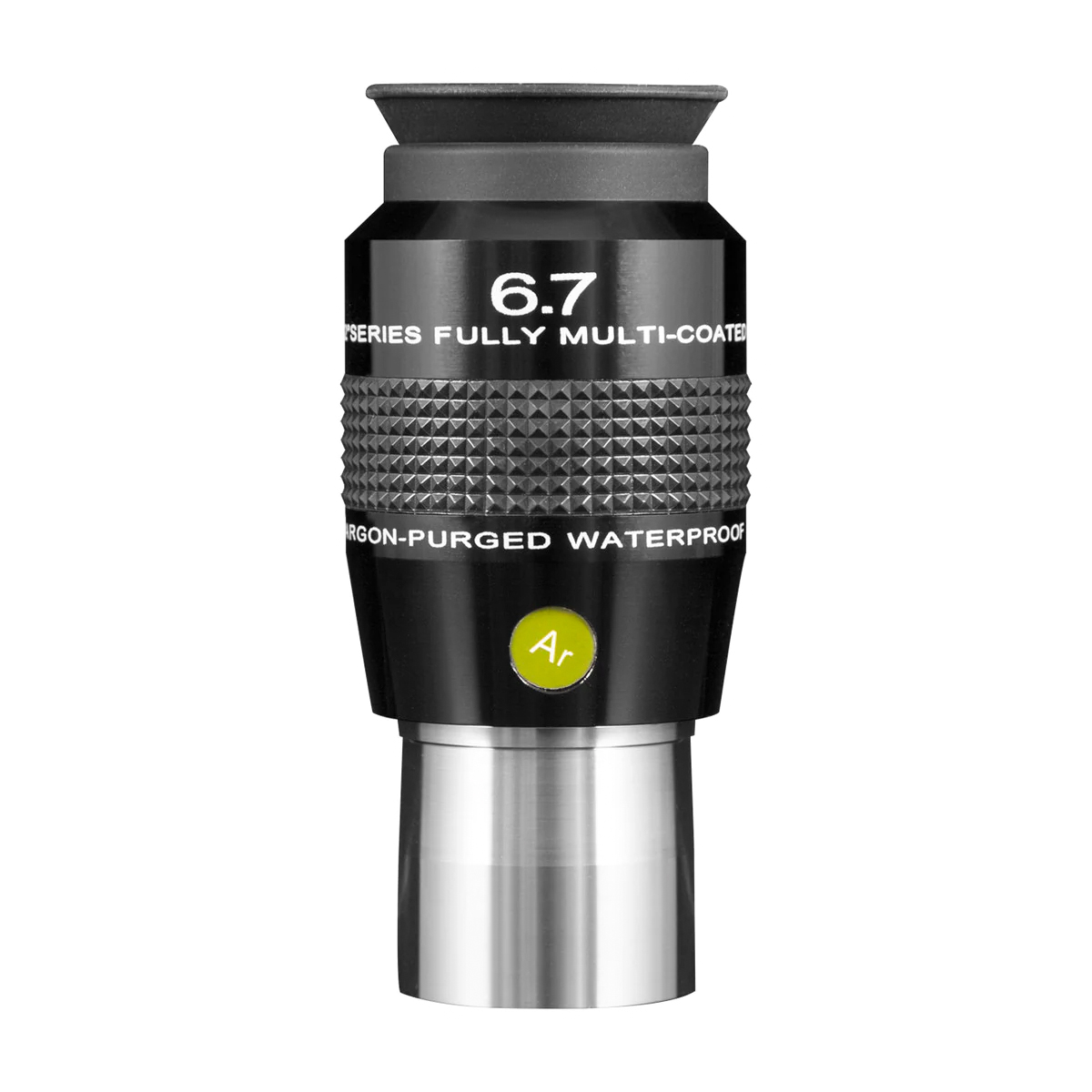
Explore Scientific 82deg 6.7mm
The same field in a better corrected line, at a focal length the atmosphere actually permits most nights.
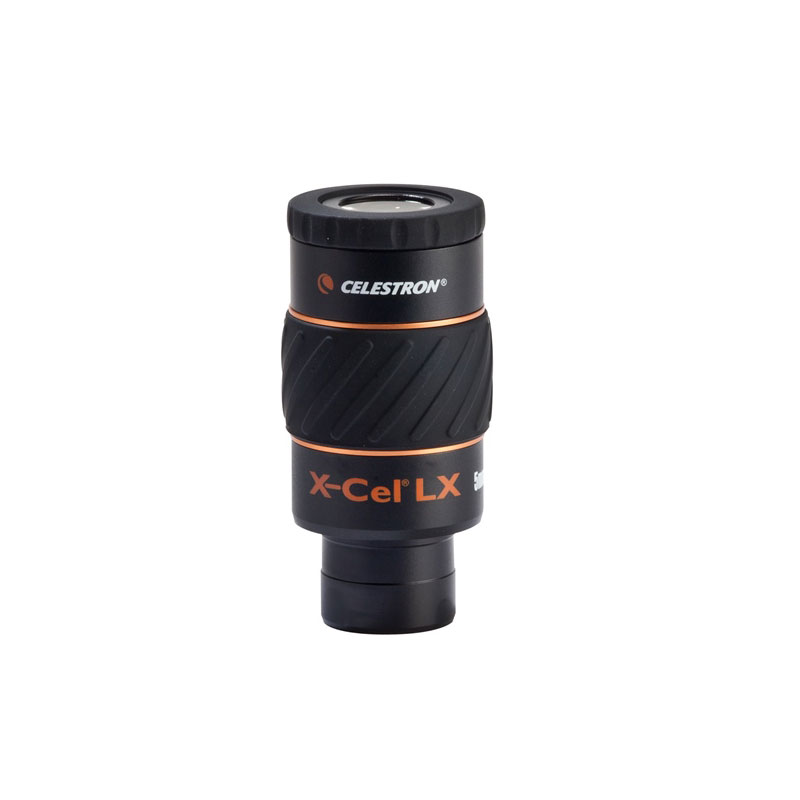
Celestron X-Cel LX 5mm
16mm of eye relief and a narrower 60 degree field, if comfort matters more to you than immersion.
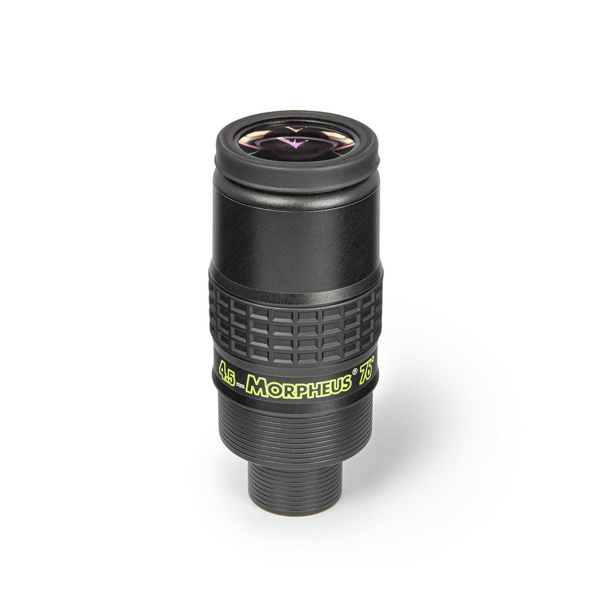
Baader Morpheus 4.5mm
Nearly the same power with premium edge correction and glasses-friendly eye relief, for roughly three times the price.