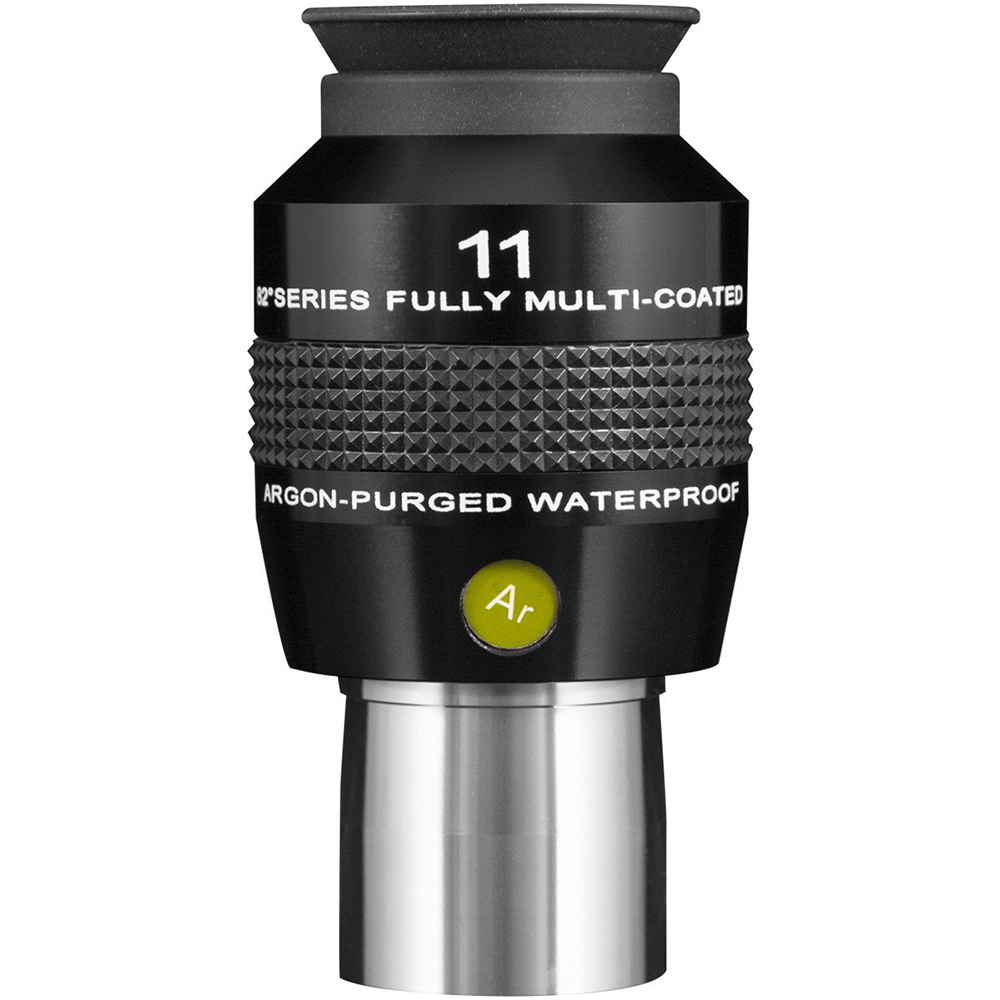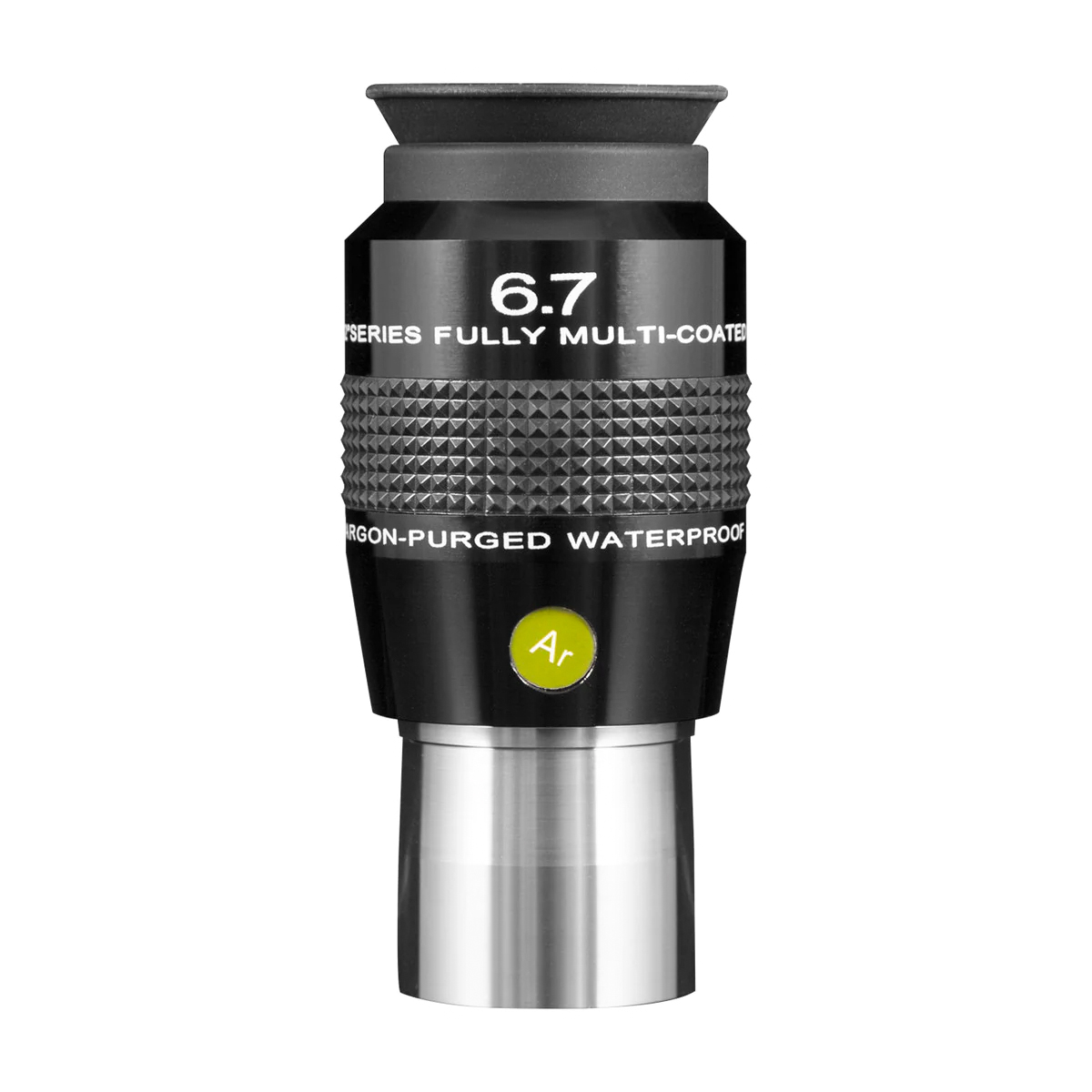
Explore Scientific 82deg 6.7mm
A 6.7mm Explore Scientific 82° Series: a dedicated high-power eyepiece for planets, the Moon and tight double stars, from an 82-degree ultra-wide that gives you the classic "walking in space" field for far less than a Nagler.
High power. At 6.7mm this is a dedicated high-power eyepiece for planets, the Moon and tight double stars; it is not meant for framing large deep-sky objects.
Discontinued by the manufacturer (per Agena Astro). We keep the page for reference — see current alternatives below.
See alternatives ↓
01What it's good atWhat it's best at — and the trade-offs.
A genuinely immersive 82-degree apparent field at a mid-range price.
What it's best at — and the trade-offs.
02In your telescopeOne eyepiece. A different job in every scope.
72× in a small refractor, 303× in a long SCT
One eyepiece. A different job in every scope.
An eyepiece has no magnification of its own — the telescope decides. The same eyepiece becomes 72× and 1.1° of sky in a little refractor, or 303× and a tight frame in a long SCT. Here’s what it does across common scopes.
03In plain EnglishThe numbers, in plain English.
6.7mm FL · 82° AFOV · 1.25"
The numbers, in plain English.
04What comes aliveThe targets this eyepiece was born for.
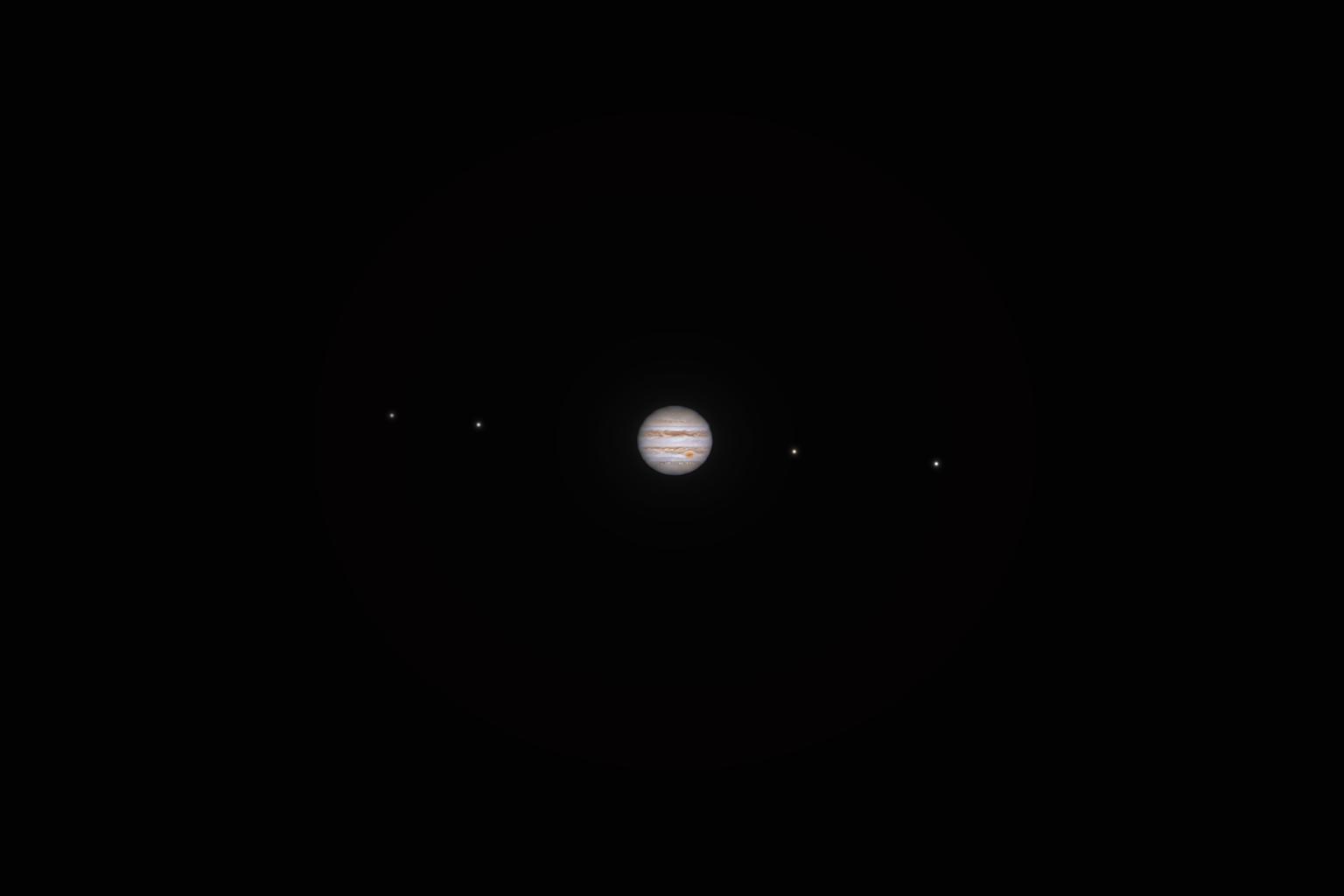
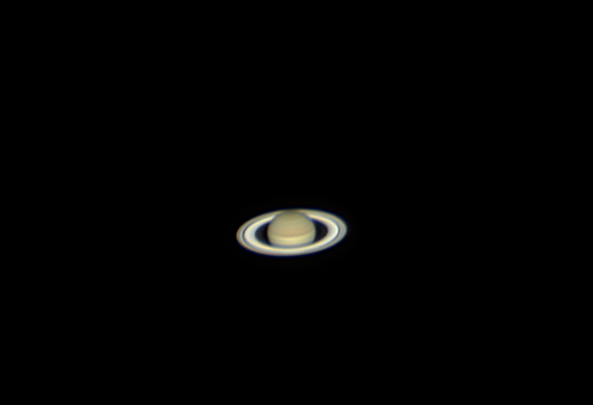
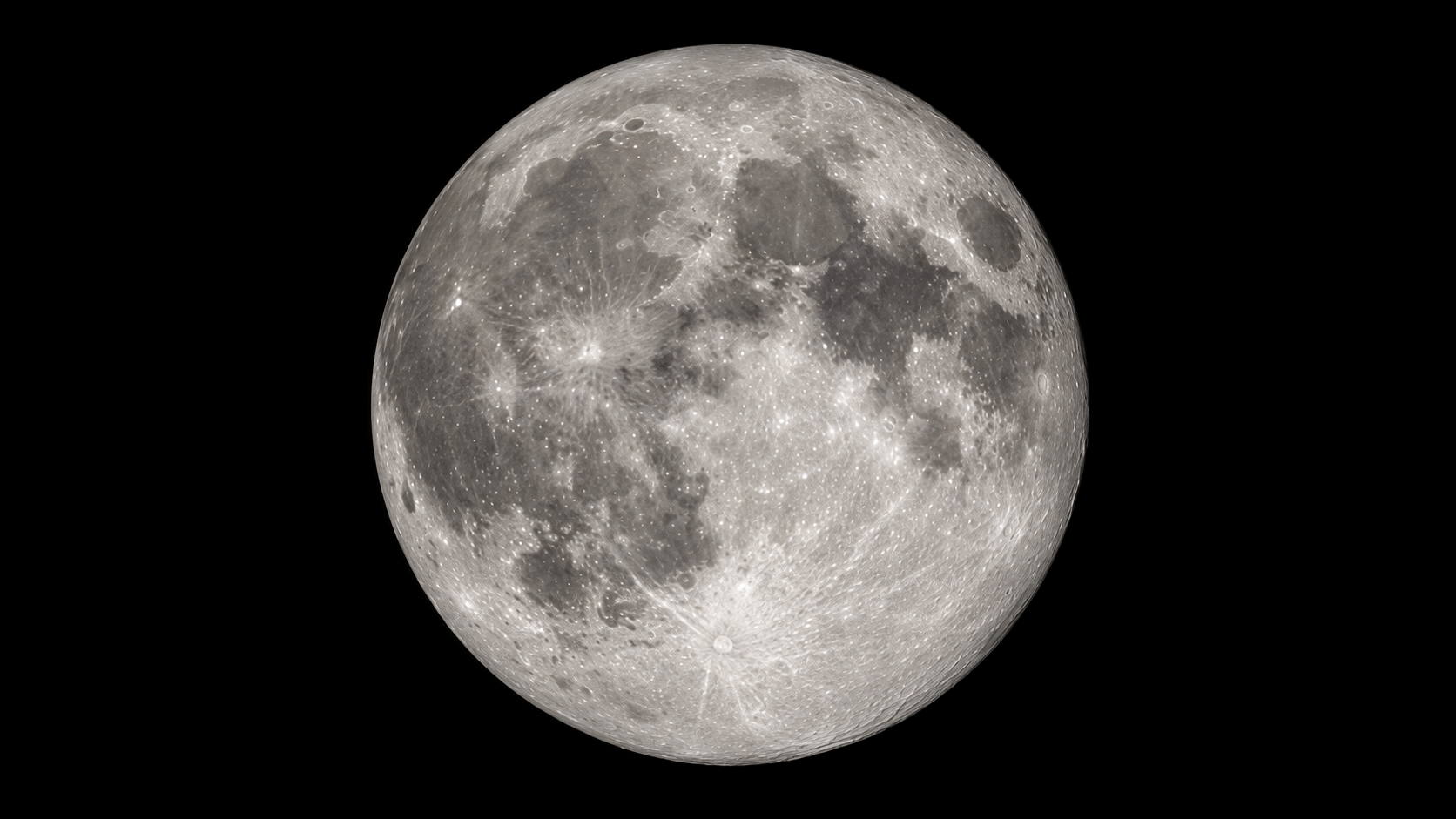
Jupiter’s cloud belts, Saturn’s rings, Lunar craters at the terminator, Izar and tight…
The targets this eyepiece was born for.
05Role in a collectionWhere it sits in your eyepiece case.
Where it sits across 3 focal lengths
Where it sits in your eyepiece case.
A good eyepiece collection isn’t a pile of glass — it’s two or three focal lengths that hand off from wide to tight. This is the anchor at the bottom of the ladder: the one you find and frame with. You buy it once, and it stays your low-power eyepiece for life.
06Build around itWhat it pairs with.
The telescope · Pair it · Filter it
What it pairs with.
07The Polaris ScoreHow it scores, and why.
85/100
How it scores, and why.
Judged as a dedicated high-power eyepiece for planets, the Moon and tight double stars, it earns its score on a genuinely immersive 82-degree apparent field at a mid-range price. The comfortable eye relief lifts it further. It is honest about being a specialist, not an all-rounder.
Polaris weighs how well the eyepiece does the job it was designed for — optics, immersion, comfort and value — never list price or brand.
08Who it's forAn honest fit check.
Observers who want a dedicated high-power eyepiece for planets, the Moon and tight double…
An honest fit check.
09The numbersFull specifications.
5 measured and stated values
Full specifications.
Point it at a planet on a steady night and the case makes itself. This is where the 82° Series earns its keep.