Orion SkyQuest XT10i IntelliScope — image 1
Orion

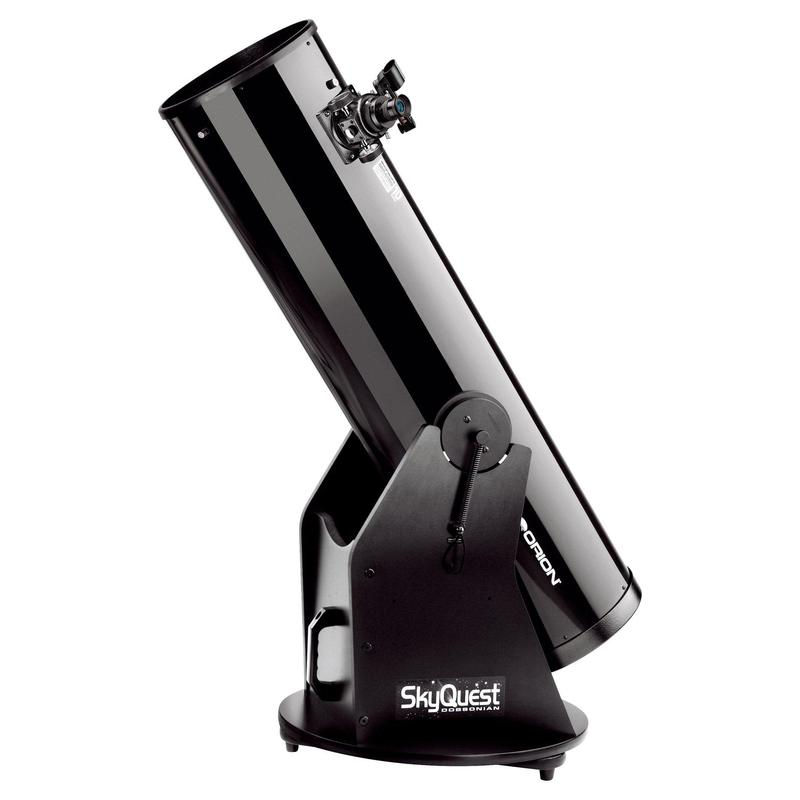
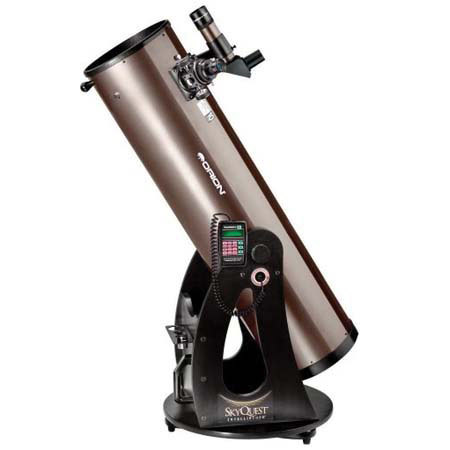
Orion SkyQuest XT10i IntelliScope

No longer sold

A 10-inch Dobsonian with push-to object location: the same optics as the manual XT10, plus encoders that tell you which way to push. No longer made, and the XT10 is the same telescope without the electronics.

90/ 100
Polaris Score
Performance · ease · portability · upgrade path
See the breakdown ↓
Aperture
254mm
Focal Length
1200mm
Focal Ratio
f/4.7
Mount Type
Dobsonian
Optical Design
Newtonian
Weight
25.0 kg
Try in simulator →
No longer sold

Orion ceased operations and the XT10i is gone from every retailer we checked. High Point's product URL renders no product, Orion's own store returns an empty page, and Adorama lists it as No Longer Available. The manual XT10 shares its optics exactly and is still sold. We keep the page for reference — see current alternatives below.

See alternatives ↓


What it's built forOpen these in the simulator →

This telescope was built to gather light.

254 mm of aperture pulls in the faint light that galaxies and clusters live or die on. Point it up under a dark sky and objects that are rumors in smaller scopes resolve into real structure.

Sweet spot 190–320×Rewards dark skies
The view people remember

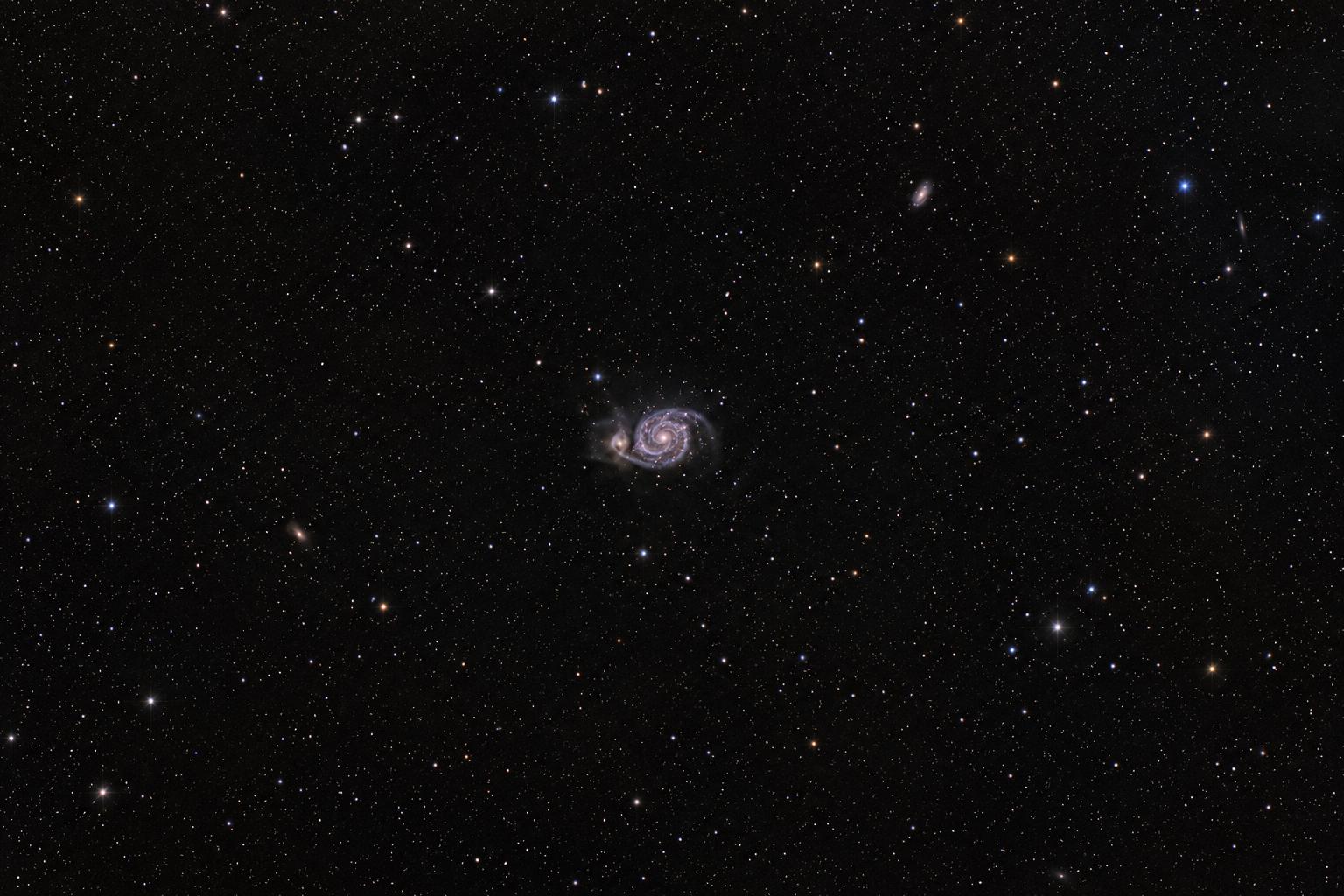
Andromeda, wider than the Moon.

A vast soft oval with a blazing core — two and a half million light-years of galaxy, spilling well past the field of view under a genuinely dark sky.

See Andromeda Galaxy through this telescope →
01What it's good at

What it's best at — and the trade-offs.

254mm of parabolic aperture is the point where galaxies show structure rather than shape and the brighter globulars resolve to the core
Best at
✓254mm of parabolic aperture is the point where galaxies show structure rather than shape and the brighter globulars resolve to the core
✓IntelliScope solves the actual beginner problem with a large Dobsonian, which is not seeing faint objects but finding them at all
✓Push-to keeps the simplicity and cost of a Dobsonian: no motors, no alignment drift, no power beyond a 9V battery in the controller
✓The 2-inch Crayford focuser handles wide-field eyepieces that a 1200mm focal length genuinely needs
Trade-offs
!No longer in production, so a failed encoder or controller is a scavenging problem rather than a warranty one
!Push-to does not track: the object still drifts out of the field and you still nudge
!A 10-inch Dobsonian is a two-trip telescope, and that decides how often it gets used
!The IntelliScope controller is dated technology next to a modern phone-based plate-solving finder
02In plain English

What These Numbers Mean

254mm · f/4.7 · 1200mm FL · Dobsonian
Aperture
254 mm (10 inch)
The step where deep-sky observing changes character. At 254mm the brighter globular clusters resolve most of the way to the core, spiral structure appears in the nearer galaxies under a dark sky, and the fainter Messier objects stop being smudges. It gathers about 56 percent more light than an 8-inch, which is a visible difference rather than a specification.
Finding system
IntelliScope push-to object locator
The defining feature and the reason to choose this over the plain XT10. Encoders on both axes track where the tube is pointing; you pick a target on the hand controller and it displays which way to push and how far. Nothing is motorised, so it keeps a Dobsonian's simplicity, needs only a 9V battery, and has nothing to lose alignment mid-session. It solves finding, not tracking.
Focal length
1200 mm
Long enough that a 10mm eyepiece gives 120x and a 6mm reaches 200x, so planetary work is done with comfortable ordinary eyepieces. The trade is field width: the largest open clusters and the full span of Andromeda will not fit, which is why the 2-inch focuser matters.
Focal ratio
f/4.7
Fast, which buys bright wide fields but asks more of an eyepiece than a slower telescope does. Inexpensive wide-angle eyepieces show noticeably soft stars at the edge of the field at f/4.7, and coma from the mirror itself becomes visible near the edge. A coma corrector is a real consideration here in a way it is not at f/6.
Optical design
Newtonian, parabolic primary
A true parabola, which is what allows a fast 10-inch to hold detail at high magnification. The cost is collimation, and at f/4.7 it matters more than at slower ratios: a fast mirror is less forgiving of misalignment, so this is a telescope whose owner needs to be comfortable aligning it.
Mount
Dobsonian, undriven
The reason a 10-inch costs what it does. A simple altazimuth box puts all the money into the mirror, and it is genuinely pleasant to use at low power. At 200x, though, an object crosses the field in well under a minute and you nudge continuously. An equatorial platform is the upgrade that changes this, and it changes it more than a better eyepiece would.
03The Polaris Score

How it scores, and why.

90/100
90/ 100
Orion SkyQuest XT10i IntelliScope
Performance
92
Ease of use
80
Portability
35
Upgrade potential
80

Polaris weighs optical capability, how easy the scope is to live with, how portable it is, and how far it takes you before you outgrow it — not list price or brand.

04Who it's for

An honest fit check.

Anyone who finds one secondhand in good condition and wants aperture with help finding…
Buy it if you
✓Anyone who finds one secondhand in good condition and wants aperture with help finding things
✓An observer who wants to work a long target list in a session rather than star-hop to three objects
✓Someone with a permanent or easy observing spot, since this is not a telescope you carry far
Look elsewhere if you
!Anyone buying new, since it is no longer manufactured
!Anyone expecting the telescope to track, because push-to moves nothing by itself
!Anyone without a way to move roughly 27kg in two pieces
05Build your rig

What to buy next — and where it leads.

6 pieces of gear, ordered by what changes the view most
Observe better
Tame lunar glareGSO Moon Filter 13pct 1.25-inch

Make nebulae popSVBony UHC 1.25-inch

Sharper planets & lunar detailCelestron X-Cel LX 7mm
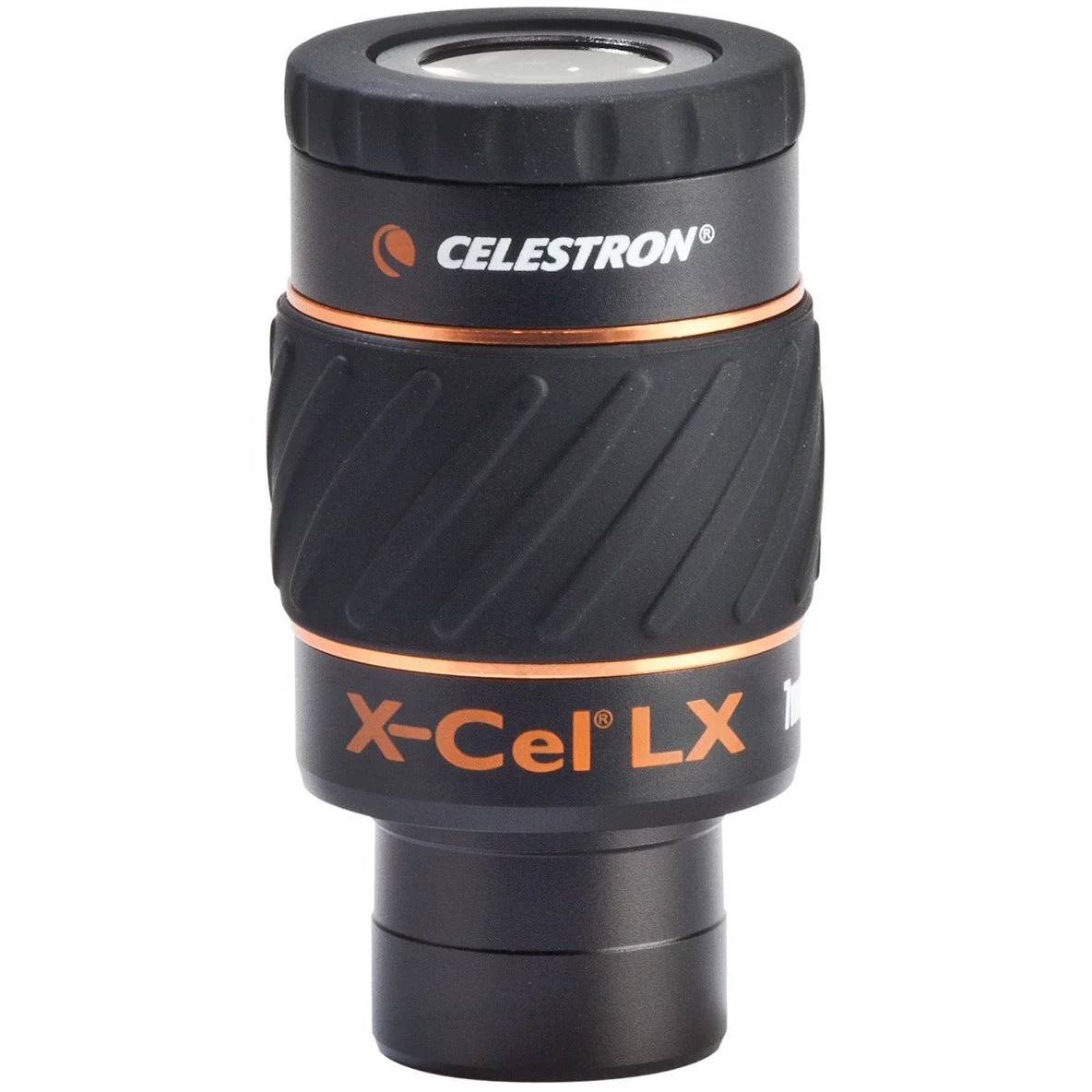
A sharper everyday viewCelestron X-Cel LX 18mm
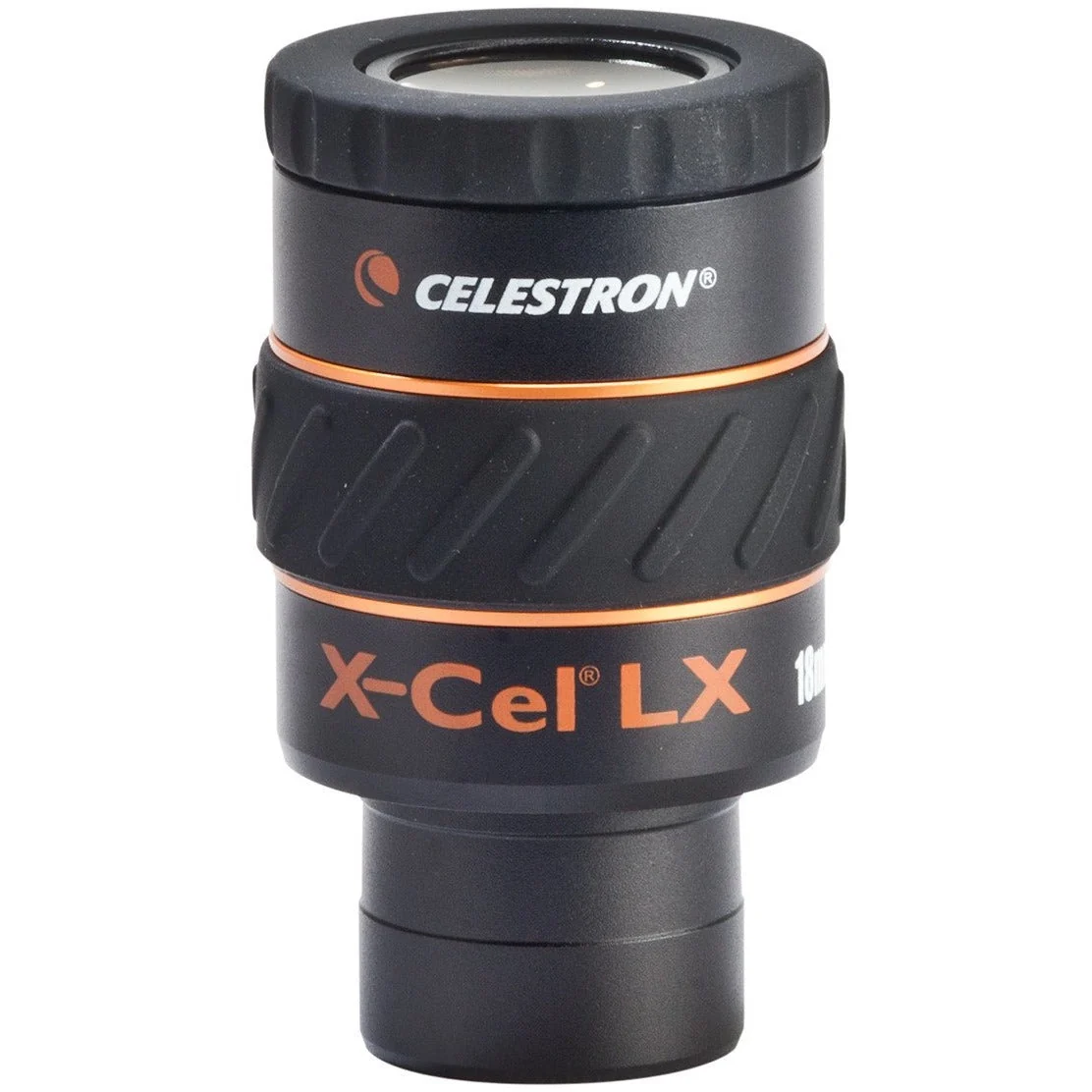
Show all compatible gear (6) →
Accessories
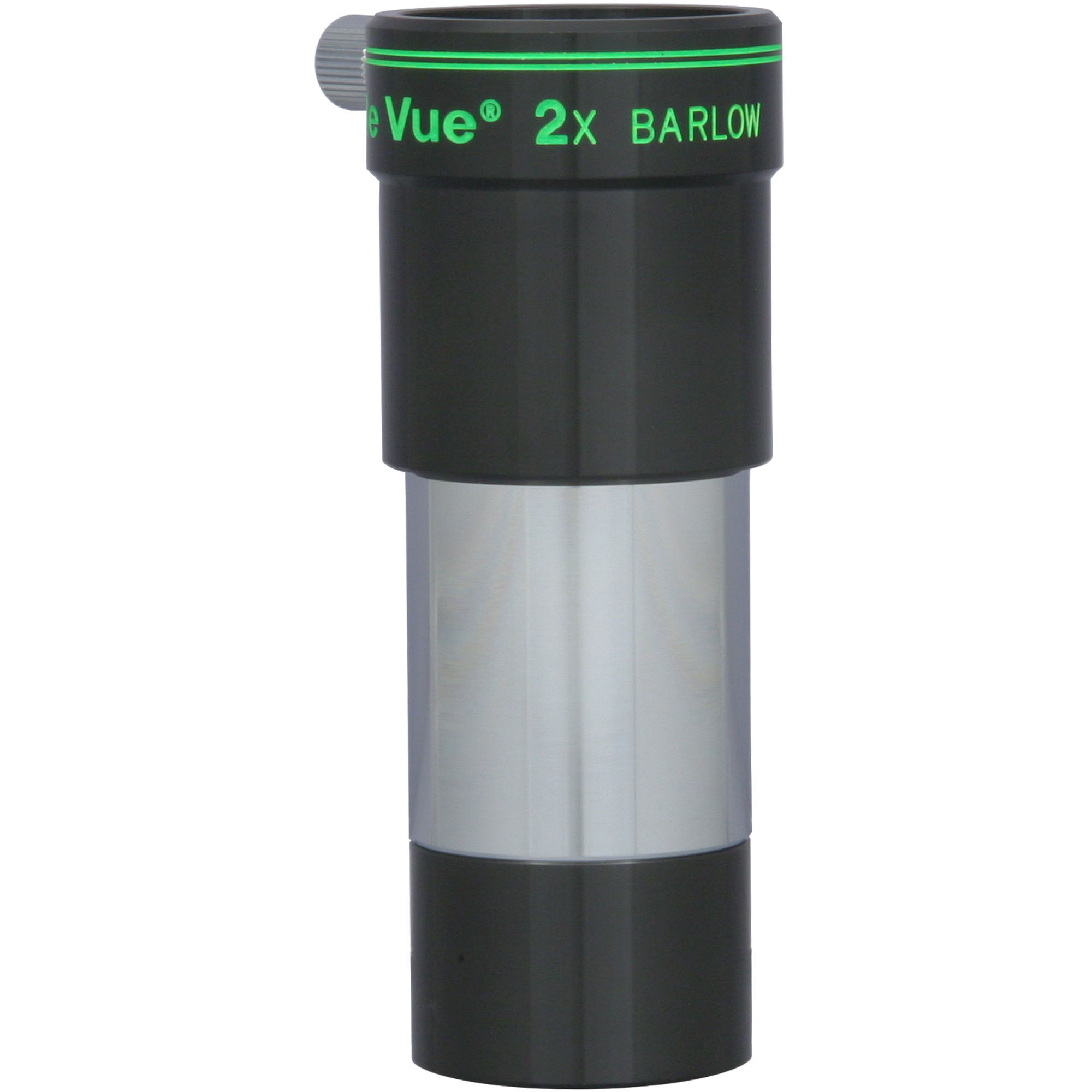
Double your magnificationTele Vue 2x Barlow 1.25-inch
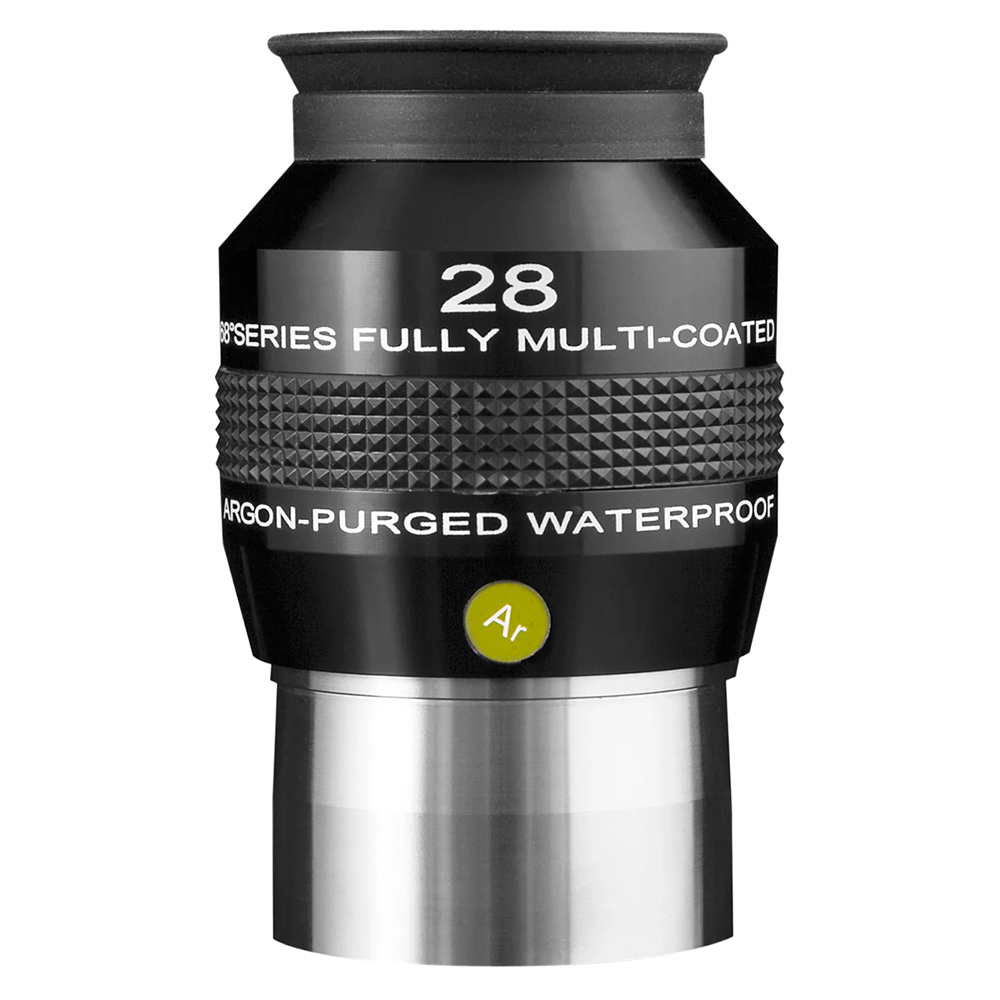
See wider, brighter deep-sky viewsExplore Scientific 68deg 28mm 2-inch
Lunar & planetary
Excellent
Deep-sky visual
Excellent
Astrophotography
Not its purpose, a visual scope
06The numbers

Full specifications.

6 measured and stated values
Optics
Optical DesignNewtonian
Aperture254mm
Focal Length1200mm
Focal Ratiof/4.7
Mount & drive
Mount TypeDobsonian
Physical
Weight25.0 kg