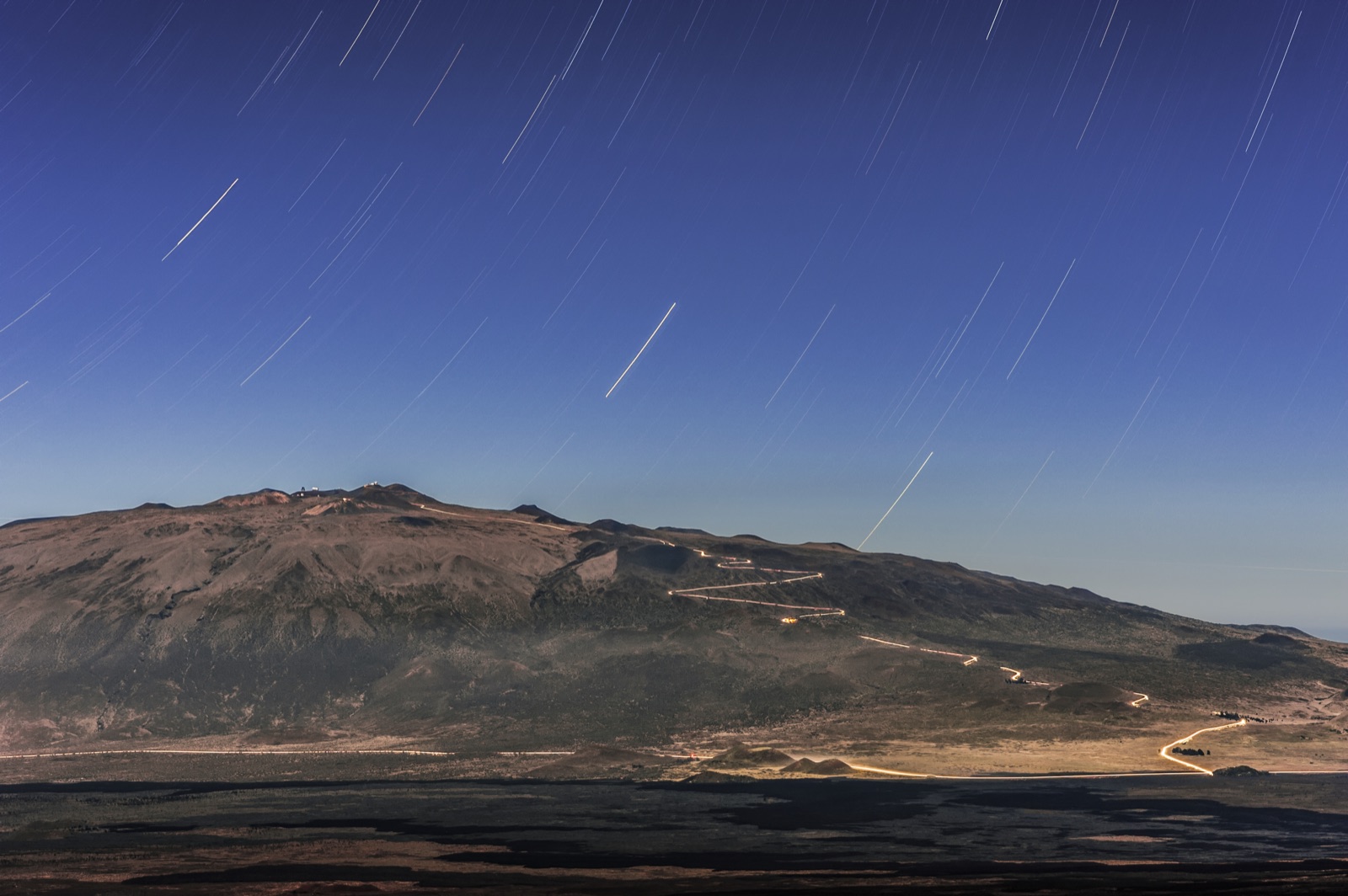
Above the inversion layer, at the latitude that opens the southern sky.
Mauna Kea Visitor Information Station
Above the layer of cloud that ruins everyone else's night.
The haze and cloud that sit on Hawaii stay below you here — you are not hoping for a clear night so much as arriving above the thing that would have ruined it.
The Visitor Information Station sits at 9,200 feet — deliberately below the summit, where the research telescopes are and where the public should not be observing. What it buys you is the inversion layer: the cloud and haze that sit on Hawaii stay below you, and the air above is the same air that made this the most contested telescope site on Earth.
At 19° north you see deep into the southern sky — objects that never clear the horizon from the mainland sit high and clean here.
Quick facts
The targets that make the trip.
Not the internet’s greatest hits — the objects that justify the drive. The ones that look wrong, in the best possible way, the first time you see them this dark.
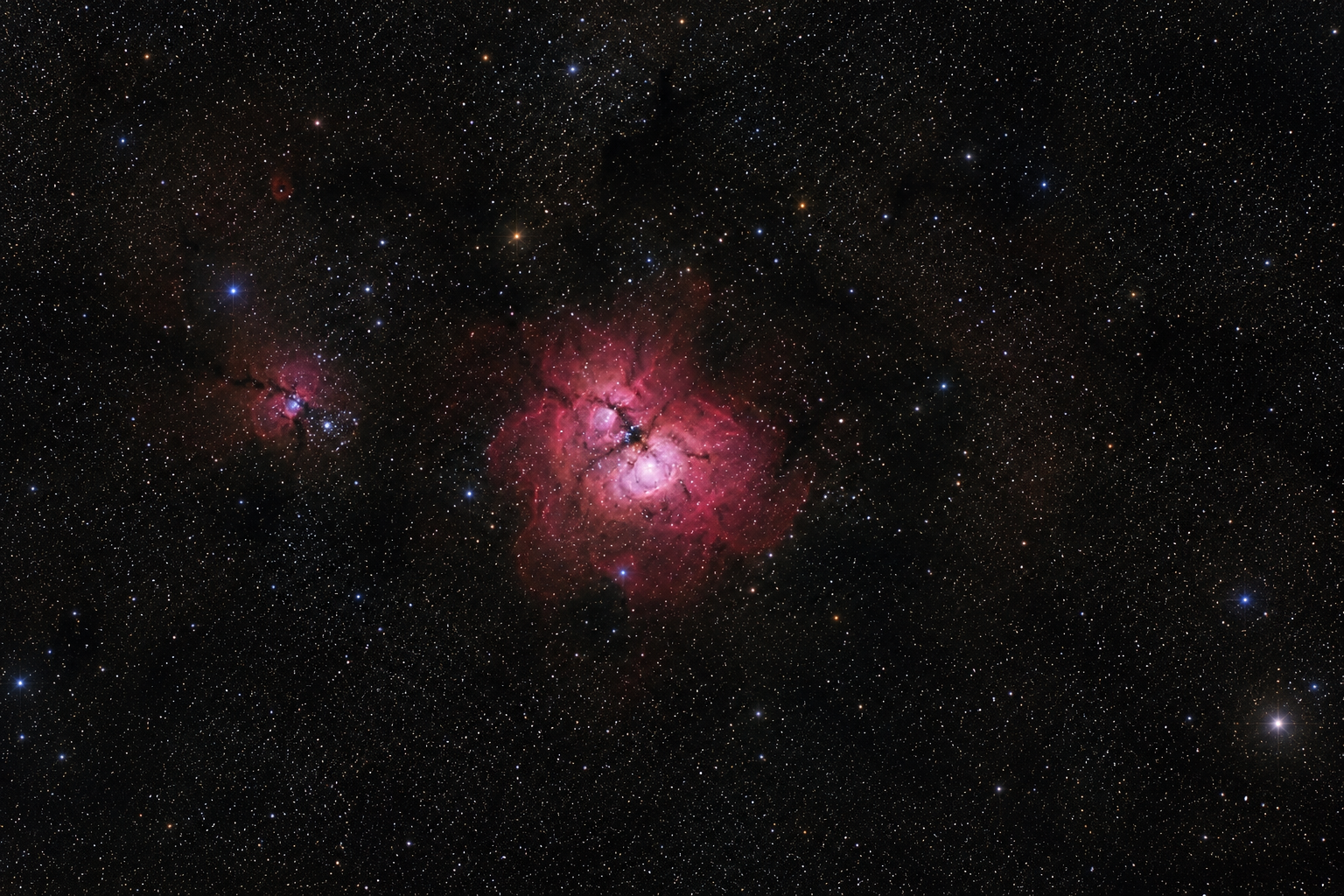
Lagoon Nebula
At 19° north M8 climbs near the zenith rather than crawling along the horizon. Combined with the seeing this mountain is famous for, it is about as good as this object gets from anywhere accessible.
Open target →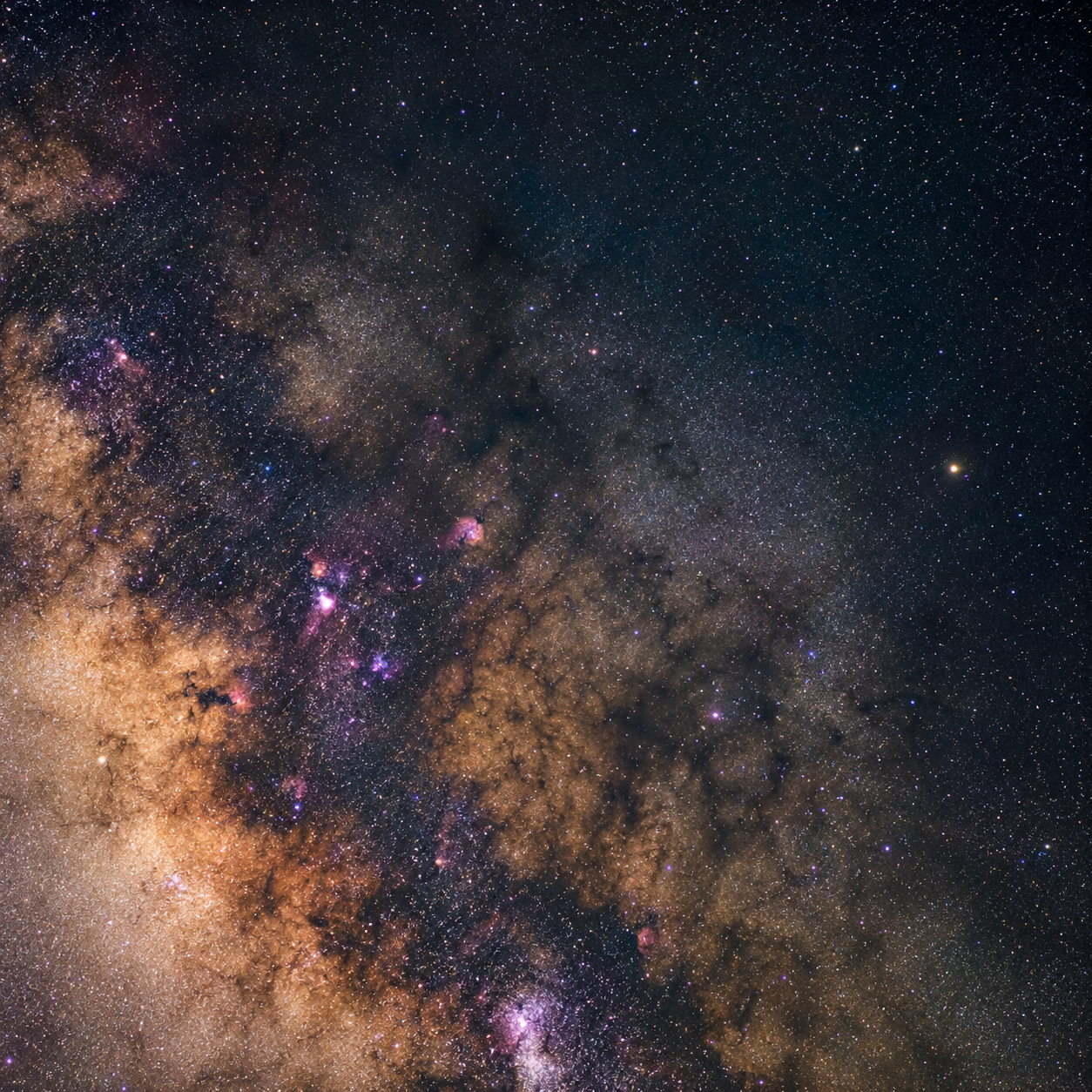
Sagittarius Star Cloud
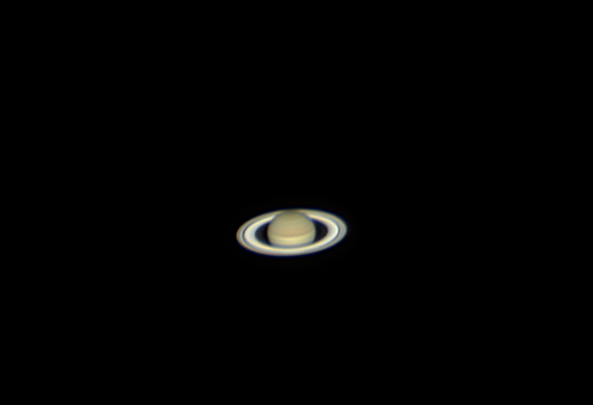
Saturn
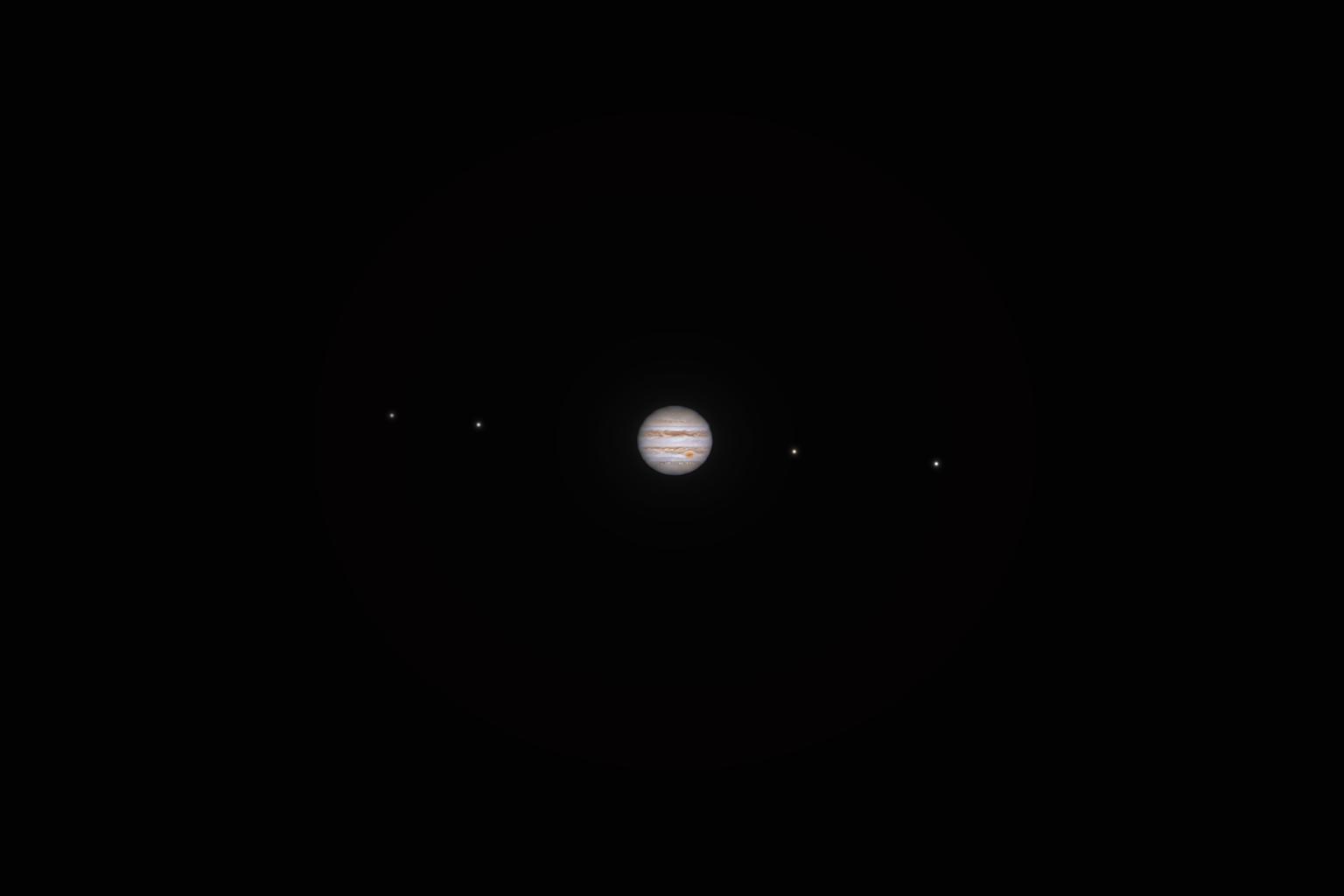
Jupiter
If you have ever wondered whether your telescope was the problem, this is where you find out it was the air.— The Skynocular field notes
Gear that earns the drive.
A dark site rewards aperture and wide, true fields — not gadgets. This is what we’d actually load in the car.
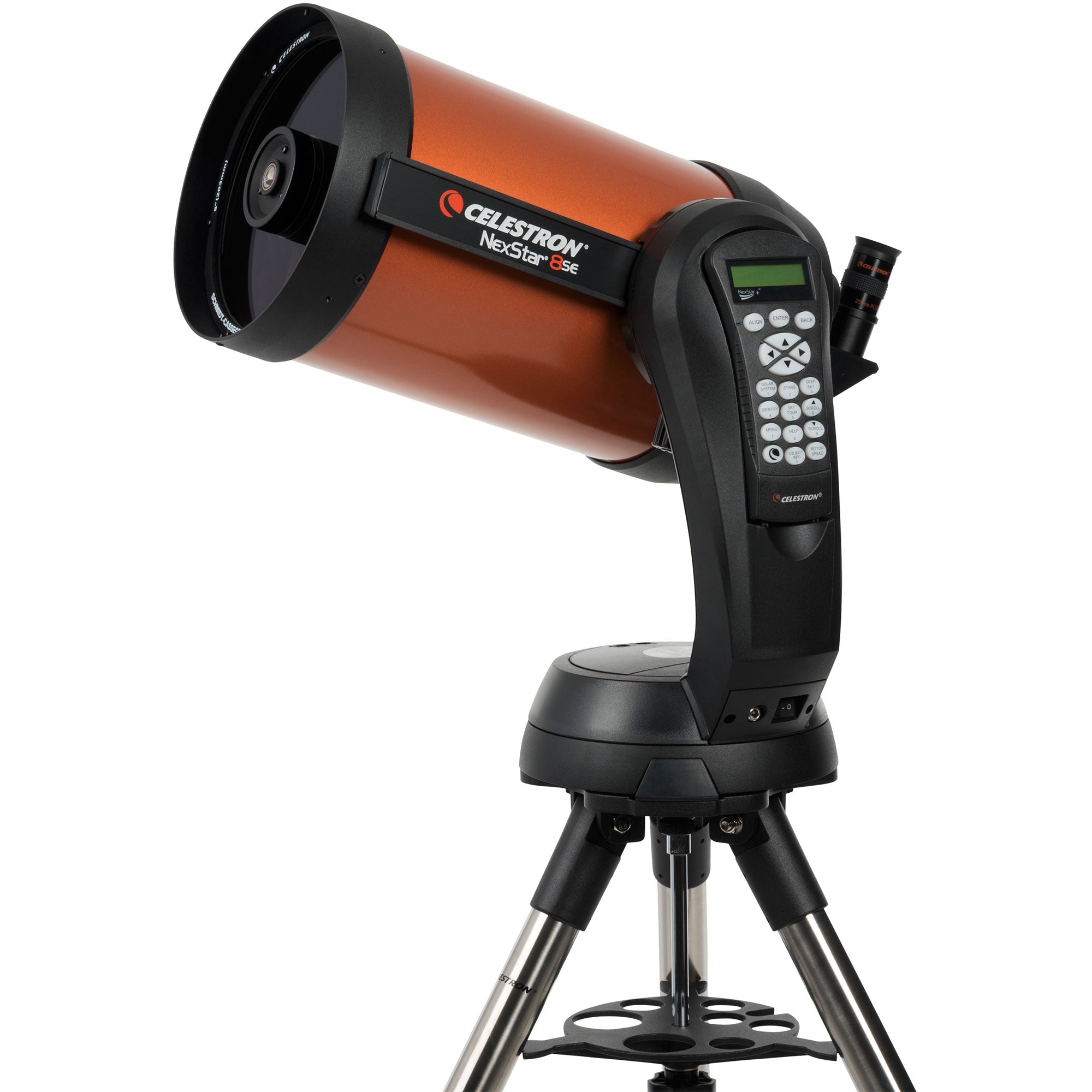
Celestron NexStar 8SE
Compact enough to fly with or rent a car around, and a Schmidt-Cassegrain is exactly the instrument for the steady air on this mountain — long focal length, high magnification, planets that hold together.
Score
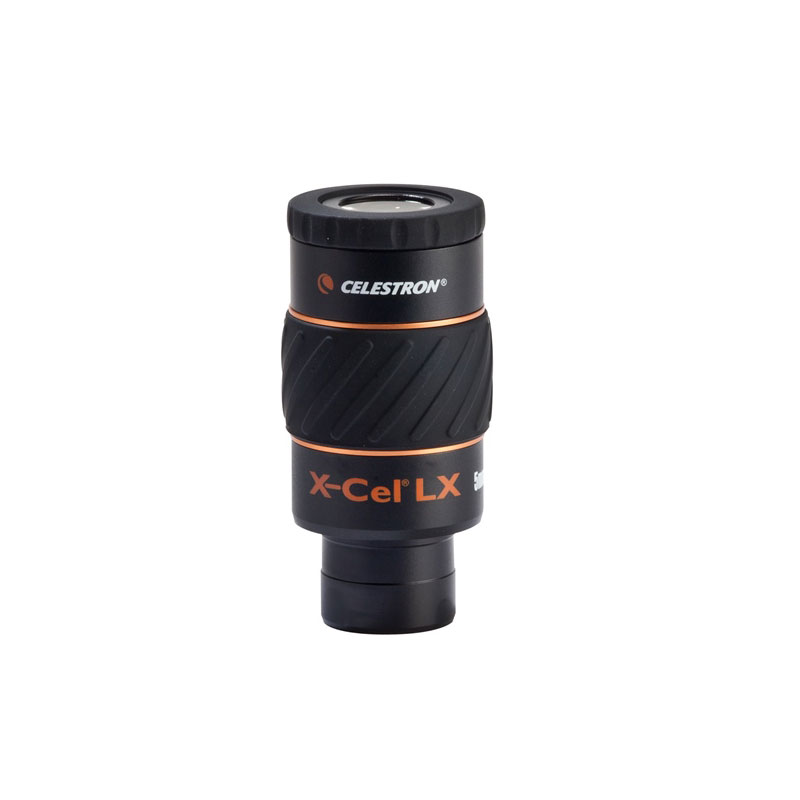
Celestron X-Cel LX 5mm
Bring something short. The seeing here will support magnifications that would be a waste of time at sea level, and the whole reason to observe from this mountain is to find the ceiling.
Score
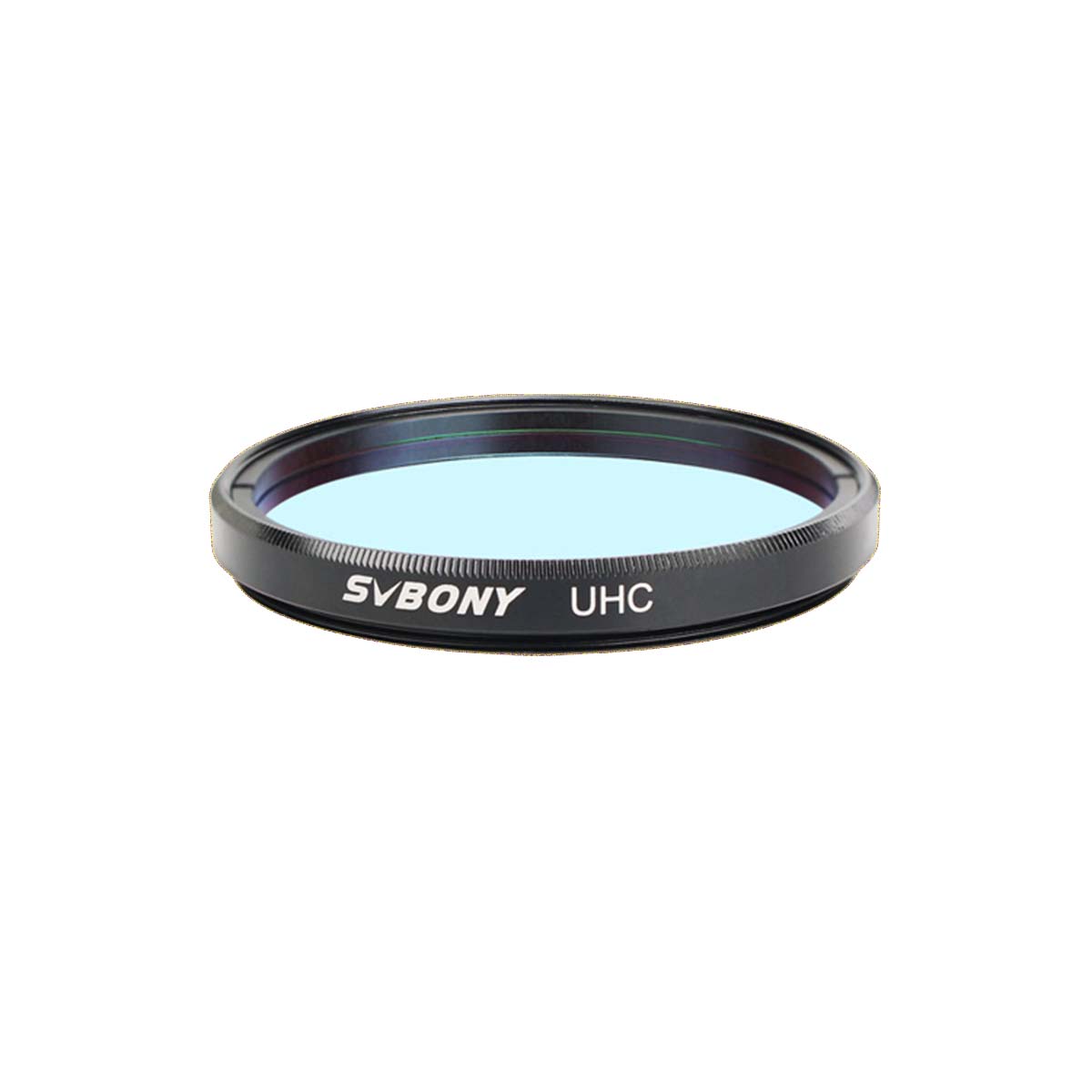
SVBony UHC 1.25-inch
The Sagittarius nebulae ride high at this latitude. A UHC is the cheap way to make the most of a sky most mainland observers never get.
Score
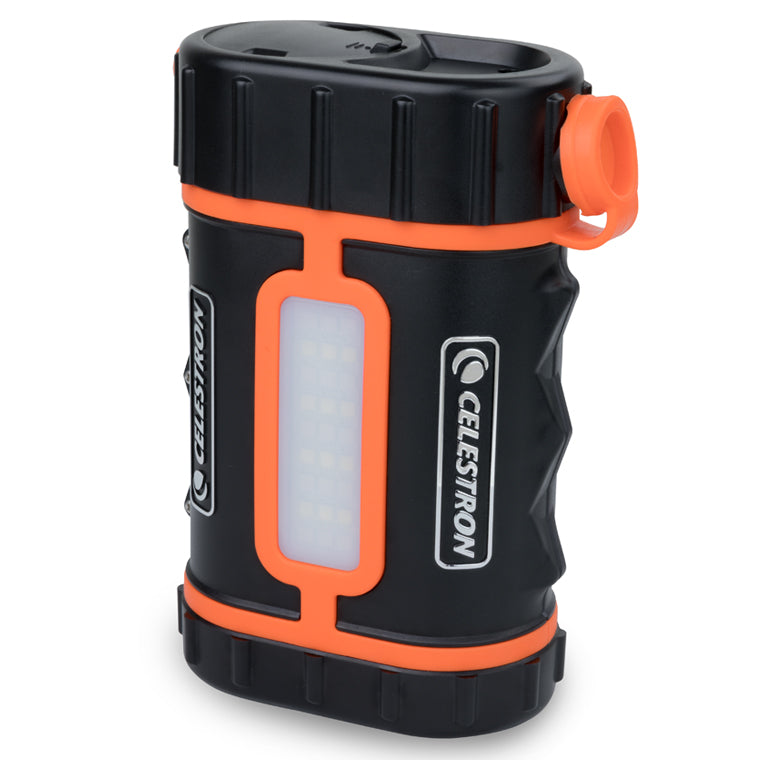
Celestron PowerTank Lithium
A GoTo mount at 9,200 feet with no outlet in sight. Charge it at sea level.
Score
// Reader-funded through affiliate links · no brand pays for placement here
Conditions and getting there.
Weather
The inversion layer is the whole mechanism: below it the island is cloudy, above it the air is exceptionally stable and dry. The VIS is usually above it. Usually.
Typical conditions
Seeing here is world-class — this is why the observatories are on the mountain. It is also 9,200 feet, and altitude sickness is a real risk if you drive up fast from sea level. Stop and acclimatise for at least 30 minutes.
Timing the moon
The southern objects that justify the trip are low-contrast and extended. Target new moon and let them climb.
Getting there
Saddle Road is fine; the road above the VIS is not, and you should not be going up there anyway. Dress for near-freezing — people arrive from a beach at sea level in shorts and leave after twenty minutes. Check the VIS schedule before committing, as public programs and hours have changed repeatedly in recent years.
The next questions.
Why Do Observers Chase Dark Skies Instead of More Aperture?
The least intuitive truth in the hobby: the sky itself is a piece of equipment, and it is usually the one that matters most.
Read the guide →Why Do Astronomers Own So Many Eyepieces?
One telescope does not have a single view. It has a whole range of them, and the eyepiece is how you choose which one you get tonight.
Read the guide →More of the astronomy graph nearby.
We’re mapping observatories, clubs, star parties and visitor centers near each place — so a trip here connects to the wider community.
See this sky before you drive.
Load Saturn into the simulator with the gear we’d bring here — and know exactly what this sky will put in your eyepiece.
Explore this sky →