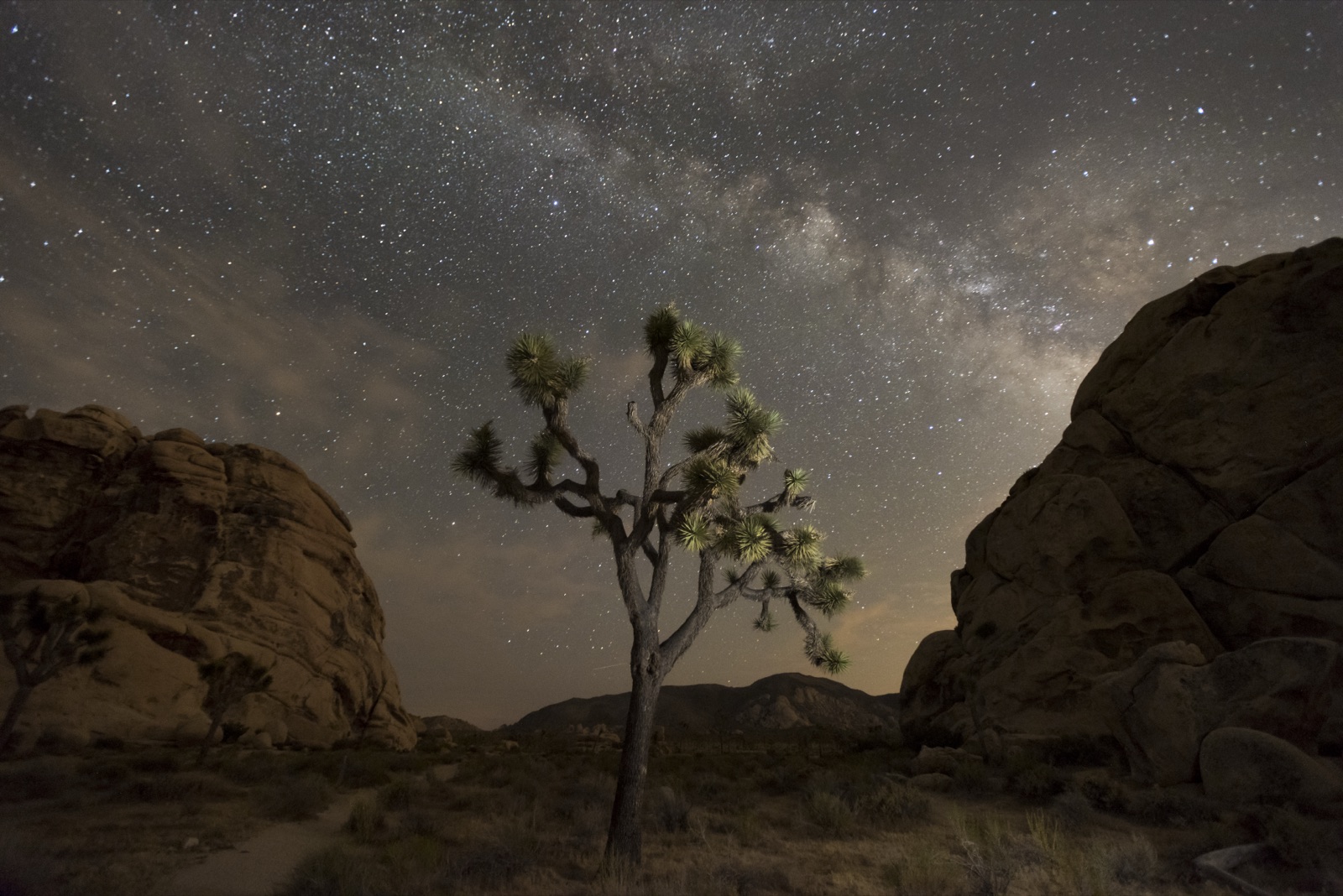
Not the darkest sky — the darkest sky twenty million people can reach on a Friday night.
Joshua Tree National Park
The dark sky twenty million people can actually reach.
NPS/Brad Sutton · Public domain
It is not Bortle 1, and pretending otherwise would be a lie. What it is, is a sky you can be under twelve times a year instead of once — and that teaches you more.
Joshua Tree is not Bortle 1, and anyone who tells you otherwise is selling something. What it is, is the only genuinely usable sky within a two-hour drive of Los Angeles, San Diego and the Inland Empire — and that proximity changes the entire calculus. A site you can actually get to twelve times a year will teach you more than a Bortle 1 site you visit once.
The park is also a live demonstration of what light pollution does: drive from the west entrance to the east and you watch the sky get measurably darker through the windshield.
Quick facts
The targets that make the trip.
Not the internet’s greatest hits — the objects that justify the drive. The ones that look wrong, in the best possible way, the first time you see them this dark.
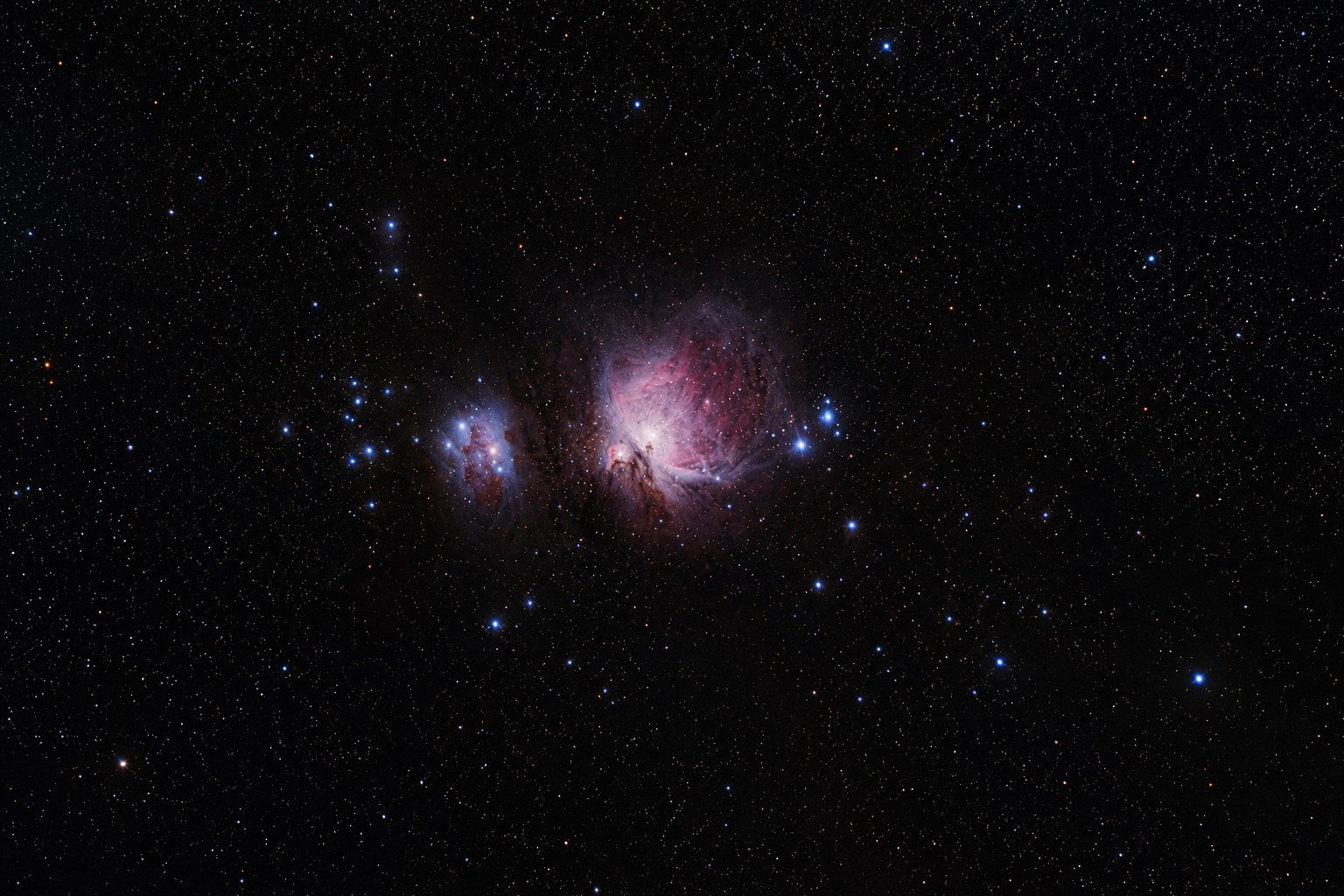
Orion Nebula
Orion is bright enough that a modest sky cannot ruin it, which makes it the right hero for a site like this. At Bortle 3 the wings spread wide and the Trapezium splits cleanly. It is the single best demonstration of why the two-hour drive was worth it — and it is directly overhead in Joshua Tree's season.
Open target →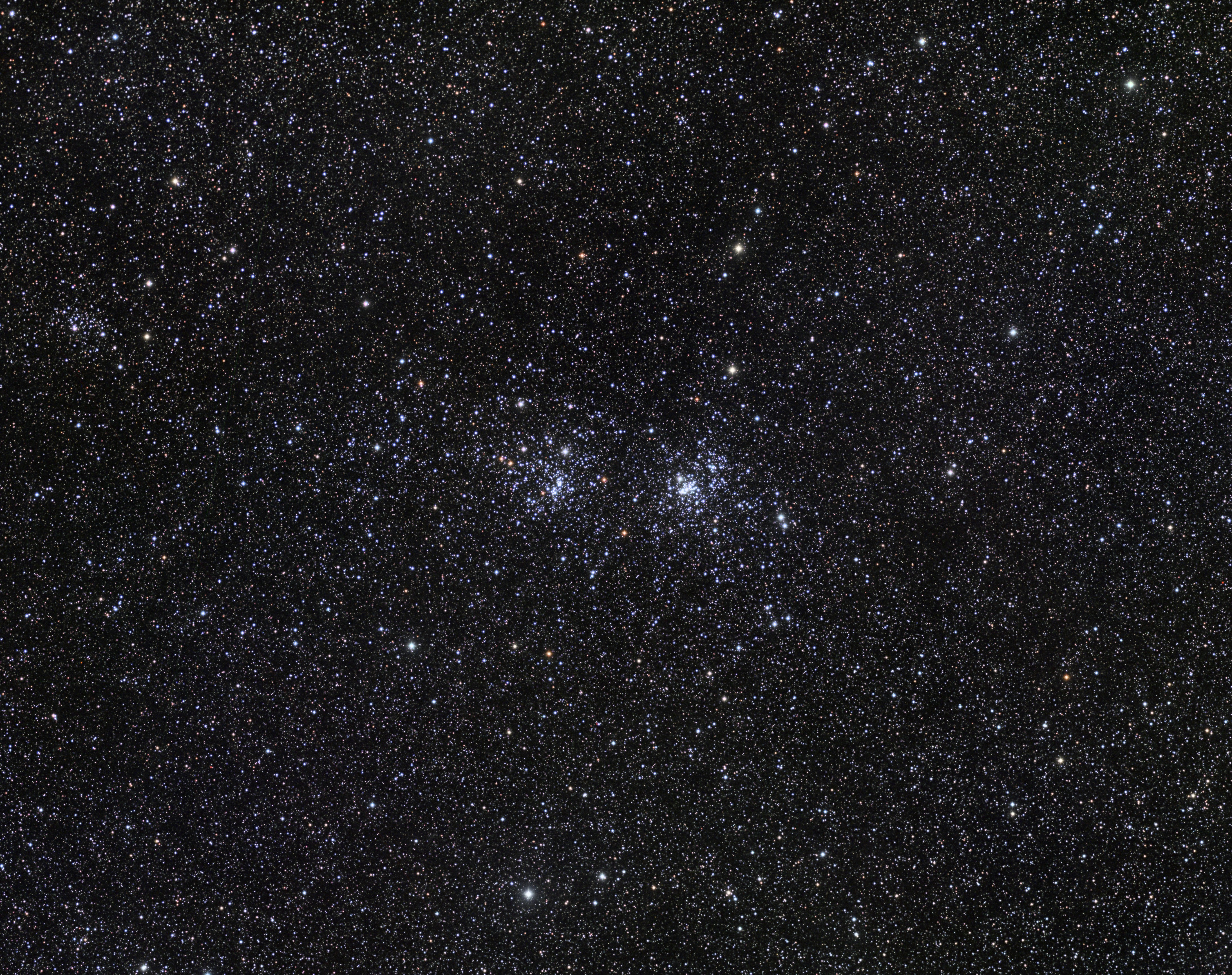
Double Cluster
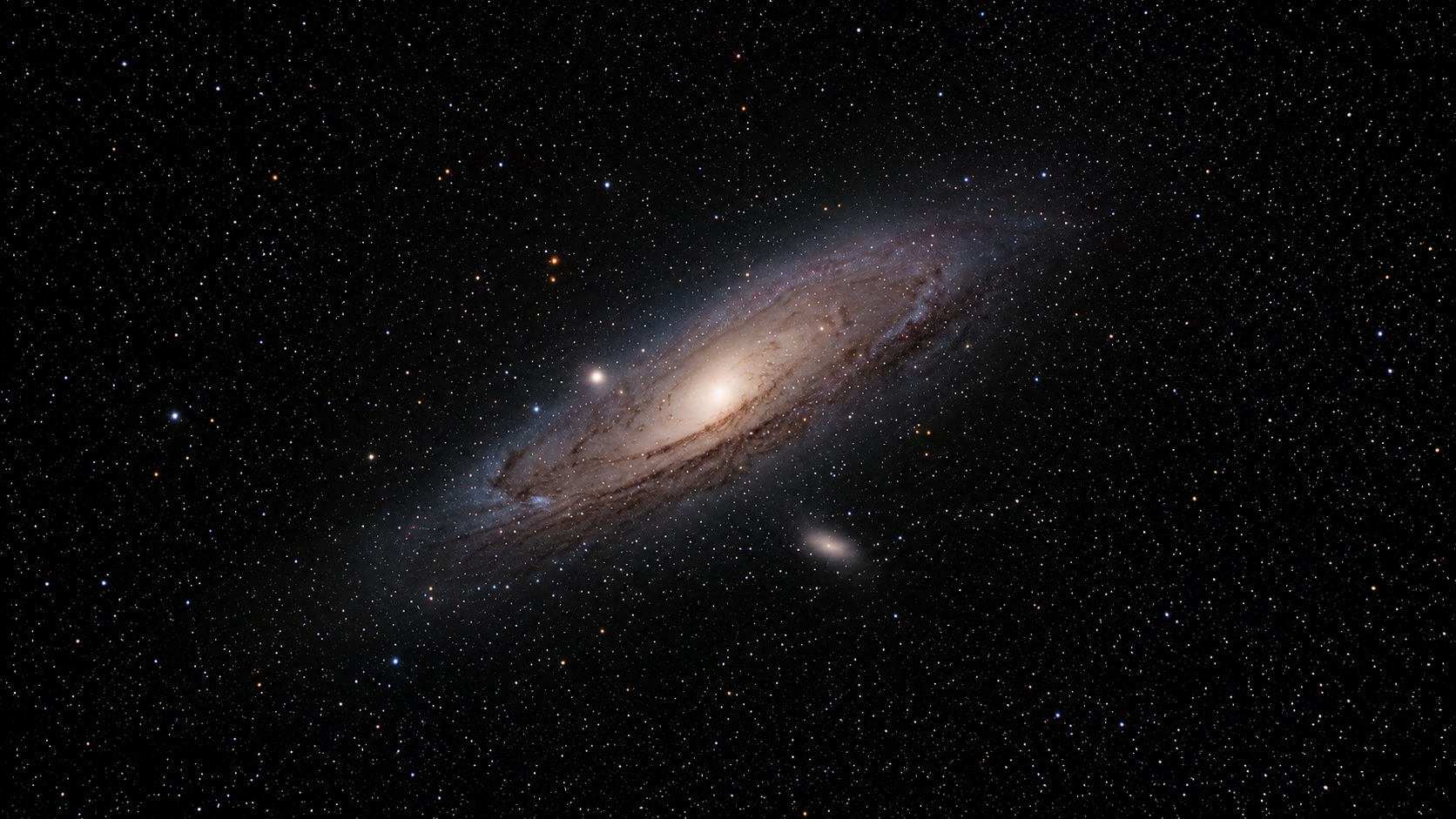
Andromeda Galaxy
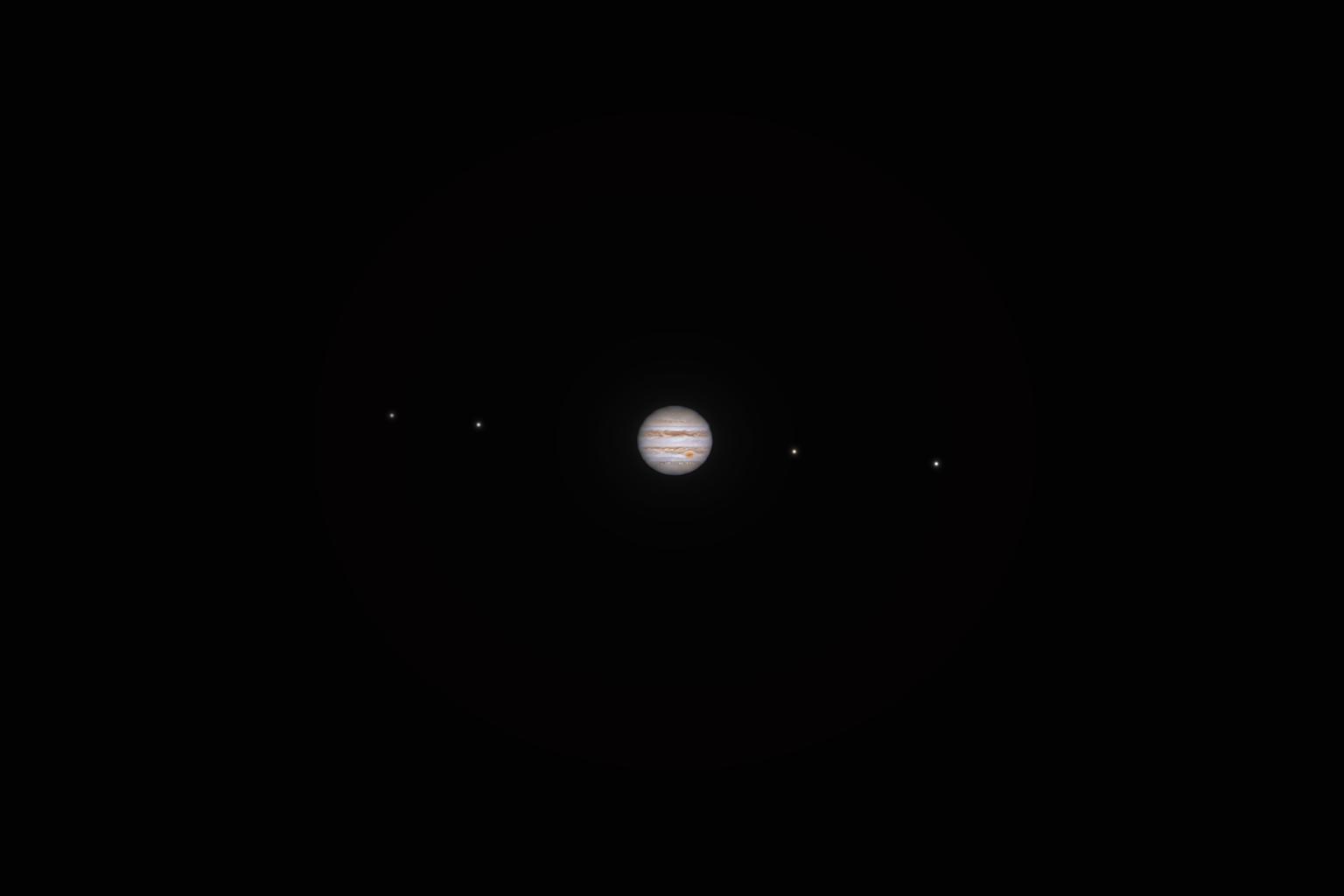
Jupiter
The best telescope is the one you actually use. The best dark site is the one you actually drive to.— The Skynocular field notes
Gear that earns the drive.
A dark site rewards aperture and wide, true fields — not gadgets. This is what we’d actually load in the car.
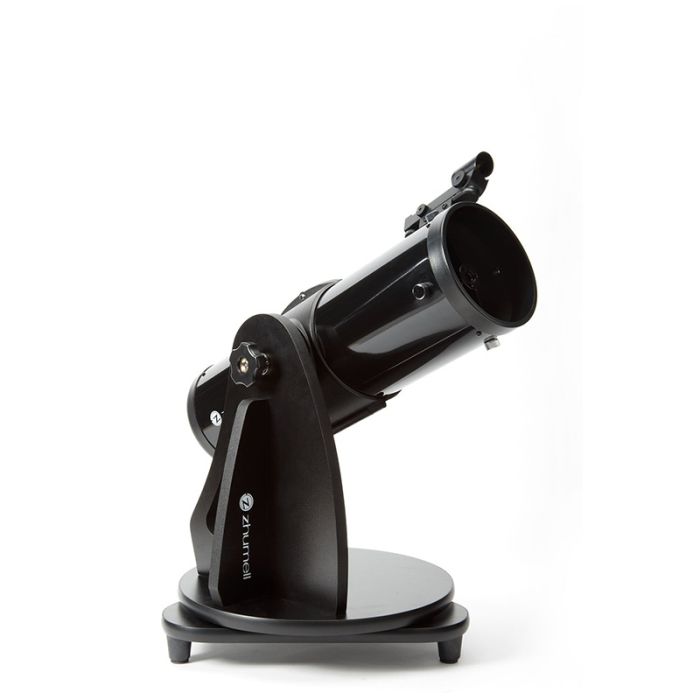
Zhumell Z114 Tabletop Reflector
The whole argument for Joshua Tree is that you come often. That favours a telescope you can throw in the back seat without a second thought over one that turns every trip into an expedition. A tabletop reflector under Bortle 3 beats a 12-inch Dob that stayed in the garage.
Score
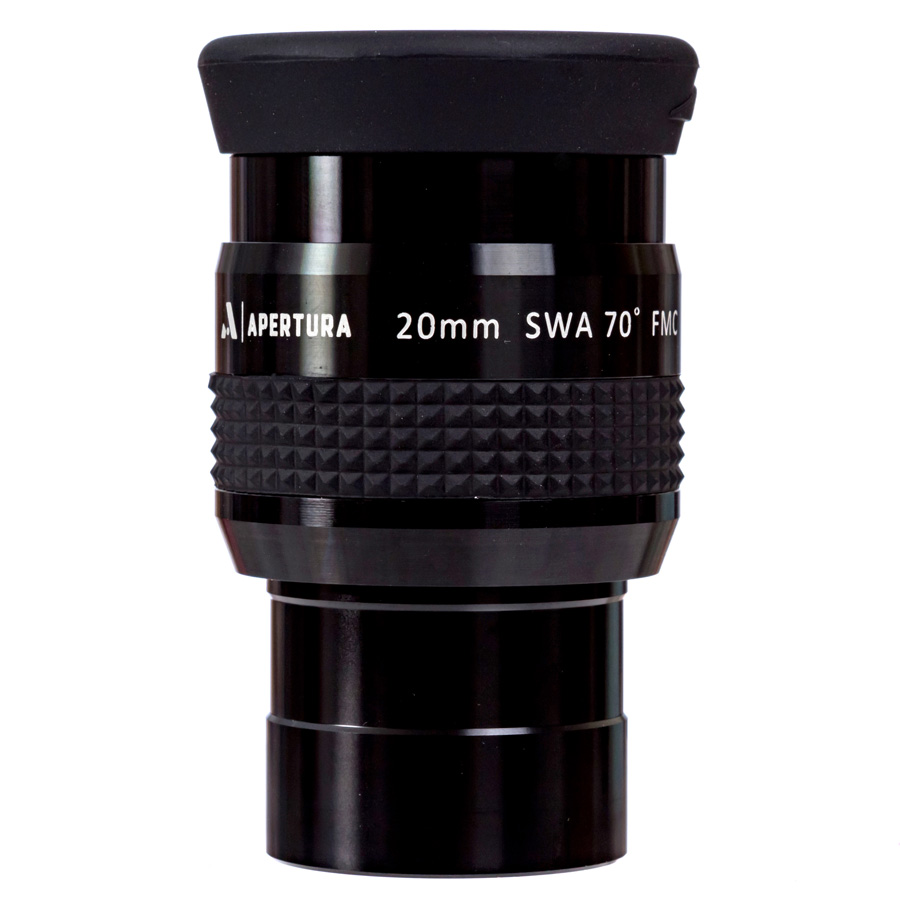
Apertura Super Wide Angle 20mm
A 70° field at 20mm is the workhorse here — wide enough to frame Orion and the Double Cluster properly, and short enough to stay useful on a small scope.
Score
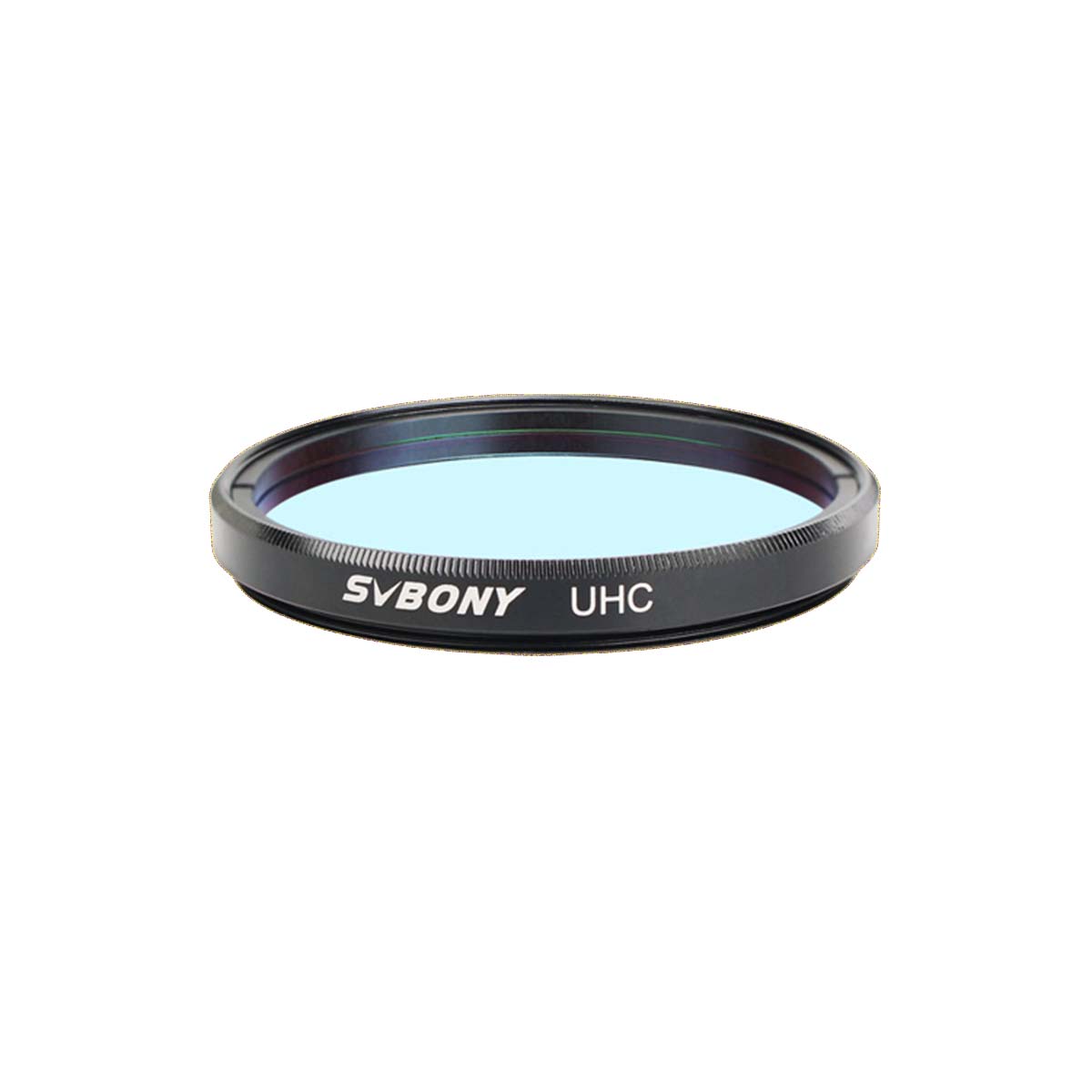
SVBony UHC 1.25-inch
At Bortle 3 there is still skyglow to fight, and a UHC is the cheapest way to claw back contrast on Orion. It will not rescue a galaxy — nothing will, at this sky — but on emission nebulae it earns its money.
Score
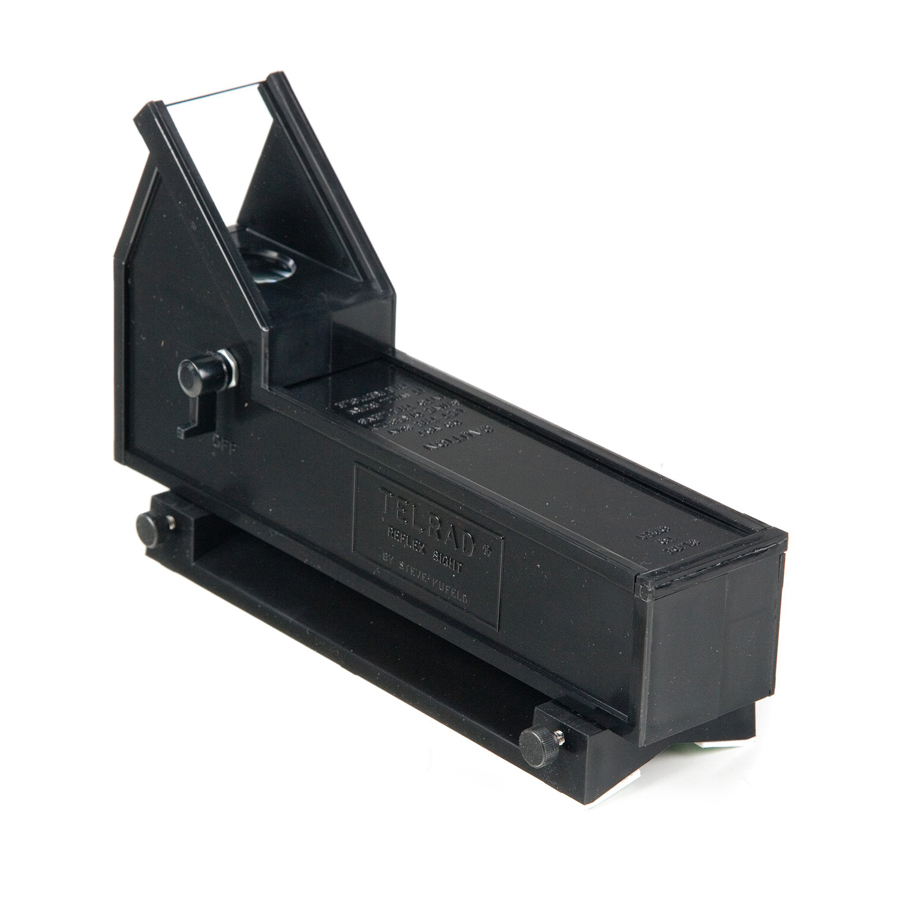
Telrad Reflex Sight Finder
Fast to set up, nothing to power, and it survives being tossed in a car every few weeks. The right finder for a site you visit often and casually.
Score
// Reader-funded through affiliate links · no brand pays for placement here
Conditions and getting there.
Weather
High-desert dry with a large number of clear nights — the odds here are far better than at any eastern site. The real constraint is heat, not cloud: summer is genuinely dangerous and the park empties out for a reason.
Typical conditions
Elevation across the park ranges from roughly 1,000 ft in the Pinto Basin to over 5,000 ft at Keys View, so conditions vary a lot depending where you set up. Nights are cold from November through March — desert temperature swings are severe, and people routinely underdress. Dew is rarely a problem.
Timing the moon
Because the trip is cheap, you can afford to be picky. Aim for the week around new moon; if you get clouded out, come back next month. That is a luxury Big Bend does not give you.
Getting there
Two to three hours from LA, closer from Palm Springs. Enter from the north (Joshua Tree or Twentynine Palms) for services, but drive east and south toward Cottonwood or the Pinto Basin to get away from the light dome. Cell coverage dies quickly inside the park. Camping fills months ahead on weekends — go midweek if you can.
The next questions.
Why Do Galaxies Disappear in the City?
The Moon and planets shine through city light just fine, so why does a whole galaxy simply vanish? The answer is surface brightness, and it tells you exactly what to do.
Read the guide →Why Do Observers Chase Dark Skies Instead of More Aperture?
The least intuitive truth in the hobby: the sky itself is a piece of equipment, and it is usually the one that matters most.
Read the guide →Best Beginner Telescopes Under $500
Four scopes that are actually under $500, actually in stock, and actually worth owning.
Read the guide →More of the astronomy graph nearby.
We’re mapping observatories, clubs, star parties and visitor centers near each place — so a trip here connects to the wider community.
See this sky before you drive.
Load Orion Nebula into the simulator with the gear we’d bring here — and know exactly what this sky will put in your eyepiece.
Explore this sky →