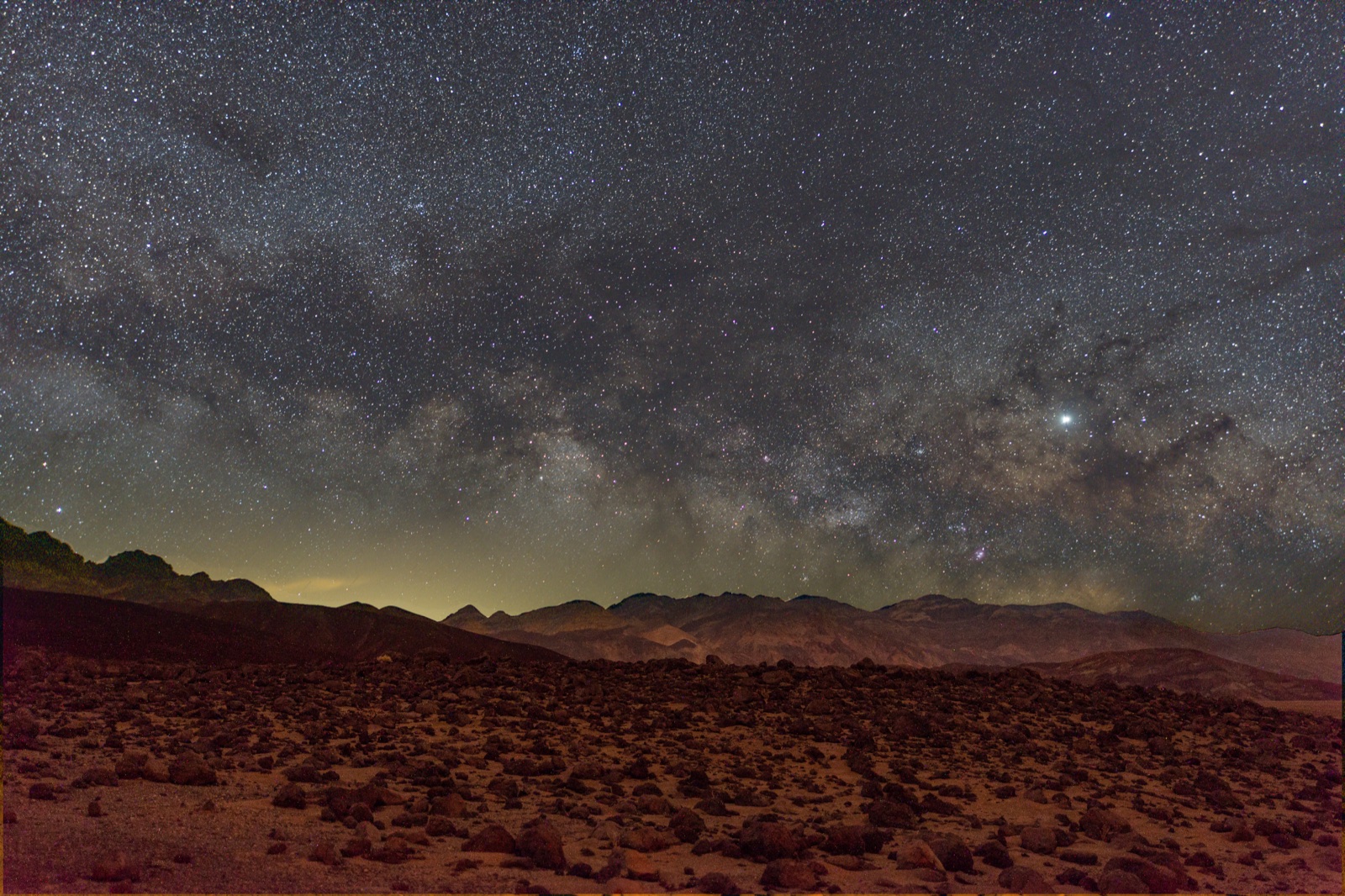
A Bortle 1 sky three hours from Las Vegas, with nothing above you but dry air.
Death Valley National Park
Where a nebula filter finally earns its money.
NPS · Public domain
Bortle 1, the driest air on the continent, and an OIII filter: the exact combination that turns the Veil Nebula from a rumour into a braided, structured thing you can actually see.
Death Valley is one of the largest Dark Sky Parks in the world and holds a Gold-tier designation. The desert air is among the driest on the continent, the surrounding basin ranges block what little light exists, and the nearest meaningful glow — Las Vegas — is far enough to sit low and behind rock.
This is the site where a good nebula filter stops being a nice-to-have and starts showing you structure you have only ever seen in photographs.
Quick facts
The targets that make the trip.
Not the internet’s greatest hits — the objects that justify the drive. The ones that look wrong, in the best possible way, the first time you see them this dark.
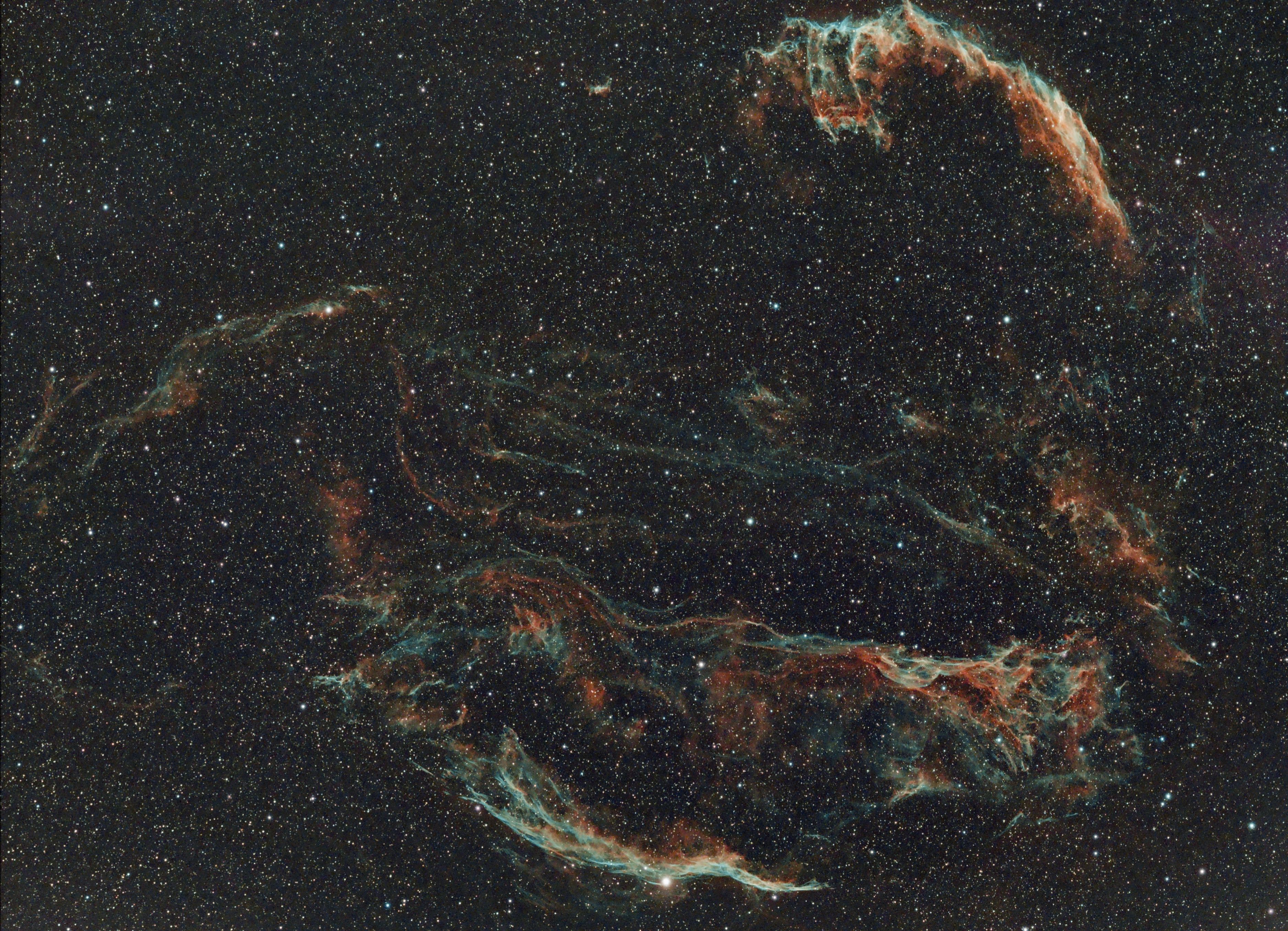
Veil Nebula
The Veil is the object that proves what a Bortle 1 sky plus a nebula filter can do. Without a filter it is a rumour. With an OIII, under this sky, at low power, it is a braided, structured filament that stretches across the field — the single most dramatic filter demonstration in visual astronomy.
Open target →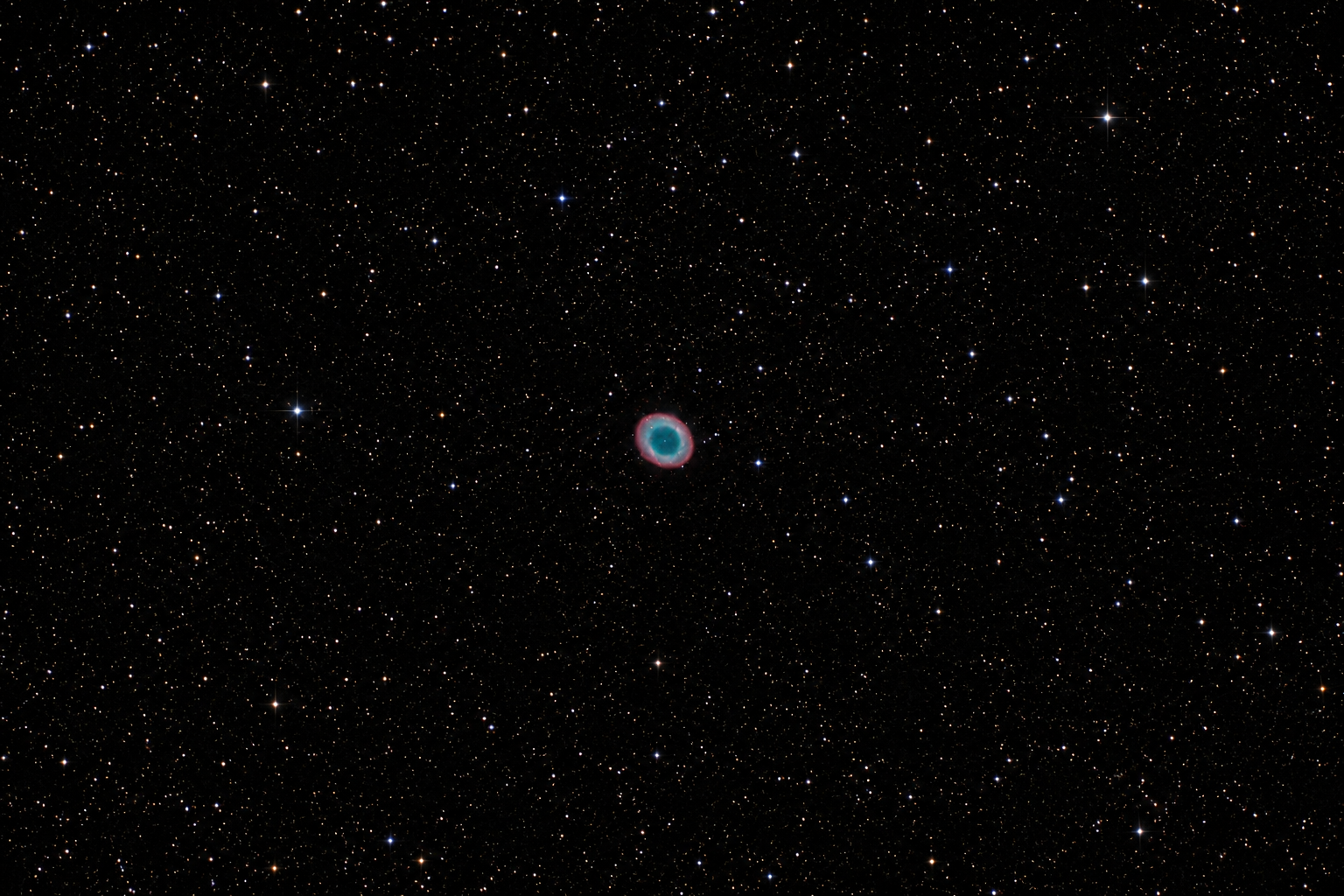
Ring Nebula
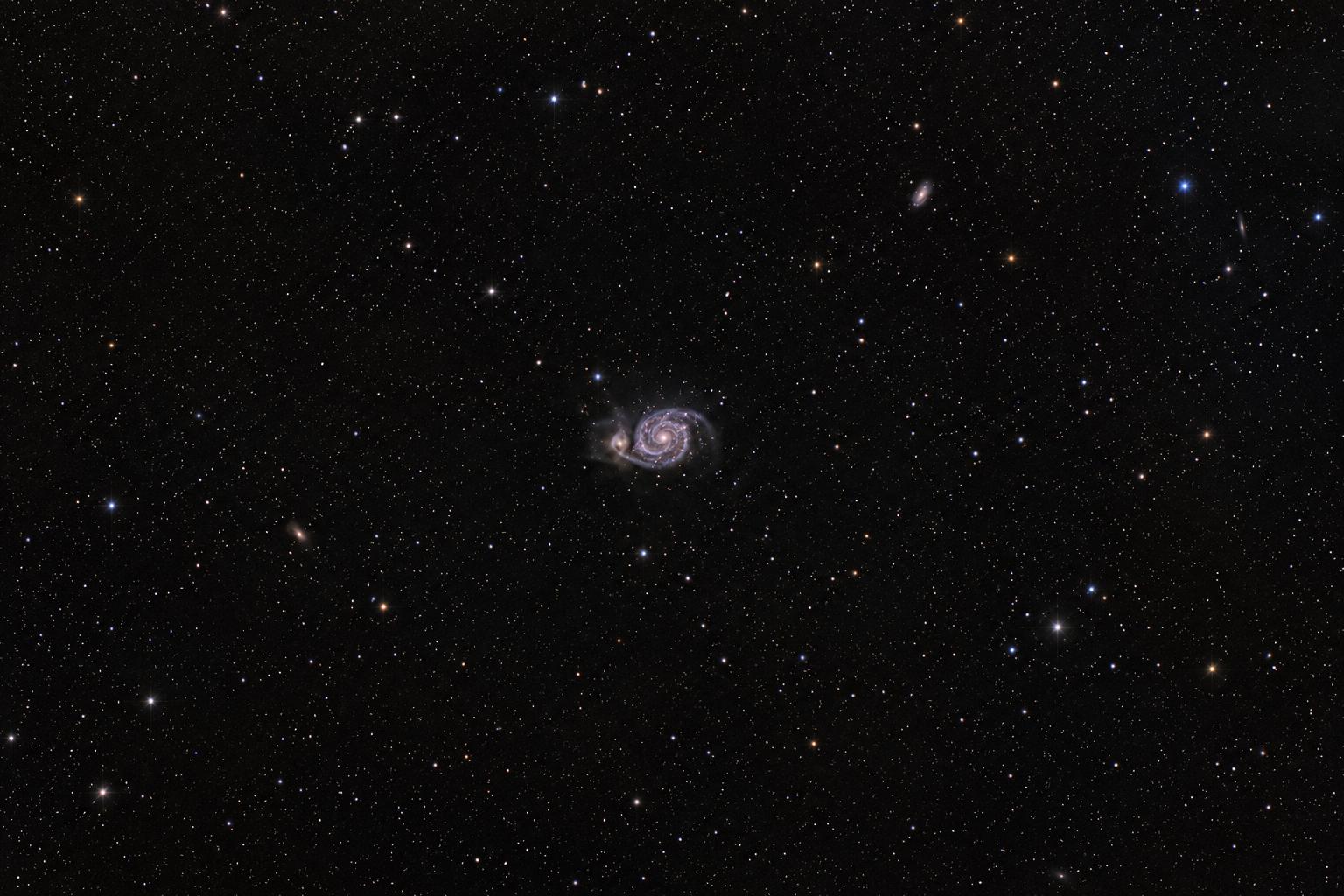
Whirlpool Galaxy
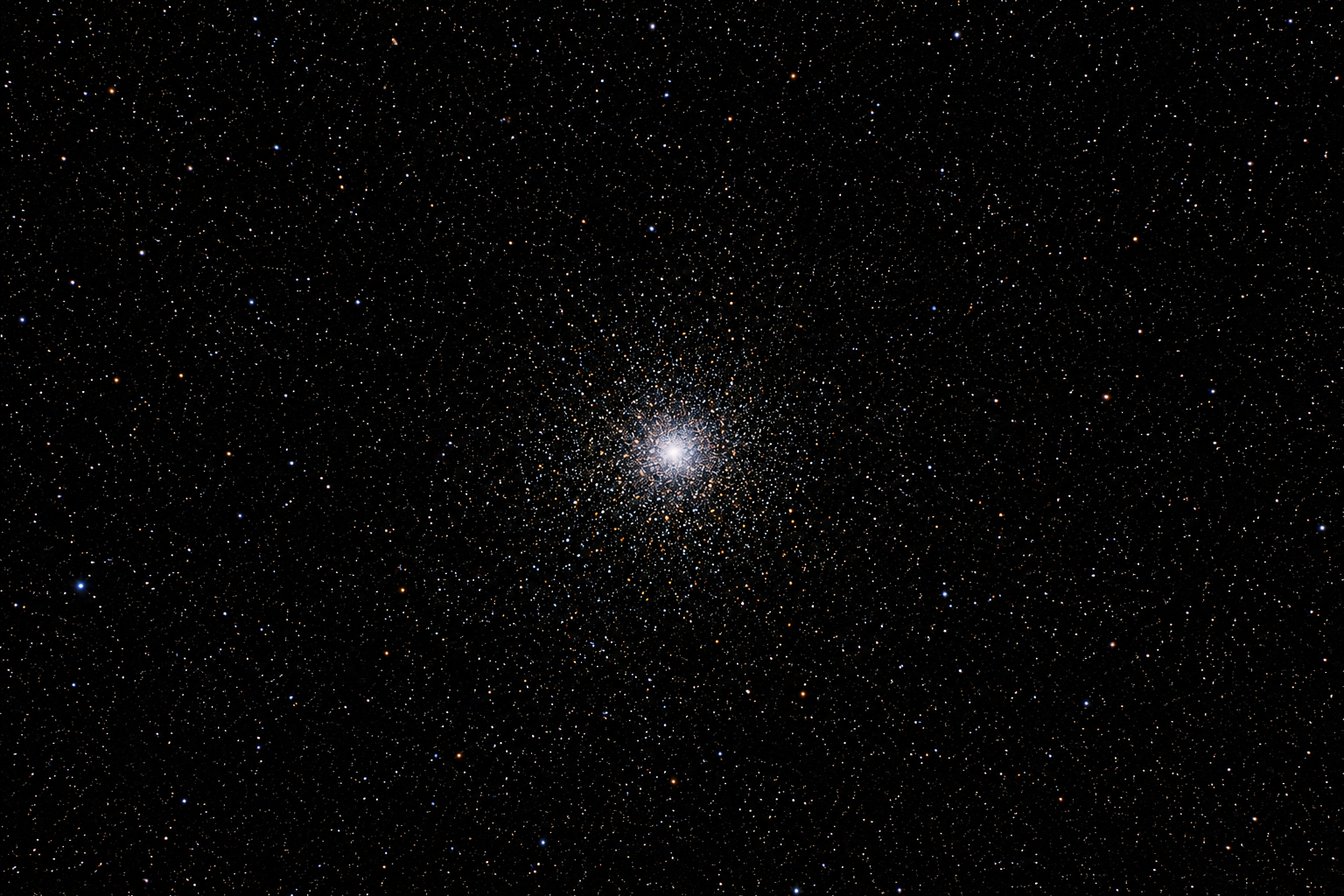
Hercules Cluster
Extinction near the horizon is so low that objects written off as lost causes from home are simply, quietly, there.— The Skynocular field notes
Gear that earns the drive.
A dark site rewards aperture and wide, true fields — not gadgets. This is what we’d actually load in the car.
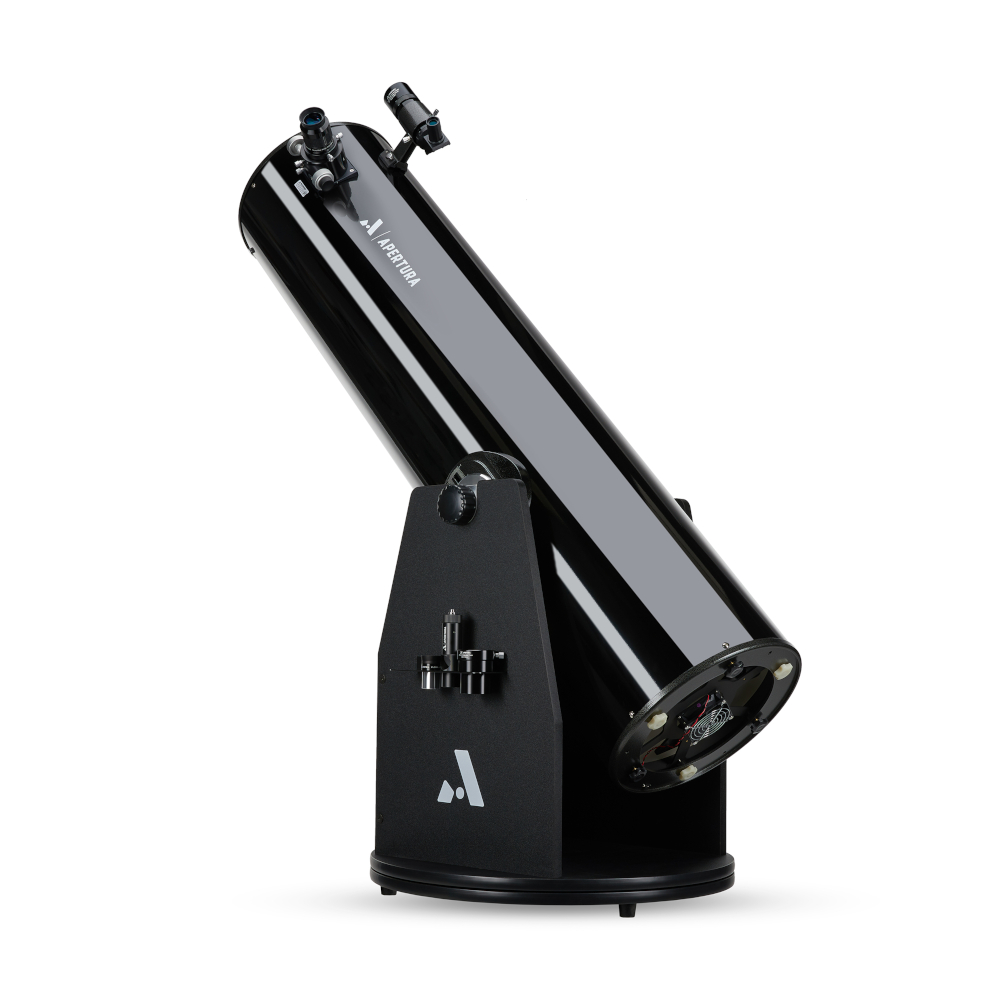
Apertura AD12 Dobsonian 12" Telescope with Accessories
Aperture plus a Bortle 1 sky is what puts visible spiral structure in M51 and real filament detail in the Veil. This is the site where twelve inches stops being excessive and starts being the point.
Score
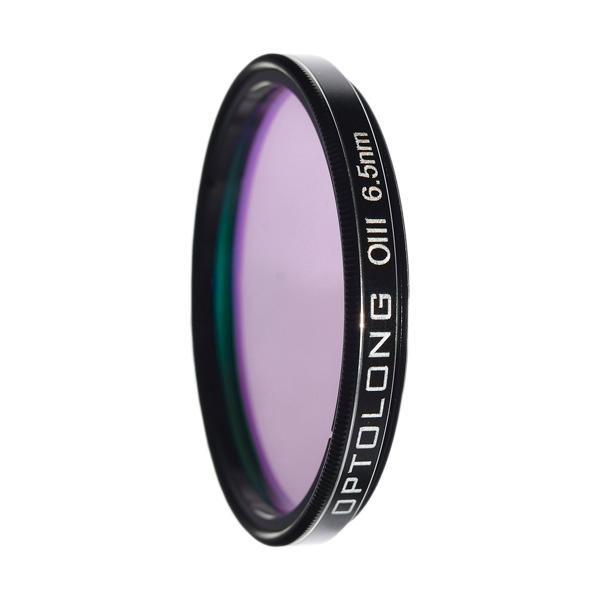
Optolong OIII Filter 2″
The single most important object in this list. An OIII filter under a Bortle 1 sky is what makes the Veil Nebula a structured, braided object instead of a rumour. If you bring one thing beyond the telescope, bring this.
Score
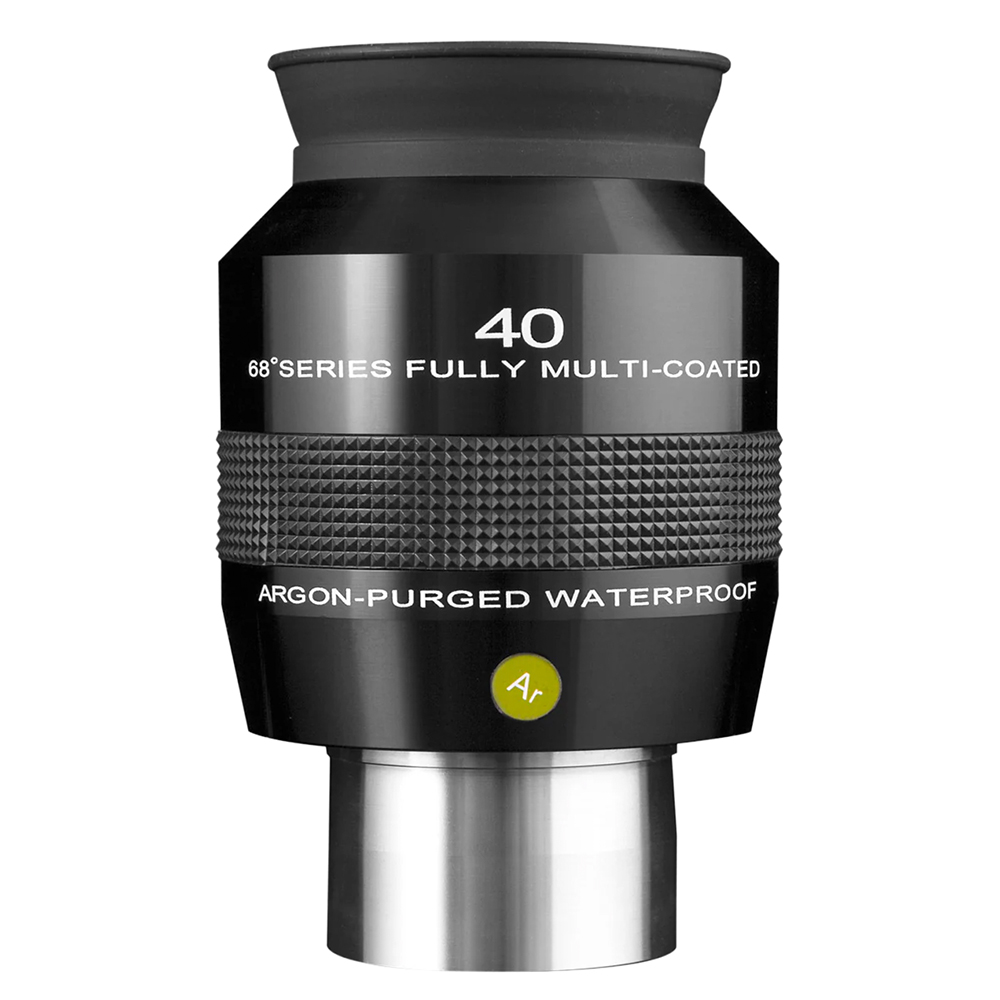
Explore Scientific 40mm 68°
The Veil is enormous — far larger than most people expect. You need true field to hold it, and the OIII wants a low-power exit pupil to work properly. This eyepiece and that filter are a matched pair.
Score
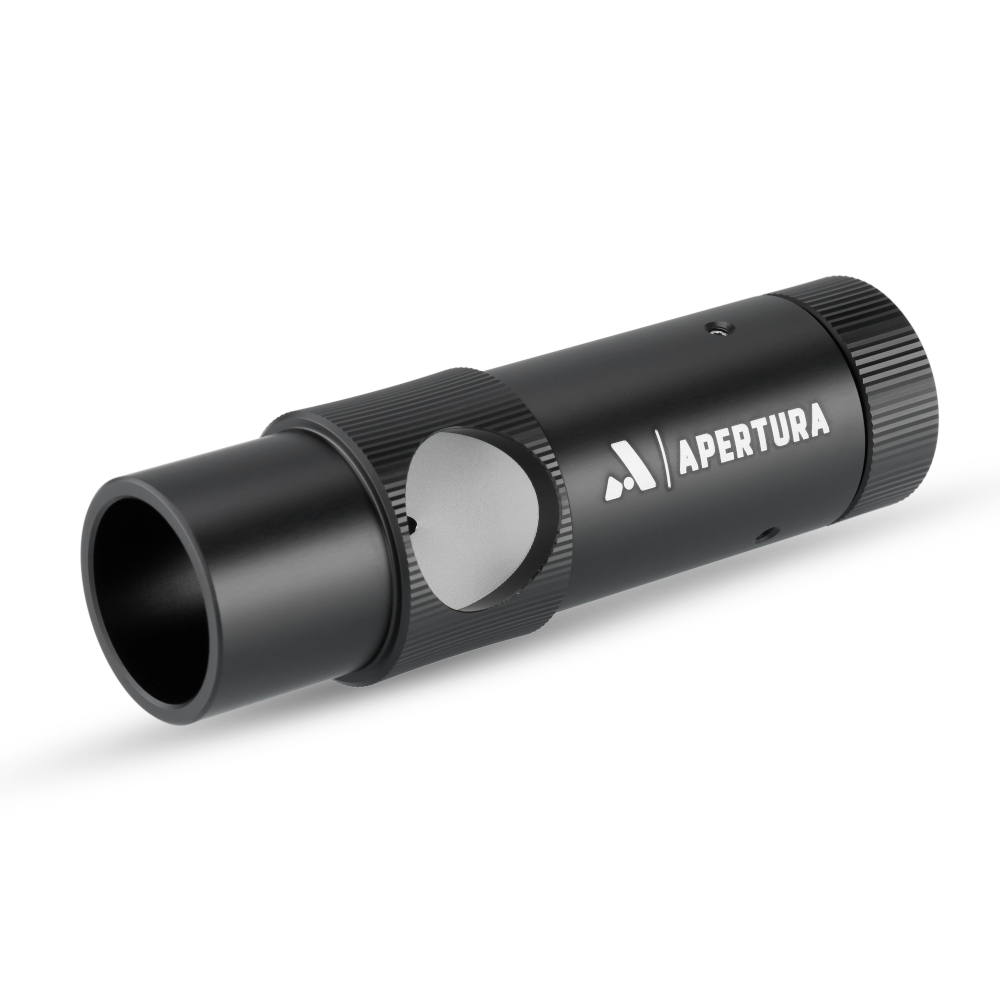
Apertura Laser Collimator
A big Dob that has been driven several hours over desert road is a Dob that is out of collimation. Fixing it takes two minutes and is the difference between a sharp view and a soft one.
Score
// Reader-funded through affiliate links · no brand pays for placement here
Conditions and getting there.
Weather
Extraordinarily dry, with more clear nights than almost anywhere else you can reach in a day's drive. Winter is the only sane season — summer temperatures are genuinely dangerous and do not drop much overnight.
Typical conditions
Transparency is the headline: extinction near the horizon is far lower than you are used to, which matters enormously for anything low in the south. Dew is essentially a non-issue, which is a rare luxury.
Timing the moon
Faint extended nebulosity is the reason to be here, and it is exactly what moonlight destroys first. New moon, or do not bother.
Getting there
Roughly two to three hours from Las Vegas on good road. Furnace Creek has fuel, food and lodging; almost nothing else in the park does. Fuel up before you commit to a remote pull-off, and expect no cell signal once you leave the main road.
The next questions.
Why Do People Put Filters on Telescopes?
Screwing a tinted piece of glass into your eyepiece can make a nebula leap out, tame the Moon, or make the Sun safe. How removing light helps you see more.
Read the guide →Why Do Observers Chase Dark Skies Instead of More Aperture?
The least intuitive truth in the hobby: the sky itself is a piece of equipment, and it is usually the one that matters most.
Read the guide →Why Does Aperture Matter More Than Magnification?
The number printed largest on cheap telescope boxes is the one that matters least. Here is what actually decides what a telescope can show.
Read the guide →More of the astronomy graph nearby.
We’re mapping observatories, clubs, star parties and visitor centers near each place — so a trip here connects to the wider community.
See this sky before you drive.
Load Ring Nebula into the simulator with the gear we’d bring here — and know exactly what this sky will put in your eyepiece.
Explore this sky →