“Where do I even start?”
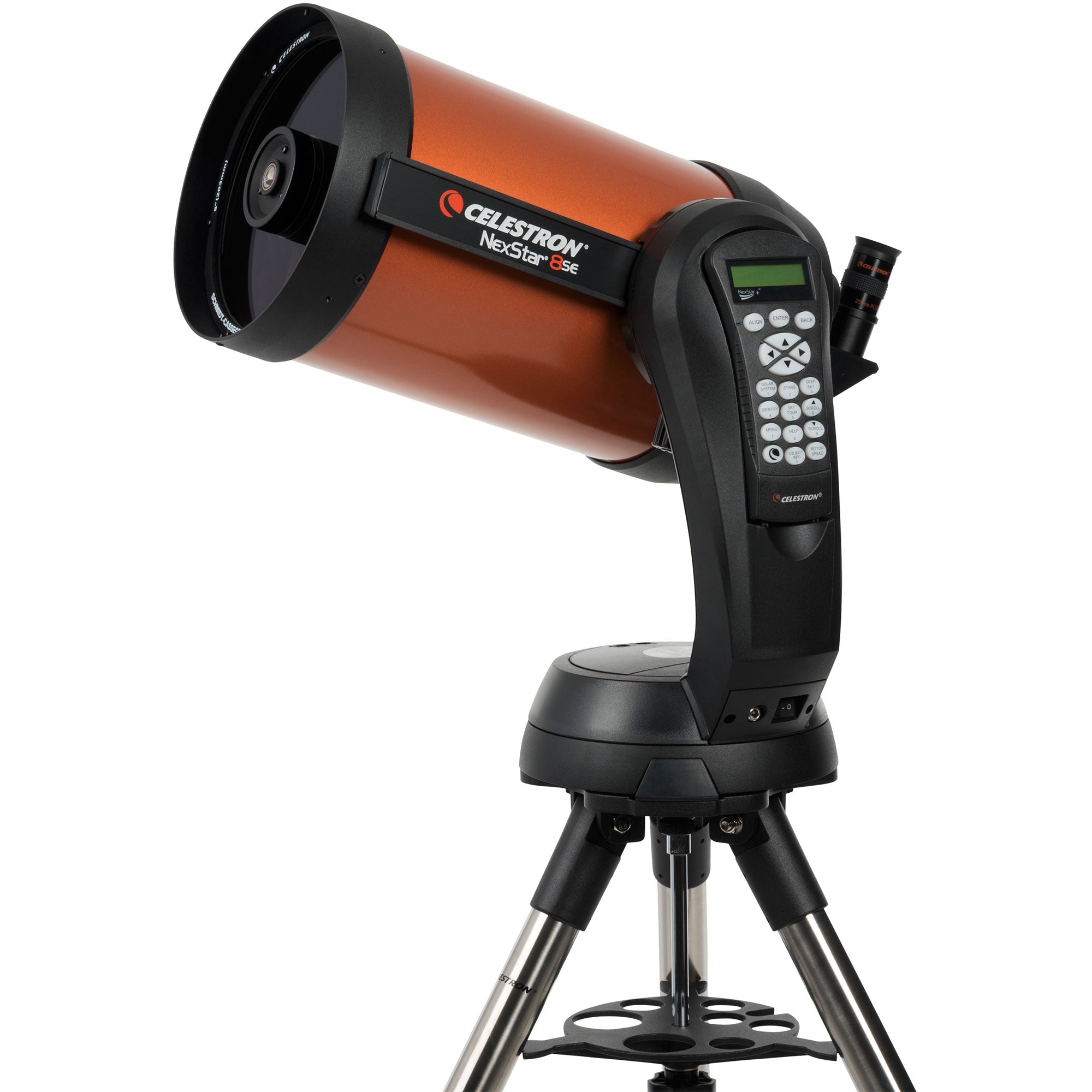
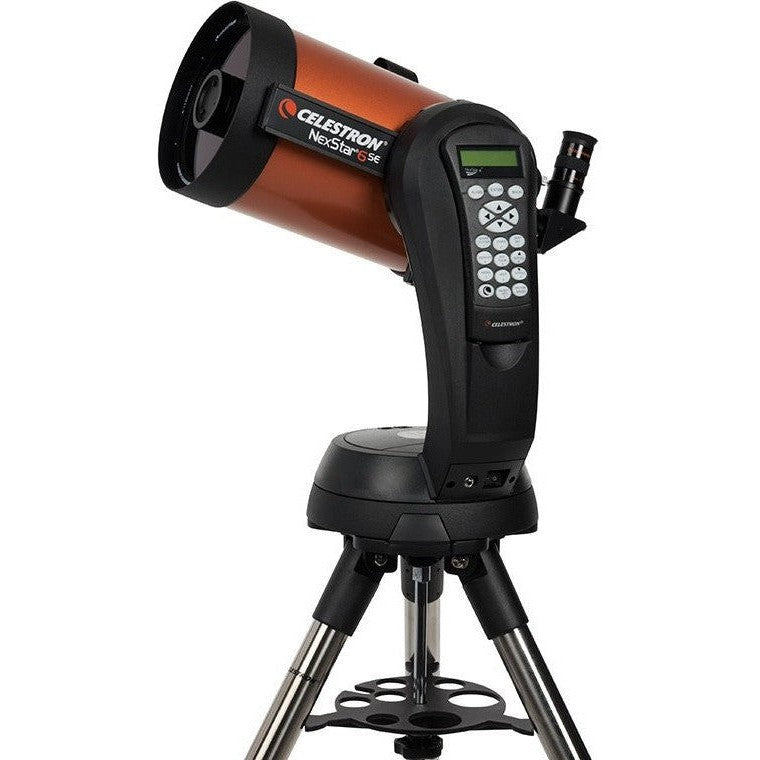
Celestron NexStar 8SE
203mm · f/10.0
Finds and tracks objects automatically.
92Polaris
Score
See it in the simulator →Score
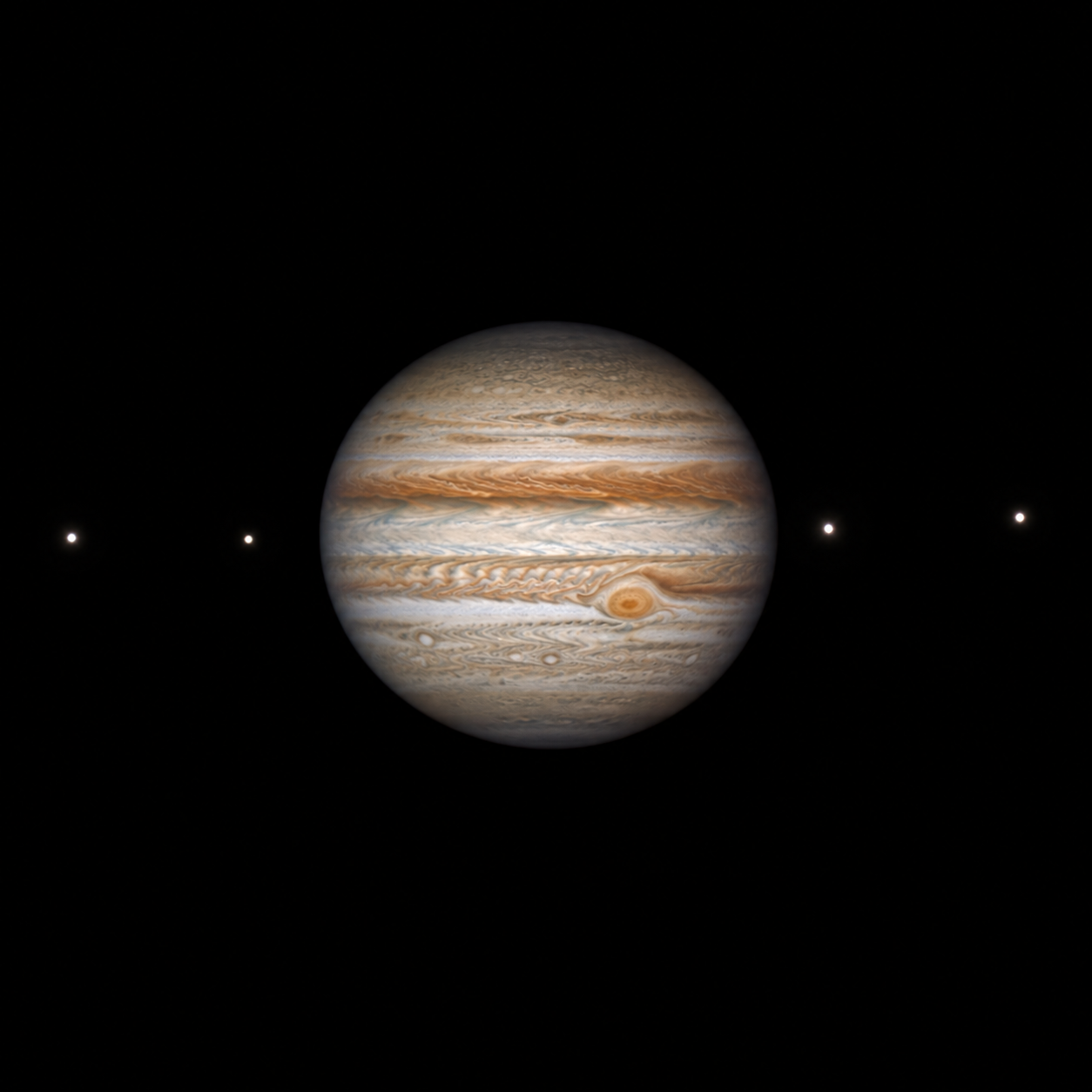
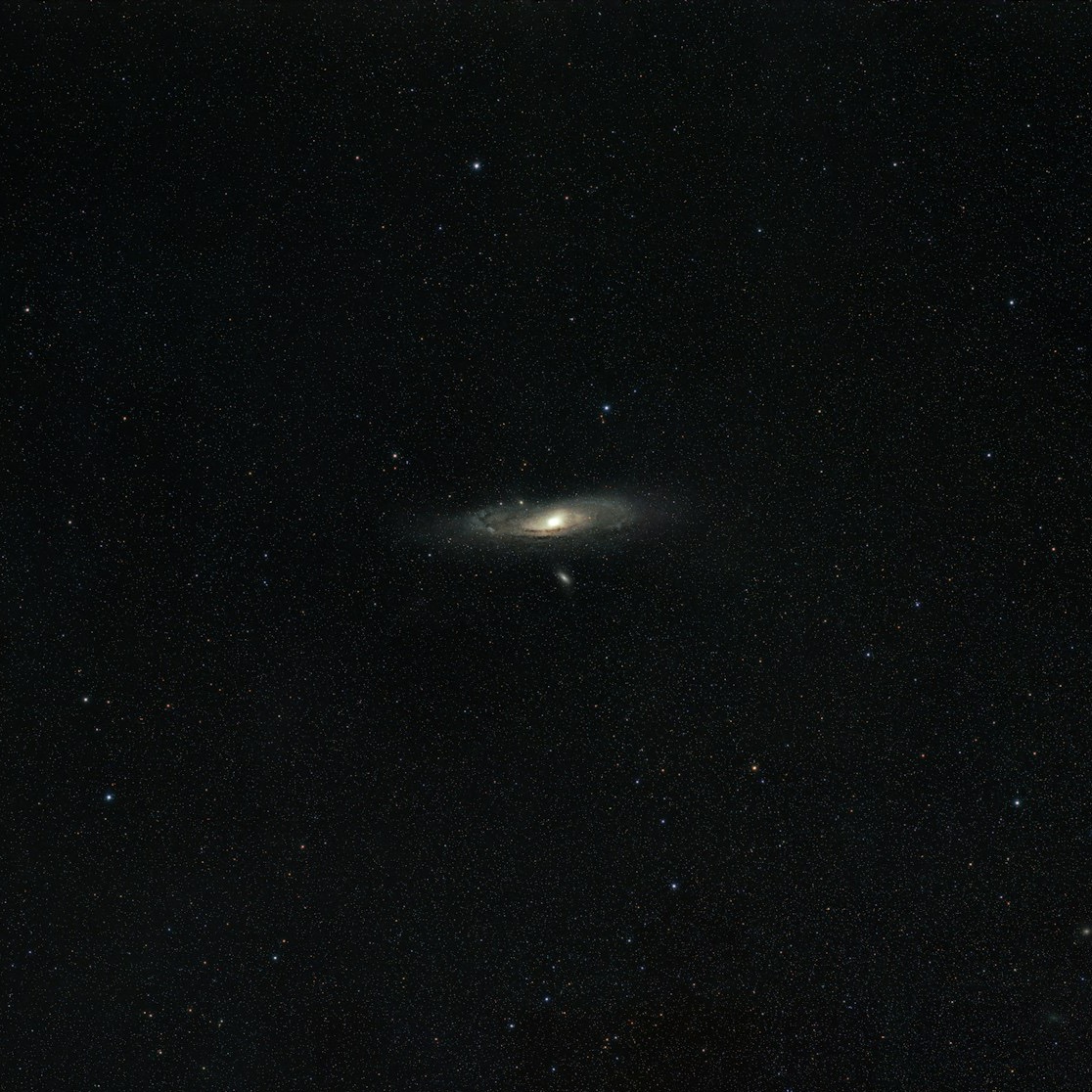
Pair any telescope with any eyepiece, point it at a real target, and watch the true field of view — magnification, framing and faint detail, exactly as the night delivers it.
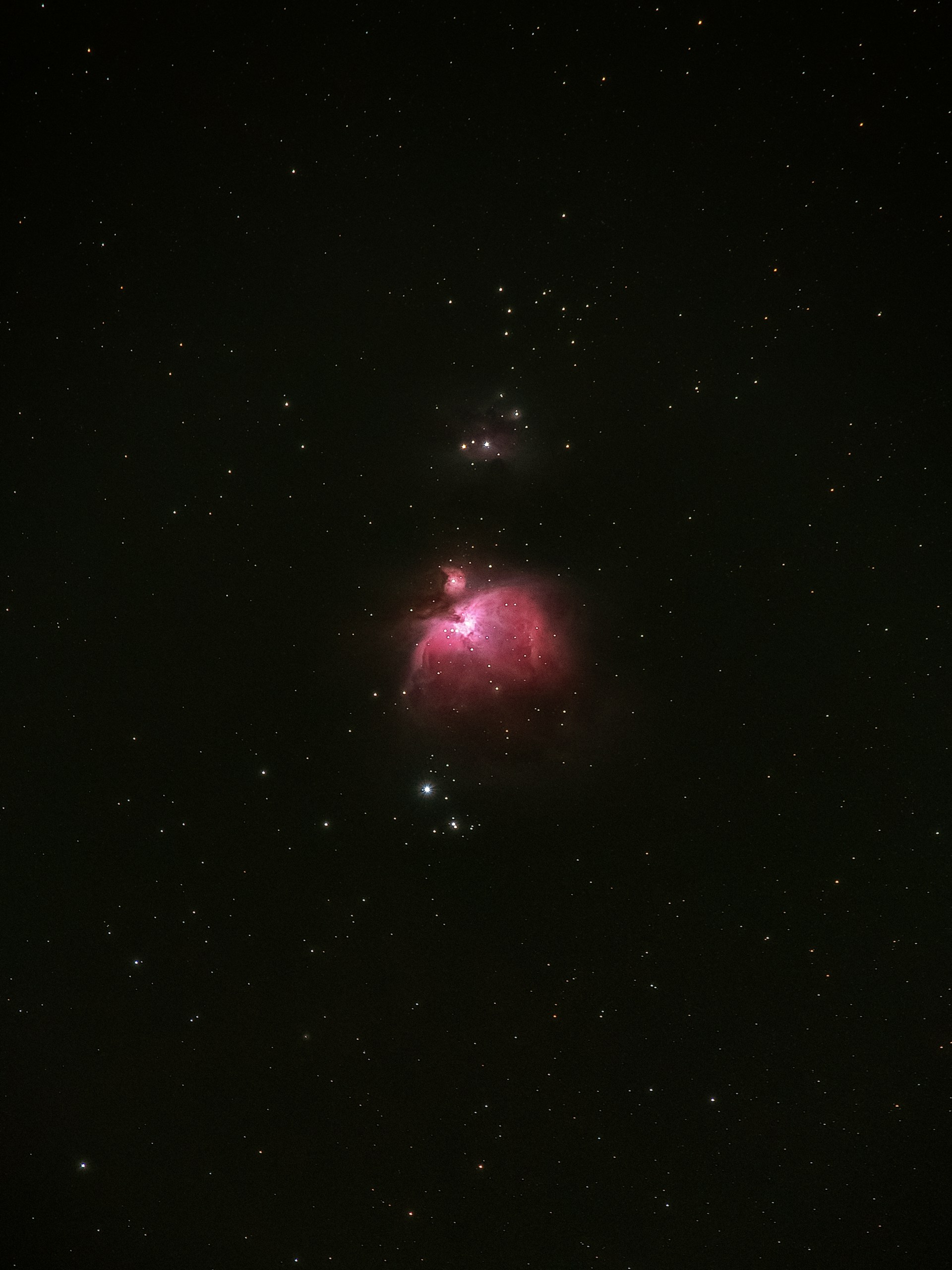
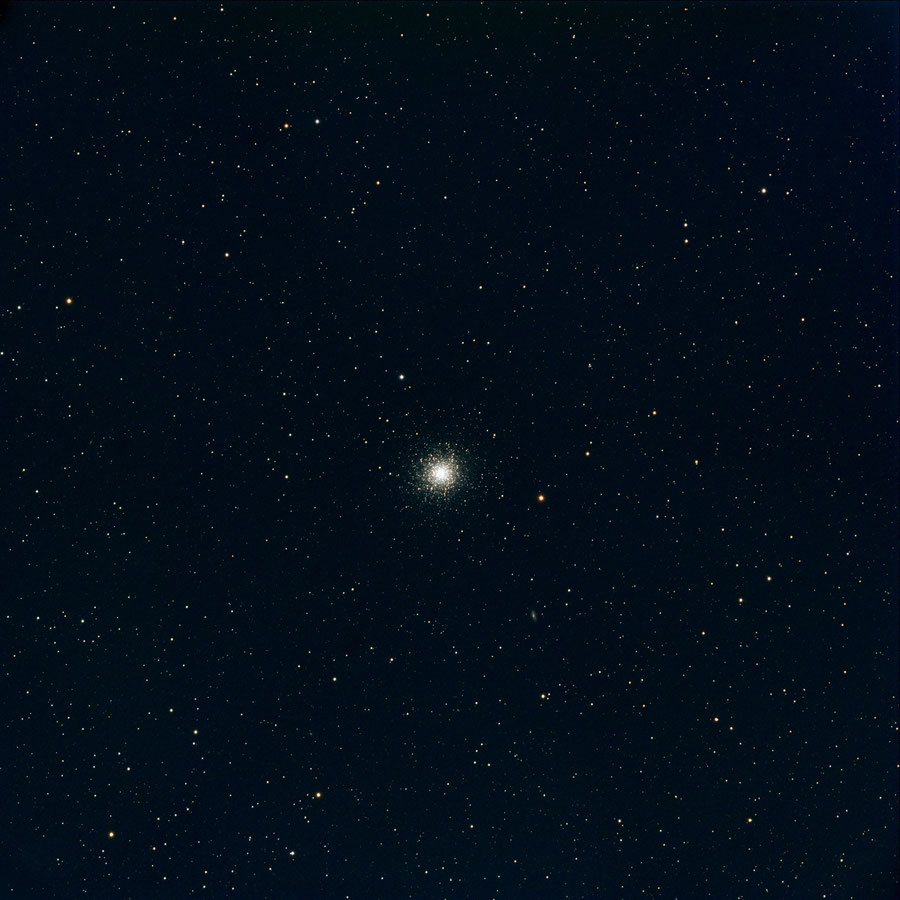
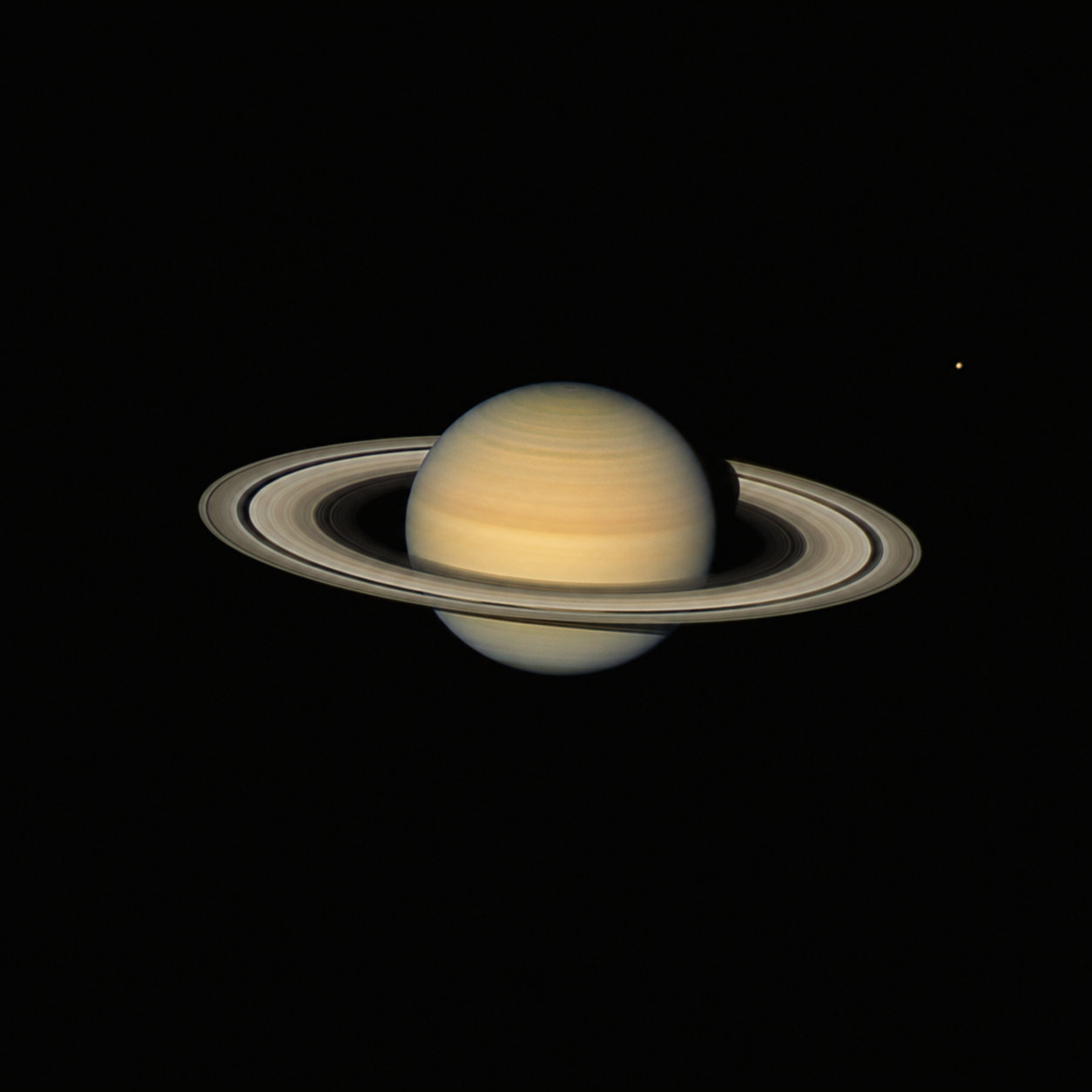
Magnification claims on the box mean nothing without context. Pick a target and see what each scope actually puts in the eyepiece — framing, detail and reach.
Same eyepiece, same night — aperture turns a faint smudge into resolved structure.
One transparent number from 0–100, broken down into the things that decide how a telescope actually performs — not a single opaque star rating, and never pay-to-play.
— Scored independently · funded by readers, never brands
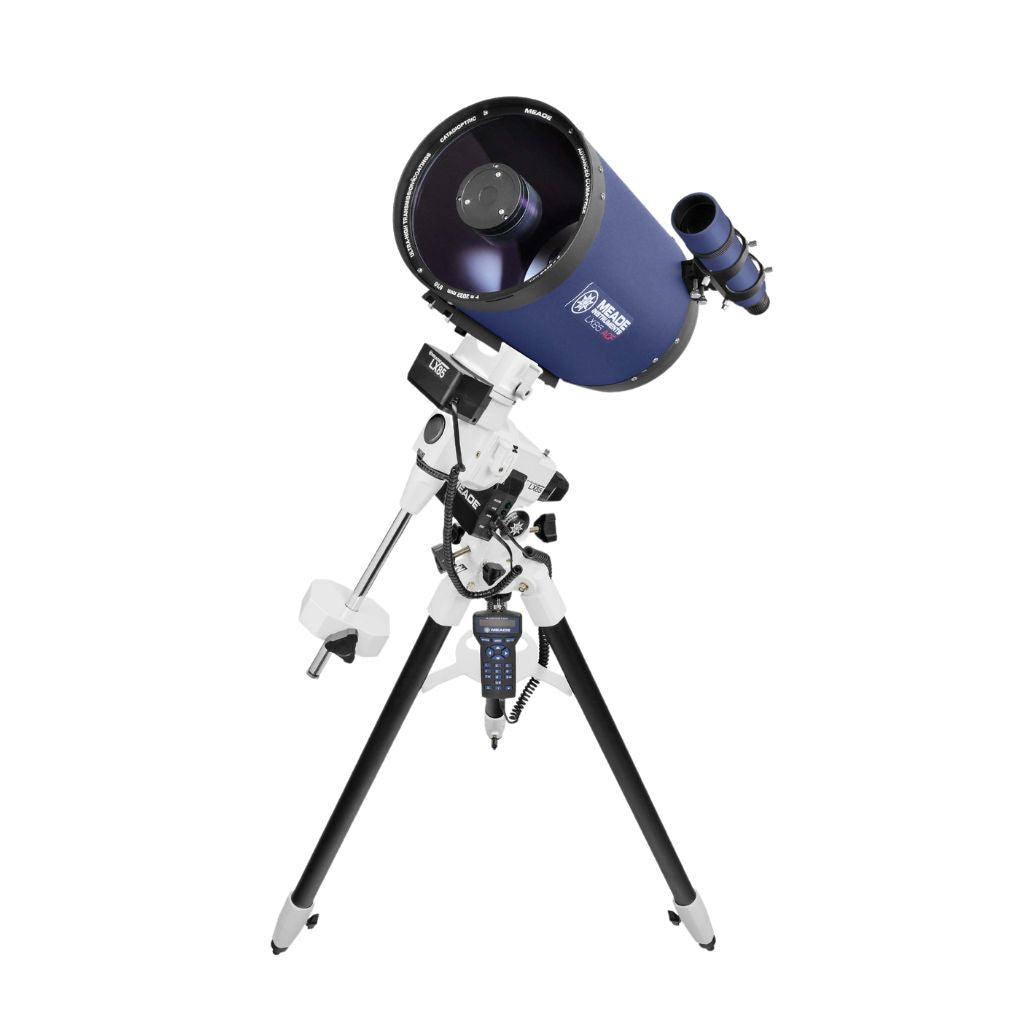
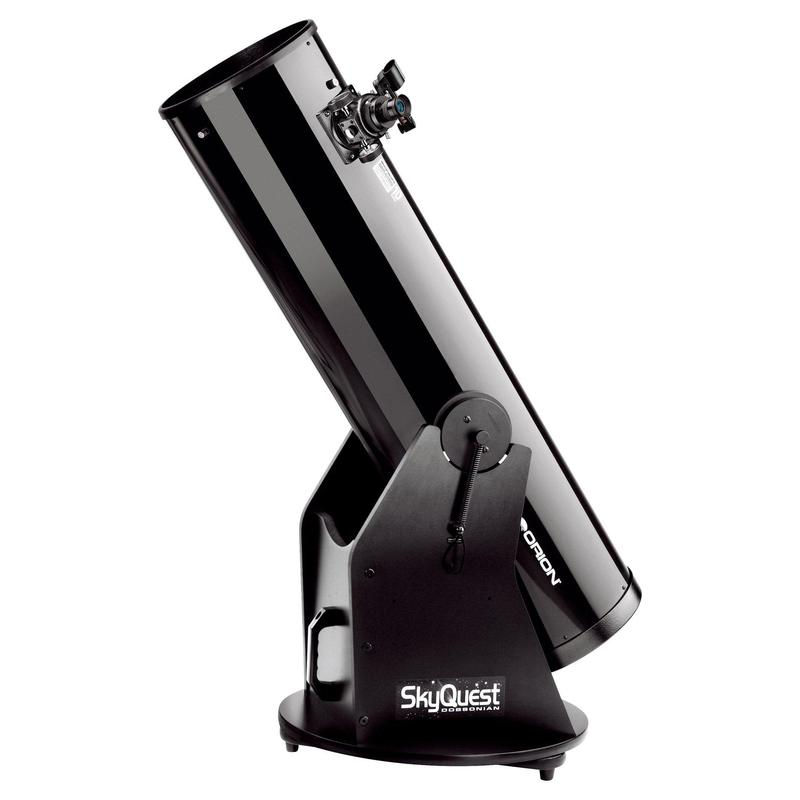
Not a catalog to scroll — proven scopes matched to what you’re chasing. Open any one in the simulator to see it before you commit.
Finds and tracks objects automatically.
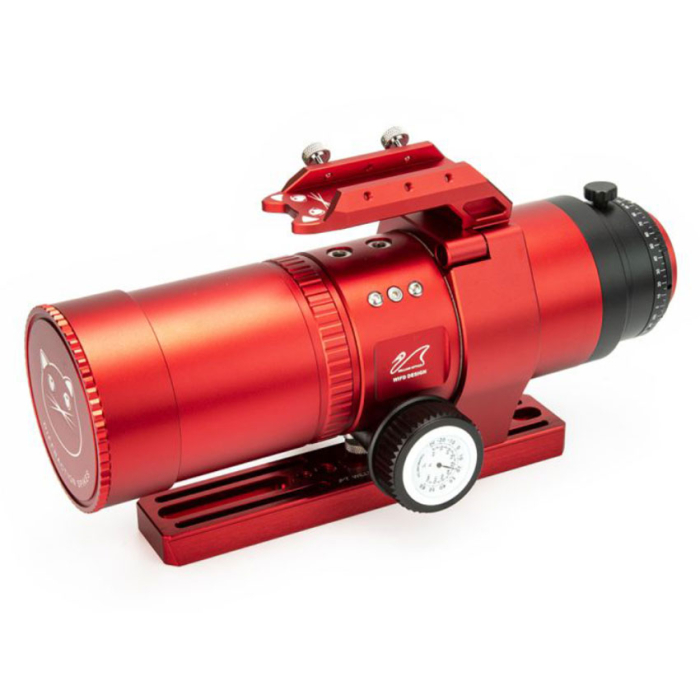
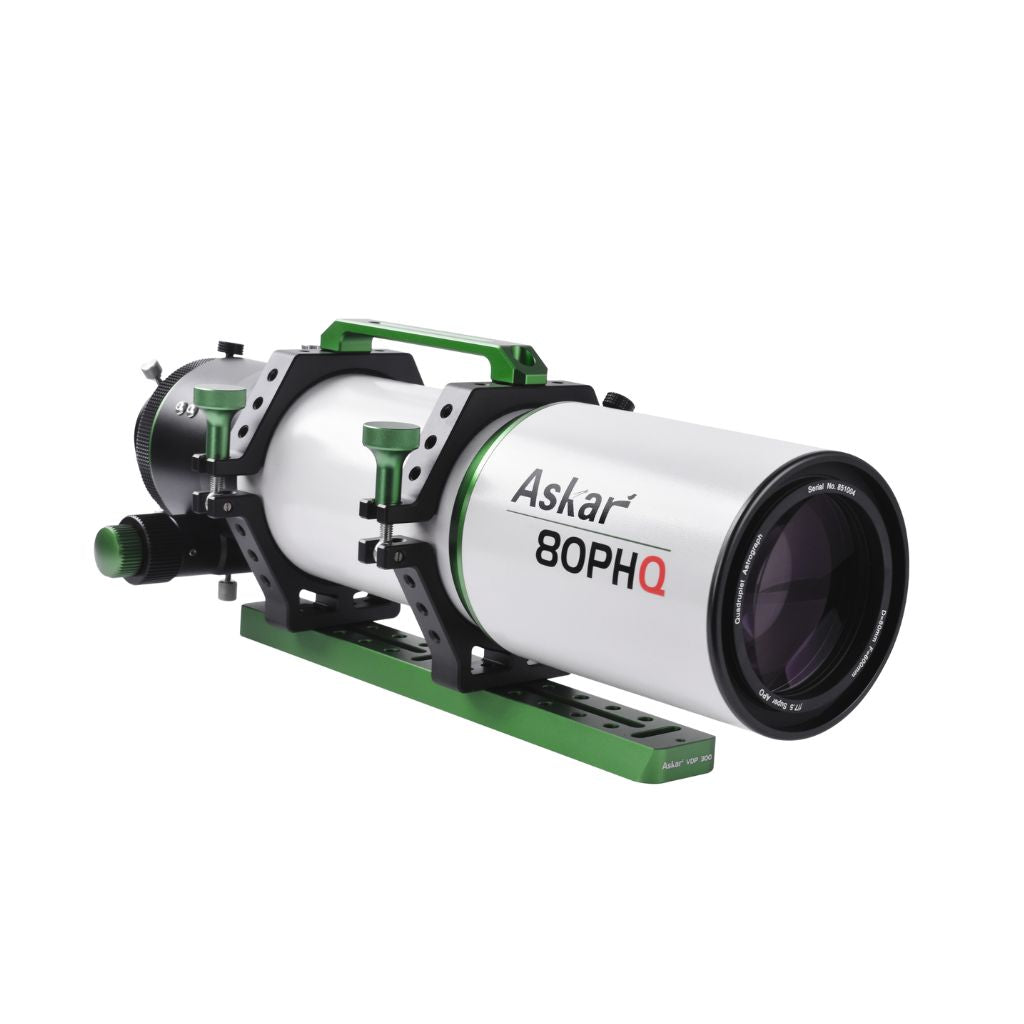
Ultra-sharp wide-field images, no setup needed.
Drop in any telescope and eyepiece, aim at a real target, and compare side by side. The answer to “will I actually see it?” — before you spend a cent.
Open the simulator →From beginner refractors to observatory-class instruments — browse by observing style, not just by brand.
f/4 is the fast one and f/10 is the slow one, and nothing about the notation tells you why. Here is what the number actually measures, and what changes when you put your eye to it instead of a camera.
Read the guide →Tracking, GoTo, plate-solving, guiding — the mount jargon that confuses everyone, decoded into one simple ladder so you know exactly what you are buying.
Read the guide →Screwing a tinted piece of glass into your eyepiece can make a nebula leap out, tame the Moon, or make the Sun safe. How removing light helps you see more.
Read the guide →