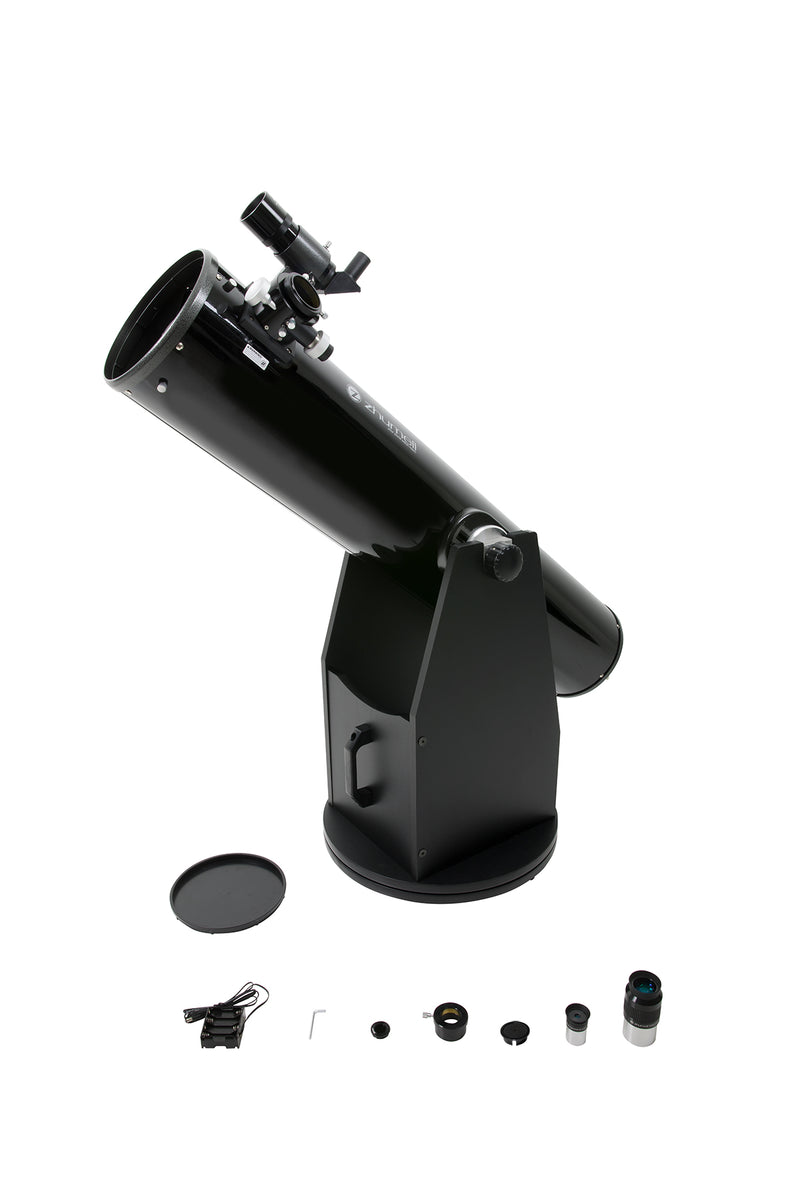
Zhumell Z8 Deluxe Dobsonian — image 1
Zhumell

Zhumell Z8 Deluxe Dobsonian

No longer sold

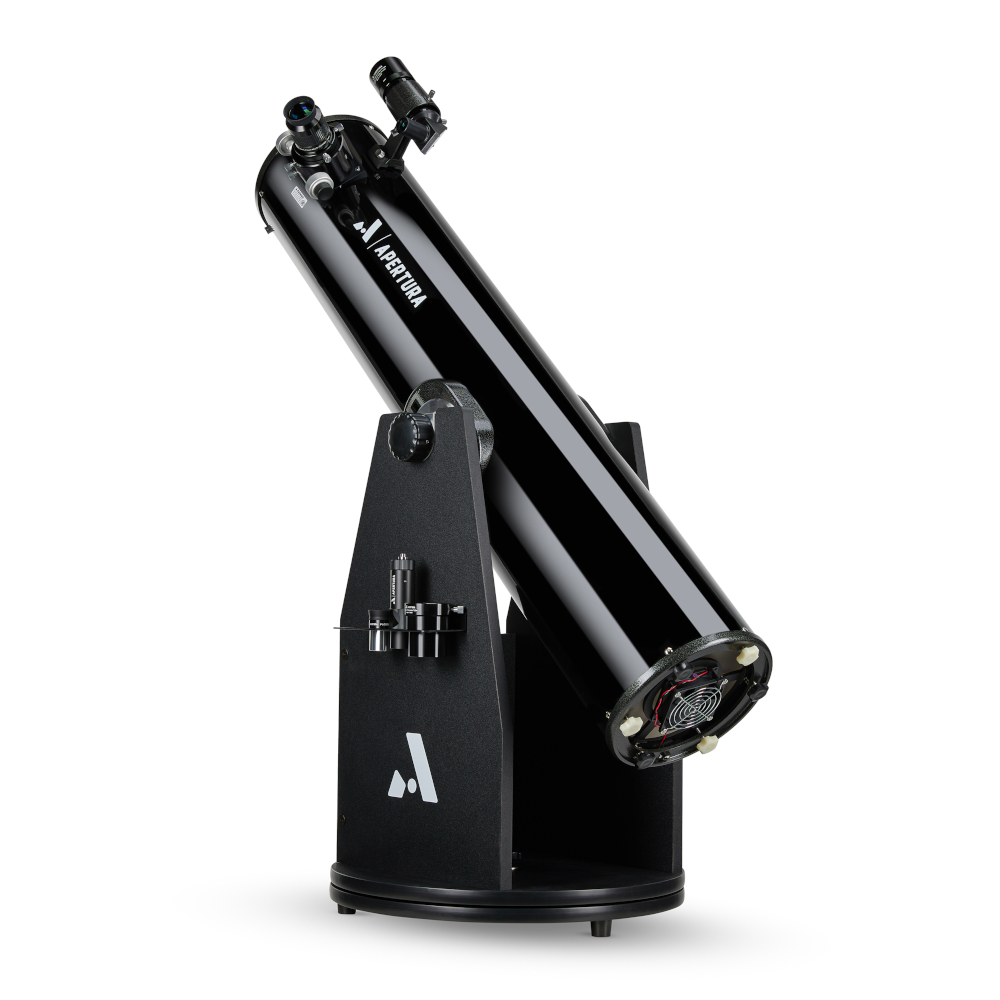
For about a decade this was the honest answer to what is the best first serious telescope, and it is worth understanding why. It is no longer made; the Apertura AD8 is the same instrument and is still sold.

88/ 100
Polaris Score
Performance · ease · portability · upgrade path
See the breakdown ↓
Aperture
203mm
Focal Length
1200mm
Focal Ratio
f/5.9
Mount Type
Dobsonian
Optical Design
Newtonian
Weight
24.5 kg
Try in simulator →
No longer sold

Zhumell has exited the telescope market and the Z8 is out of stock at every retailer we track. The Apertura AD8 is the same telescope from the same manufacturer and remains in production. We keep the page for reference — see current alternatives below.

See alternatives ↓

What it's built forOpen these in the simulator →

This telescope was built to gather light.

203 mm of aperture pulls in the faint light that galaxies and clusters live or die on. Point it up under a dark sky and objects that are rumors in smaller scopes resolve into real structure.

Sweet spot 150–250×Rewards dark skies
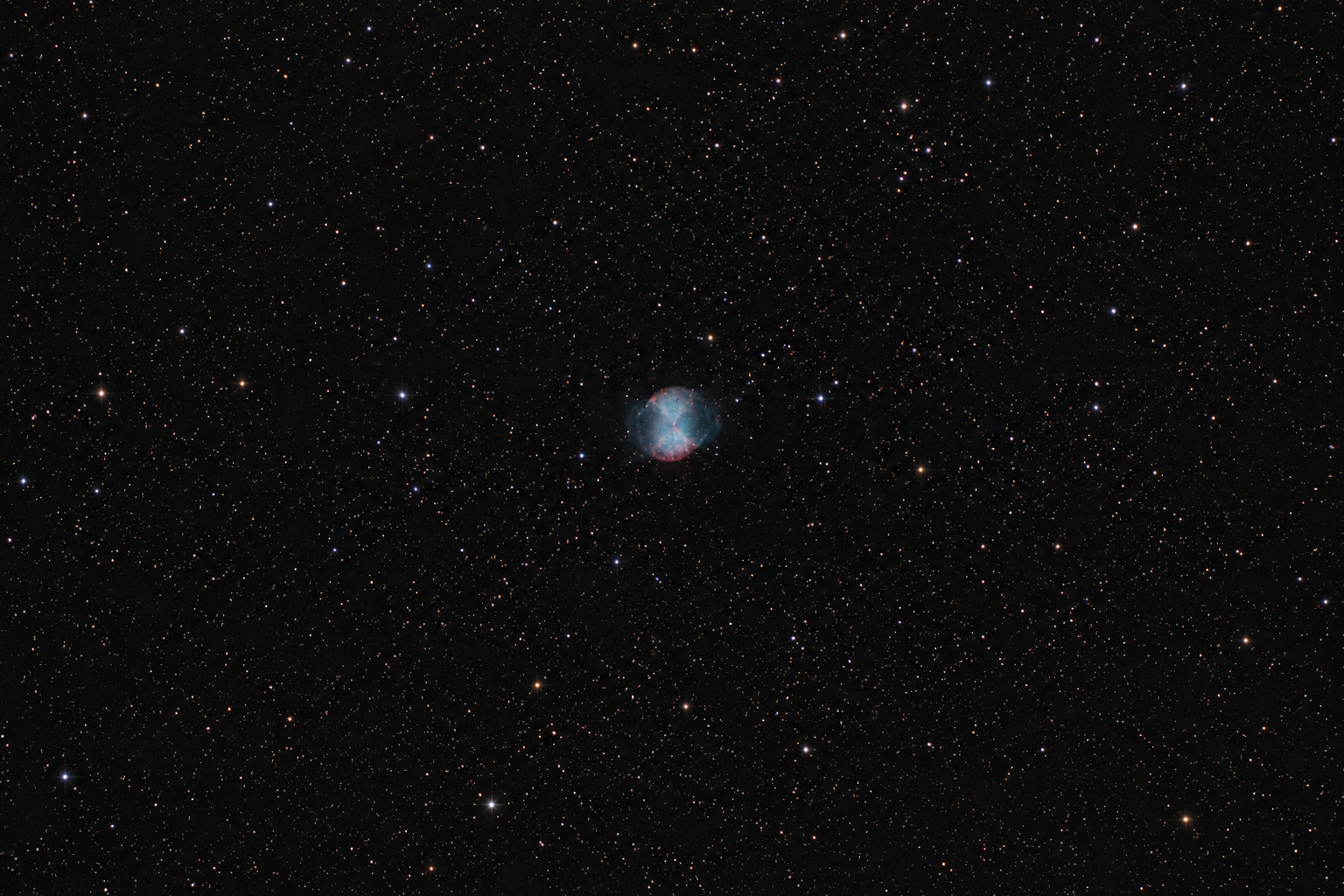
The view people remember

The Dumbbell, an hourglass of gas.

The brightest planetary nebula in the sky — a fat, glowing apple-core shape that takes magnification well and only gets richer with aperture.

See The Dumbbell through this telescope →
01What it's good at

What it's best at — and the trade-offs.

203mm of parabolic aperture gathers about four times the light of a 4-inch, which is the difference between seeing a globular cluster and resolving one…
Best at
✓203mm of parabolic aperture gathers about four times the light of a 4-inch, which is the difference between seeing a globular cluster and resolving one into stars
✓The dual-speed 10:1 Crayford focuser was a genuine rarity at this price and makes high-magnification focusing precise rather than a guessing game
✓It shipped with a 2-inch 30mm and a 1.25-inch 9mm eyepiece, an 8x50 finder and a cooling fan, so it was usable the night it arrived without a second purchase
✓The f/5.9 focal ratio is a well-judged middle: fast enough for wide fields, slow enough that inexpensive eyepieces still perform well across the field
Trade-offs
!At 24.5kg it is a two-trip telescope, and that fact decides how often it actually gets used
!The Dobsonian mount does not track, so objects drift out of the field continuously at high magnification
!A parabolic Newtonian needs collimation, which is a simple skill but not an optional one
!No longer in production, so parts and warranty support are effectively gone
02In plain English

What These Numbers Mean

203mm · f/5.9 · 1200mm FL · Dobsonian
Aperture
203 mm (8 inch)
The number that changes what is possible rather than merely what is easier. At 203mm the brighter globular clusters resolve into individual stars, galaxies begin to show shape rather than a smudge, and the Messier catalog stops being a checklist and becomes a set of objects with detail. This is roughly four times the light of a 4-inch and about 1.5 magnitudes deeper.
Focal length
1200 mm
Long enough that a 10mm eyepiece gives 120x and a 6mm gives 200x, so planetary magnifications are reached with comfortable, ordinary eyepieces rather than the near-unusable short ones a tabletop scope demands. The trade is field width: at 1200mm the largest open clusters and the full span of Andromeda will not fit.
Focal ratio
f/5.9
A well-judged middle. Fast enough to give bright, reasonably wide low-power fields, slow enough that inexpensive eyepieces hold their sharpness most of the way to the field edge. Faster Dobsonians at f/4 demand better eyepieces and usually a coma corrector to perform at the edge; this one does not.
Optical design
Newtonian, parabolic primary
A true parabolic mirror rather than the spherical shortcut used in cheaper reflectors, which is what allows this telescope to hold detail at 200x and above. The cost is collimation: the mirrors need occasional alignment, a five-minute skill that is genuinely required rather than optional.
Focuser
Dual-speed 10:1 Crayford
Unusual at this price when the Z8 was current, and the reason it is remembered fondly. The fine-focus knob moves the drawtube a tenth as fast as the coarse one, which is the difference between finding sharp focus on Jupiter and hunting past it repeatedly. It also holds a heavy 2-inch eyepiece without slipping.
Weight
24.5 kg total
The honest constraint. It separates into a tube and a base, neither of which is unmanageable alone, but this is not a telescope you carry out casually for ten minutes. Where it lives relative to where you observe will determine how many nights a year it actually gets used, and that matters more than any optical specification.
03The Polaris Score

How it scores, and why.

88/100
88/ 100
Zhumell Z8 Deluxe Dobsonian
Performance
90
Ease of use
80
Portability
45
Upgrade potential
85

Polaris weighs optical capability, how easy the scope is to live with, how portable it is, and how far it takes you before you outgrow it — not list price or brand.

04Who it's for

An honest fit check.

Anyone who finds one secondhand in good condition at a fair price
Buy it if you
✓Anyone who finds one secondhand in good condition at a fair price
✓An observer who has outgrown a small tabletop scope and wants the aperture jump that actually changes what is visible
✓Someone who values optical quality per dollar over portability or automation
Look elsewhere if you
!Anyone buying new, since it is no longer manufactured and the Apertura AD8 is the direct replacement
!Anyone without a way to move 24.5kg in two pieces to wherever they observe
!Anyone who wants to photograph deep-sky objects, since an undriven Dobsonian cannot track
05Build your rig

What to buy next — and where it leads.

6 pieces of gear, ordered by what changes the view most
Observe better
Tame lunar glareGSO Moon Filter 13pct 1.25-inch

Make nebulae popSVBony UHC 1.25-inch

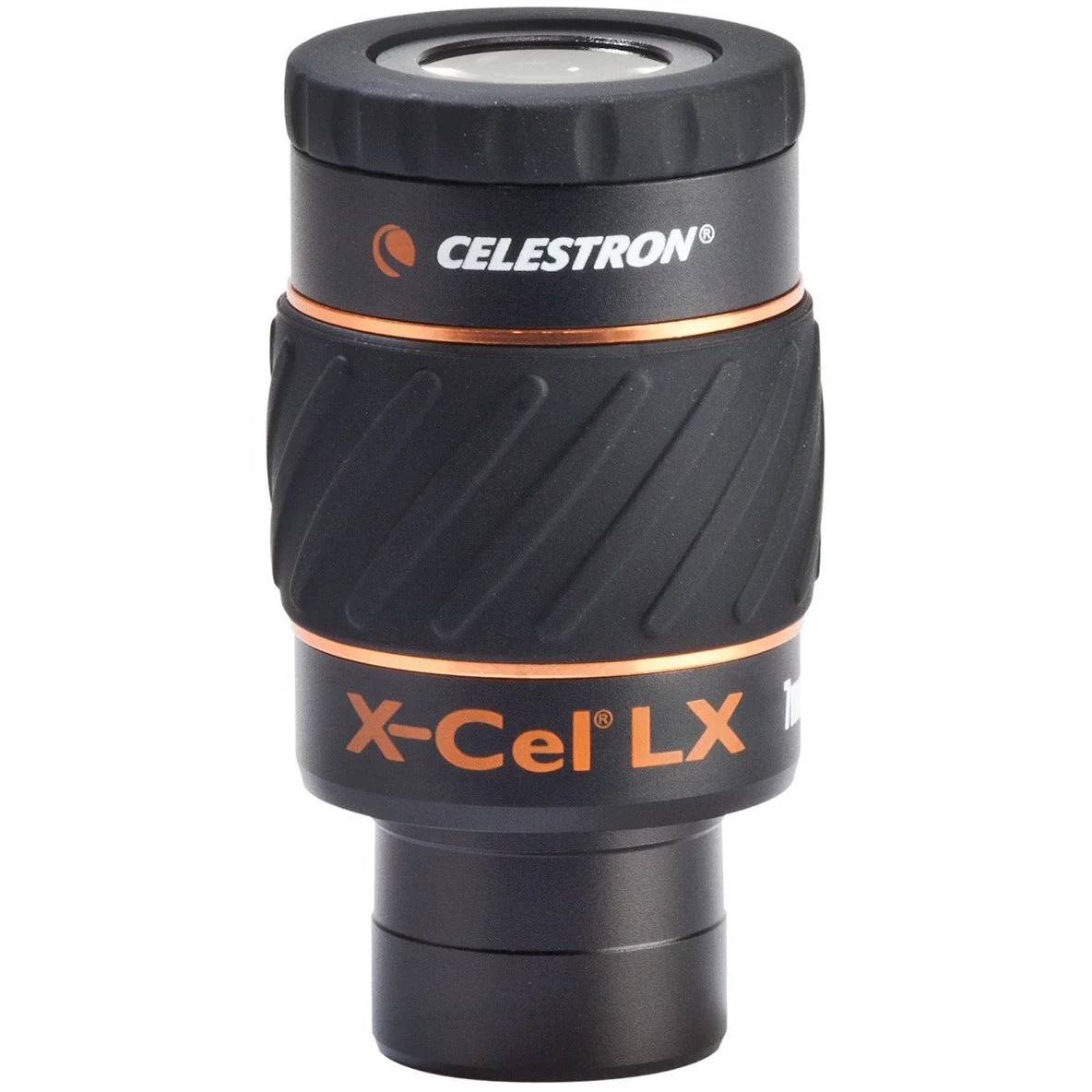
Sharper planets & lunar detailCelestron X-Cel LX 7mm
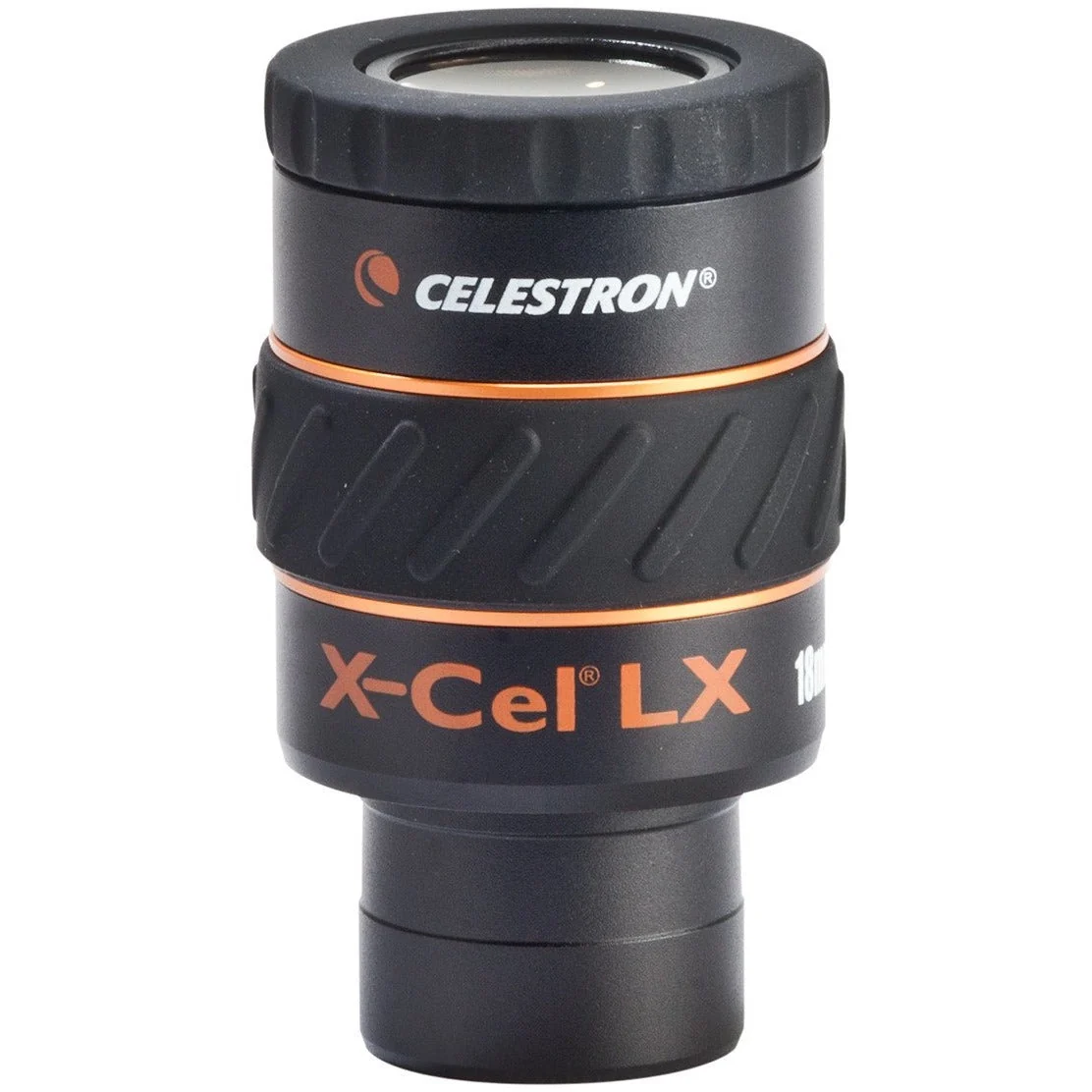
A sharper everyday viewCelestron X-Cel LX 18mm
Show all compatible gear (6) →
Accessories
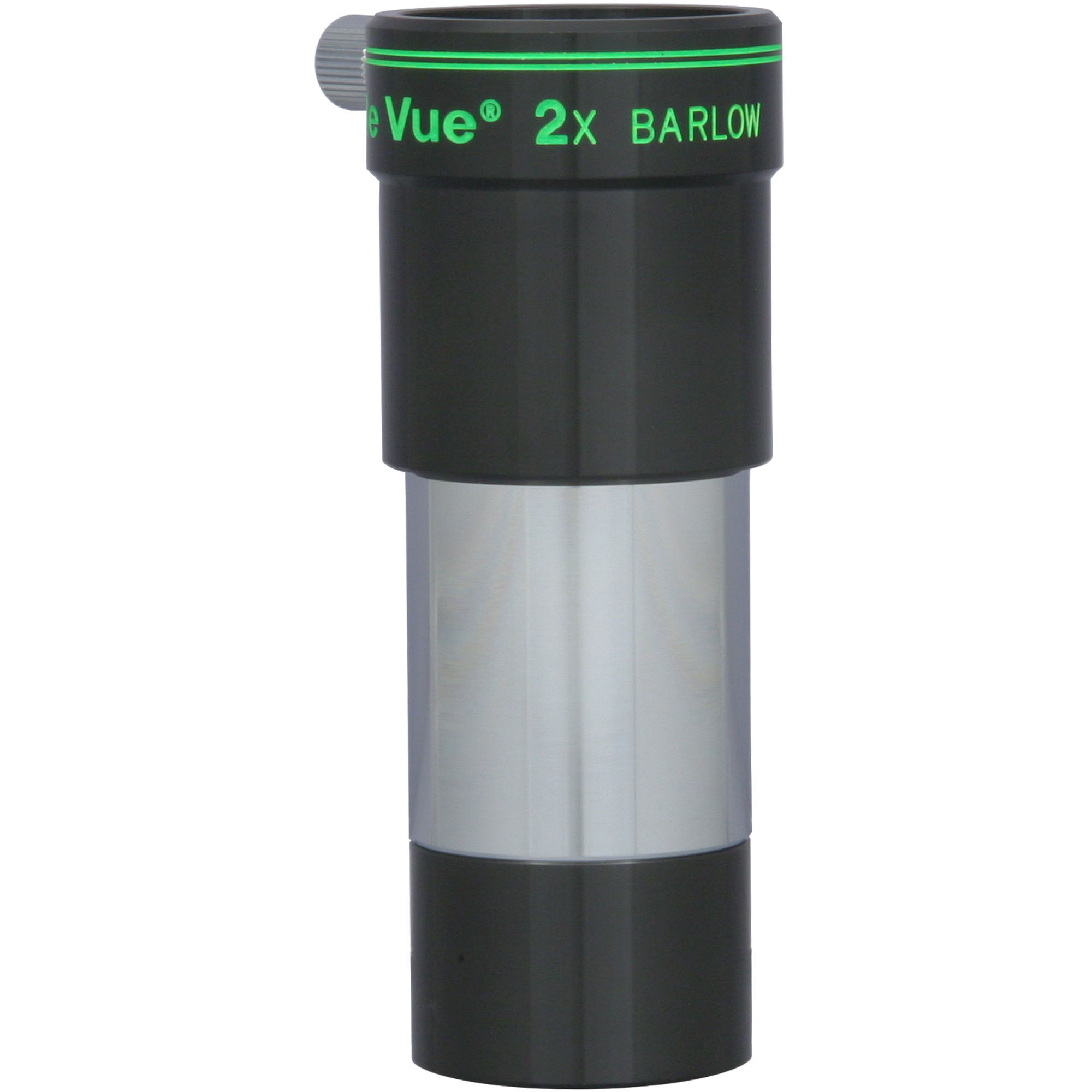
Double your magnificationTele Vue 2x Barlow 1.25-inch
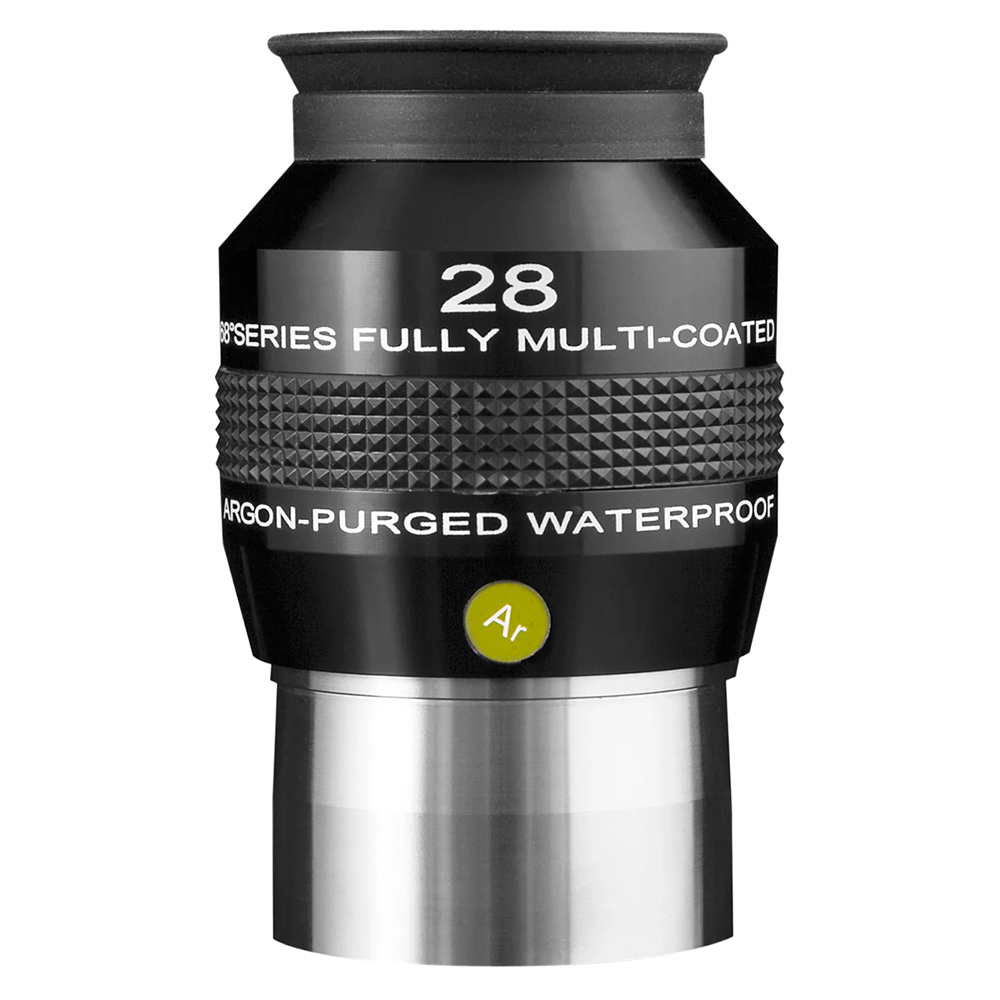
See wider, brighter deep-sky viewsExplore Scientific 68deg 28mm 2-inch
Lunar & planetary
Excellent
Deep-sky visual
Excellent
Astrophotography
Not its purpose, a visual scope
06The numbers

Full specifications.

6 measured and stated values
Optics
Optical DesignNewtonian
Aperture203mm
Focal Length1200mm
Focal Ratiof/5.9
Mount & drive
Mount TypeDobsonian
Physical
Weight24.5 kg