iOptron CEM26 Equatorial Mount with AccuAlign and 1.75" LiteRoc Tripod — image 1
iOptron

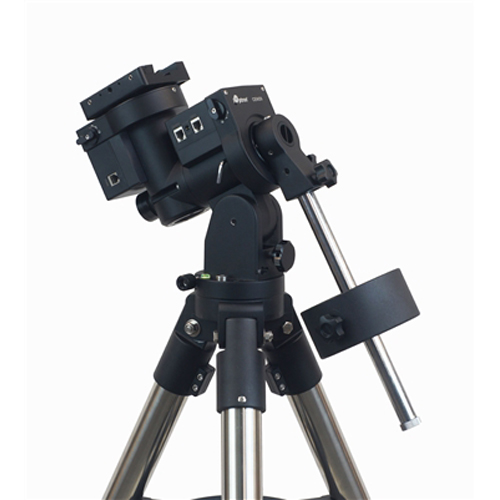
iOptron CEM26 Equatorial Mount with AccuAlign and 1.75" LiteRoc Tripod

A real imaging equatorial that weighs 10 lb, using iOptron's centre-balanced layout to carry 26 lb from a head half the size of the mounts it competes with. The sensible step below an HEQ5.

85/ 100
Polaris Score
Performance · ease · portability · upgrade path
See the breakdown ↓
GoTo
Yes
Head Weight
4.5 kg
Imaging Payload
7.0 kg
Mount Type
Center-balanced equatorial
Payload Capacity
11.8 kg
Tracking
Yes
From$1,589

Lowest in 90 daysLowest ever tracked

Price tracked by PolarisObserved 21 timesTracking since Mar 2026

Where to buy

Verified yesterday · prices tracked daily

01What it's good at

What it's best at — and the trade-offs.

Carries 11.8 kg from a 4.5 kg head, a ratio conventional German equatorials cannot match
Best at
✓Carries 11.8 kg from a 4.5 kg head, a ratio conventional German equatorials cannot match
✓The centre-balanced design puts the load over the tripod rather than out on an arm, which is why the head can be this light
✓A built-in polar scope and iOptron's alignment routine make setup quicker than the class norm
✓Costs meaningfully less than an HEQ5 while carrying a comparable imaging load
Trade-offs
!It still needs counterweights and polar alignment, which is the price of equatorial tracking.
!8 kg.
!75 inch tripod is good and is the part most likely to be upgraded first by anyone pushing the payload.
02In plain English

The numbers, in plain English.

11.8kg payload
Payload capacityStrong for the weight
11.8 kg (26 lb)
Twenty six pounds from a ten pound head is the number that justifies the centre-balanced design. A conventional German equatorial of similar capacity typically weighs half again as much, because it carries the load out on an arm and needs the mass to resist it. Here the load sits over the tripod, so less metal does the same work.
Imaging payloadThe number to plan with
About 7 kg
This is the figure that should drive your purchase, not the 11.8 kg on the box. Imaging punishes any flexure that visual observing forgives, so the working rule is roughly 60 percent of the visual rating. Seven kilograms comfortably covers a 100 mm refractor with a cooled camera, a flattener and a guide scope, which is exactly the rig this mount is aimed at.
Centre-balanced designWhy it is light
Load over the tripod
A conventional German equatorial hangs the telescope off one side of the axis and a counterweight off the other, which puts a large bending load through the mount. iOptron's layout places the centre of mass over the pier instead. The practical result is a smaller counterweight, a lighter head and less flexure for the same telescope.
Polar alignmentThe nightly tax
Required, polar scope included
An equatorial mount only tracks in one axis, and that only works once its axis points at the celestial pole. Getting there takes a few minutes with the built-in polar scope and is the main reason people find equatorial mounts less pleasant than alt-azimuth ones. It is also the reason exposures can run for minutes instead of seconds.
Head weightOne-trip portable
4.5 kg (10 lb)
Ten pounds is the threshold at which a mount head becomes a single-hand carry, and that decides how often it gets used. Add the tripod and counterweights and this is a two-trip setup rather than the four that a heavier equatorial demands, which over a season is the difference between imaging on a marginal night and not bothering.
03The Polaris Score

How it scores, and why.

85/100
85/ 100
iOptron CEM26 Equatorial Mount with AccuAlign and 1.75" LiteRoc Tripod

High performance for the weight, which is the design's whole argument, and good portability for an equatorial. Ease of use is held back by the polar alignment and counterweight routine that every German equatorial imposes.

Performance
87
Ease of use
76
Portability
84
Upgrade potential
82

Polaris weighs tracking and payload capability, how easy the mount is to live with, how portable it is, and how far it takes you before you outgrow it — not list price or brand.

04Who it's for

An honest fit check.

A first serious imaging mount for someone shooting at 400 to 800 mm of focal length.
Buy it if you
✓A first serious imaging mount for someone shooting at 400 to 800 mm of focal length.
✓Imagers who set up and tear down every session and want that to take minutes.
✓Anyone whose storage is a cupboard rather than an observatory.
Look elsewhere if you
!Owners of an 8 inch SCT or a large astrograph, where 7 kg of honest imaging payload runs out.
!Visual observers, who do not need an equatorial and will find polar alignment a nightly tax for no benefit.
!Anyone wanting a harmonic mount's freedom from counterweights.
05The numbers

Full specifications.

7 measured and stated values
Mount & drive
Payload Capacity11.8 kg
More
GoToYes
Finds objects from a built-in database and points the mount at them automatically, then tracks.
Head Weight4.5 kg
Imaging Payload7.0 kg
Mount TypeCenter-balanced equatorial
TrackingYes
A motor turns the mount at the sky’s speed, holding your target still for long exposures. You still aim it yourself.
weight lbs10lbs
Editor’s Take

The unglamorous truth of astrophotography is that the mount matters more than the telescope, and most people learn it by buying a good telescope first. This is the cheapest mount in our range that will not be the limiting factor in your images, which makes it the point where the hobby stops fighting you.

— The Skynocular verdict
06Pairings

Pairs well with.

3 scopes we would actually put on this mount