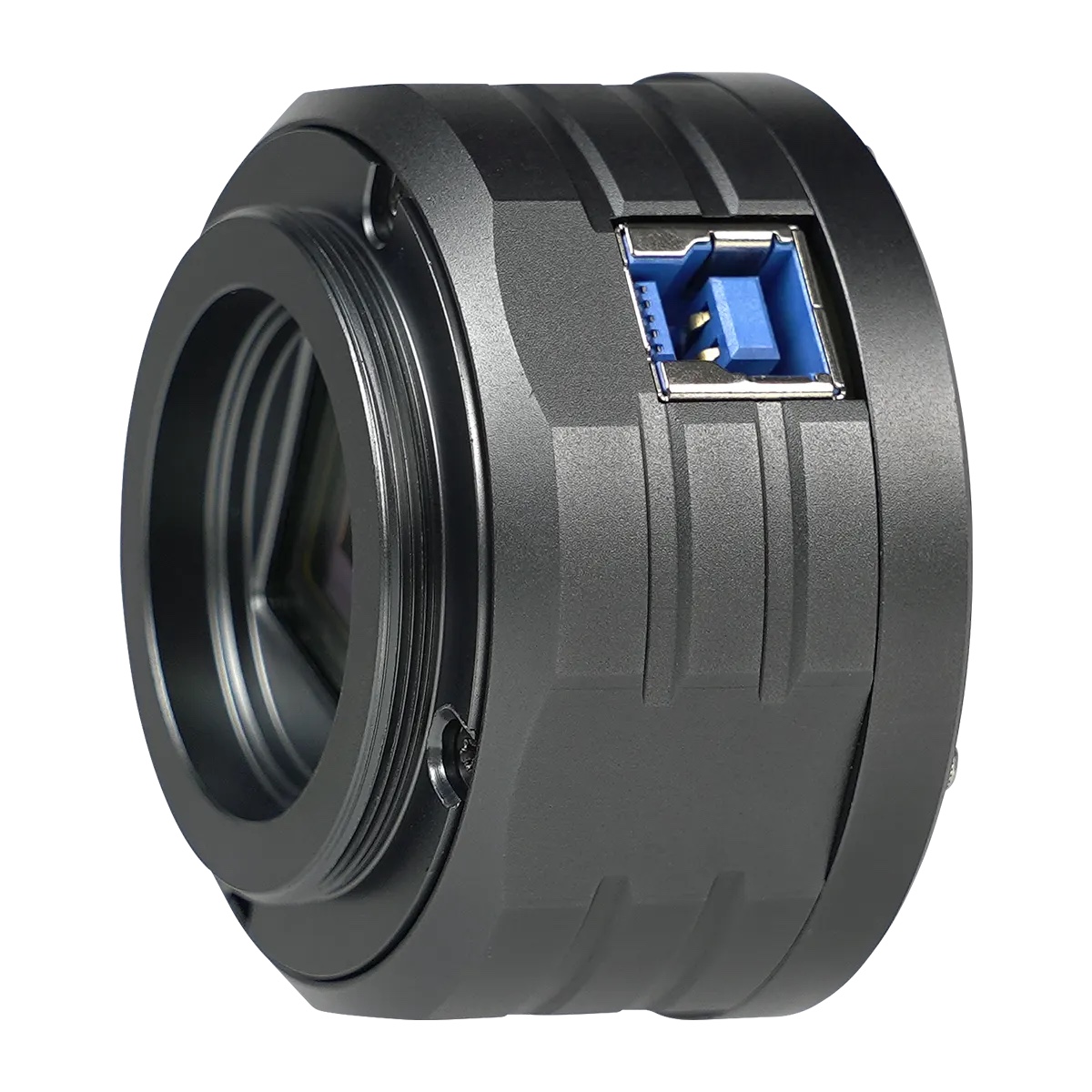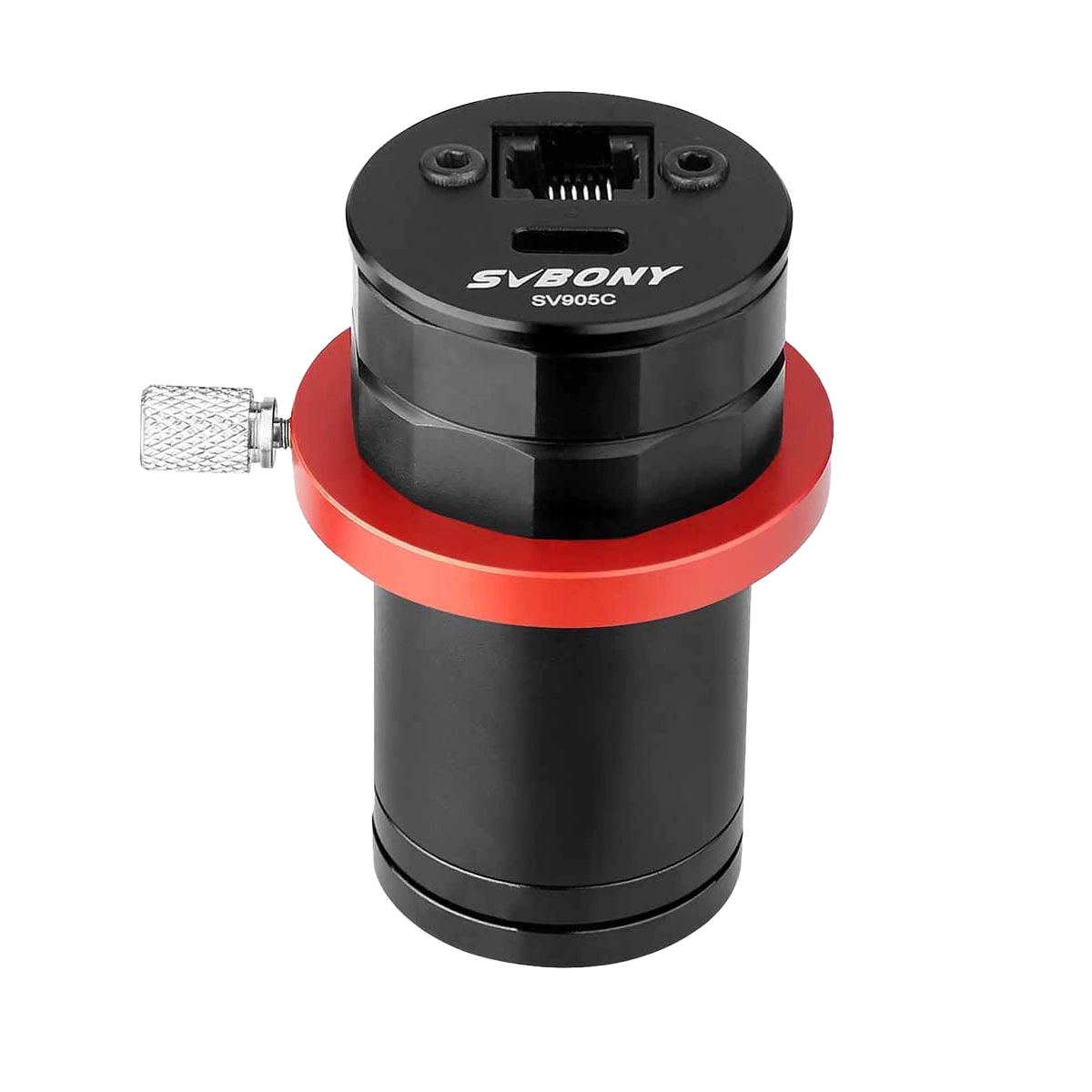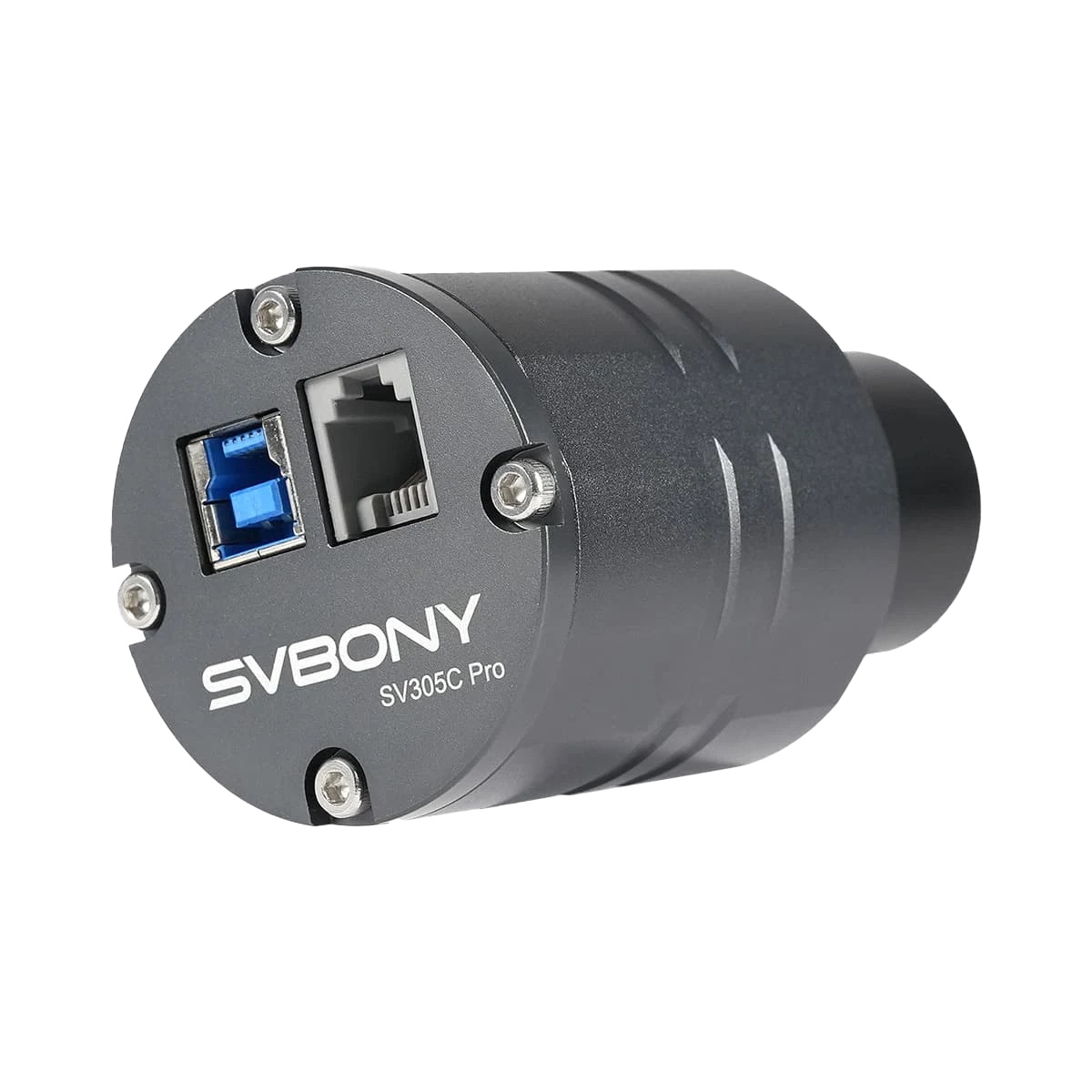
SVBony SV305C Pro
A modern back-illuminated planetary sensor in the smallest, cheapest package that still does the job properly. Ninety nine frames per second and 0.7 electrons of read noise for two hundred dollars.
A planetary and guiding camera. The 1/2.8 inch sensor is sized for a planet, which is a very small object, and is far too small for deep-sky framing of any kind.
$15 above 90-day low
Price tracked by PolarisObserved 45 timesTracking since Sep 2026
01What it's good atWhat it's best at — and the trade-offs.
The IMX662 is a current back-illuminated sensor with roughly 91 percent quantum efficiency and 0.7 electrons of read noise, specifications that were…
What it's best at — and the trade-offs.
02In plain EnglishThe numbers, in plain English.
Sony IMX662 · 2.1MP · 2.9µm · None
The numbers, in plain English.
03Typical targetsWhat it shines on.
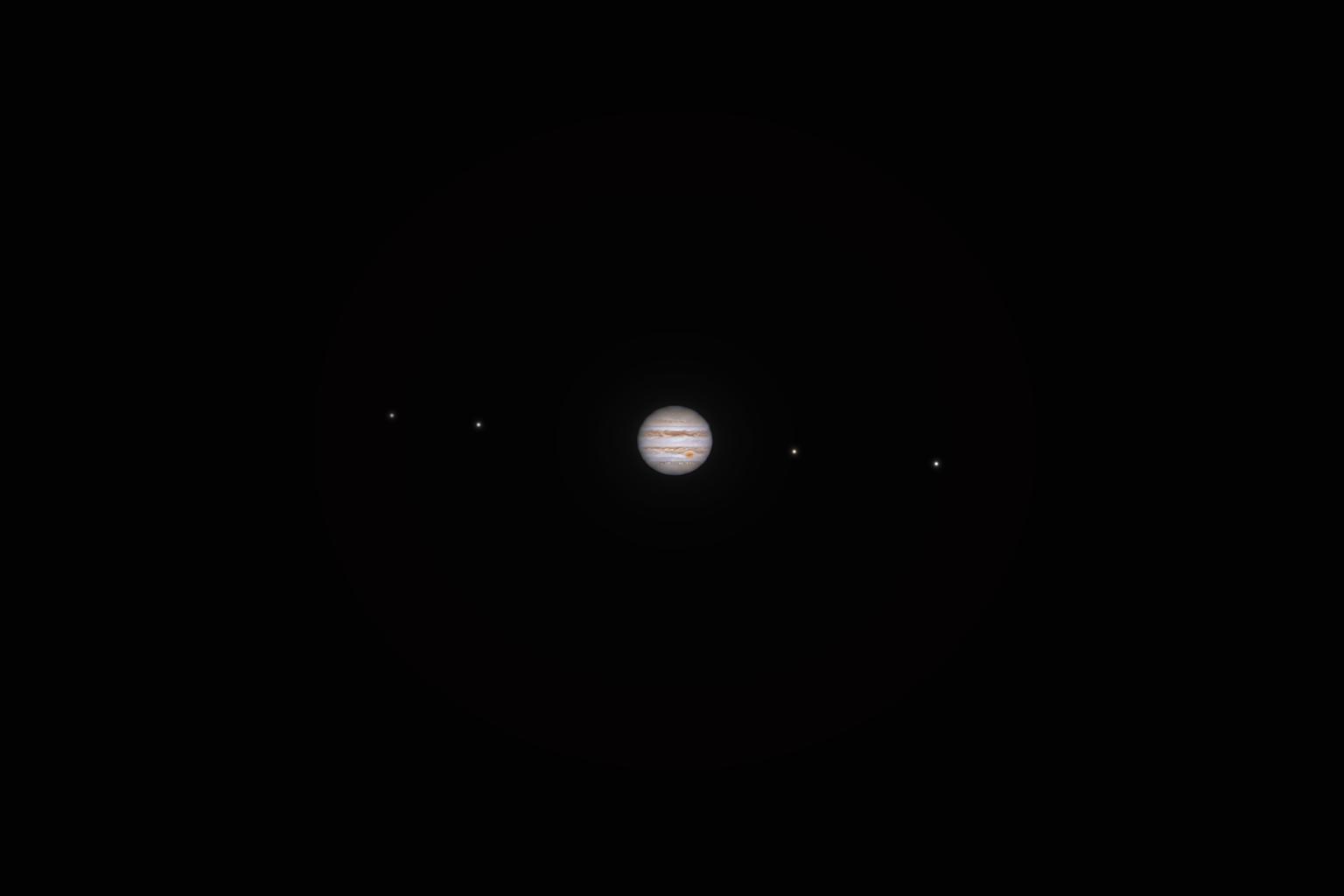
Jupiter, Saturn, Mars, The Moon, Venus, Double stars
What it shines on.
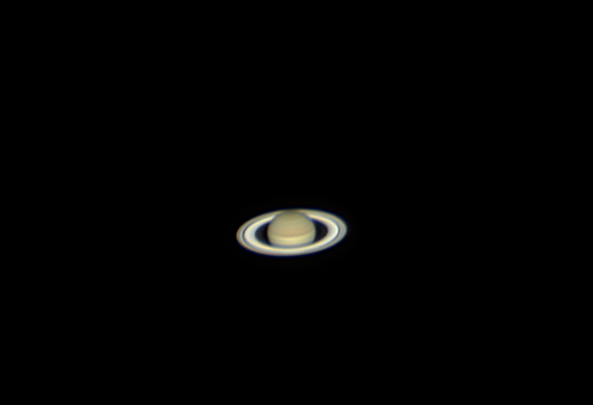
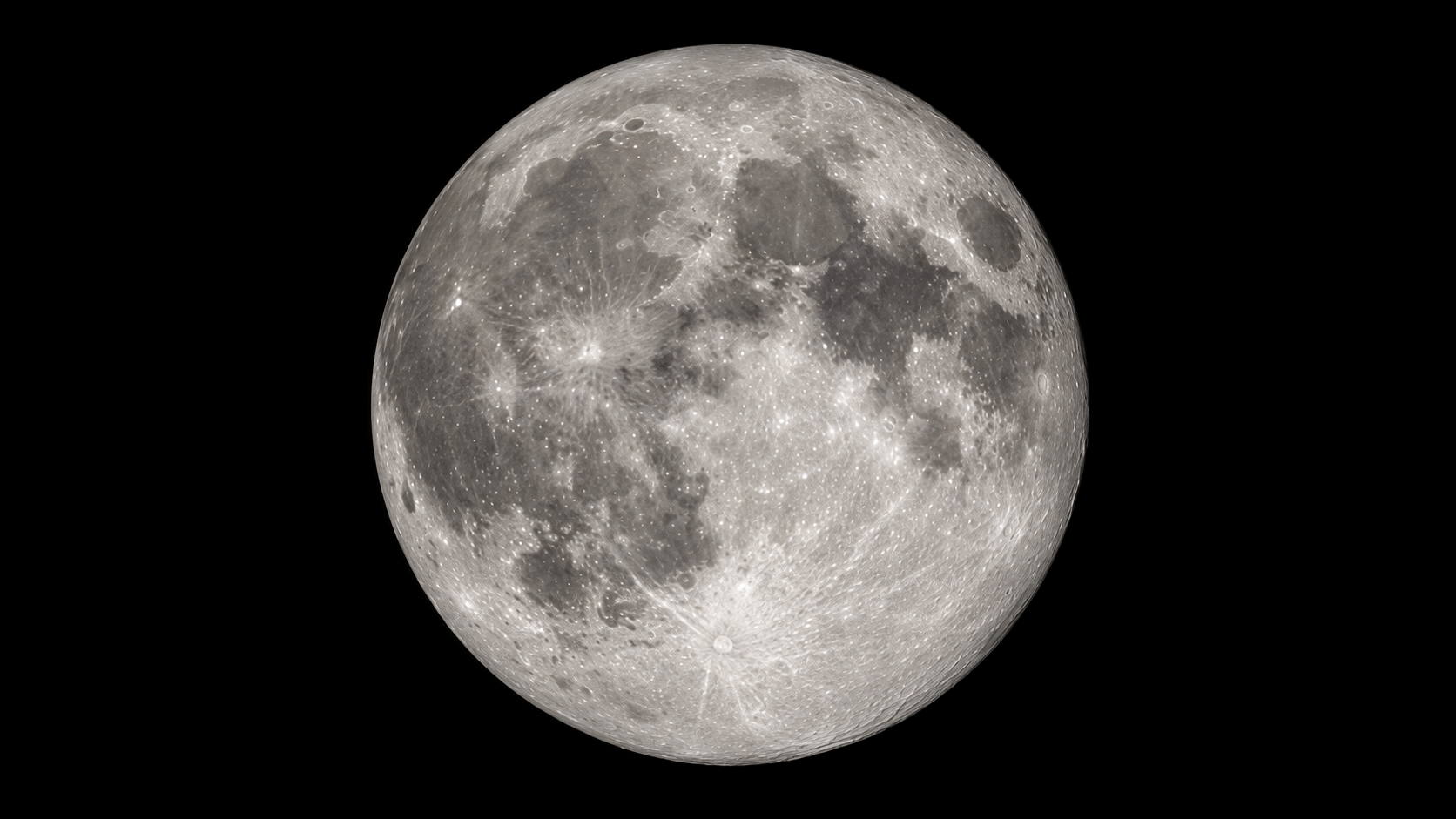
04Build your imaging rigEverything you'd actually buy.
Capture · Second duty · Filter it
Everything you'd actually buy.
05The Polaris ScoreHow it scores, and why.
80/100 · #4 of 5 planetary cameras
How it scores, and why.
As an inexpensive planetary and guiding camera it is very well judged: modern sensor, low read noise, high frame rate and a genuinely useful second role. It scores below the larger planetary cameras only because a 5.6 by 3.1 millimetre sensor makes lunar work tedious and rules out electronically assisted viewing.
Polaris weighs how well the camera does the job it was designed for — image quality, sensitivity, versatility and value — never list price or brand.
06Who it's forAn honest fit check.
Someone with a Maksutov or a Schmidt-Cassegrain who wants to try planetary imaging without…
An honest fit check.
07The numbersFull specifications.
19 measured and stated values
Full specifications.
There is a version of planetary imaging that costs a few thousand pounds and a version that costs two hundred, and the surprising thing is how close the results are on an average night. The atmosphere is the limiting factor for almost everyone, and once your camera is fast enough and quiet enough to exploit the steady moments, spending more buys you sensor area rather than planetary detail. This is the cheapest camera that is genuinely fast enough and quiet enough. Buy the bigger sensor if you love the Moon; buy this one if you want to see what Jupiter really looks like without deciding whether you are serious yet.