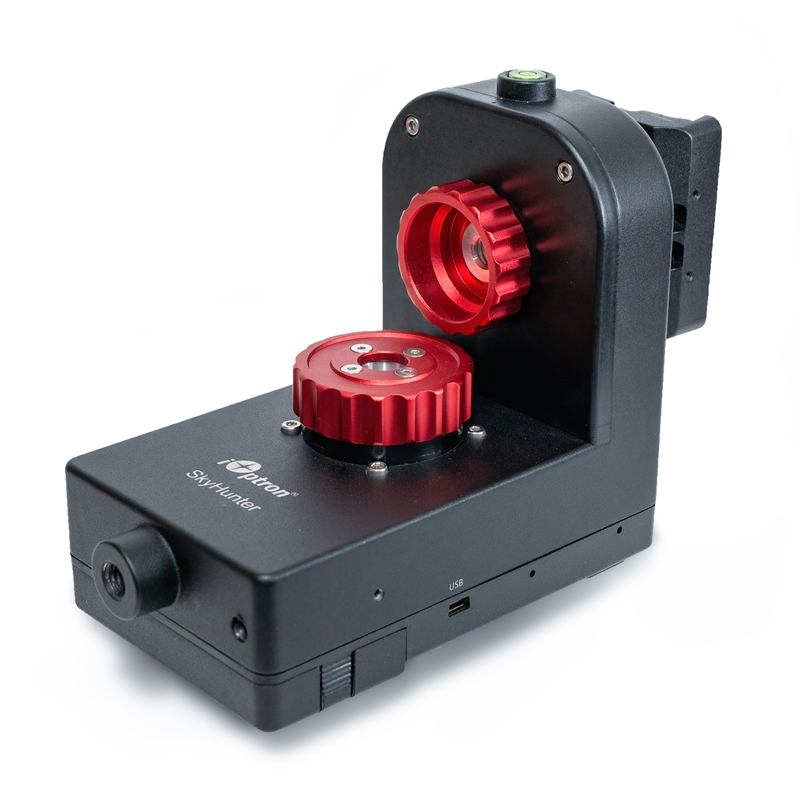
iOptron SkyHunter Portable AZ/EQ GoTo System
A 1.3 kg GoTo head that works in alt-azimuth for visual and converts to equatorial for imaging, without buying a second mount. The lightest genuine dual-mode mount at this price.
Lowest in 90 daysLowest ever tracked
Price tracked by PolarisObserved 21 timesTracking since Mar 2026
01What it's good atWhat it's best at — and the trade-offs.
Switches between alt-azimuth and equatorial operation, so one mount covers visual browsing and widefield imaging
What it's best at — and the trade-offs.
02In plain EnglishThe numbers, in plain English.
5.0kg payload
The numbers, in plain English.
03The Polaris ScoreHow it scores, and why.
82/100
How it scores, and why.
Strong on portability and versatility, which is the whole design brief. Performance is capped by how light it is: the same 1.3 kg that makes it travel well is what limits how much telescope it can hold still.
Polaris weighs tracking and payload capability, how easy the mount is to live with, how portable it is, and how far it takes you before you outgrow it — not list price or brand.
04Who it's forAn honest fit check.
Travellers who want one mount for both looking and photographing.
An honest fit check.
05The numbersFull specifications.
7 measured and stated values
Full specifications.
Almost every mount forces a choice between the thing that finds objects and the thing that photographs them, and almost every amateur ends up owning one of each. This one refuses the choice, and it does so at a weight where taking it becomes the default rather than a decision.
06PairingsPairs well with.
3 scopes we would actually put on this mount
Pairs well with.
The scopes we’d actually put on this mount — chosen for payload, balance and intended use. Comfortable means room to spare; near the limit still works, with care.
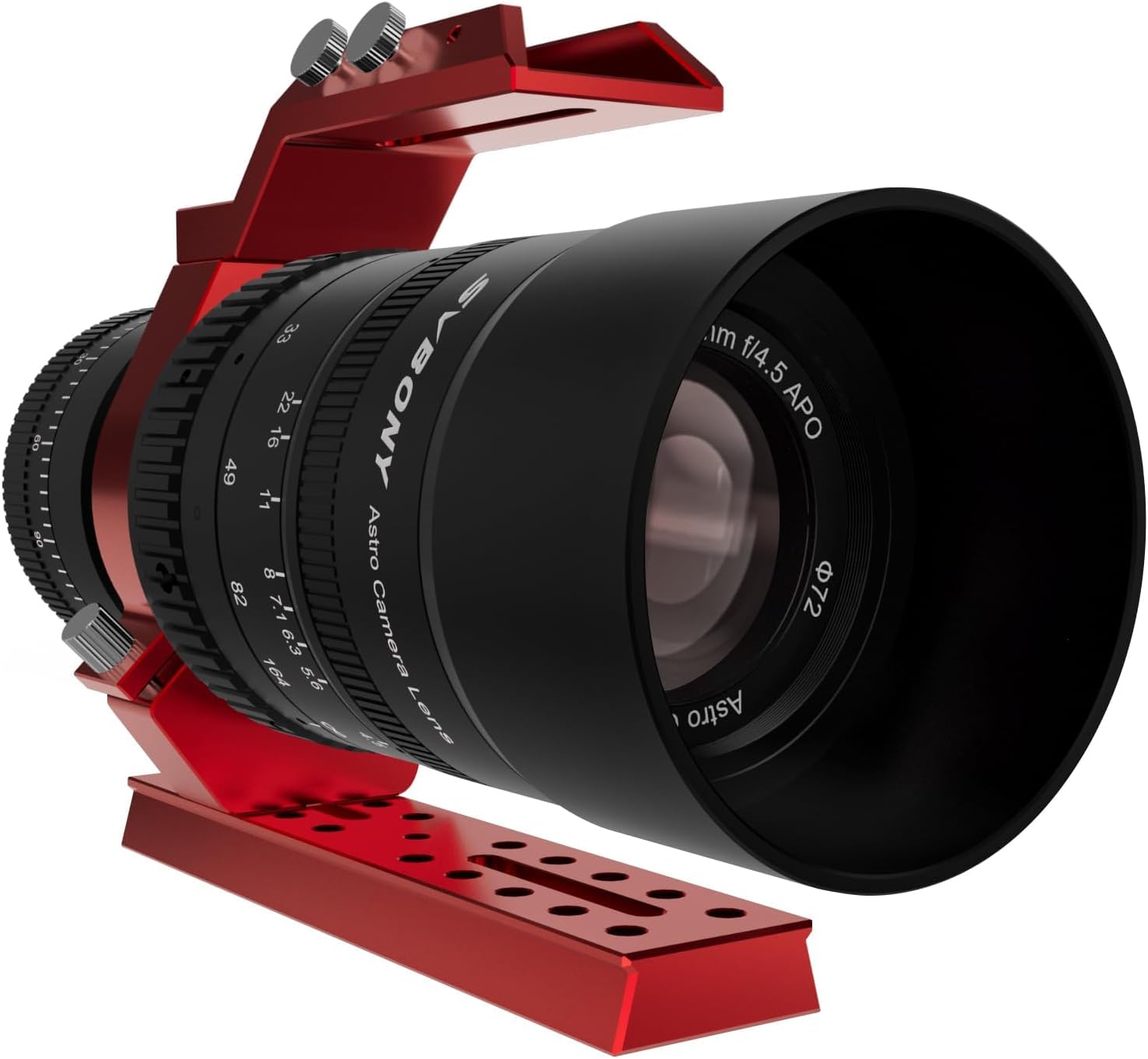
A 2.45 kg astrograph on a 1.3 kg head, aligned equatorially, is a complete widefield imaging rig that fits in hand luggage.
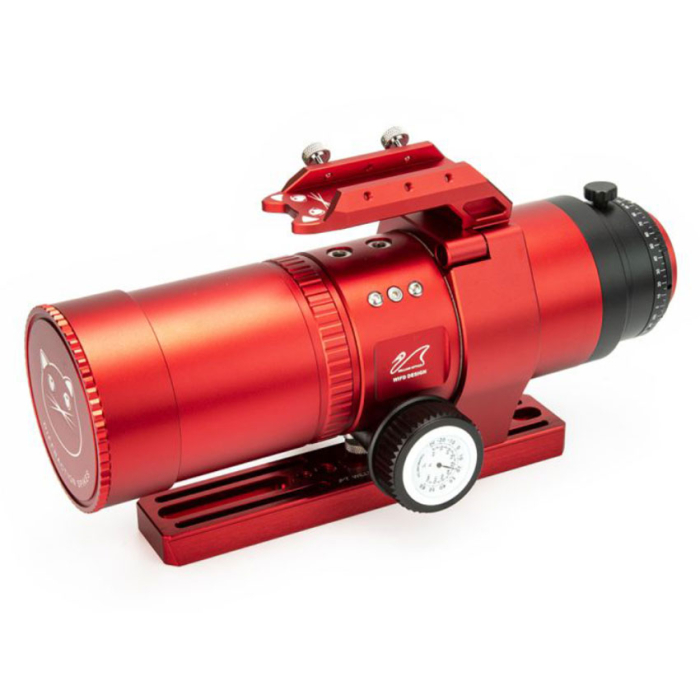
The classic featherweight imaging refractor on a mount that weighs less than it does. In equatorial mode there is no field rotation to worry about.
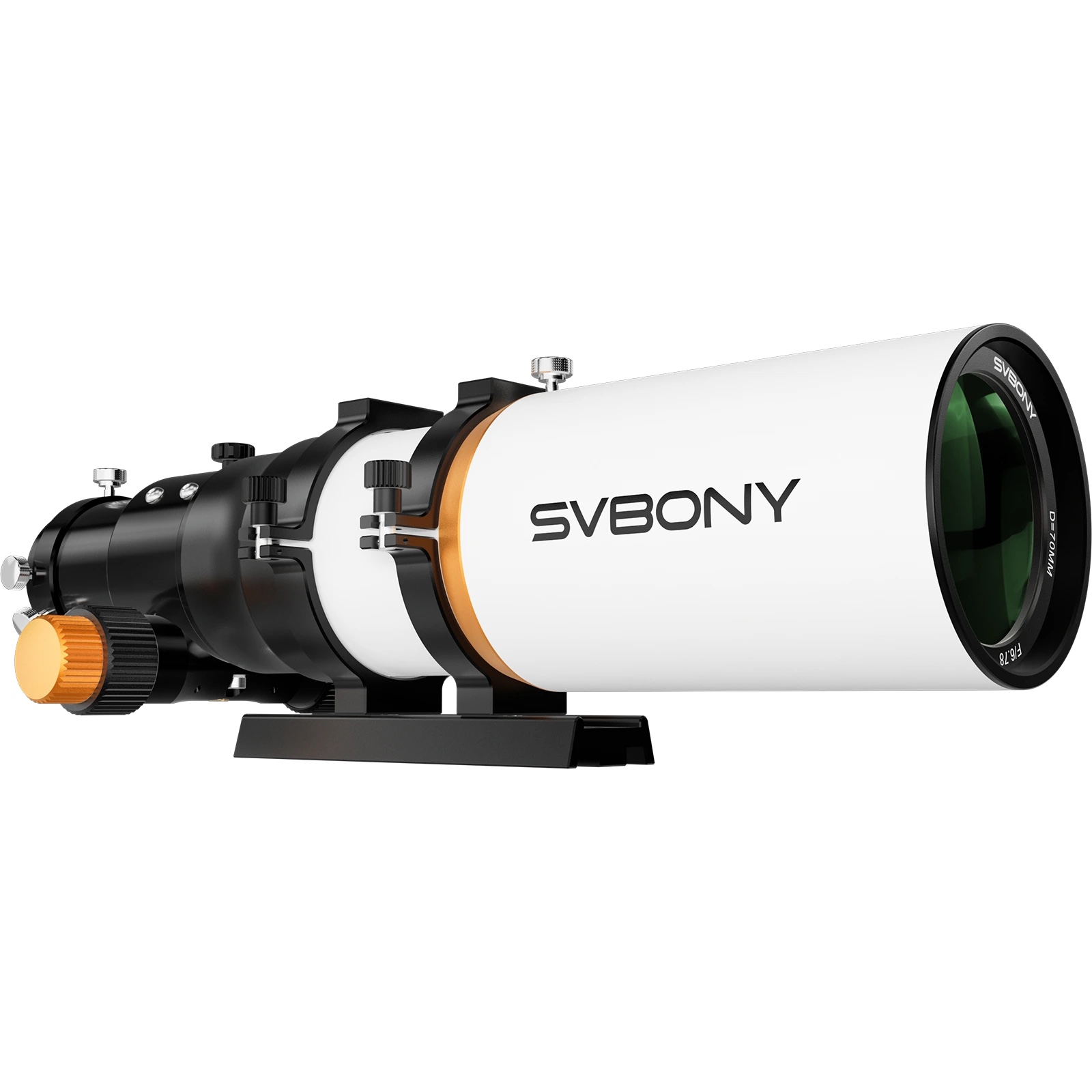
Two point seven kilograms is inside the 3.5 kg imaging figure and not far inside it. Add a camera and guider and you are at the limit.
Dual-mode mounts keep earning their place because the travel case never gets bigger. This tends to be kept rather than sold when a larger mount arrives.