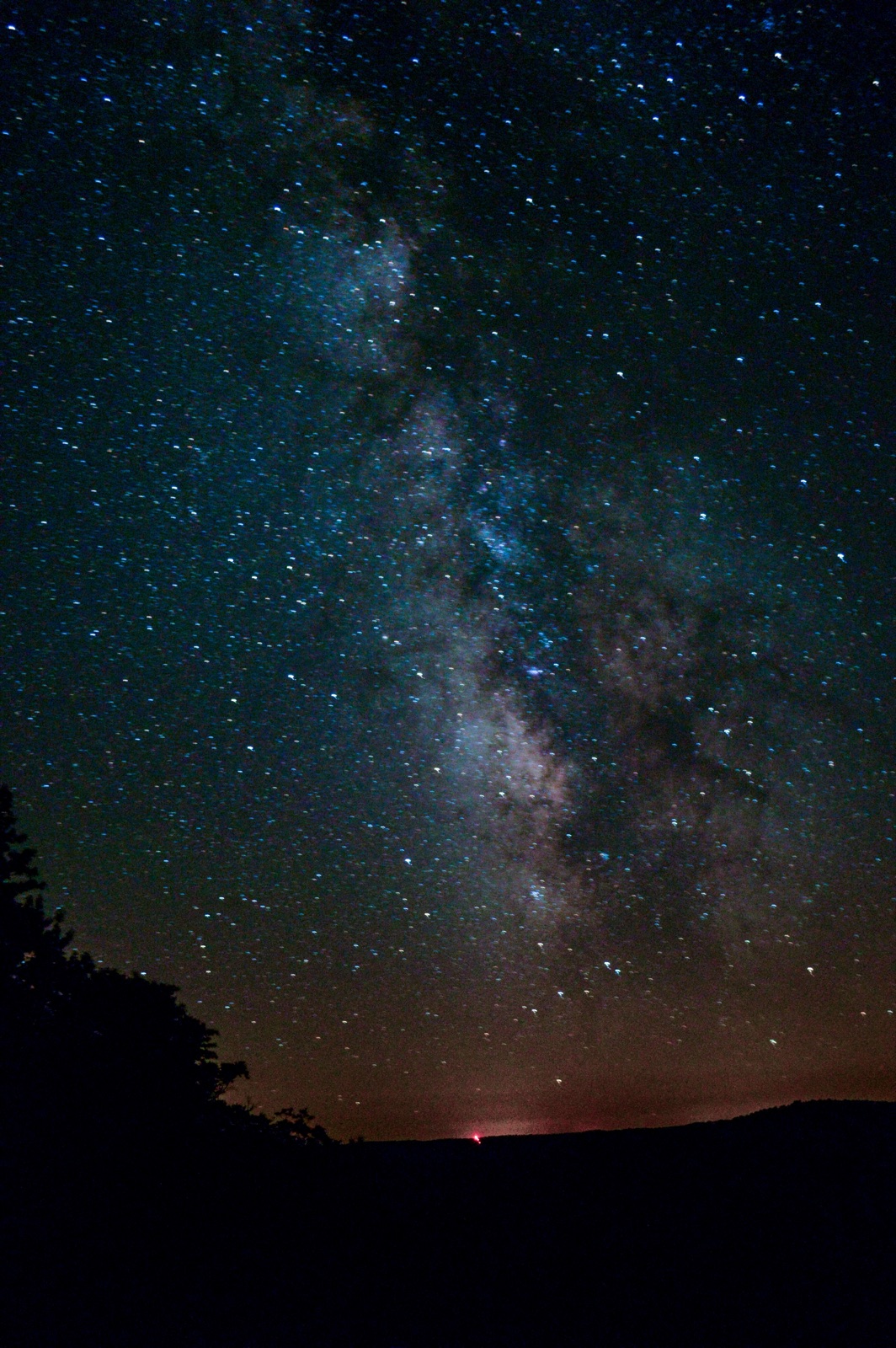
The eastern seaboard's only genuinely dark sky, and a field built for telescopes.
Cherry Springs State Park
Where the Milky Way still throws a shadow.
For most people who drive here, this is the first time they truly see the Milky Way — bright enough to cast a faint shadow on the ground.
There is no Bortle 2 sky within three hundred miles of the eastern megalopolis except this one. Eighty-two acres of former airstrip on top of the Allegheny Plateau, surrounded by state forest in every direction — and a field laid out, lit, and rule-enforced specifically for people who came to look up.
Observers drive here from New York, Philadelphia, Baltimore and DC — four to six hours each way — because the alternative is not a worse dark sky. It is no dark sky at all.
Quick facts
The targets that make the trip.
Not the internet’s greatest hits — the objects that justify the drive. The ones that look wrong, in the best possible way, the first time you see them this dark.
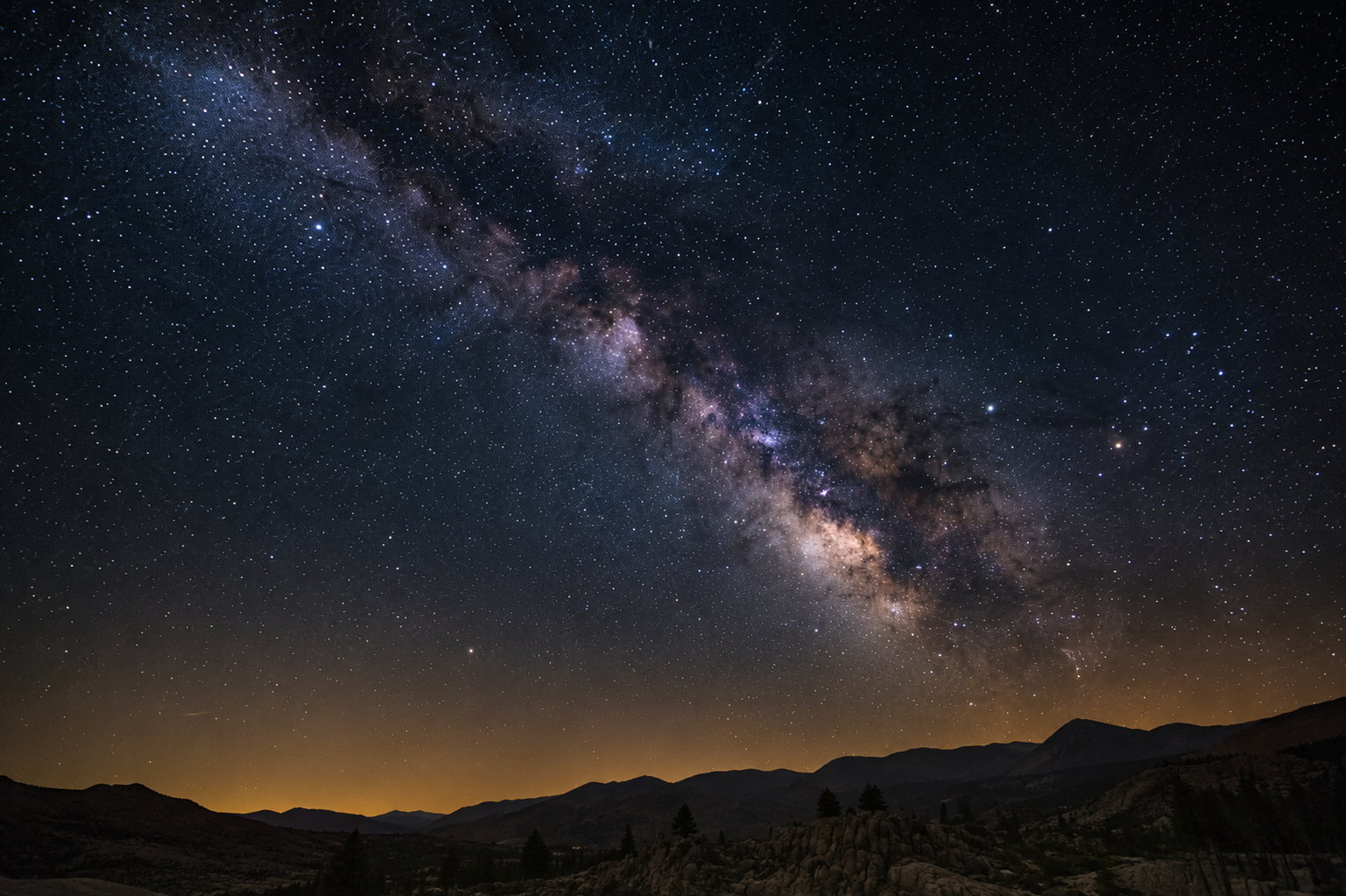
Milky Way
From your driveway it does not exist. Here it is a structured band with a visible dust rift running down it, and on the best nights it is bright enough to throw a shadow. This is a naked-eye and binocular object — put the telescope down for the first hour.
Open target →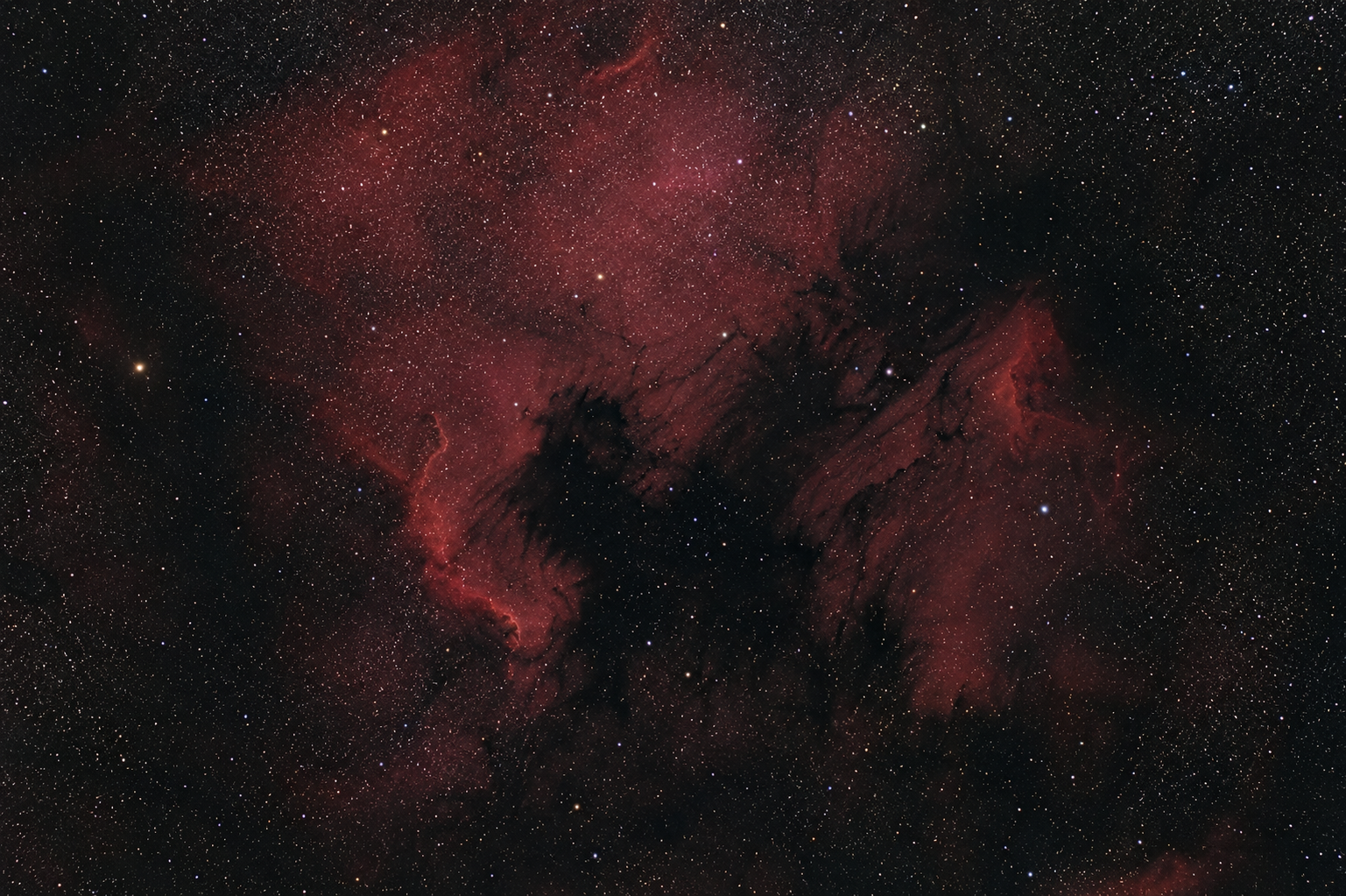
North America Nebula
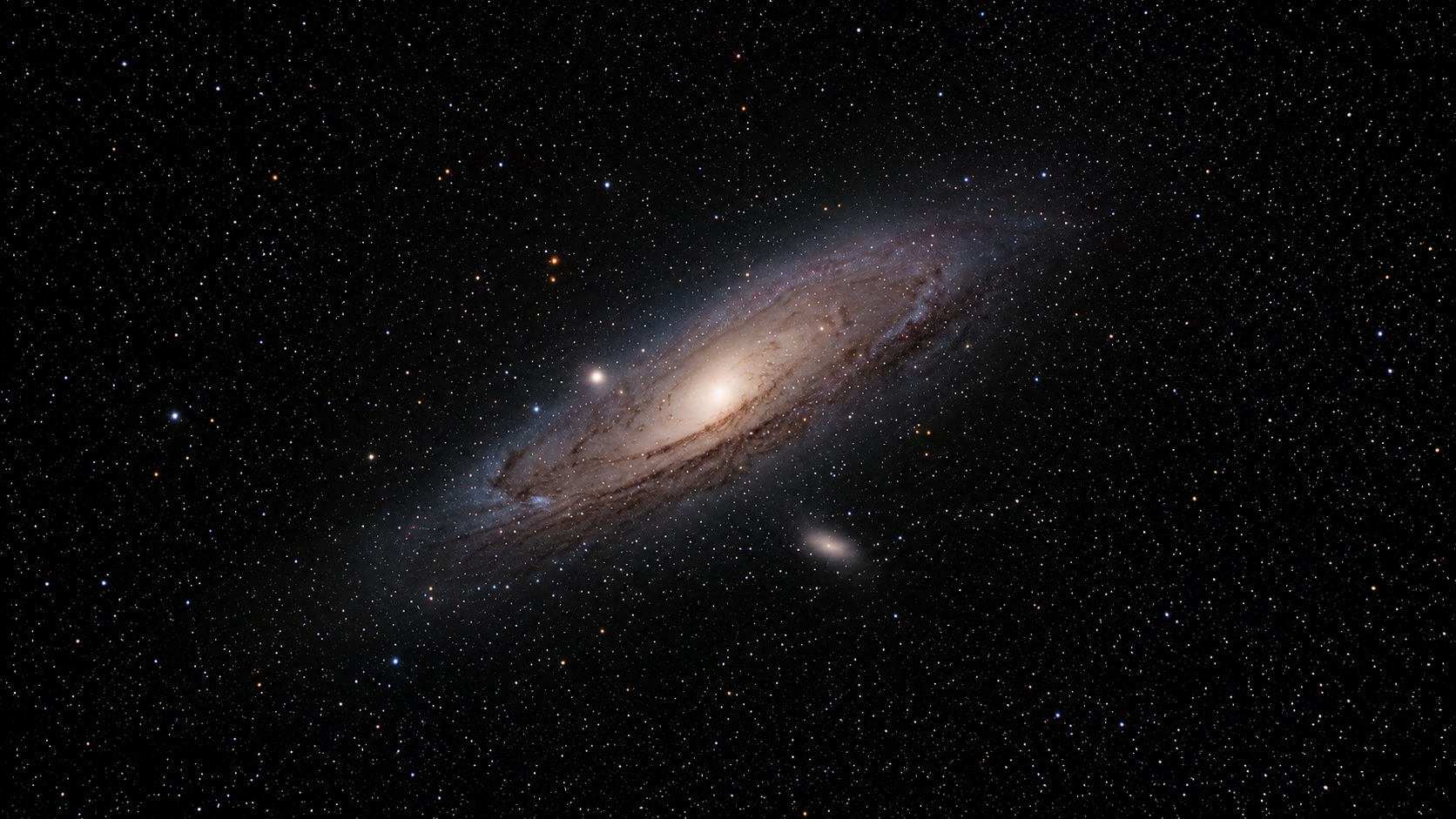
Andromeda Galaxy
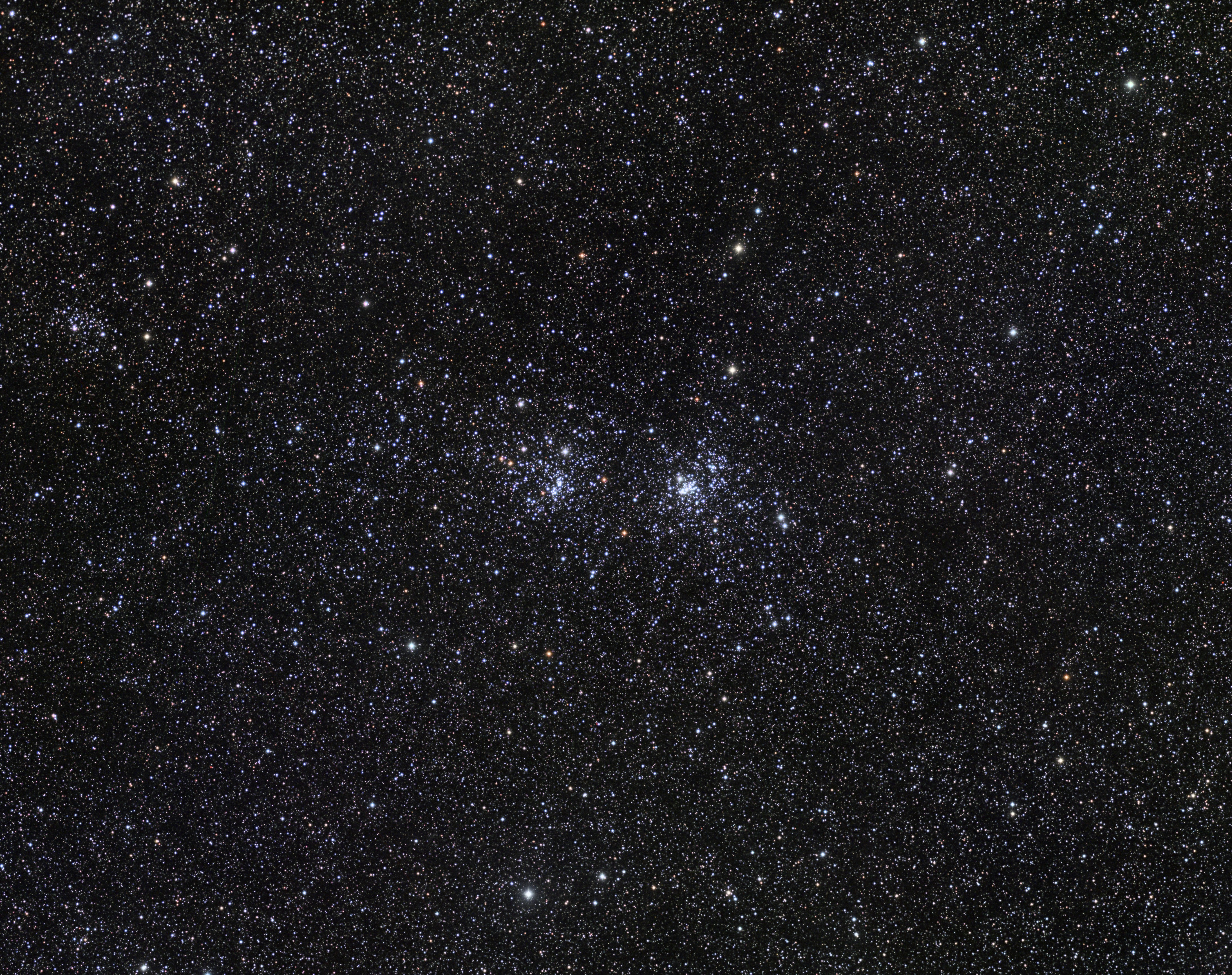
Double Cluster
This is where galaxies stop being faint smudges and start being objects — where one visit quietly changes how you think about the night sky for good.— The Skynocular field notes
Gear that earns the drive.
A dark site rewards aperture and wide, true fields — not gadgets. This is what we’d actually load in the car.
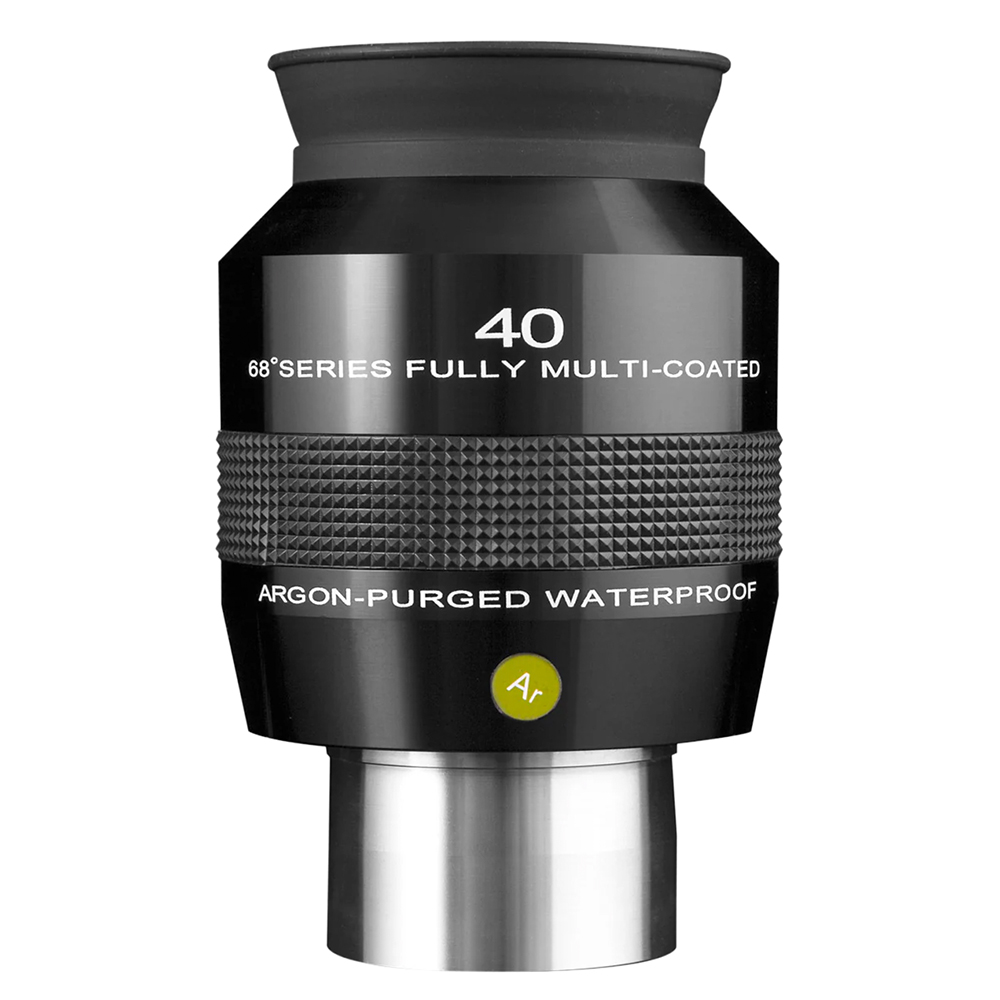
Explore Scientific 40mm 68°
A dark sky is wasted at high power. The lowest-power, widest-field eyepiece you own is the one that shows you the Milky Way, the Double Cluster and the full extent of Andromeda — this is the eyepiece Cherry Springs is for.
Score
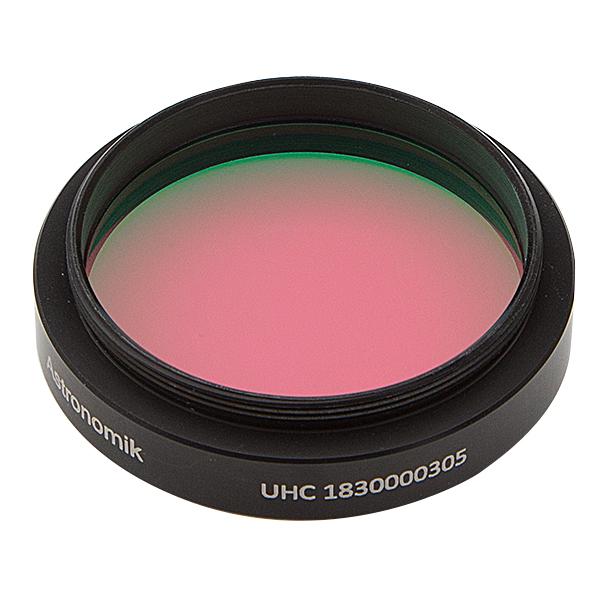
Astronomik UHC Filter 2″
A UHC cuts the residual skyglow and lifts emission nebulae out of the background. At Bortle 2 the effect on the North America Nebula is startling.
Score
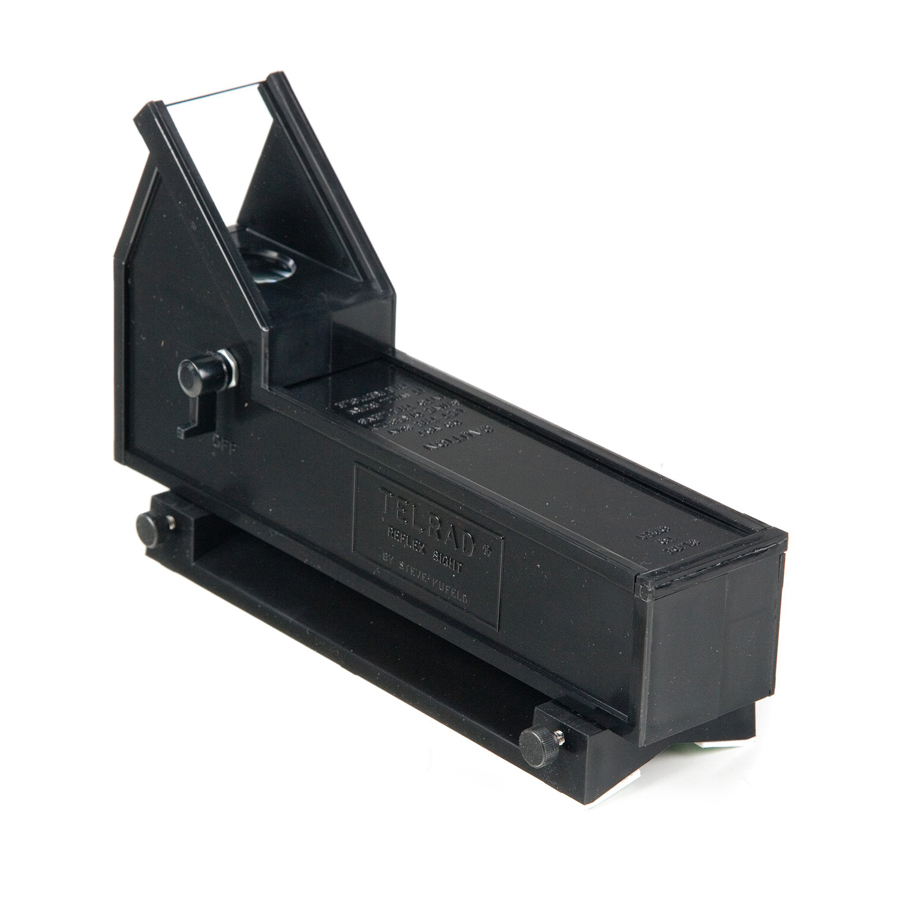
Telrad Reflex Sight Finder
When the sky is genuinely dark there are so many stars that star-hopping gets harder, not easier. A Telrad's projected rings are the fastest way to stay oriented in a sky you are not used to.
Score
// Reader-funded through affiliate links · no brand pays for placement here
Conditions and getting there.
Weather
The limiting factor is not darkness, it is clouds. The plateau is humid and clear nights are genuinely scarce — figure on fewer than one usable night in three, even in summer. Watch the forecast to the last hour and be willing to abort.
Typical conditions
Summer nights are humid and dew is close to guaranteed; anything optical will fog without a dew heater or shield. Temperatures drop hard after midnight even in July — the plateau sits at 2,300 ft and holds cold air.
Timing the moon
Come within four days of new moon or do not come. A first-quarter moon erases everything this place is for, and at these distances a wasted trip costs a whole weekend.
Getting there
The nearest real town is Coudersport, about 15 miles out — get fuel and food there, because there is nothing at the park. The overnight astronomy field requires a permit and enforces red-light-only rules; the day-use field does not, and headlights from it will find you. Book the astronomy field.
The next questions.
Why Do Observers Chase Dark Skies Instead of More Aperture?
The least intuitive truth in the hobby: the sky itself is a piece of equipment, and it is usually the one that matters most.
Read the guide →Why Do Galaxies Disappear in the City?
The Moon and planets shine through city light just fine, so why does a whole galaxy simply vanish? The answer is surface brightness, and it tells you exactly what to do.
Read the guide →Why Do Experienced Observers Still Star-Hop?
In the age of GoTo and plate-solving, why do veterans still find things by hand? Because the slow way gives you something a motor cannot.
Read the guide →More of the astronomy graph nearby.
We’re mapping observatories, clubs, star parties and visitor centers near each place — so a trip here connects to the wider community.
See this sky before you drive.
Load Andromeda Galaxy into the simulator with the gear we’d bring here — and know exactly what this sky will put in your eyepiece.
Explore this sky →