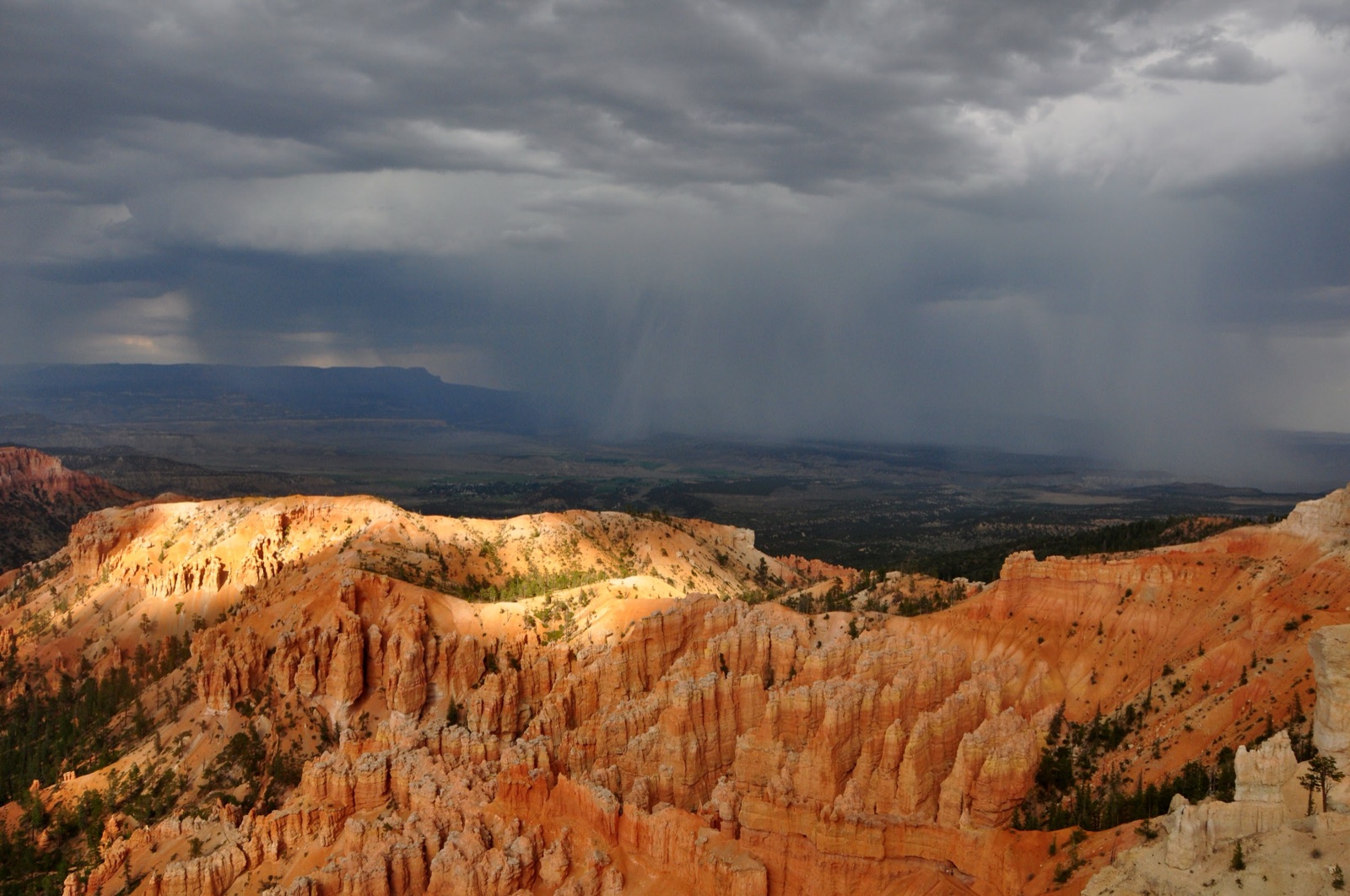
Eight thousand feet of dry Utah air, and rangers who run the telescopes.
Bryce Canyon National Park
Eight thousand feet of dry air, and rangers who run the telescopes.
Mandar Mulherkar
On a good night you can see roughly 7,500 stars with the naked eye here — about three times what a decent suburban sky will give you.
Bryce sits at around 8,000 feet on the Colorado Plateau, which puts it above a meaningful fraction of the atmosphere and most of its water vapour. On a good night you can see roughly 7,500 stars with the naked eye. The park has run one of the longest-standing astronomy ranger programs in the National Park Service for decades.
It is the rare dark site that is genuinely easy to visit — paved, staffed, and with somewhere to sleep — which makes it the one to bring someone to for their first real sky.
Quick facts
The targets that make the trip.
Not the internet’s greatest hits — the objects that justify the drive. The ones that look wrong, in the best possible way, the first time you see them this dark.
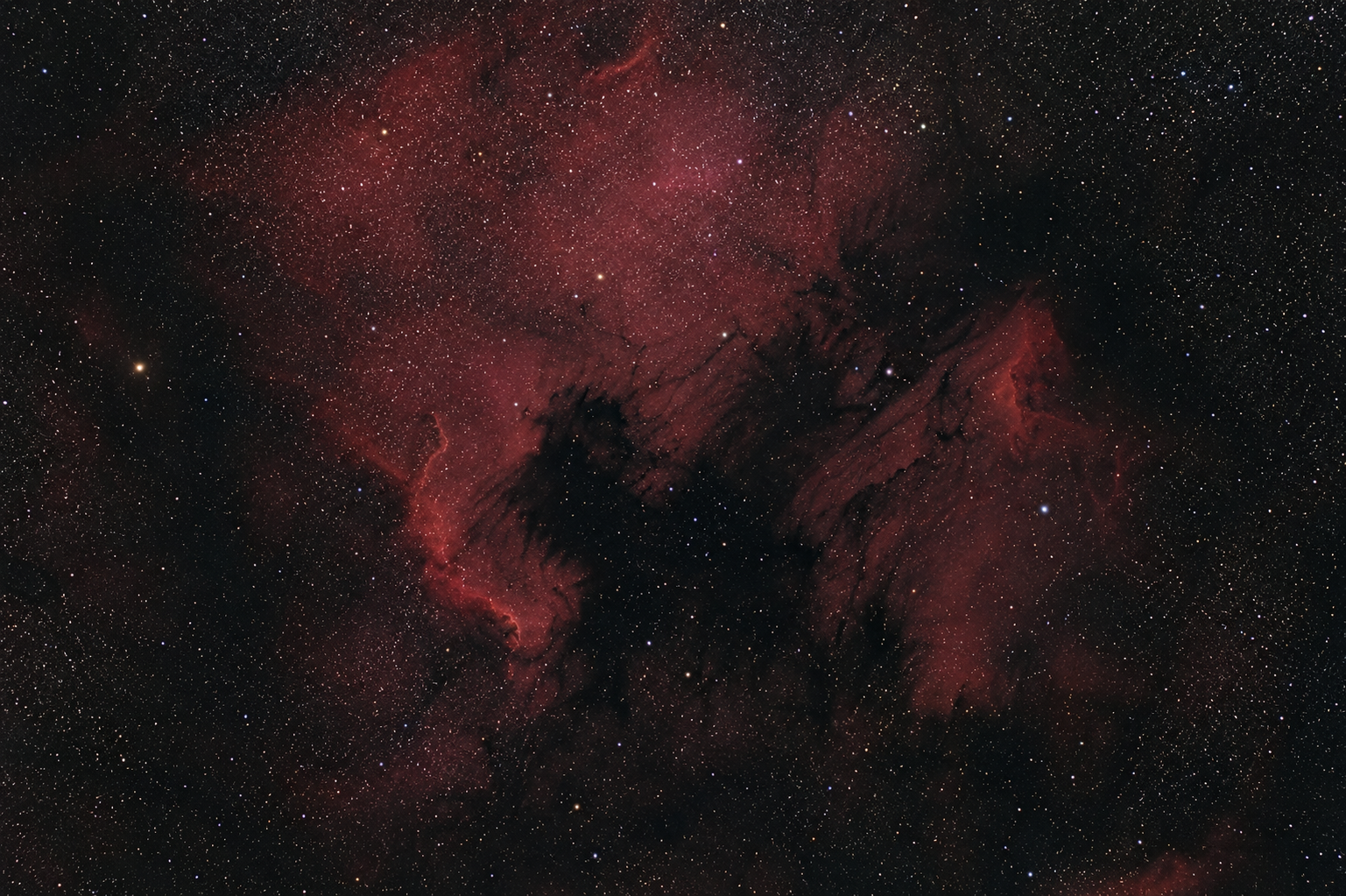
North America Nebula
The extra transparency at 8,000 feet shows up first on large, faint, extended objects — and NGC 7000 is exactly that. With a UHC filter and a wide field the continent shape genuinely resolves.
Open target →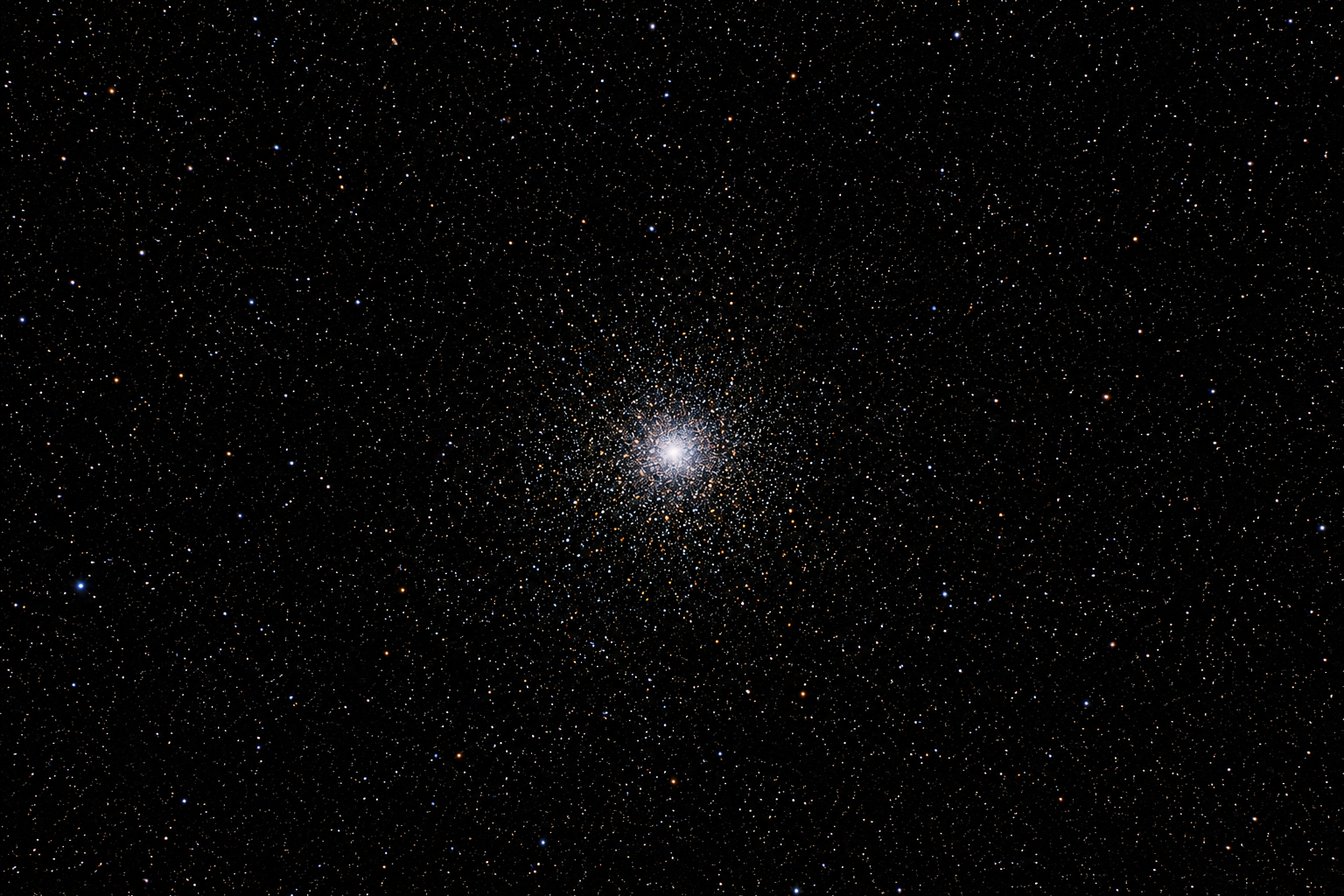
Hercules Cluster
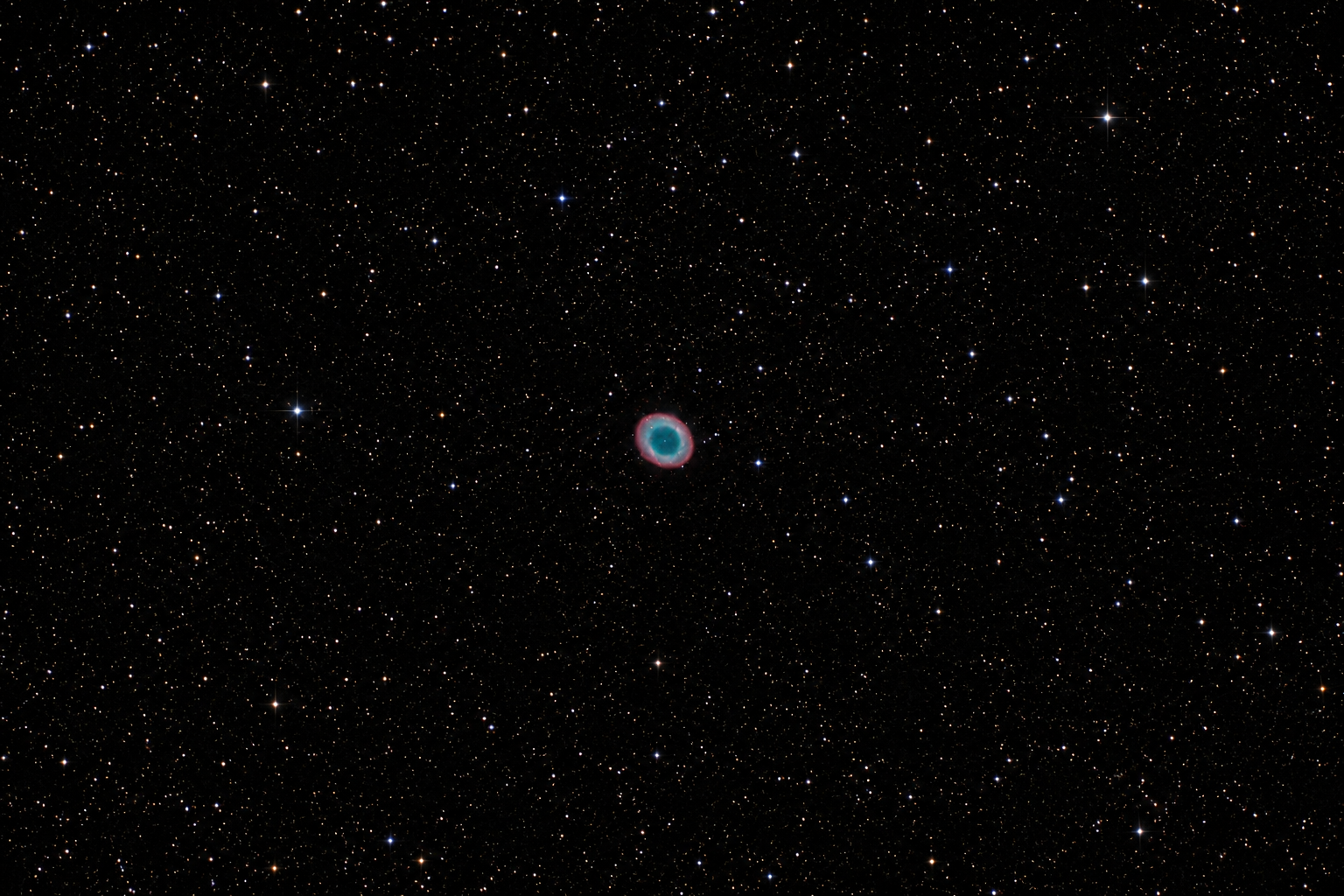
Ring Nebula
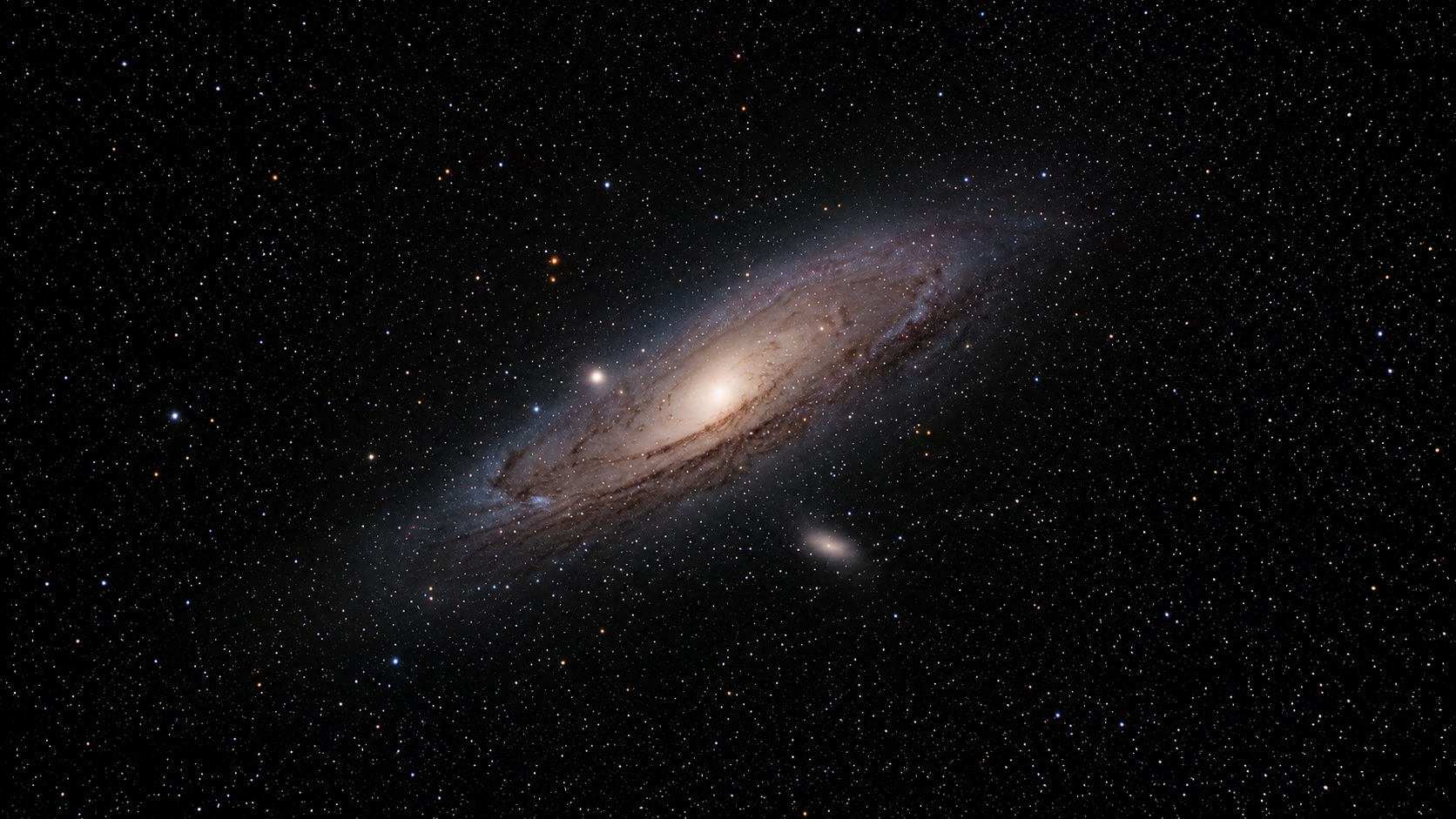
Andromeda Galaxy
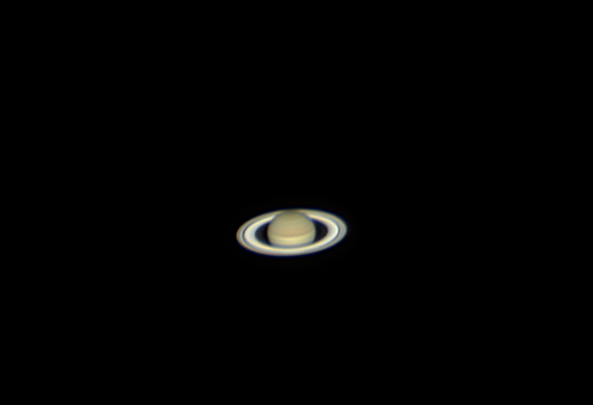
Saturn
Most Bortle 2 skies demand an expedition. This one does not — which makes it the right place to bring someone who does not yet believe you.— The Skynocular field notes
Gear that earns the drive.
A dark site rewards aperture and wide, true fields — not gadgets. This is what we’d actually load in the car.
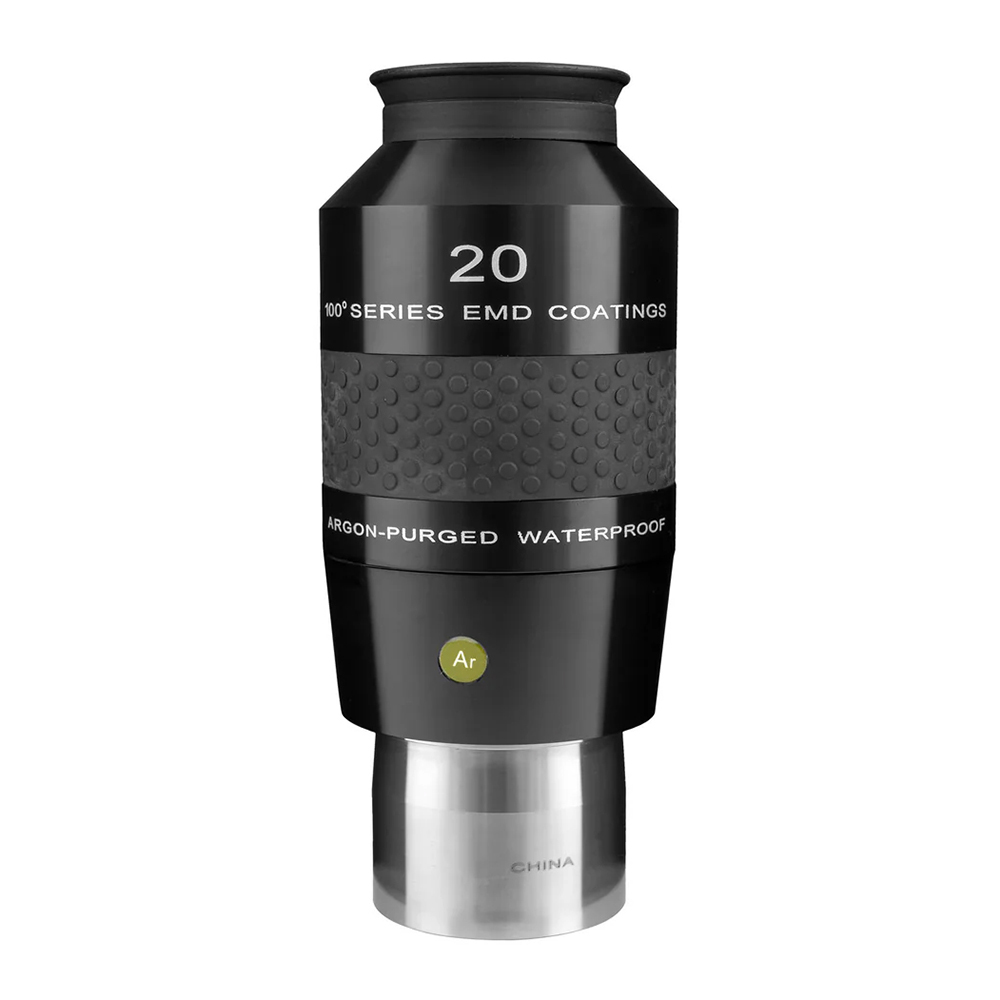
Explore Scientific 20mm 100°
A 100° field at 20mm is the eyepiece that makes people step back from the telescope and say something. For a site whose whole character is showing the sky to newcomers, it is the right splurge.
Score
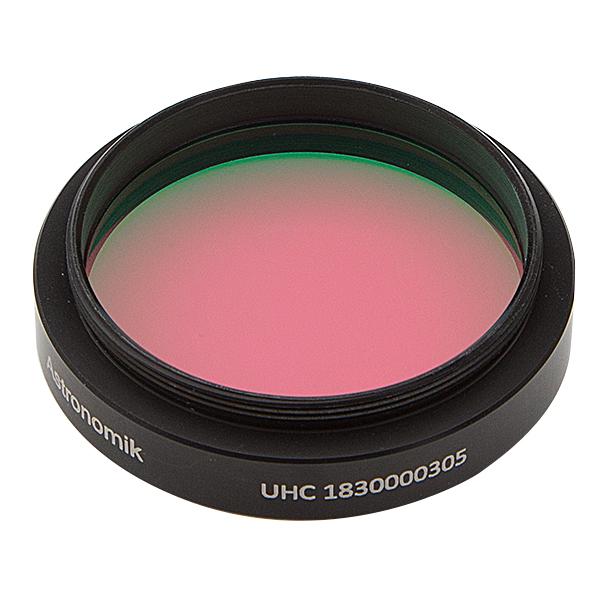
Astronomik UHC Filter 2″
The North America Nebula is the object altitude most rewards here, and it is a filter object. A UHC turns it from a suspicion into a shape.
Score
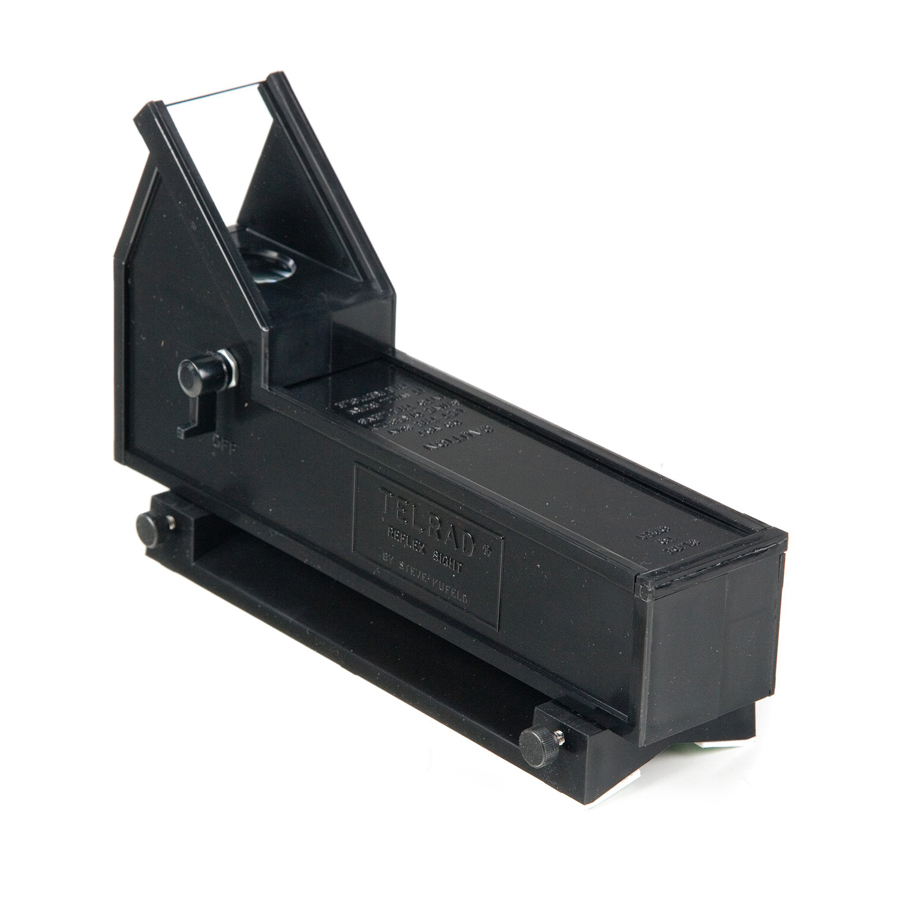
Telrad Reflex Sight Finder
Cheap, unpowered, and it survives being handed to a stranger. The right finder for a site where you will be sharing the telescope.
Score
// Reader-funded through affiliate links · no brand pays for placement here
Conditions and getting there.
Weather
High-desert dry with excellent transparency, but altitude cuts both ways — afternoon thunderstorms are common in late summer and can linger into the evening. Clear nights are frequent by dark-site standards.
Typical conditions
The altitude that buys the transparency also buys the cold: summer nights routinely fall into the 30s°F. Seeing can be mediocre when the jet stream sits overhead, so favour wide-field deep sky over high-power planetary here.
Timing the moon
The ranger astronomy programs run regardless of moon phase and are worth catching either way, but for your own observing target the week around new moon.
Getting there
Genuinely accessible — paved roads, lodging in and near the park, and services in Bryce Canyon City minutes away. Come early to claim a viewpoint, and note the park's astronomy programs fill up.
The next questions.
Why Do Observers Chase Dark Skies Instead of More Aperture?
The least intuitive truth in the hobby: the sky itself is a piece of equipment, and it is usually the one that matters most.
Read the guide →Why Do Galaxies Disappear in the City?
The Moon and planets shine through city light just fine, so why does a whole galaxy simply vanish? The answer is surface brightness, and it tells you exactly what to do.
Read the guide →Best Beginner Telescopes Under $500
Four scopes that are actually under $500, actually in stock, and actually worth owning.
Read the guide →More of the astronomy graph nearby.
We’re mapping observatories, clubs, star parties and visitor centers near each place — so a trip here connects to the wider community.
See this sky before you drive.
Load Hercules Cluster into the simulator with the gear we’d bring here — and know exactly what this sky will put in your eyepiece.
Explore this sky →