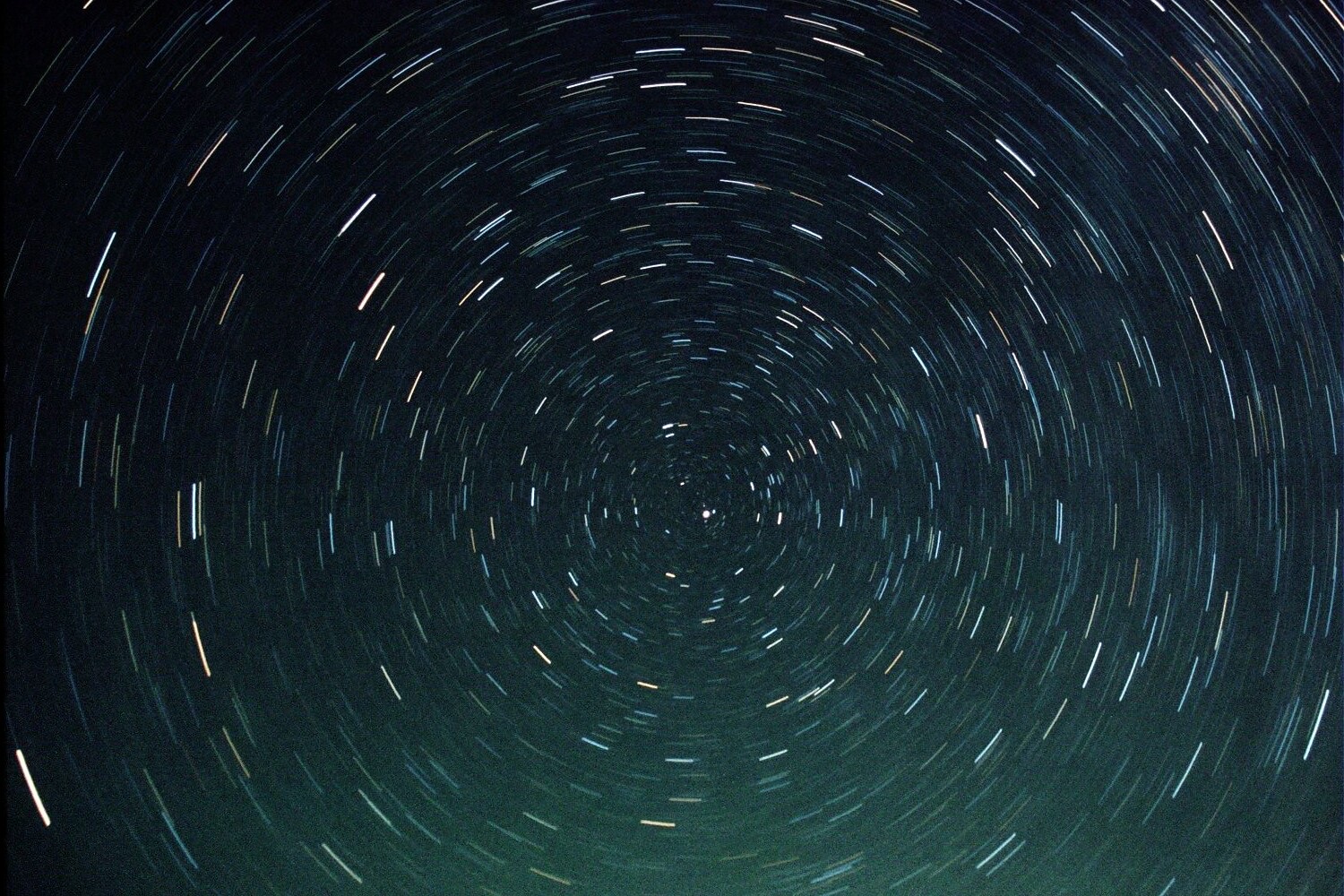
Six hundred thousand acres, and one valley actually worth the drive.
Anza-Borrego Desert State Park
Where San Diego finally drops behind the ridge.
You can pull off a dirt road here, park, and sleep under the sky — no permit, no fee, no reservation — which is why the people who observe here observe here constantly.
Anza-Borrego is the largest state park in California and most of it is not why you come. Drive into Borrego Springs and San Diego's light dome sits on your western horizon like a sunset that never finishes. The reason to make this trip is one valley in the south of the park — Little Blair Valley, an hour further on, where the ridgeline finally puts the city behind rock.
It is not the darkest sky in California. It is the darkest one a San Diegan can reach after work, sleep under for free, and be home from by lunch.
Quick facts
The targets that make the trip.
Not the internet’s greatest hits — the objects that justify the drive. The ones that look wrong, in the best possible way, the first time you see them this dark.
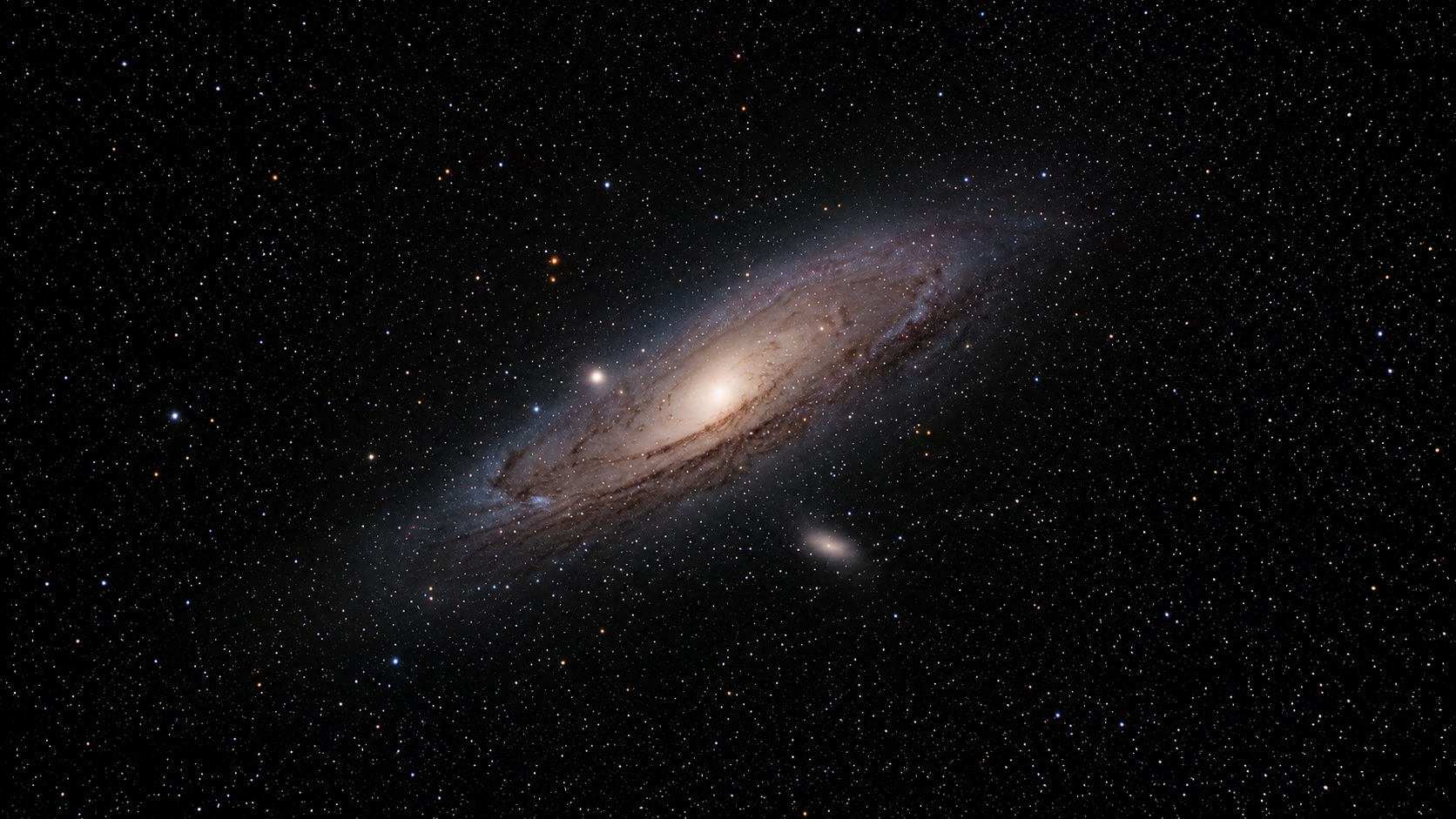
Andromeda Galaxy
From a San Diego backyard M31 is a grey thumbprint. Here, in autumn, with the lowest power you own, it sprawls past the edges of the field with a dust lane you can hold steadily rather than glimpse. This is the object that shows you, in one look, exactly what the two-hour drive bought.
Open target →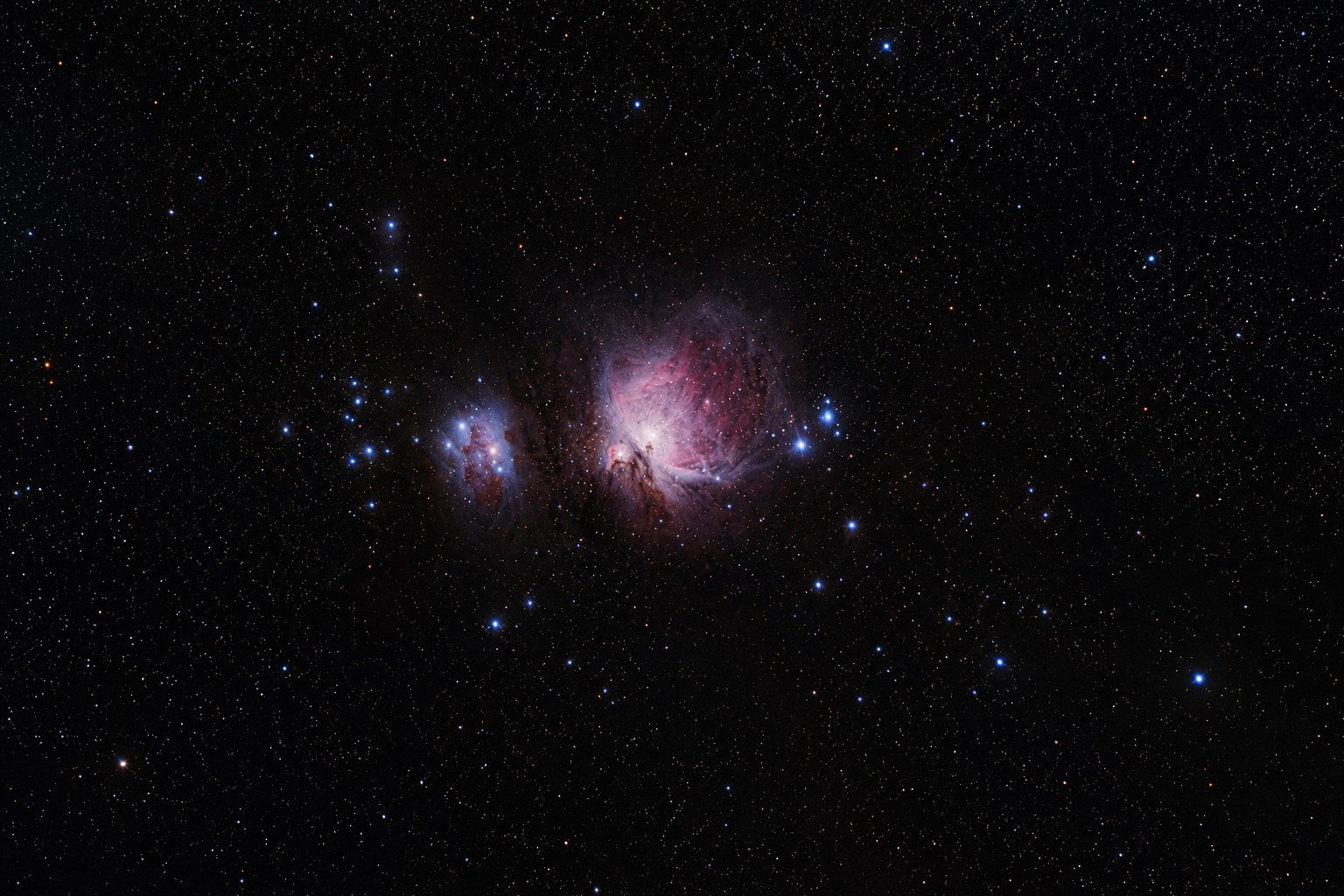
Orion Nebula
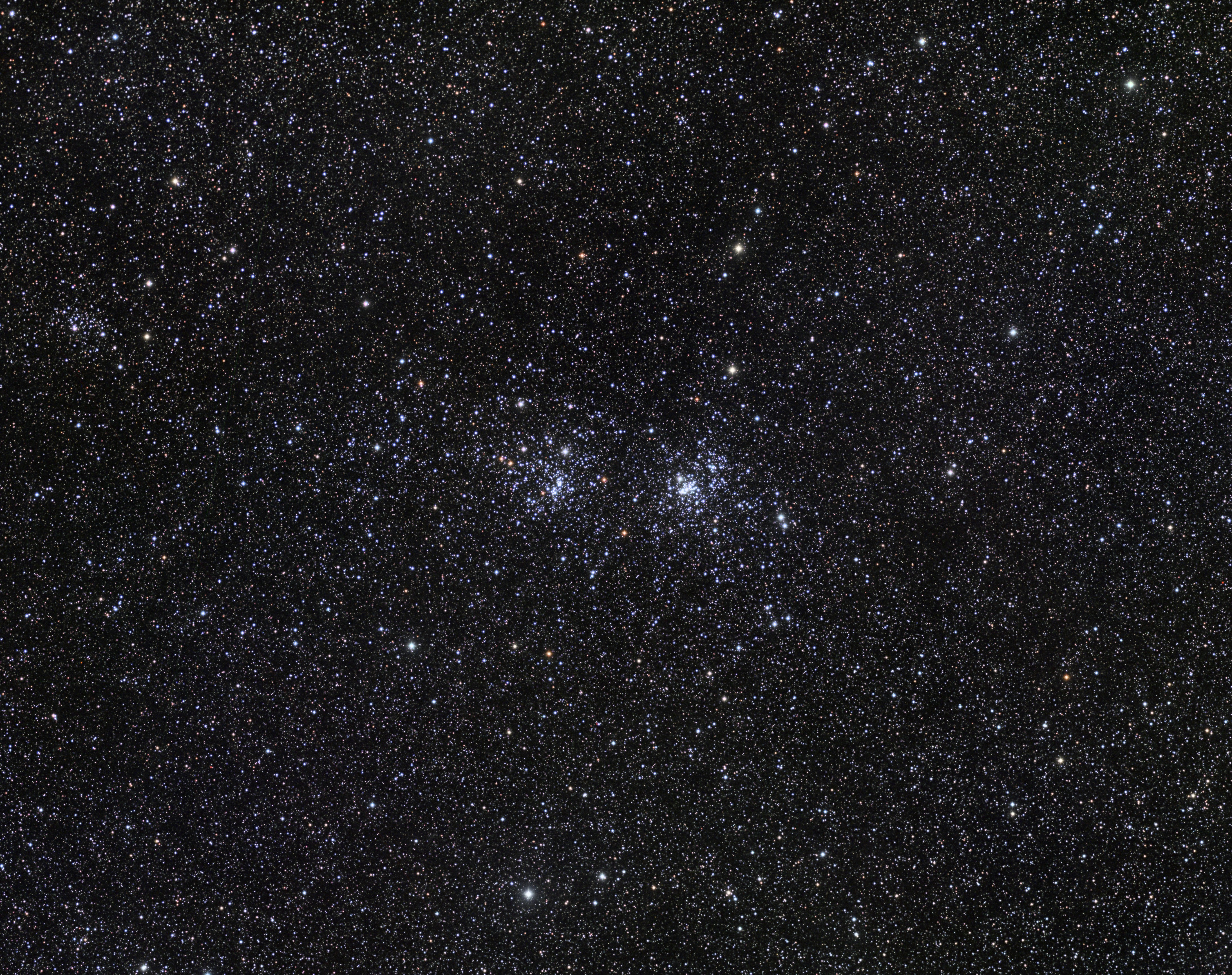
Double Cluster
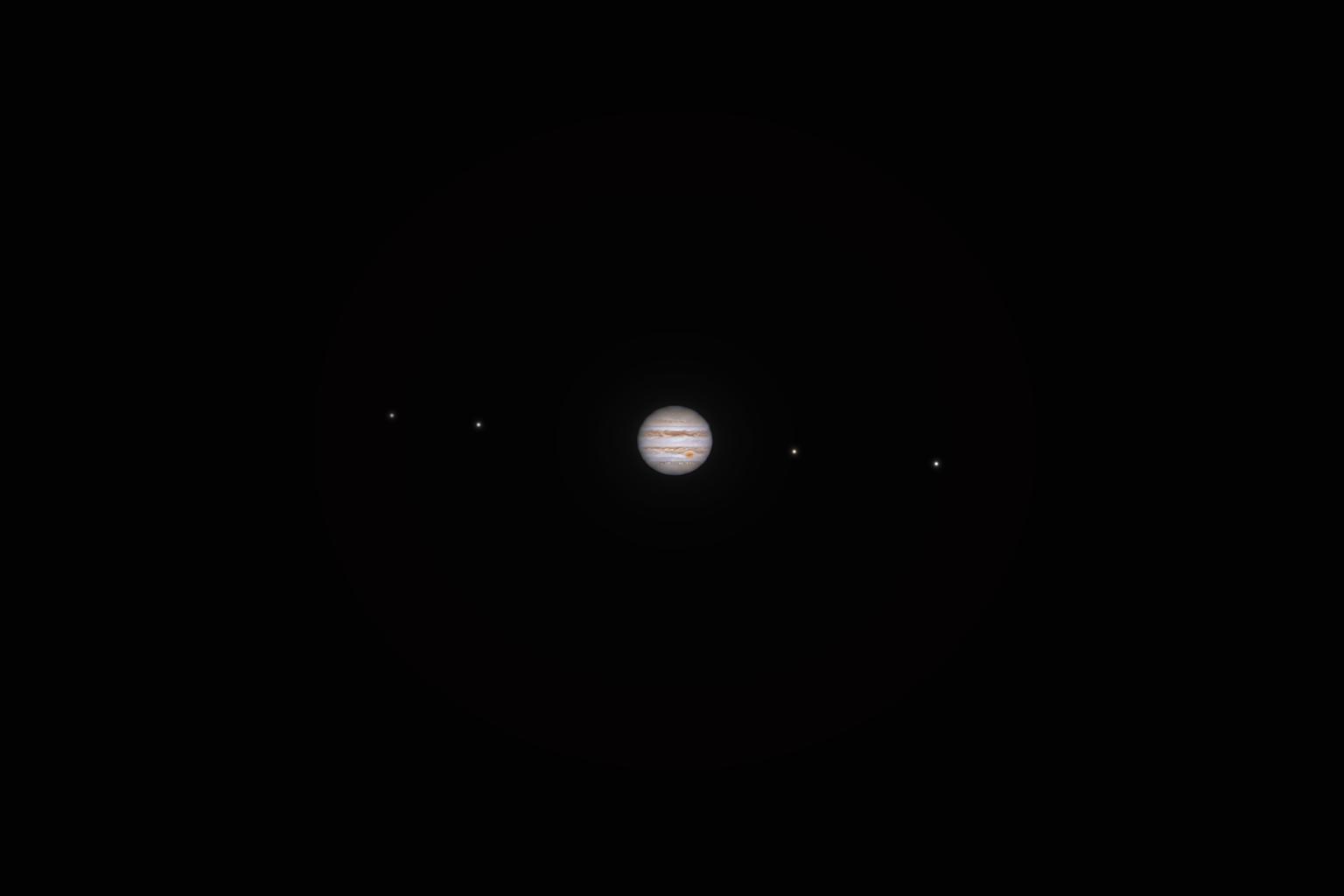
Jupiter
The sky here is not the best you will ever see. It is the best one you will ever see often — and that turns out to matter more.— The Skynocular field notes
Gear that earns the drive.
A dark site rewards aperture and wide, true fields — not gadgets. This is what we’d actually load in the car.
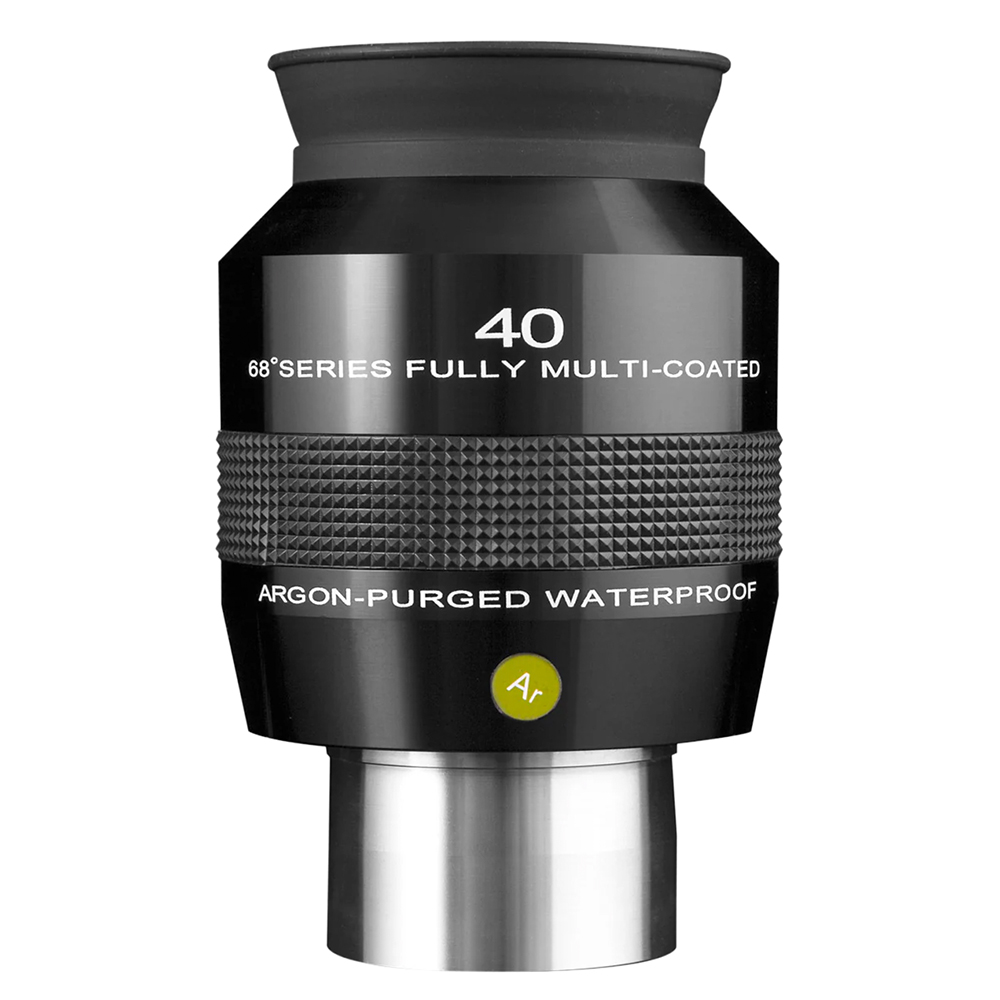
Explore Scientific 40mm 68°
Andromeda is larger than the full Moon and the Double Cluster wants room to breathe. The lowest-power, widest-field eyepiece you own is the one this place is for — high magnification is not what a dark sky is buying you.
Score
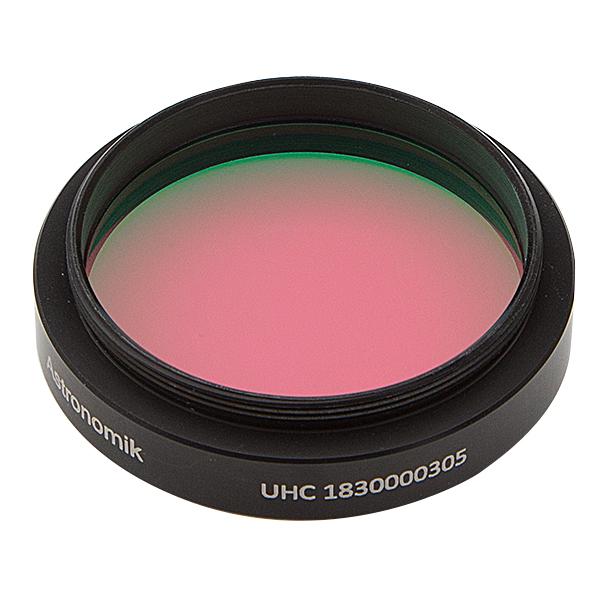
Astronomik UHC Filter 2″
There is still a western glow to fight here, and a UHC is the cheapest way to claw contrast back on Orion and the winter emission nebulae. It will not save a galaxy — only the drive south does that.
Score
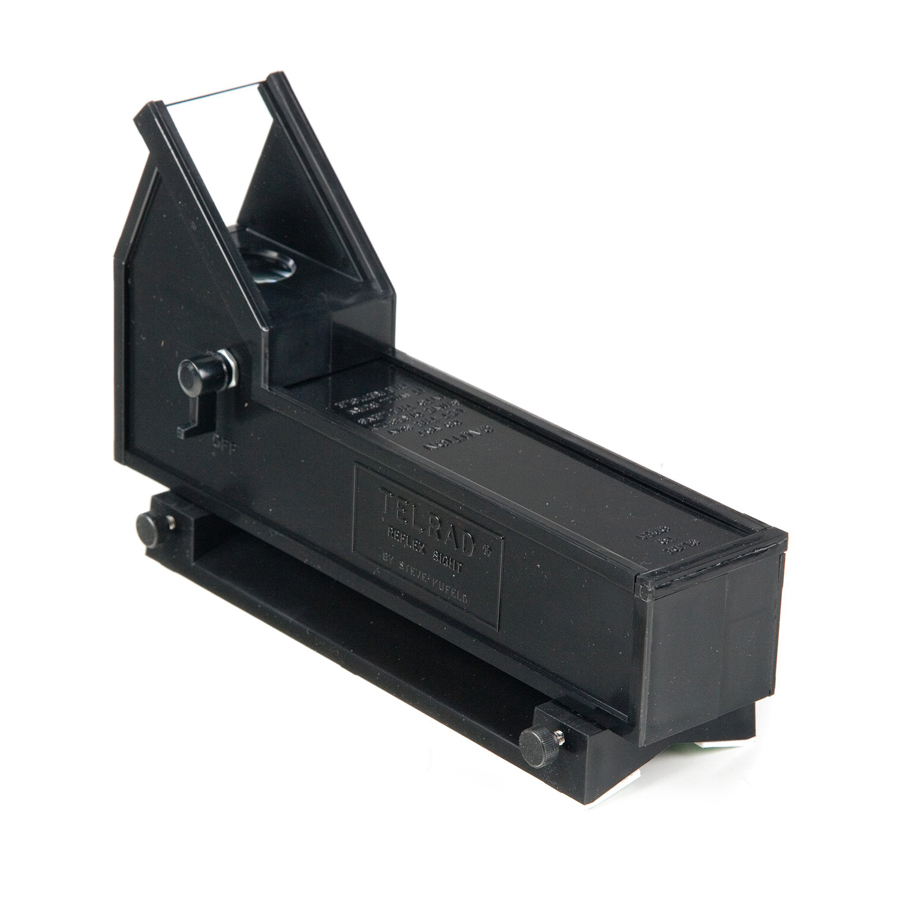
Telrad Reflex Sight Finder
No power, nothing to break, and it survives being thrown in a car every few weeks. The right finder for a site you visit casually and often.
Score
// Reader-funded through affiliate links · no brand pays for placement here
Conditions and getting there.
Weather
Desert-dry with a high count of clear nights — you are far more likely to get the sky you drove for here than at any eastern site. The constraint is heat, not cloud: from May through September the valley is dangerous rather than merely uncomfortable, and the park empties for good reason.
Typical conditions
Blair Valley sits at roughly 2,500 ft, high enough to be several degrees cooler than the Borrego Springs floor and clear of the worst of the haze. Park elevations range from near sea level to over 6,000 ft, so conditions vary enormously depending where you set up — this page is about the southern valleys, not the resort end. Winter nights get genuinely cold; the desert gives back all its heat after midnight. Dew is close to a non-issue.
Timing the moon
Because the trip is short and free, you can afford to be ruthless. Come inside the week around new moon, and if the forecast turns, cancel — there will be another new moon in four weeks and it costs you nothing to wait.
Getting there
Roughly two hours from San Diego. Take County Route S-2 to the Blair Valley turnoff south of Scissors Crossing; the spur is graded dirt and a normal car handles it in dry weather, though washboard will rattle your fillings. Camping is dispersed and free — you may pull off and stay almost anywhere, with no permit and no booking. There are no services of any kind: no water, no fuel, no toilets beyond the vault at the entrance, and no cell signal. Julian, about half an hour back up the hill, is the last real town.
The next questions.
Why Do Galaxies Disappear in the City?
The Moon and planets shine through city light just fine, so why does a whole galaxy simply vanish? The answer is surface brightness, and it tells you exactly what to do.
Read the guide →Why Do Observers Chase Dark Skies Instead of More Aperture?
The least intuitive truth in the hobby: the sky itself is a piece of equipment, and it is usually the one that matters most.
Read the guide →Why Does a Dobsonian Exist?
The telescope a monk designed to hand ordinary people the universe, and why it still humbles scopes many times its price.
Read the guide →More of the astronomy graph nearby.
We’re mapping observatories, clubs, star parties and visitor centers near each place — so a trip here connects to the wider community.
See this sky before you drive.
Load Andromeda Galaxy into the simulator with the gear we’d bring here — and know exactly what this sky will put in your eyepiece.
Explore this sky →