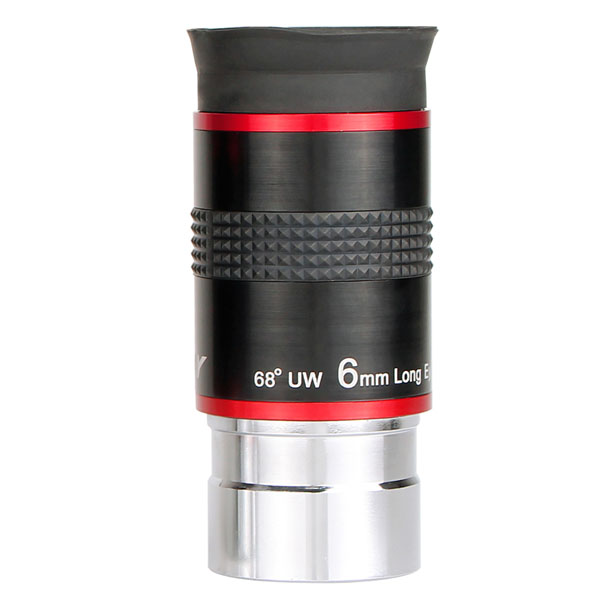
SVBony Redline 6mm Ultra Wide Angle
A 6mm with almost 15mm of eye relief, which no Plossl of this power can offer. Sharp on axis, but prone to ghosting and to blacking out if your eye drifts off centre.
A high power eyepiece. In most telescopes it lands between 80x and 340x, which is planetary and double star territory, plus the smallest planetary nebulae. It is the wrong eyepiece for anything large or faint, and on many nights the atmosphere will not support the top of that range at all.
Lowest in 90 days
Price tracked by PolarisObserved 38 timesTracking since Sep 2026
Verified 8h ago · prices tracked daily

01What it's good atWhat it's best at — and the trade-offs.
A built-in Barlow group ahead of the eye lens keeps eye relief near 15mm, where a conventional 6mm gives you six and is genuinely uncomfortable.
What it's best at — and the trade-offs.
02In your telescopeOne eyepiece. A different job in every scope.
80× in a small refractor, 339× in a long SCT
One eyepiece. A different job in every scope.
An eyepiece has no magnification of its own — the telescope decides. The same eyepiece becomes 80× and 51′ of sky in a little refractor, or 339× and a tight frame in a long SCT. Here’s what it does across common scopes.
03In plain EnglishThe numbers, in plain English.
6mm FL · 68° AFOV · 1.25"
The numbers, in plain English.
04What comes aliveThe targets this eyepiece was born for.
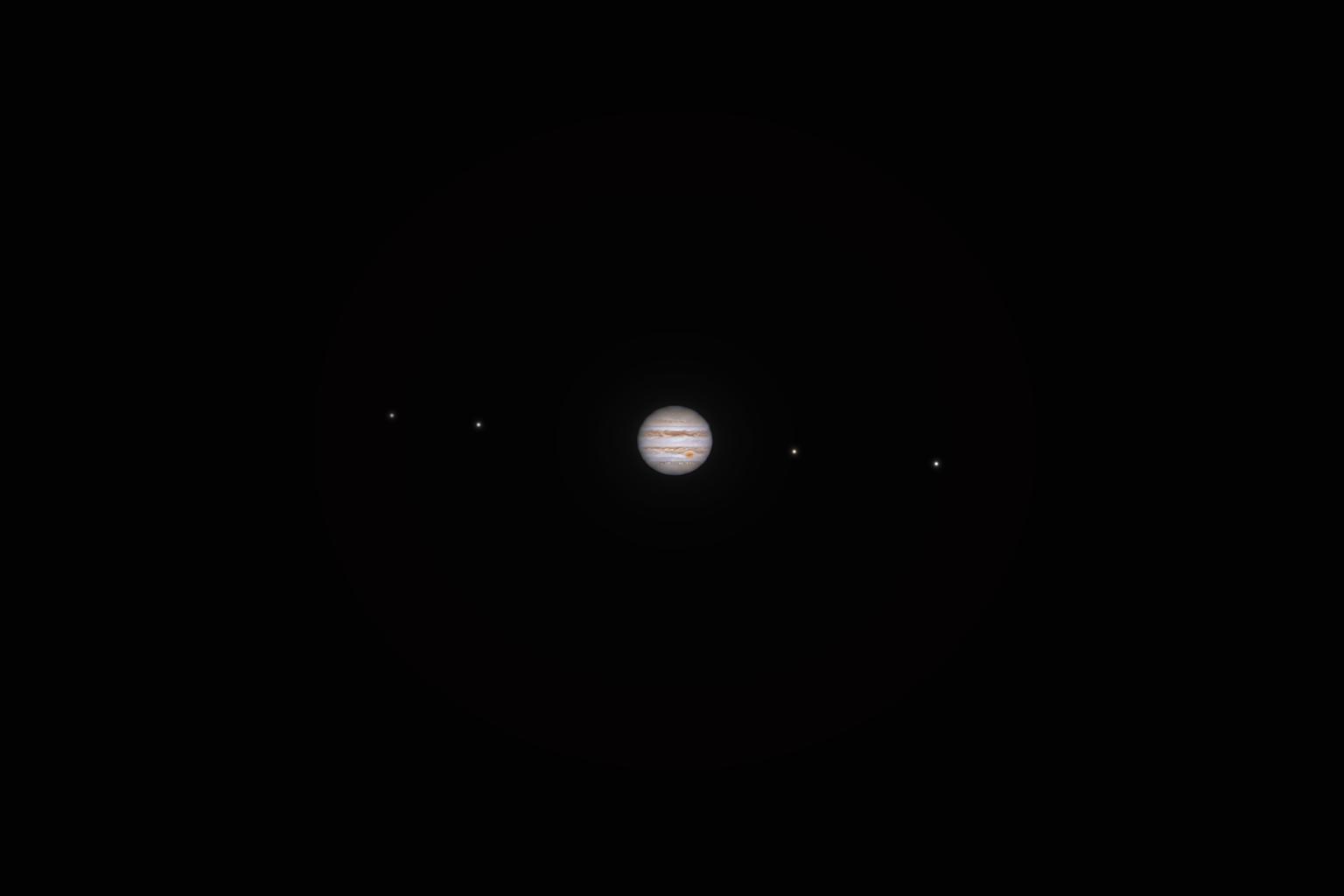
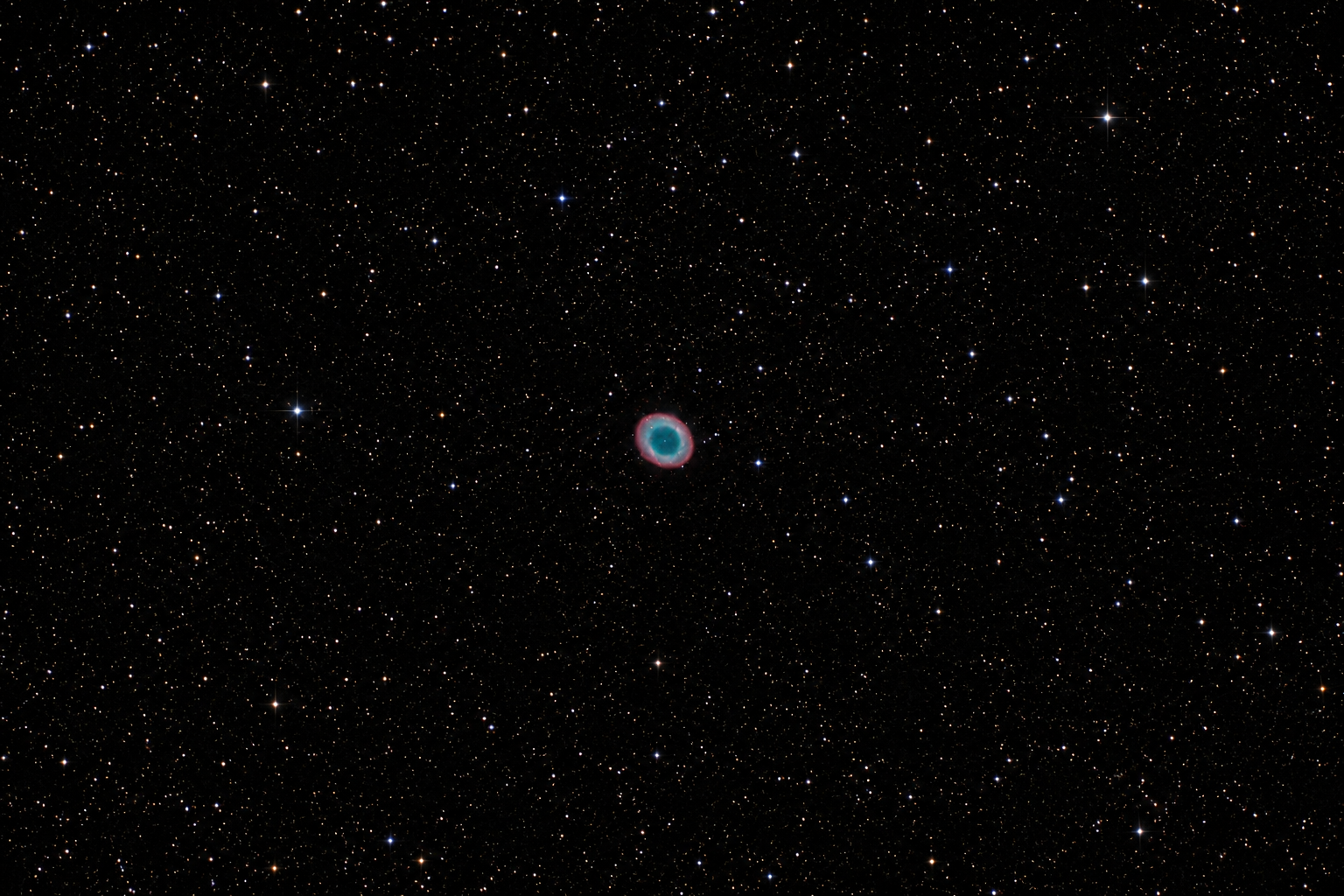
Saturn, Jupiter's cloud belts, Lunar craters at the terminator, Mars near opposition, Tight…
The targets this eyepiece was born for.



05Role in a collectionWhere it sits in your eyepiece case.
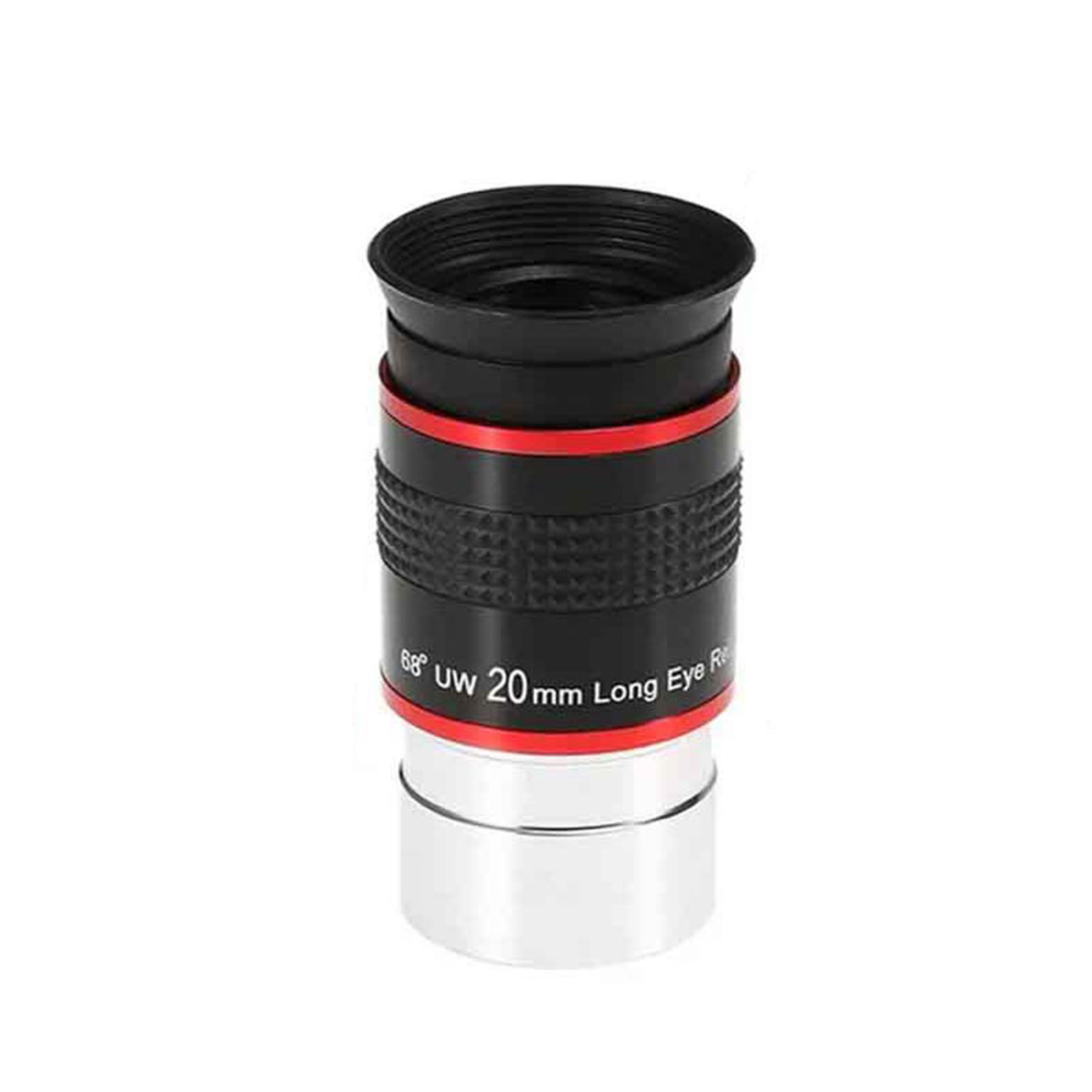
Where it sits across 3 focal lengths
Where it sits in your eyepiece case.
A good eyepiece collection isn’t a pile of glass — it’s two or three focal lengths that hand off from wide to tight. This is the anchor at the bottom of the ladder: the one you find and frame with. You buy it once, and it stays your low-power eyepiece for life.
06Build around itWhat it pairs with.
The telescope · Pair it · Filter it
What it pairs with.
07The Polaris ScoreHow it scores, and why.
72/100
How it scores, and why.
Judged against the alternative at this price, which is a 6mm Plossl with six millimetres of eye relief, this is the more usable eyepiece by a wide margin. It scores below its 9mm and 20mm siblings because the ghosting and the tight eye placement are real and are noticed on the first night, not just by pixel peepers. Good value, with conditions you should know before you buy.
Polaris weighs how well the eyepiece does the job it was designed for — optics, immersion, comfort and value — never list price or brand.
08Who it's forAn honest fit check.
Anyone who wants real planetary magnification without spending more on the eyepiece than…
An honest fit check.
09The numbersFull specifications.
7 measured and stated values
Full specifications.
The reason this eyepiece exists in a form worth buying is a small Barlow group sitting ahead of the eye lens. It lengthens the eye relief that a 6mm would otherwise not have, and it is why you can use this focal length without pushing your eyelashes into the glass. The same trick costs you something. The exit pupil is small and unforgiving, so if your eye wanders off the axis the field darkens on one side, an effect observers call kidney beaning. You learn to hold your head still, and then it is a very cheap way into high power.
10AlternativesFor a different goal, start here.
3 alternatives, each mapped to the goal it wins at
For a different goal, start here.
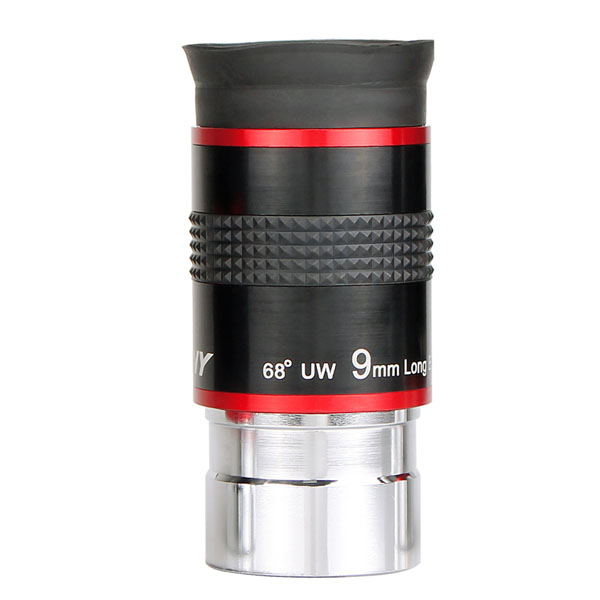
SVBony Redline 9mm Ultra Wide Angle
The strongest eyepiece in this family. With a 2x Barlow it becomes a 4.5mm, which covers this focal length and more, with better correction.
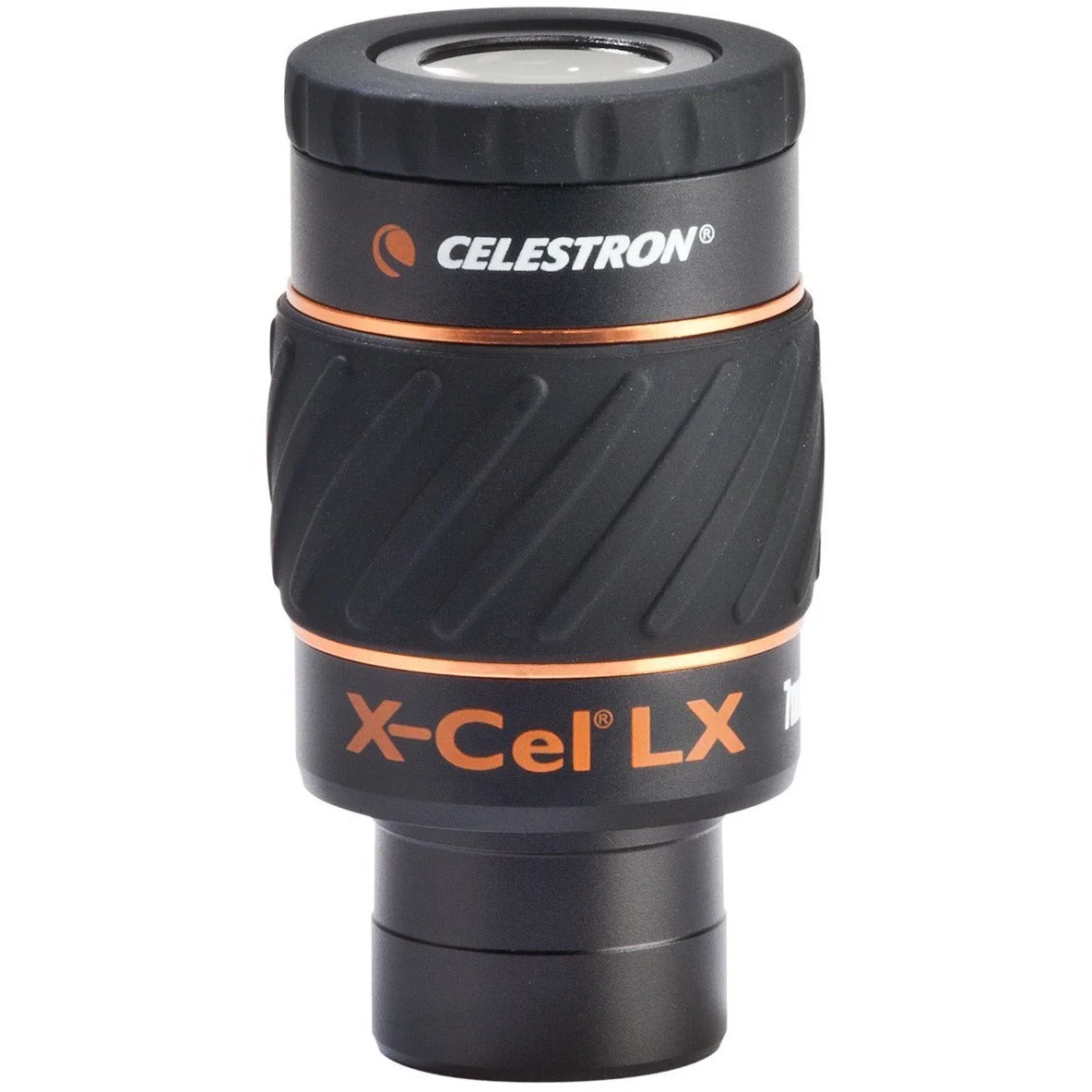
Celestron X-Cel LX 12mm
A constant 16mm of eye relief, better stray light control and no kidney beaning, at roughly triple the price.
Agena 1.25" Enhanced Wide Angle 6mm
The gold ringed badge of this exact design. Same five element count, same published eye relief, same optics. Buy whichever is cheaper.