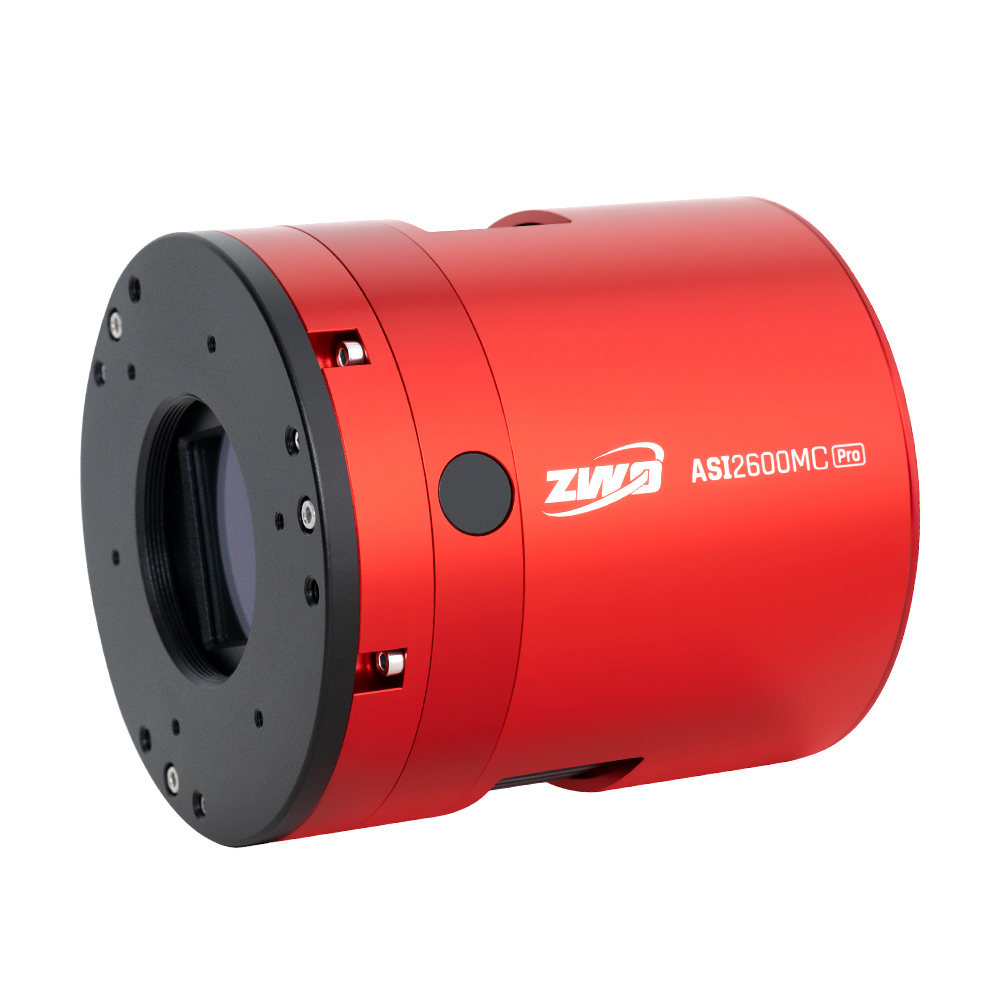
ZWO ASI294MM Pro — image 1
ZWO

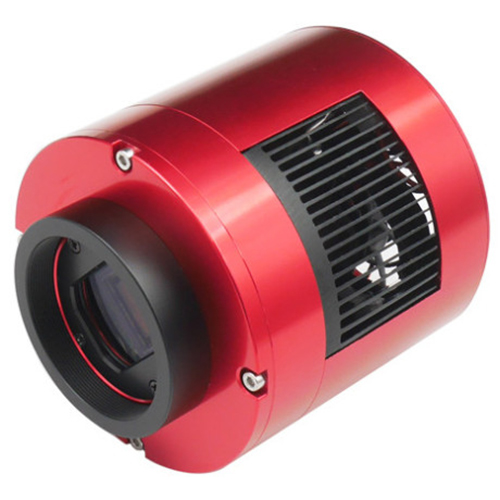
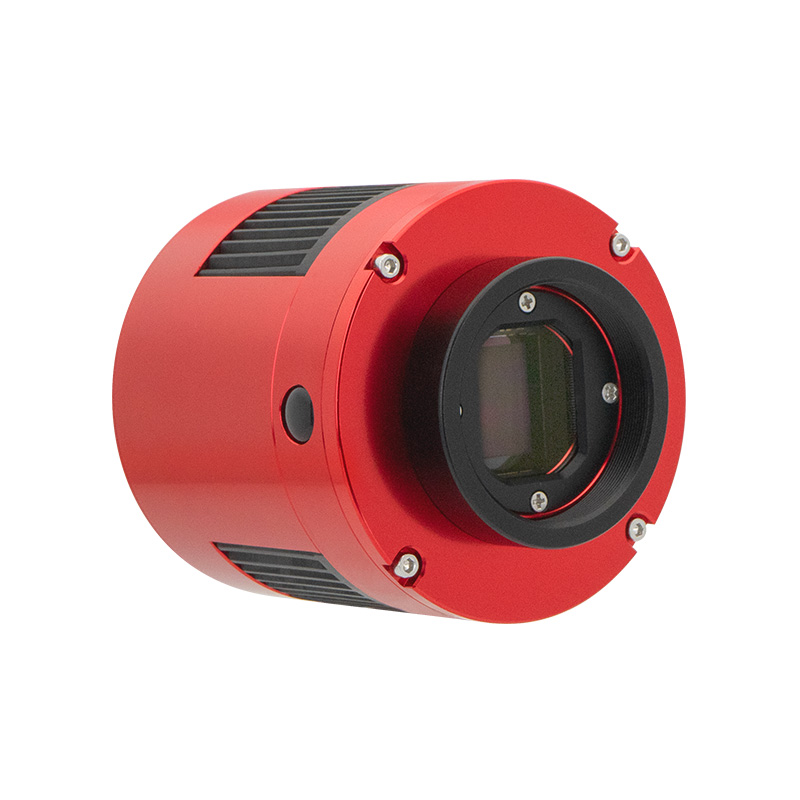
ZWO ASI294MM Pro

A versatile 4/3-inch mono camera with a clever dual mode: large sensitive pixels for faint nebulae, or a high-resolution 47-megapixel mode when you want fine detail, an accessible entry into mono imaging.

86/ 100
Polaris Score
#3 of 6 mono deep-sky cameras
See the breakdown ↓
Camera Type
PlanetaryDeep sky

A deep-sky mono camera with a flexible sensor: big pixels for sensitivity on faint targets, or a high-resolution mode for detail.

Type
Monochrome
Cooling
−35°C below ambient
Pixel Size
4.63µm
Read noise
1.2 e⁻
Resolution
11.7 MP · 4144×2822 (47 MP unlocked)
Sensor
Sony IMX492 · 4/3"
From$1,480

$148 above 90-day lowLast $1,332 in Aug 2026

Price tracked by PolarisObserved 52 timesTracking since Mar 2026

Try in simulator →
Where to buy

Verified yesterday · prices tracked daily

The frame it captures

Same camera. Different telescope. A completely different photograph.

A camera has no field of view of its own, the telescope in front of it decides everything. Pick a target and watch the same 11.7-megapixel frame become three different images.

RedCat 51
250 mm · f/4.9
FOV 4.4° × 3°
Framed with space to spare, the full disc and both companions.
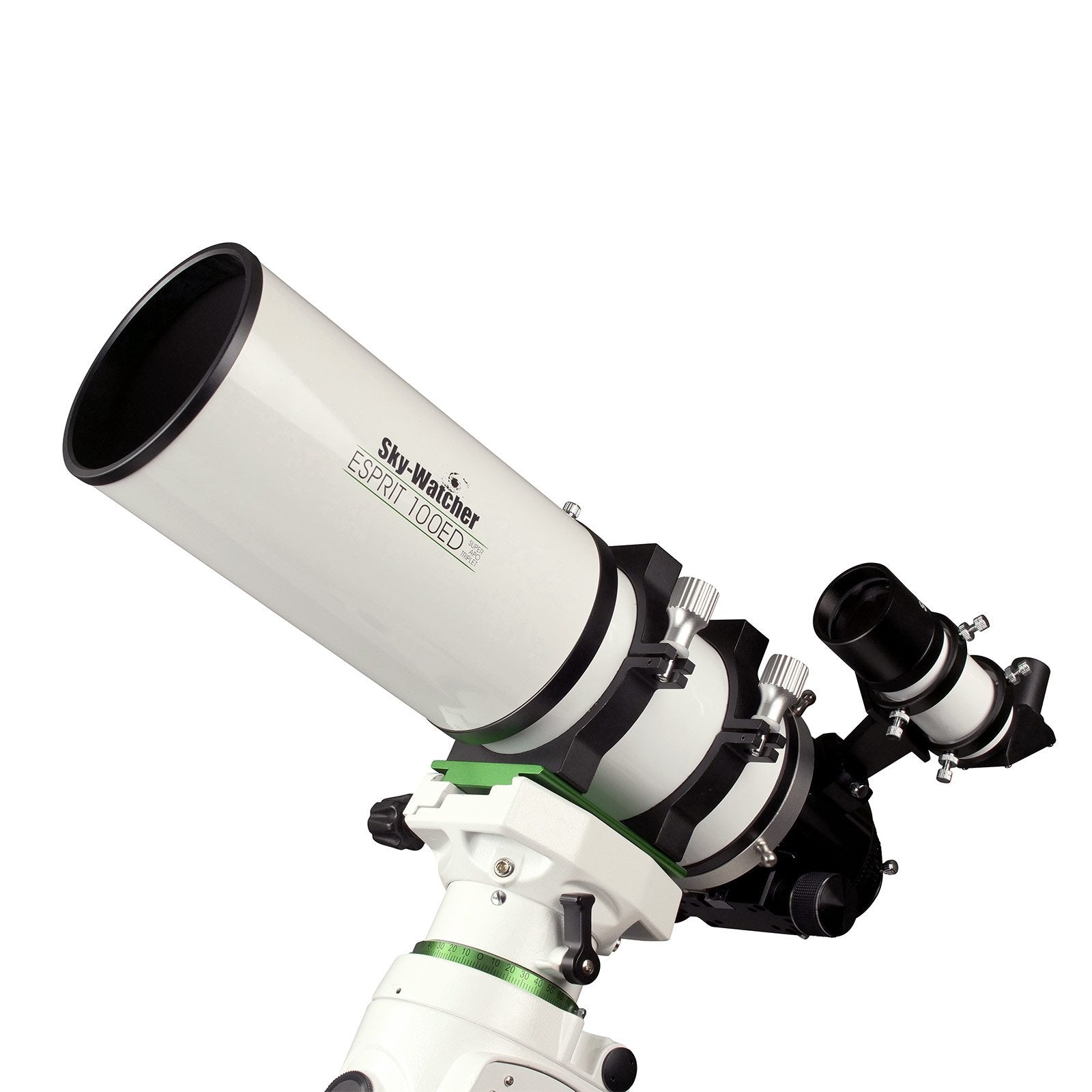
Esprit 100ED
550 mm · f/5.5
FOV 2° × 1.4°
Overflows frame
Overflows the frame, the outer arms extend past the edges.
EdgeHD 8
2032 mm · f/10
FOV 0.54° × 0.37°
Overflows frame
Only the bright core fits; the spiral arms spill off the sensor.
Explore any telescope in the Simulator →
01What it's good at

What it's best at — and the trade-offs.

Large 4.63-micron pixels give high sensitivity and a very large full well on faint nebulae
Best at
✓Large 4.63-micron pixels give high sensitivity and a very large full well on faint nebulae
✓A high-resolution 47-megapixel mode unlocks fine detail when you want it
✓Mono with narrowband filters cuts through light pollution
✓A more affordable entry into the mono workflow than an APS-C mono camera
Trade-offs
!Mono needs a filter wheel and filters to produce colour images
!The IMX492 can show some amp glow that calibrates out with darks
!The 4/3 sensor is smaller than APS-C, so the field is tighter
02In plain English

The numbers, in plain English.

Sony IMX492 · 11.7MP · 4.63µm · −35°C below ambient
Dual modeFlexible
11.7 MP or 47 MP
The sensor can combine pixels into large sensitive ones for faint deep-sky work, or run unbinned for maximum detail on bright targets. Few cameras let you change the sampling to suit the target and the seeing on the night.
Pixel sizeSwitchable
4.63 µm binned, 2.31 µm native
The larger binned pixels gather four times the light each, which is what makes this camera productive under imperfect skies. The native mode suits short exposures on bright objects when the seeing is genuinely good.
Full wellVery large
63,700 e⁻
Full well is how much signal a pixel holds before it saturates and detail is lost. A large well protects bright star cores and galaxy centres from blowing out while you expose long enough for the faint outskirts.
Sensor typeMono
Monochrome
Without a colour filter array, every pixel receives all the light that reaches it, so resolution and sensitivity both improve. Colour comes from separate filtered exposures, which is more work and more gear for a better result.
CoolingDeep
Regulated TEC, 35 C below ambient
Deep regulated cooling suppresses thermal noise during the long exposures narrowband imaging needs, and keeps the sensor temperature repeatable so calibration frames stay reusable.
03Typical targets

What it shines on.

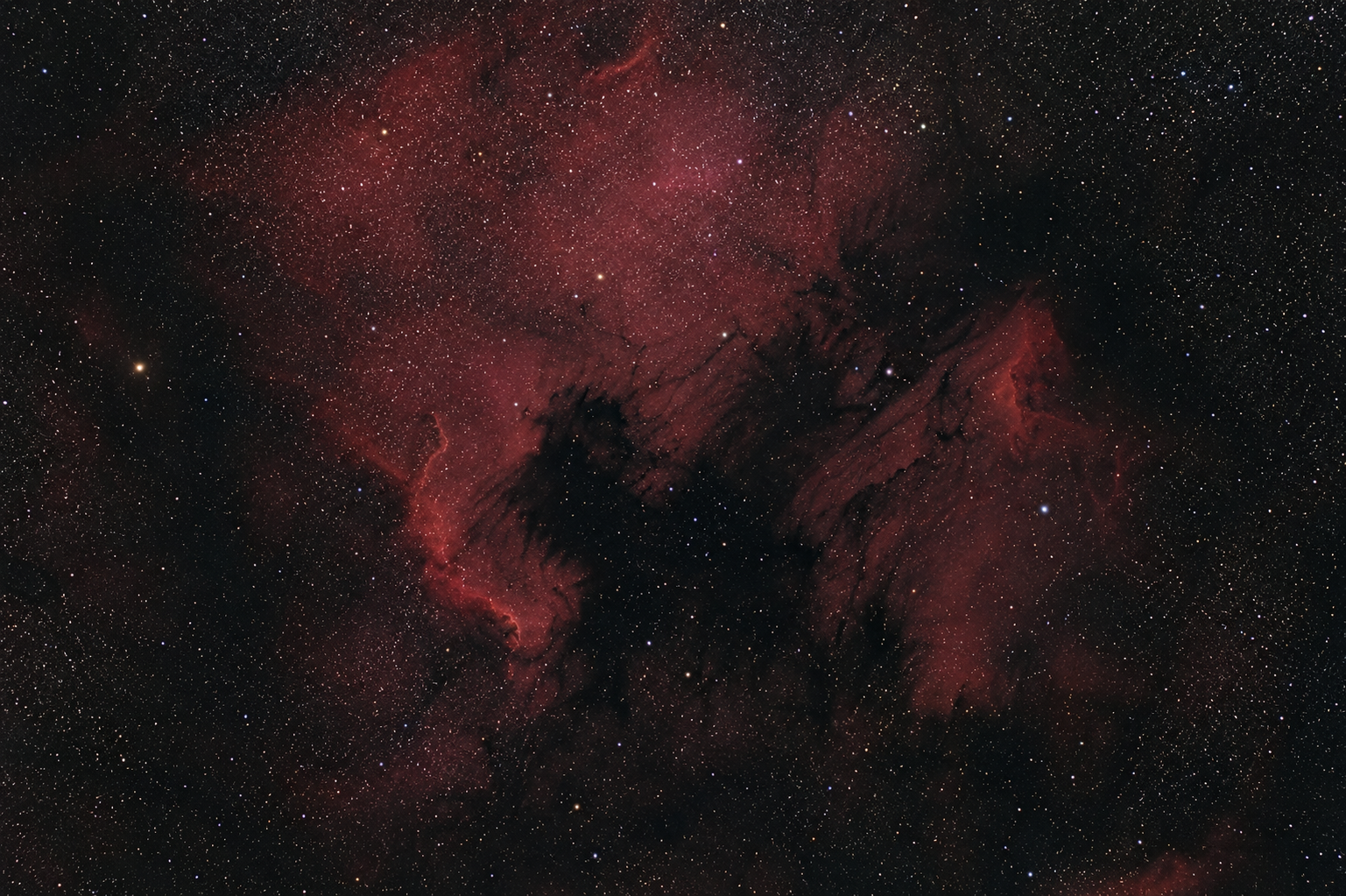
The North America Nebula, The Pinwheel Galaxy (M101), The Crescent Nebula
The North America NebulaComes alive
The North America Nebula
Big sensitive pixels and narrowband render the emission structure fast.
Excellent
The Pinwheel Galaxy (M101)
The high-resolution mode resolves the spiral arms and knots.
Excellent
The Crescent Nebula
OIII and Ha filters separate the shell against the surrounding field.
04Build your imaging rig

Everything you'd actually buy.

Capture · Colour · Track
Colour
How mono makes colour
A filter wheel + LRGB and narrowband filters
Required for mono, colour comes from separate filtered exposures.
Track
What holds it steady
A tracking equatorial mount with guiding
Multi-filter sessions need accurate, guided tracking.
05The Polaris Score

How it scores, and why.

86/100 · #3 of 6 mono deep-sky cameras
86/ 100
ZWO ASI294MM Pro
#3 of 6 mono deep-sky cameras

A flexible, sensitive mono sensor at a friendlier price than APS-C mono. The dual-mode sensor and mono workflow reward a patient imager.

Image quality
88
Low-light sensitivity
90
Ease of use
74
Value
86

Polaris weighs how well the camera does the job it was designed for — image quality, sensitivity, versatility and value — never list price or brand.

06Who it's for

An honest fit check.

Imagers ready to learn the mono, filter-based workflow affordably
Buy it if you
✓Imagers ready to learn the mono, filter-based workflow affordably
✓People chasing faint narrowband nebulae that reward big, sensitive pixels
✓Imagers who value flexibility between sensitivity and resolution
Look elsewhere if you
!Beginners who want the simplest path to a finished image
!Imagers who need the largest APS-C or full-frame field
!Anyone unwilling to add a filter wheel and filters
07The numbers

Full specifications.

18 measured and stated values
Sensor
ModelSony IMX492
TypeCMOS · 4/3" (mono)
Megapixels11.7
Pixel Size4.63µm
Bit depth14-bit ADC
Noise & sensitivity
Read noise1.2 e⁻
Full well63,700 e⁻
Peak QE~90%
Dynamic range14 stops
Cooling
Cooling−35°C below ambient
Connectivity & fit
InterfaceUSB 3.0
Weight0.41 kg
More
cooledtrue
Sensor Height13.0mm
Sensor Width19.1mm
Editor’s Take

The IMX492 has an unusual trick: in its native mode the pixels bin to 4.63 microns for high sensitivity and a huge full well, and it also unlocks a 47-megapixel high-resolution mode. That flexibility, plus a lower price than APS-C mono, makes it a common first mono camera.
— The Skynocular verdict