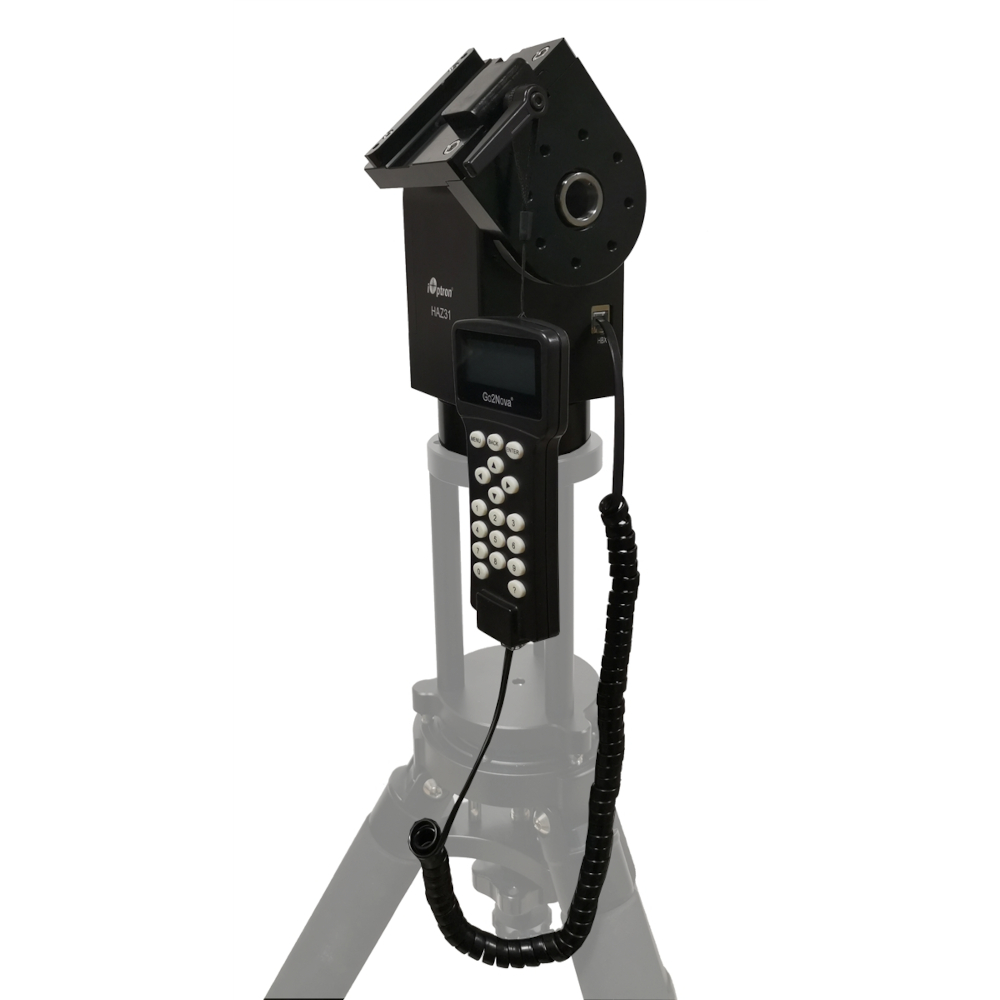
iOptron HAZ31 Alt-Azimuth Strain Wave Mount with Hand Controller
Strain-wave gearing applied to an alt-azimuth mount: 31 lb of capacity from an 8 lb head with no counterweight at all. The most telescope you can put on the least mount, provided you are looking rather than photographing.
Lowest in 90 daysLowest ever tracked
Price tracked by PolarisObserved 21 timesTracking since Mar 2026
01What it's good atWhat it's best at — and the trade-offs.
Carries 14.1 kg from a 3.7 kg head with no counterweight, which no conventional design comes close to
What it's best at — and the trade-offs.
02In plain EnglishThe numbers, in plain English.
14.1kg payload
The numbers, in plain English.
03The Polaris ScoreHow it scores, and why.
83/100
How it scores, and why.
Outstanding on payload per kilogram and on setup speed, which is what an alt-azimuth GoTo mount is bought for. Performance is scored for visual use; as an imaging platform it is deliberately not rated highly because the geometry rules it out.
Polaris weighs tracking and payload capability, how easy the mount is to live with, how portable it is, and how far it takes you before you outgrow it — not list price or brand.
04Who it's forAn honest fit check.
Visual observers with a large SCT, Maksutov or refractor who want GoTo without…
An honest fit check.
05The numbersFull specifications.
7 measured and stated values
Full specifications.
There is a quiet assumption in this hobby that a serious mount is a heavy mount, and that assumption comes from equatorial design rather than from physics. Take away the counterweight and the polar axis and you can hold a 9 inch SCT steady with eight pounds of metal. If you never intend to photograph, that is a remarkable amount of freedom to buy.
06PairingsPairs well with.
3 scopes we would actually put on this mount
Pairs well with.
The scopes we’d actually put on this mount — chosen for payload, balance and intended use. Comfortable means room to spare; near the limit still works, with care.
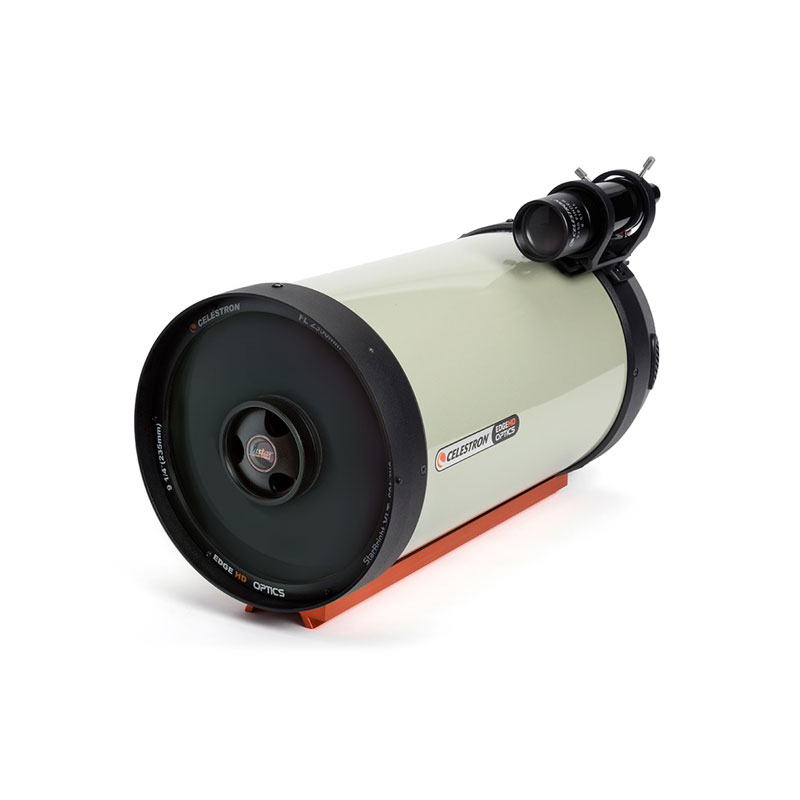
A 9.5 kg SCT on an 8 lb head with no counterweight. This is the pairing that explains why an alt-azimuth strain wave mount exists.
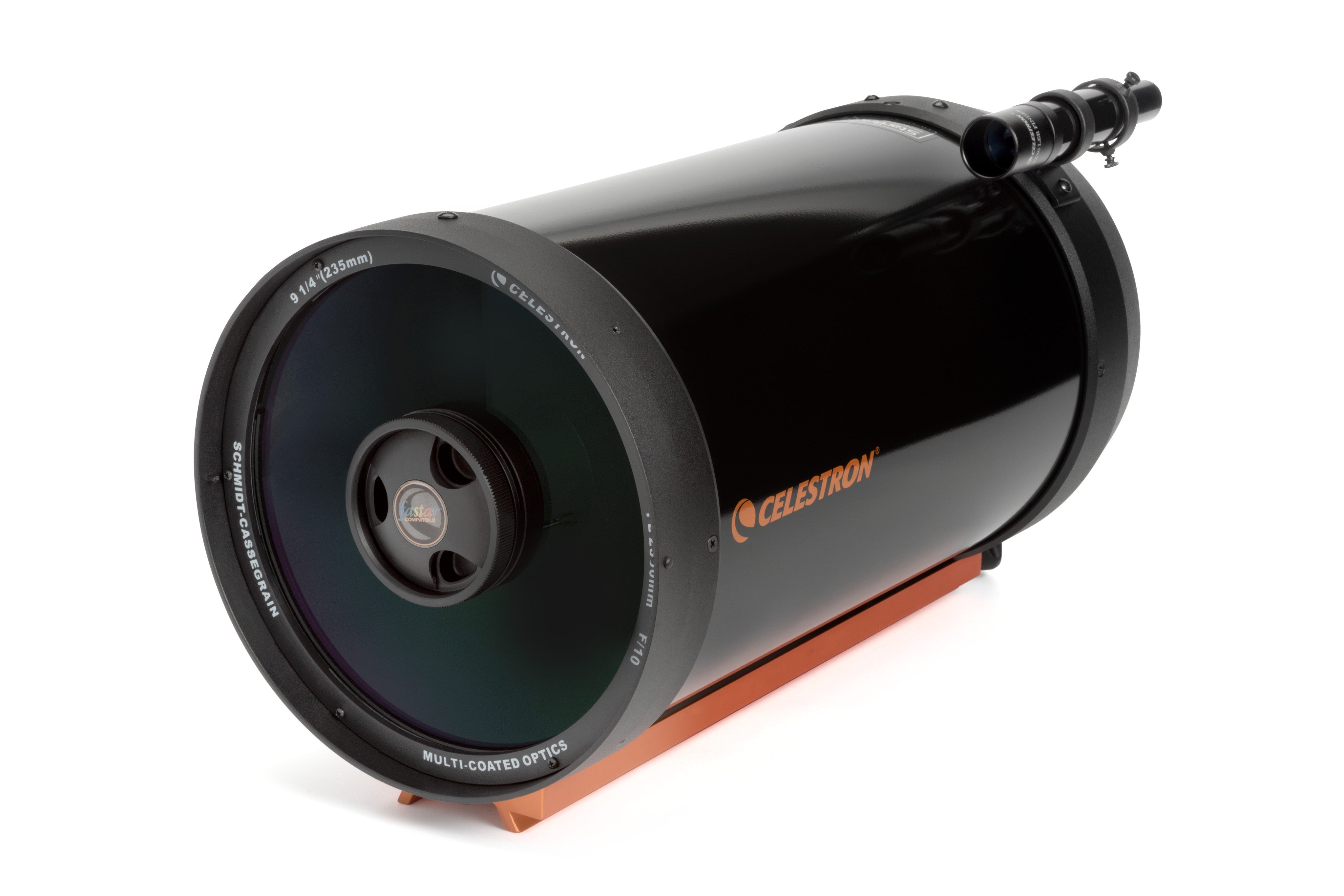
Nine and a half kilograms held comfortably, set up in a minute. Visually superb, and field rotation still rules out long exposures.
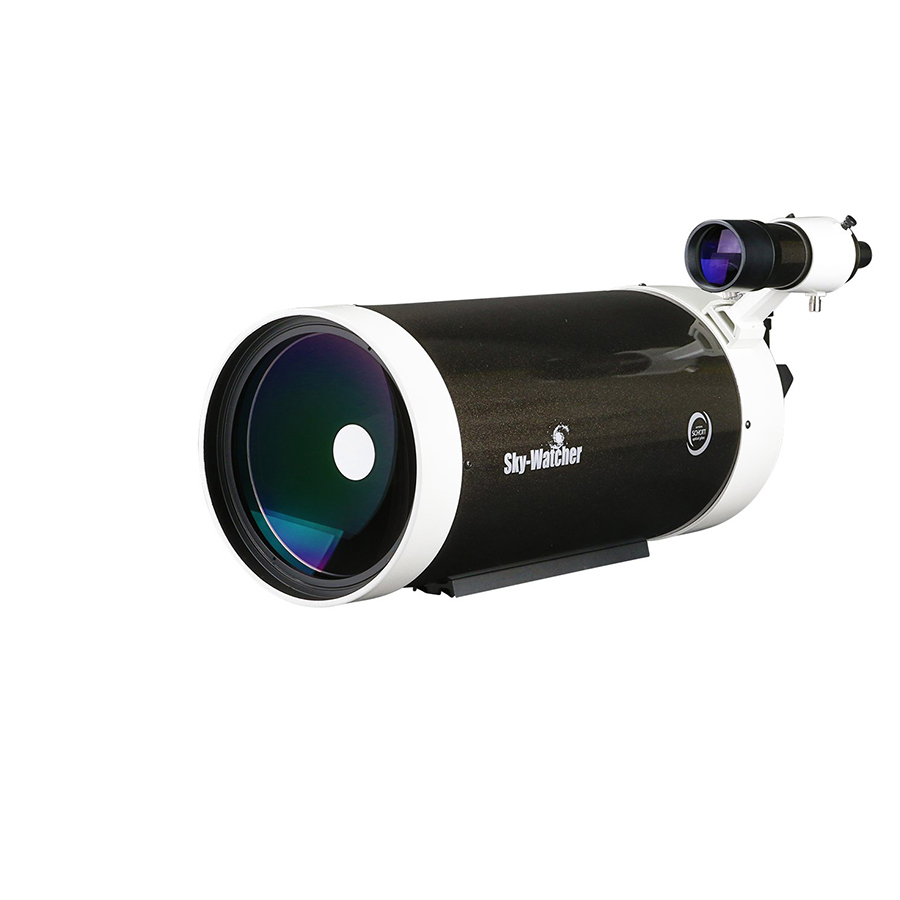
An 8.5 kg Maksutov is a heavy tube for its aperture, and this carries it without a counterweight in sight.
Harmonic mounts hold value well and this design has no obvious successor. As a visual mount it is likely to outlast several telescopes.