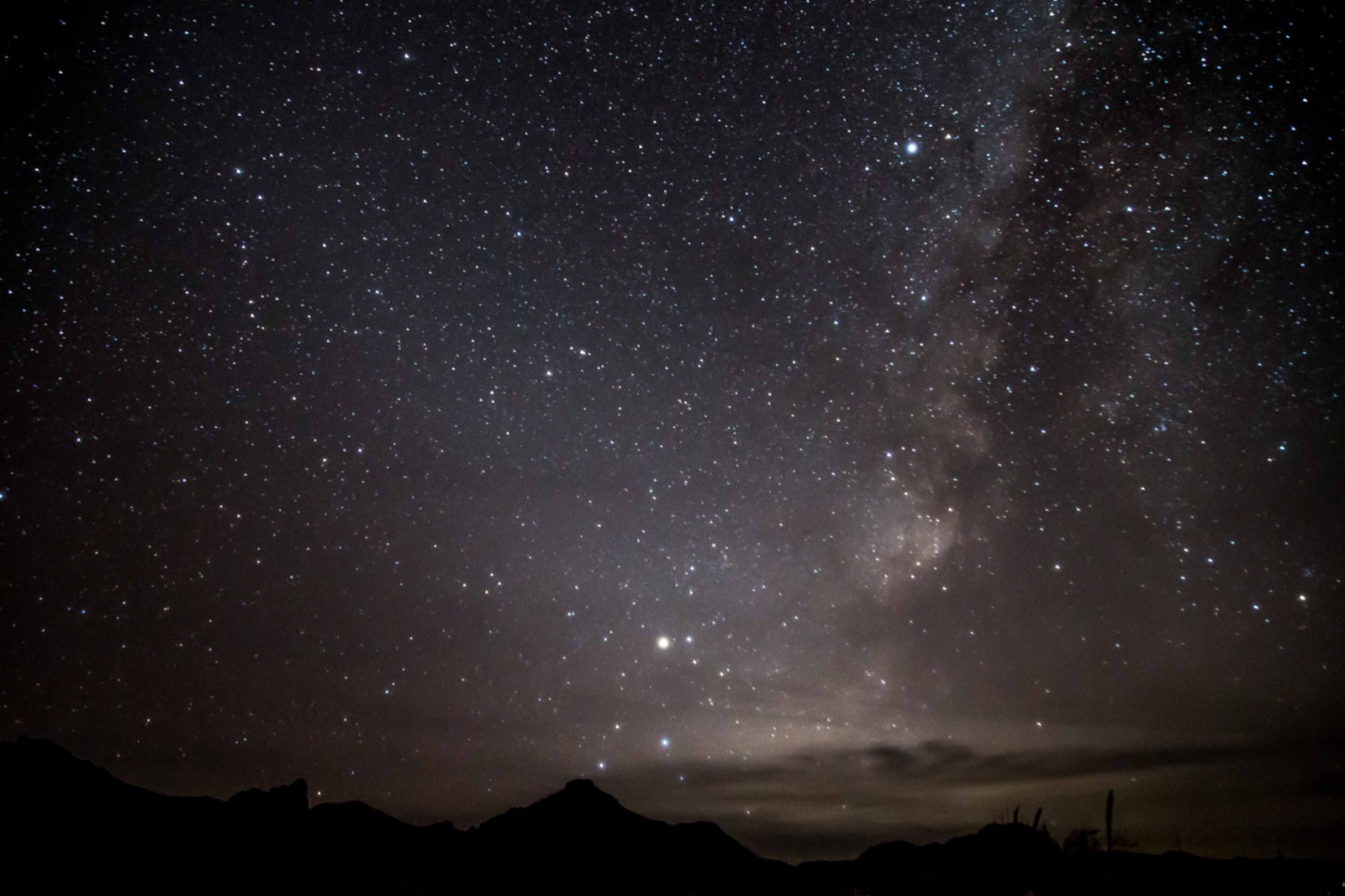
The darkest measured sky in the lower 48, and almost nobody is there.
Big Bend National Park
The darkest measured sky in the lower 48.
NPS Photo · Public domain
You do not come to Big Bend to see more. You come because there is nothing else out here — no glow on any horizon, in any direction, for hundreds of miles.
Big Bend has the least light pollution of any national park unit in the continental United States. It is also eight hundred thousand acres of Chihuahuan desert with a population of essentially zero in every direction, including across the border. The Milky Way here does not appear — it dominates.
The remoteness that makes the sky this good is the same remoteness that makes getting here a genuine expedition. That trade is the entire point.
Quick facts
The targets that make the trip.
Not the internet’s greatest hits — the objects that justify the drive. The ones that look wrong, in the best possible way, the first time you see them this dark.
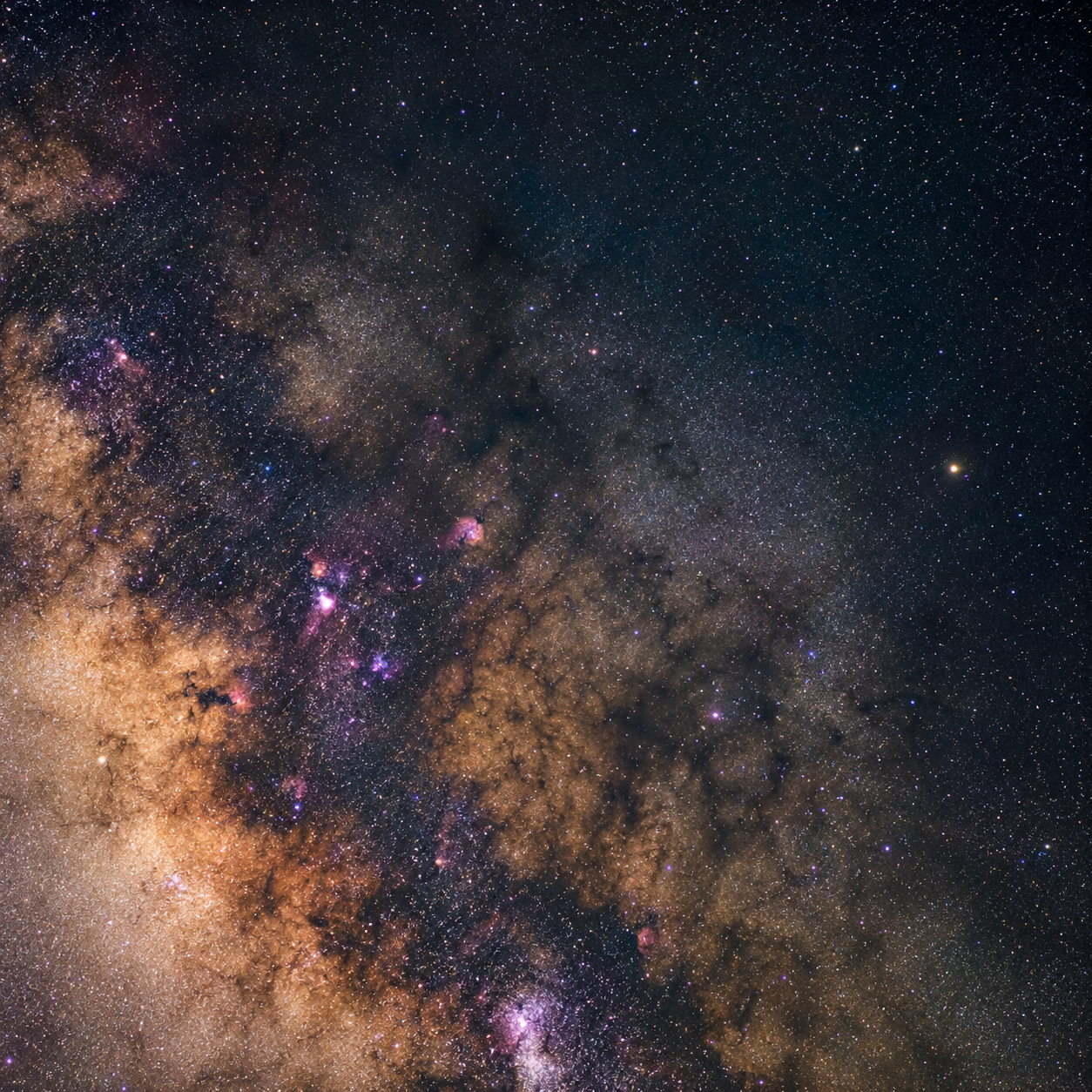
Sagittarius Star Cloud
M24 is not a cluster — it is a gap in the intervening dust that lets you see straight through to the next spiral arm. Two degrees wide, packed with stars, and at Big Bend's latitude it sits high enough to actually deliver.
Open target →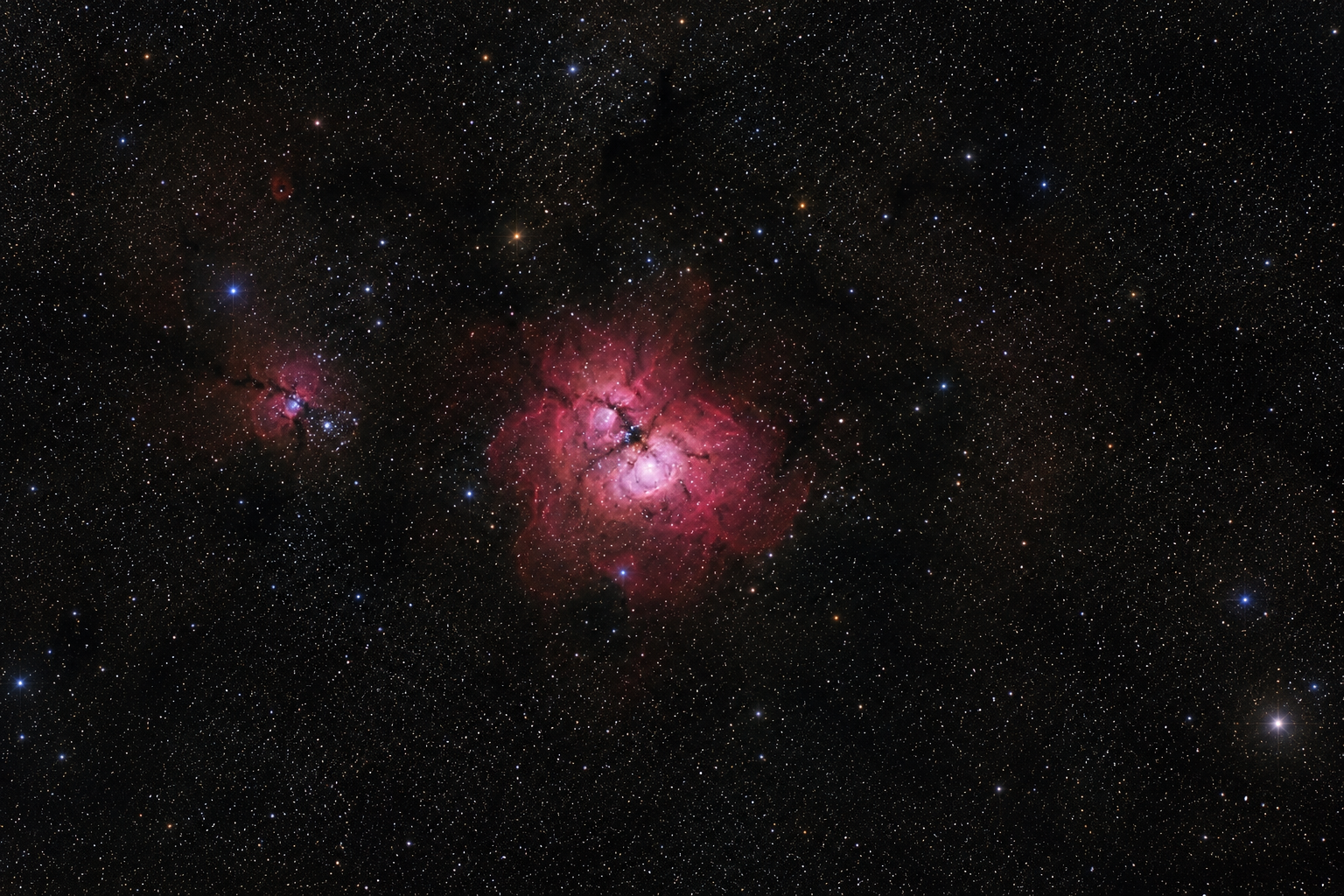
Lagoon Nebula
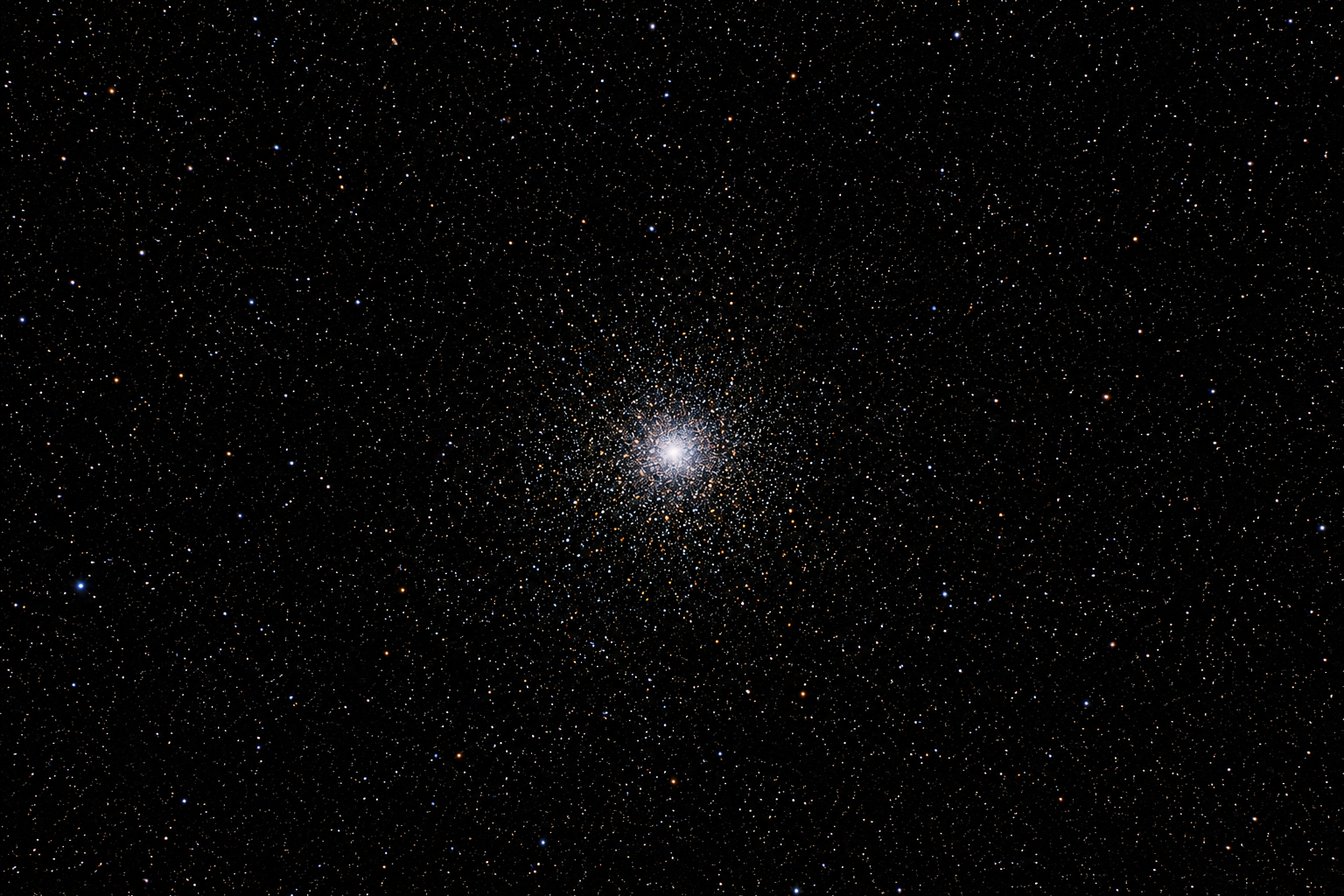
Hercules Cluster
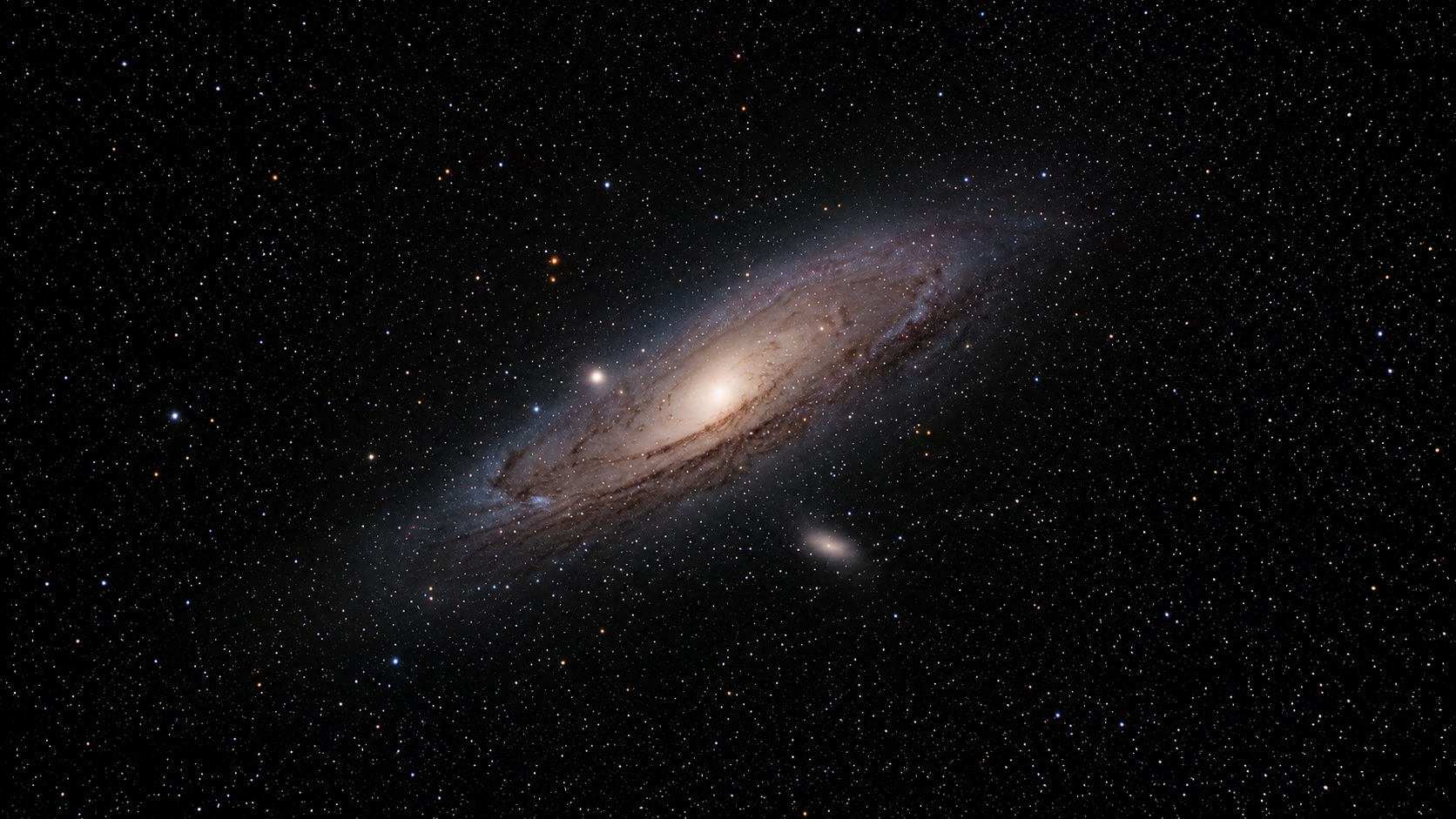
Andromeda Galaxy
Everything that makes this trip difficult — the distance, the absent services, the dead phone — is the same thing that keeps the sky this good.— The Skynocular field notes
Gear that earns the drive.
A dark site rewards aperture and wide, true fields — not gadgets. This is what we’d actually load in the car.
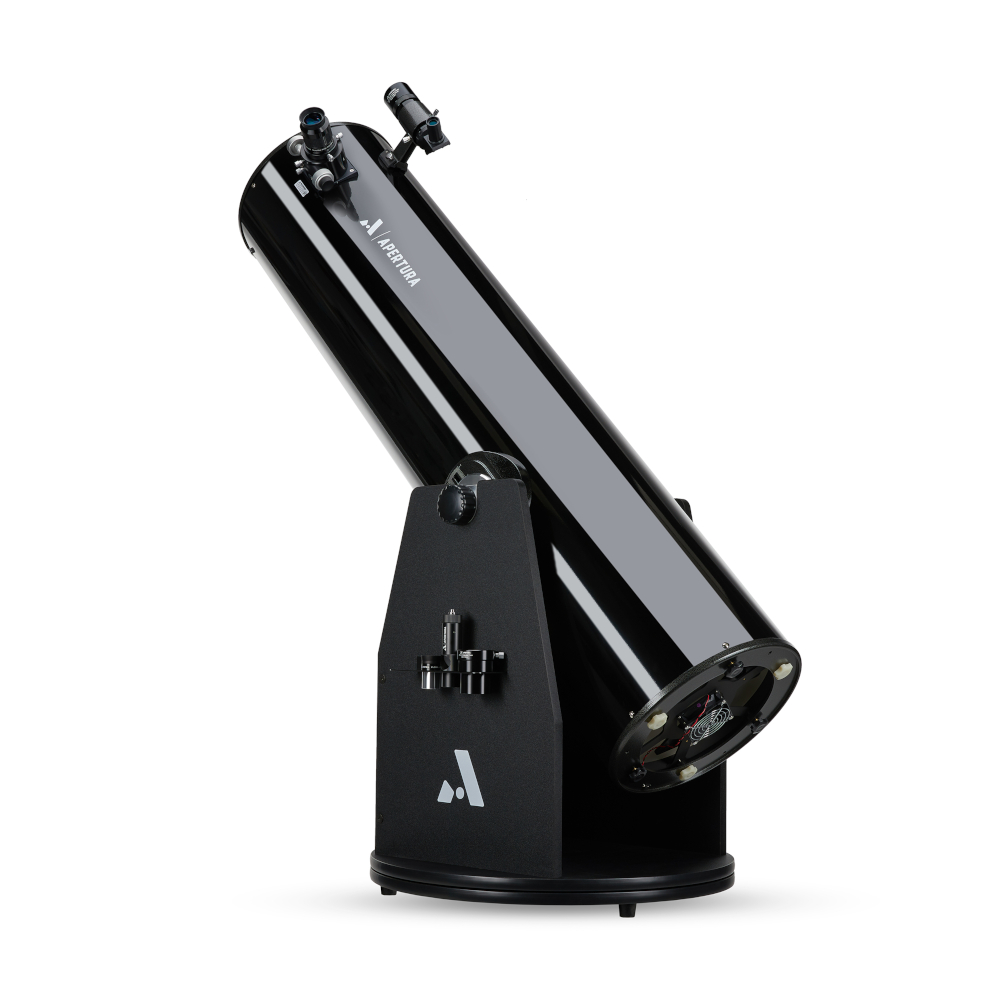
Apertura AD12 Dobsonian 12" Telescope with Accessories
If you are going to drive this far, bring aperture. Twelve inches under a Bortle 1 sky is the closest most people will come to a research view — and Big Bend is one of the few places where the sky, not the telescope, would otherwise be the bottleneck.
Score
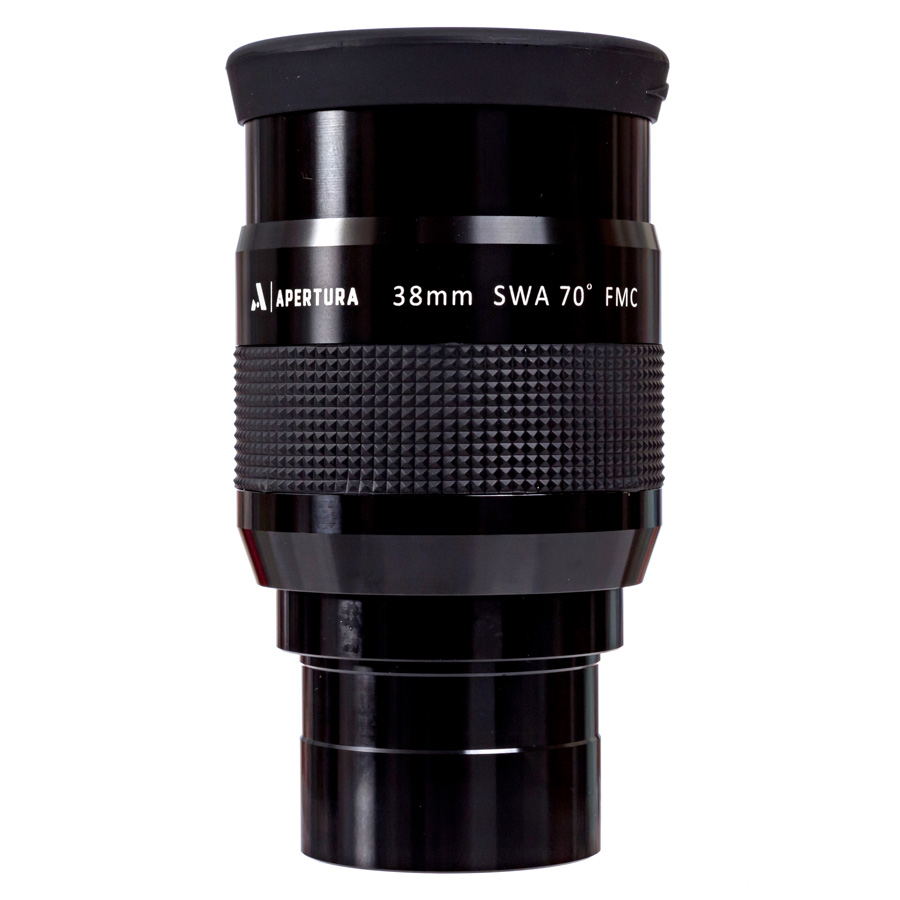
Apertura Super Wide Angle 38mm
The Sagittarius region and M24 need true field, not magnification. A 38mm in a 2-inch barrel gives you the widest honest field a big Dob can deliver.
Score
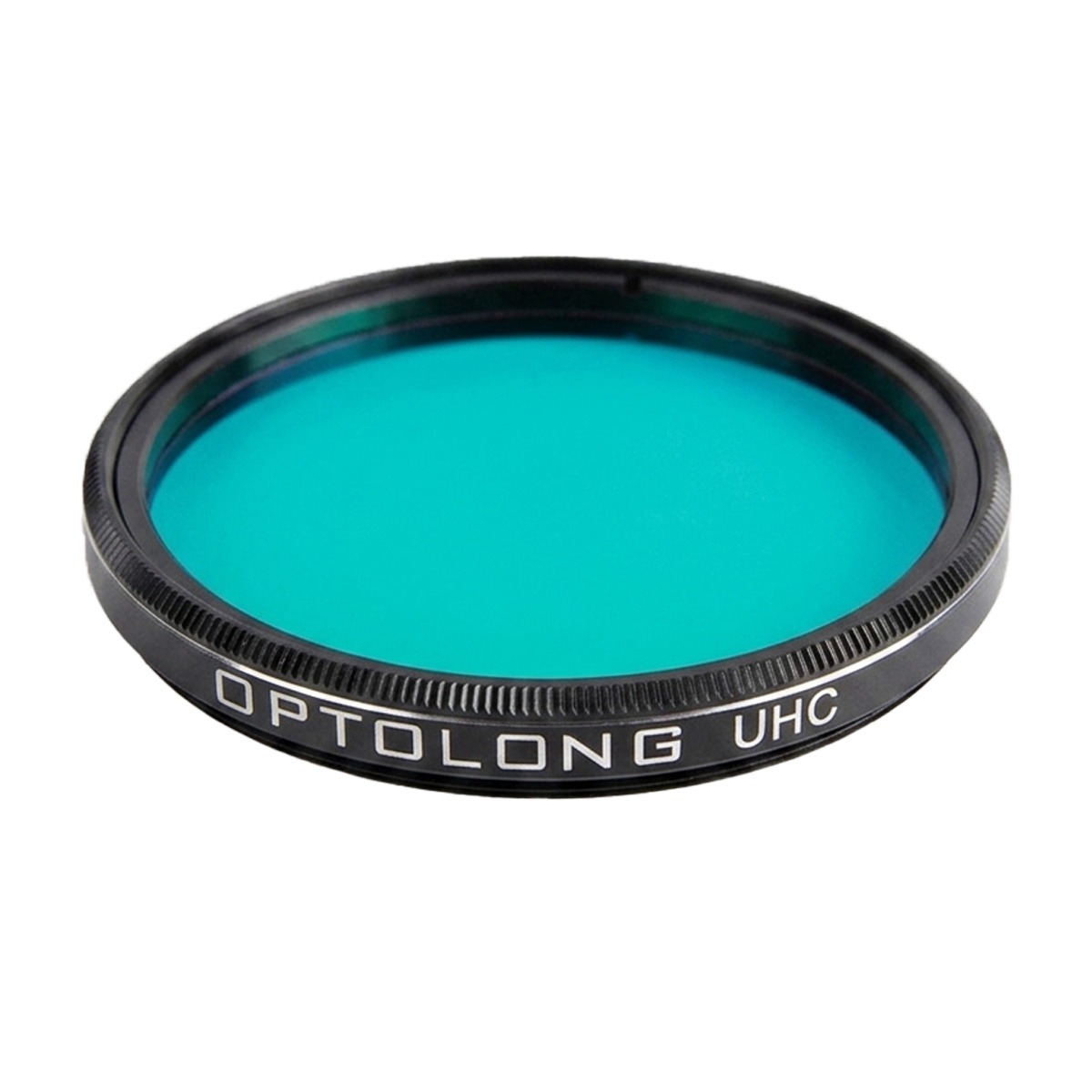
Optolong UHC Filter 2″
The southern Milky Way is dense with emission nebulae that most northern observers have never properly seen. A UHC is what separates them from the star field.
Score
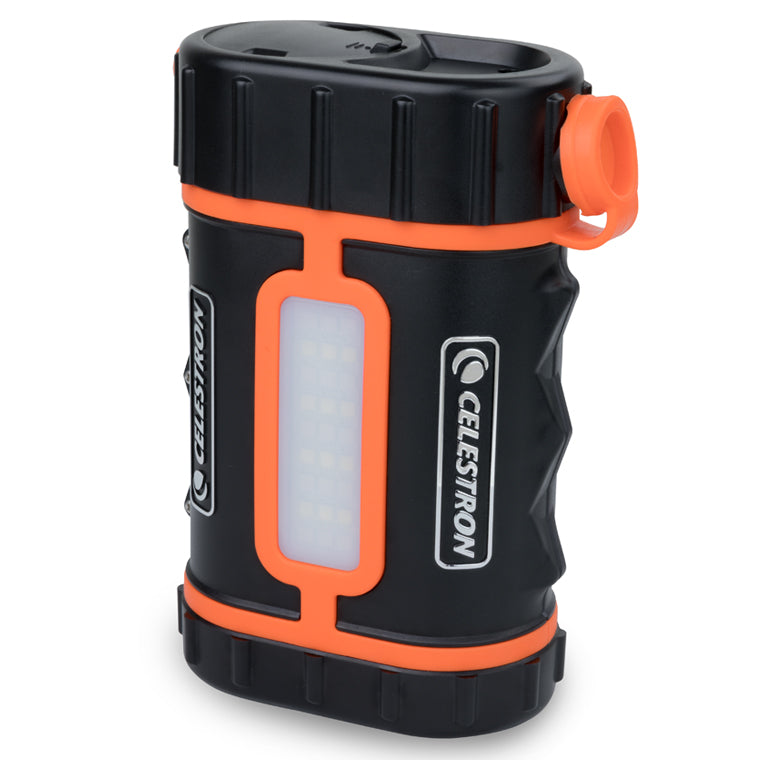
Celestron PowerTank Lithium
There is nothing out here. If anything in your setup needs power — dew heater, GoTo, a laptop — it needs to arrive with you, charged.
Score
// Reader-funded through affiliate links · no brand pays for placement here
Conditions and getting there.
Weather
Desert-dry with a high proportion of clear nights — the opposite problem from the eastern sites. Winter is the season: summer brings heat that does not break until well after midnight, and monsoon cloud from July onward.
Typical conditions
Exceptional transparency, and at 29° north the southern sky opens up objects the rest of the country never gets above the murk. Winter nights get genuinely cold in the desert; the temperature swing from afternoon to 3am can exceed 40°F.
Timing the moon
Given what it costs to get here, plan the entire trip around new moon. This is not a place you casually retry next weekend.
Getting there
The nearest town of any size is Alpine, roughly 100 miles from the park center, and the nearest airport is farther still. Fuel inside the park is limited and expensive. Carry water, carry a spare, and tell someone your plan — cell coverage is functionally nonexistent across most of the park.
The next questions.
Why Do Observers Chase Dark Skies Instead of More Aperture?
The least intuitive truth in the hobby: the sky itself is a piece of equipment, and it is usually the one that matters most.
Read the guide →Why Does Aperture Matter More Than Magnification?
The number printed largest on cheap telescope boxes is the one that matters least. Here is what actually decides what a telescope can show.
Read the guide →Why Does a Dobsonian Exist?
The telescope a monk designed to hand ordinary people the universe, and why it still humbles scopes many times its price.
Read the guide →More of the astronomy graph nearby.
We’re mapping observatories, clubs, star parties and visitor centers near each place — so a trip here connects to the wider community.
See this sky before you drive.
Load Hercules Cluster into the simulator with the gear we’d bring here — and know exactly what this sky will put in your eyepiece.
Explore this sky →