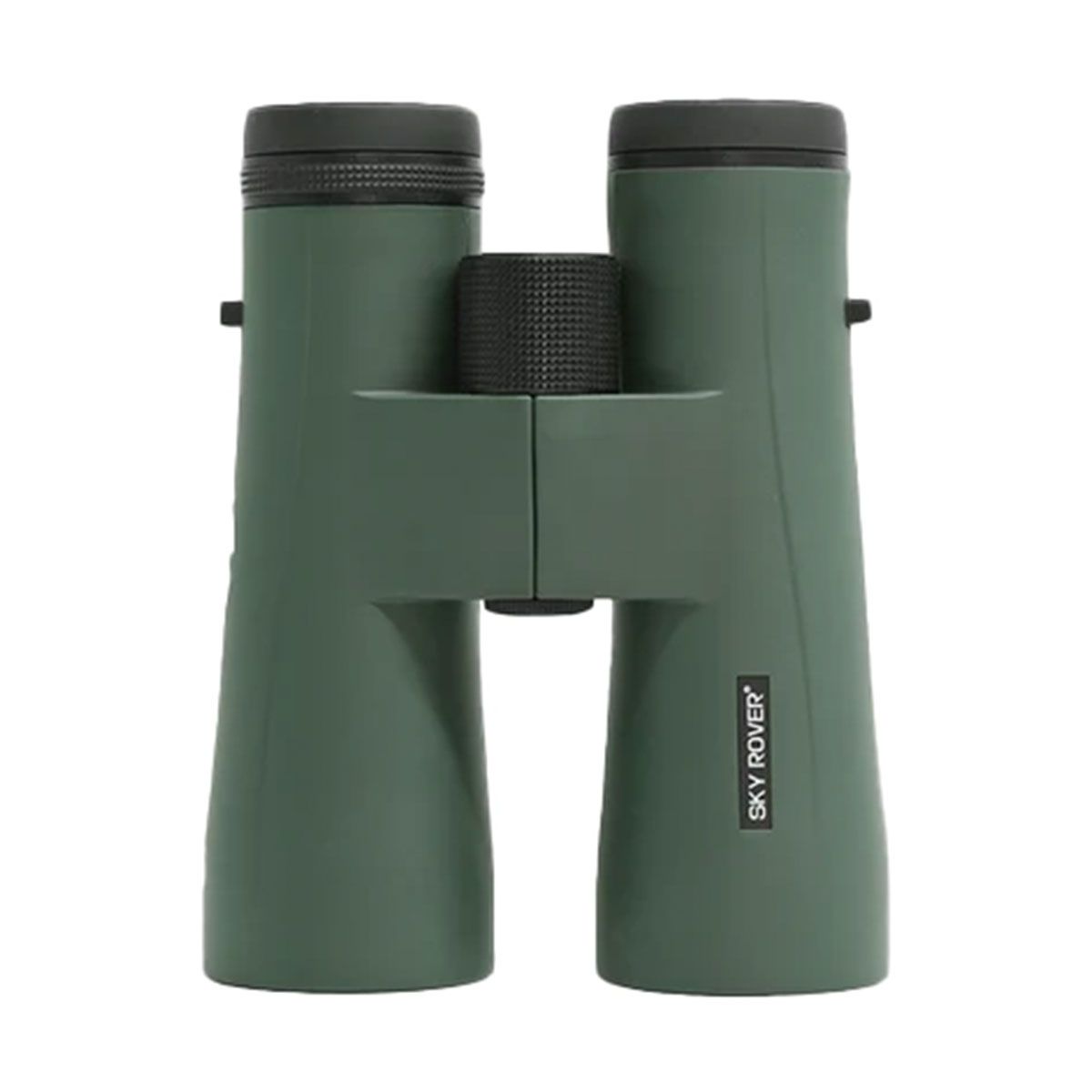
Sky Rover 10x50 APO Banner Cloud Binoculars
A 10x50 built to the standard of a birding binocular and pointed at the night sky: ED glass, a flat 7.5 degree field, and enough eye relief to keep your glasses on.
How it actually worksWhat the setup looks like.
Binoculars look like they need no setup, which is exactly why most people never see what a good pair can do. Three adjustments, once, and then only the focus wheel moves.
What the setup looks like.
Binoculars look like they need no setup, which is exactly why most people never see what a good pair can do. Three adjustments, once, and then only the focus wheel moves.
For an extended session, the tripod thread under the front hinge takes a standard binocular L-adapter. An hour of overhead sweeping is a neck problem long before it is an optics problem.
01Will it fit my setupCompatibility.
What this accessory works with — check the fit before you check the price.
Compatibility.
What this accessory works with — check the fit before you check the price.
02The numbersWhat These Numbers Mean
5 numbers in plain English · full specifications
What These Numbers Mean
5 numbers in plain English · full specifications
03Before you buyGood to know.
The honest caveats — the things that save you a return, a bad first night, or a second purchase you didn't need.
Good to know.
The honest caveats — the things that save you a return, a bad first night, or a second purchase you didn't need.
Most astronomy gear is bought for the nights you imagine and used on the nights you get. A binocular is the opposite: it asks nothing of you, so it comes outside on the marginal evenings when the telescope stays in. This one is expensive enough to think about and good enough that you will stop thinking about glass afterward.
A 10x50 built to the standard of a birding binocular and pointed at the night sky: ED glass, a flat 7.5 degree field, and enough eye relief to keep your glasses on.