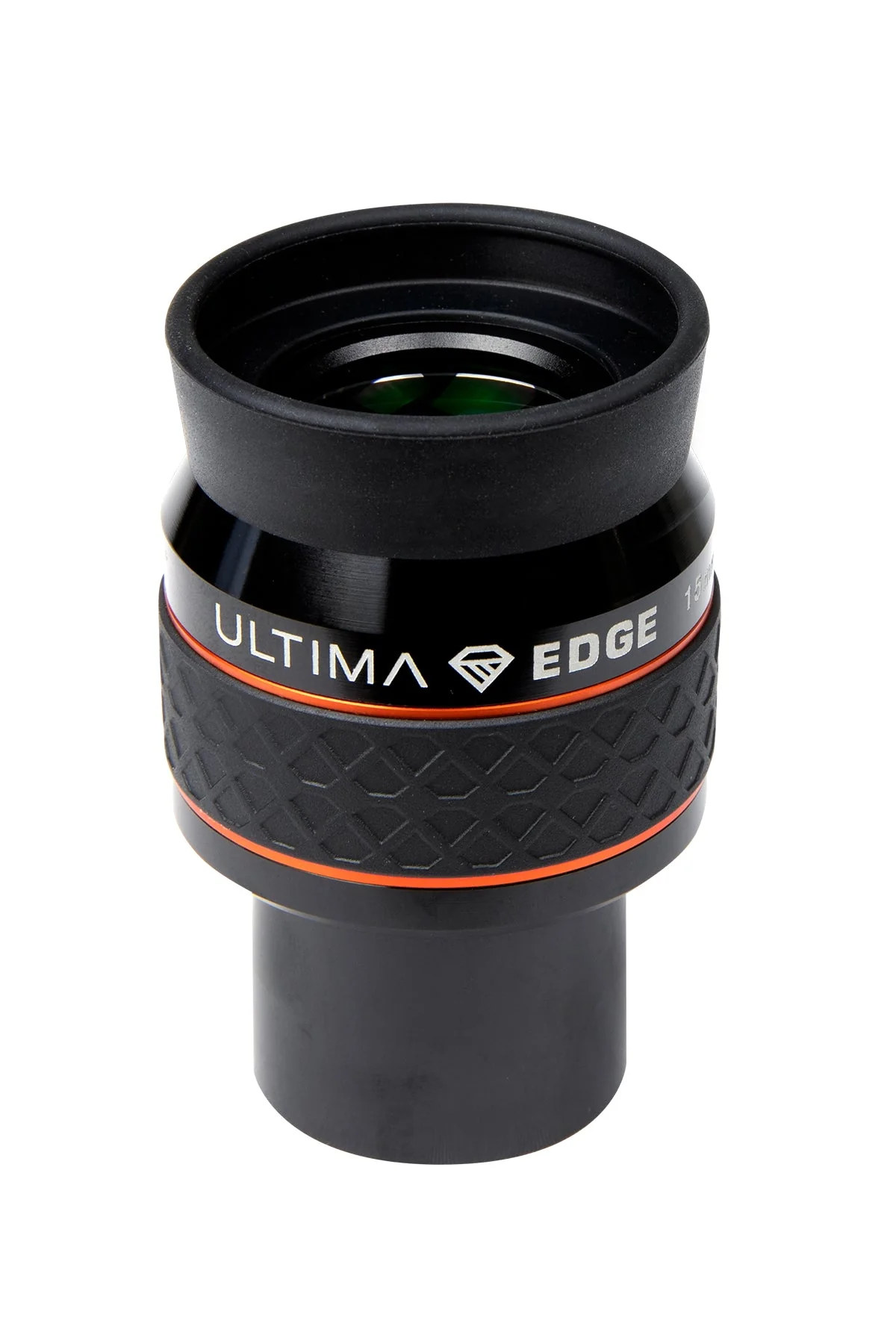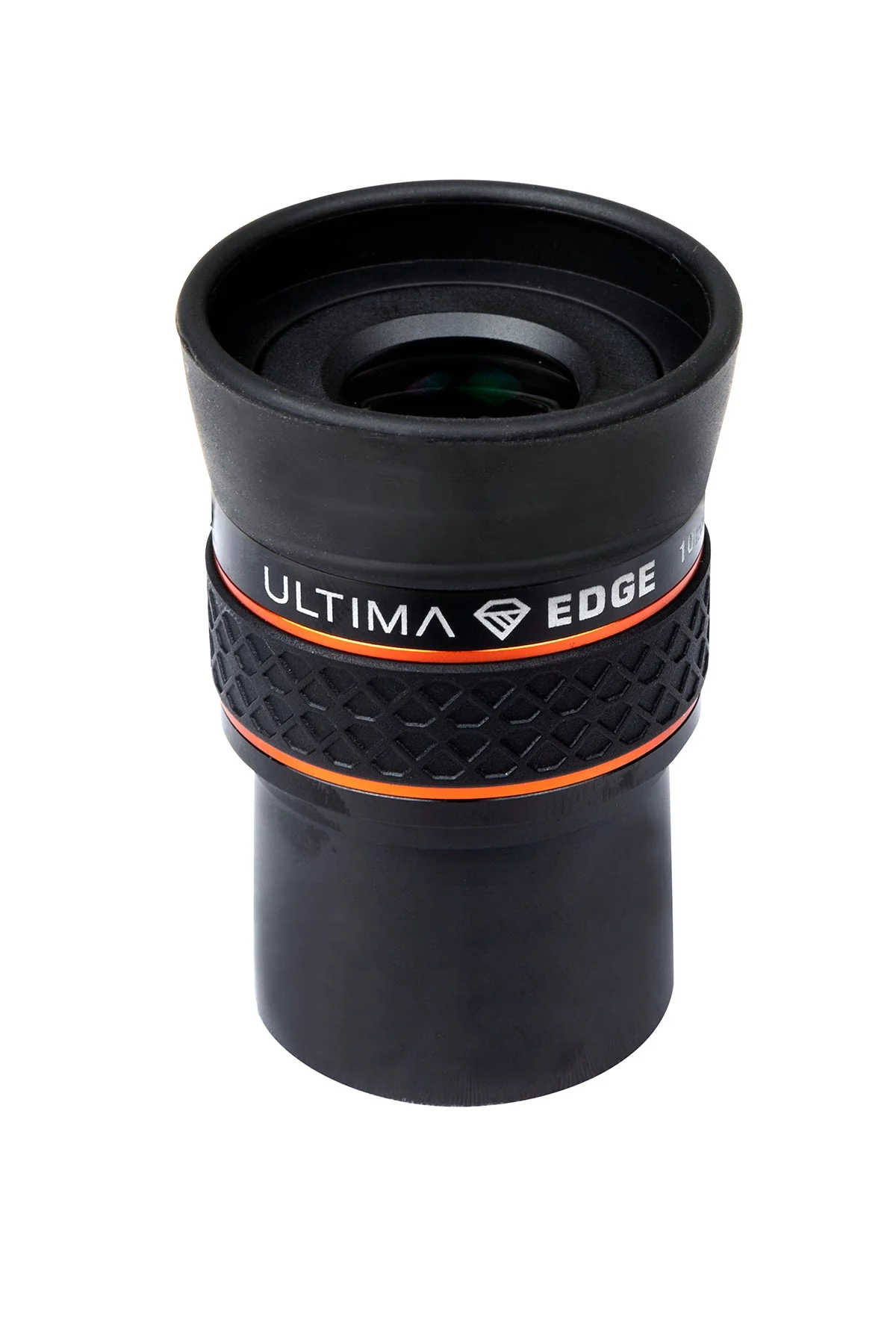
Celestron Ultima Edge 10mm
A 10mm Celestron Ultima Edge: a medium-high-power eyepiece for planets, globular cores and small planetary nebulae, from a flat-field 65-degree eyepiece that stays sharp to the edge in fast scopes.
Medium-high power. At 10mm this is a medium-high-power eyepiece for planets, globular cores and small planetary nebulae; it is not meant for framing large deep-sky objects.
Lowest in 90 daysLowest ever tracked
Price tracked by PolarisObserved 100 timesTracking since Jul 2026
Verified 9h ago · prices tracked daily

01What it's good atWhat it's best at — and the trade-offs.
A genuinely flat field: sharp corner to corner, even in f/5 Newtonians.
What it's best at — and the trade-offs.
02In your telescopeOne eyepiece. A different job in every scope.
48× in a small refractor, 203× in a long SCT
One eyepiece. A different job in every scope.
An eyepiece has no magnification of its own — the telescope decides. The same eyepiece becomes 48× and 1.3° of sky in a little refractor, or 203× and a tight frame in a long SCT. Here’s what it does across common scopes.
03In plain EnglishThe numbers, in plain English.
10mm FL · 60° AFOV · 1.25"
The numbers, in plain English.
04What comes aliveThe targets this eyepiece was born for.
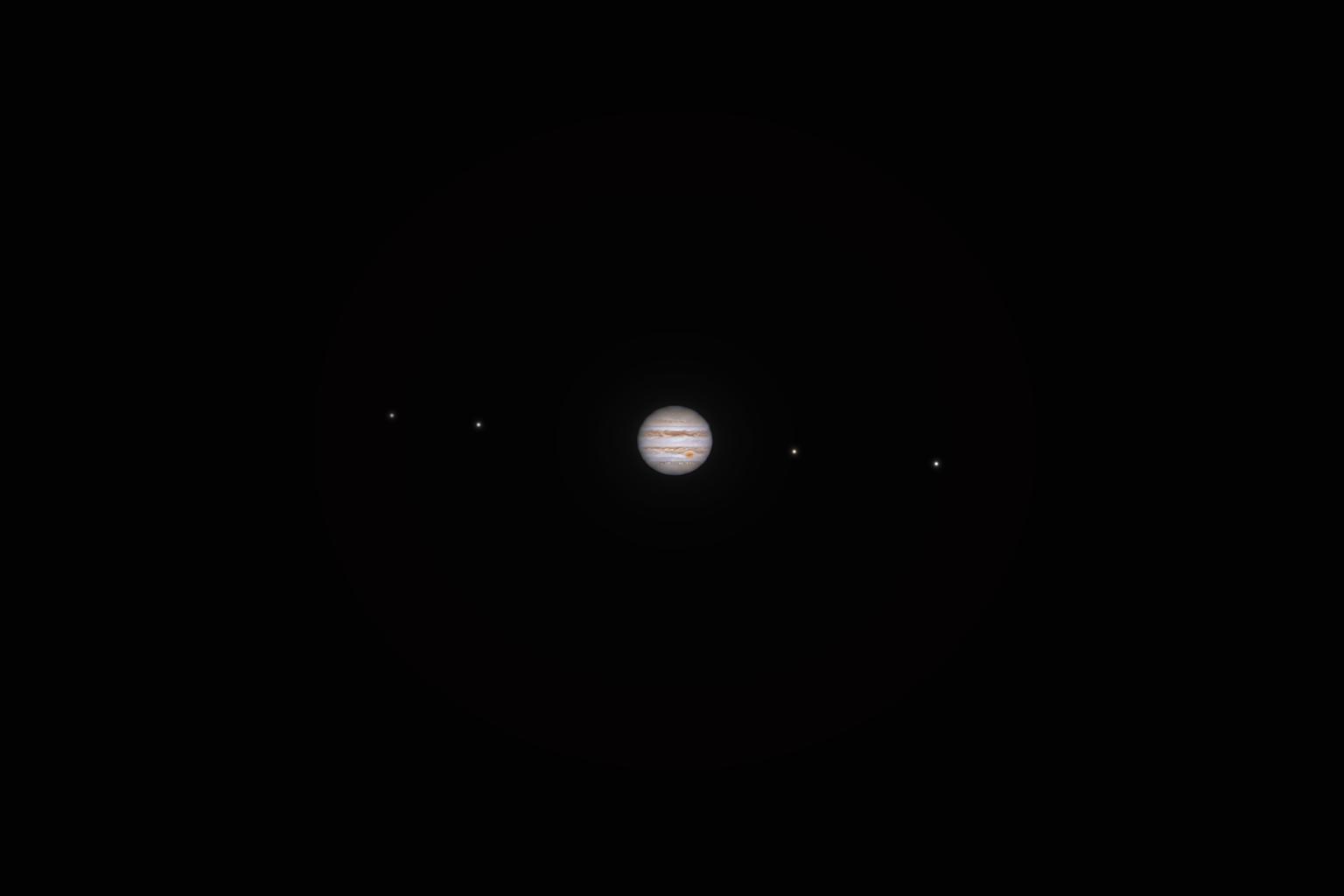
Jupiter and its moons, Saturn, The Moon, M13 globular cluster, The Ring and Cat’s Eye…
The targets this eyepiece was born for.
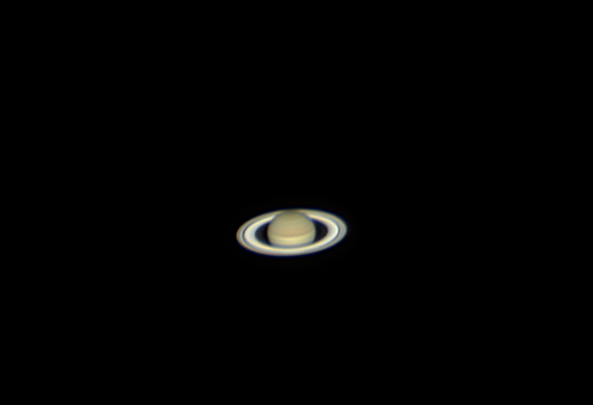
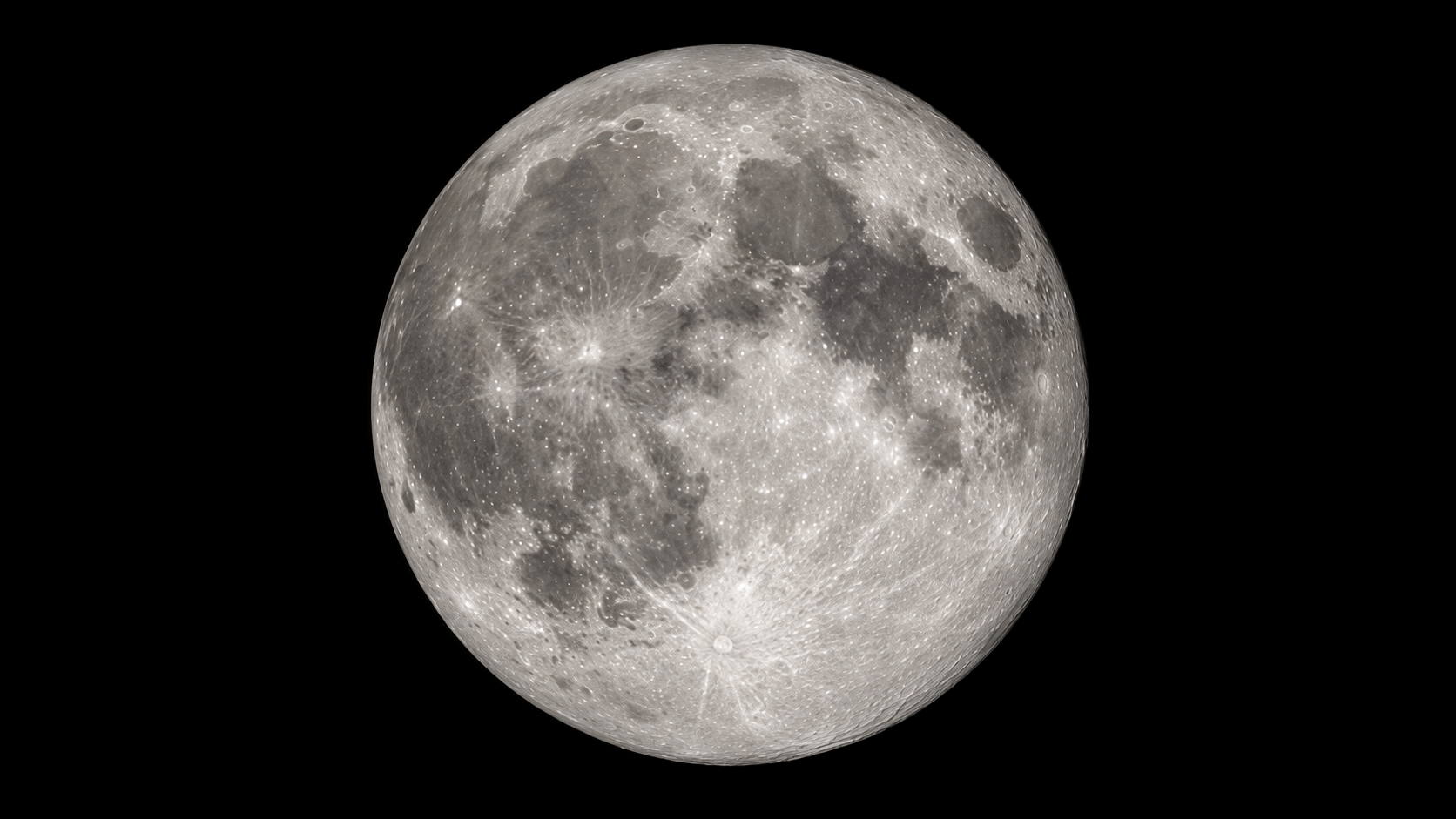
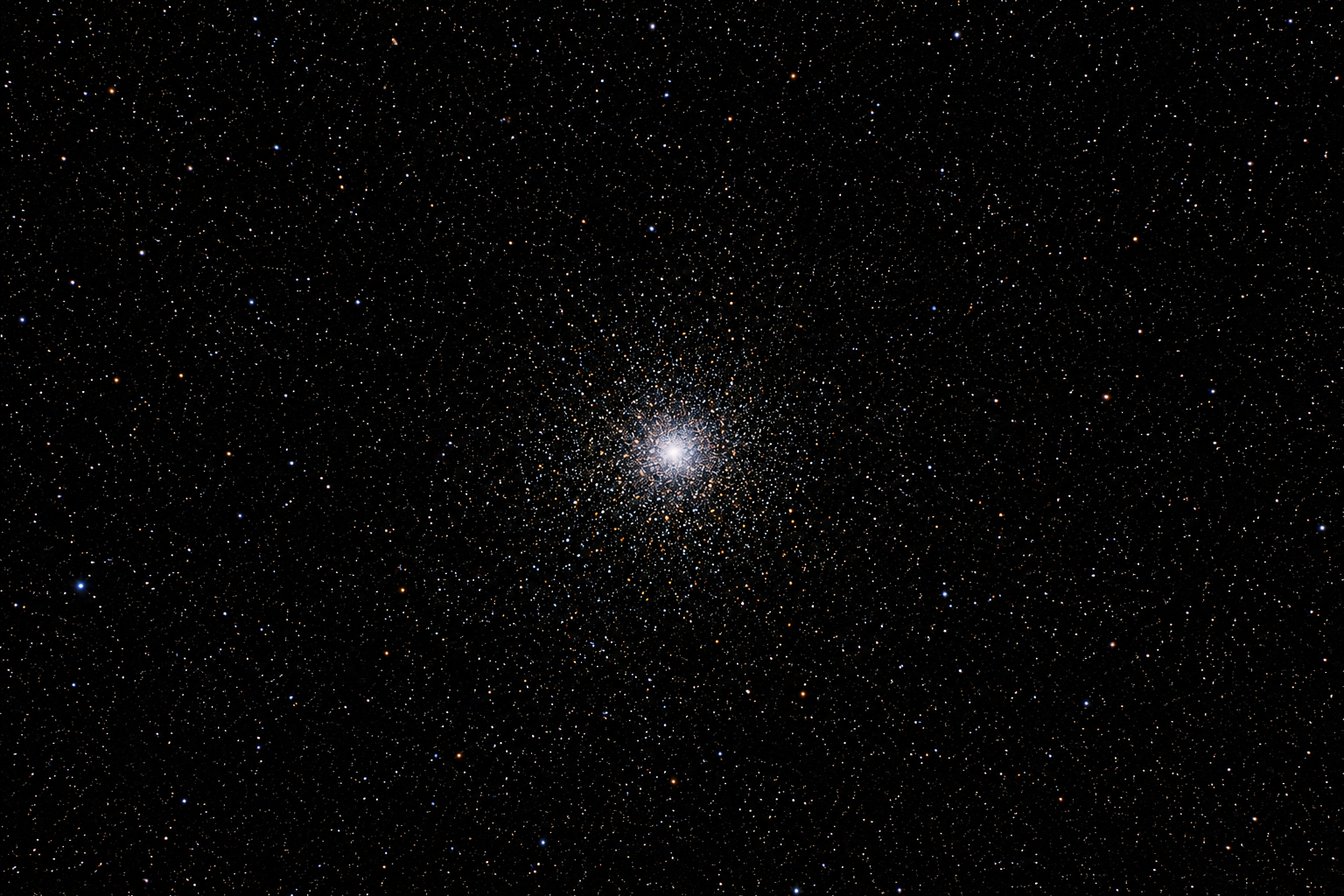
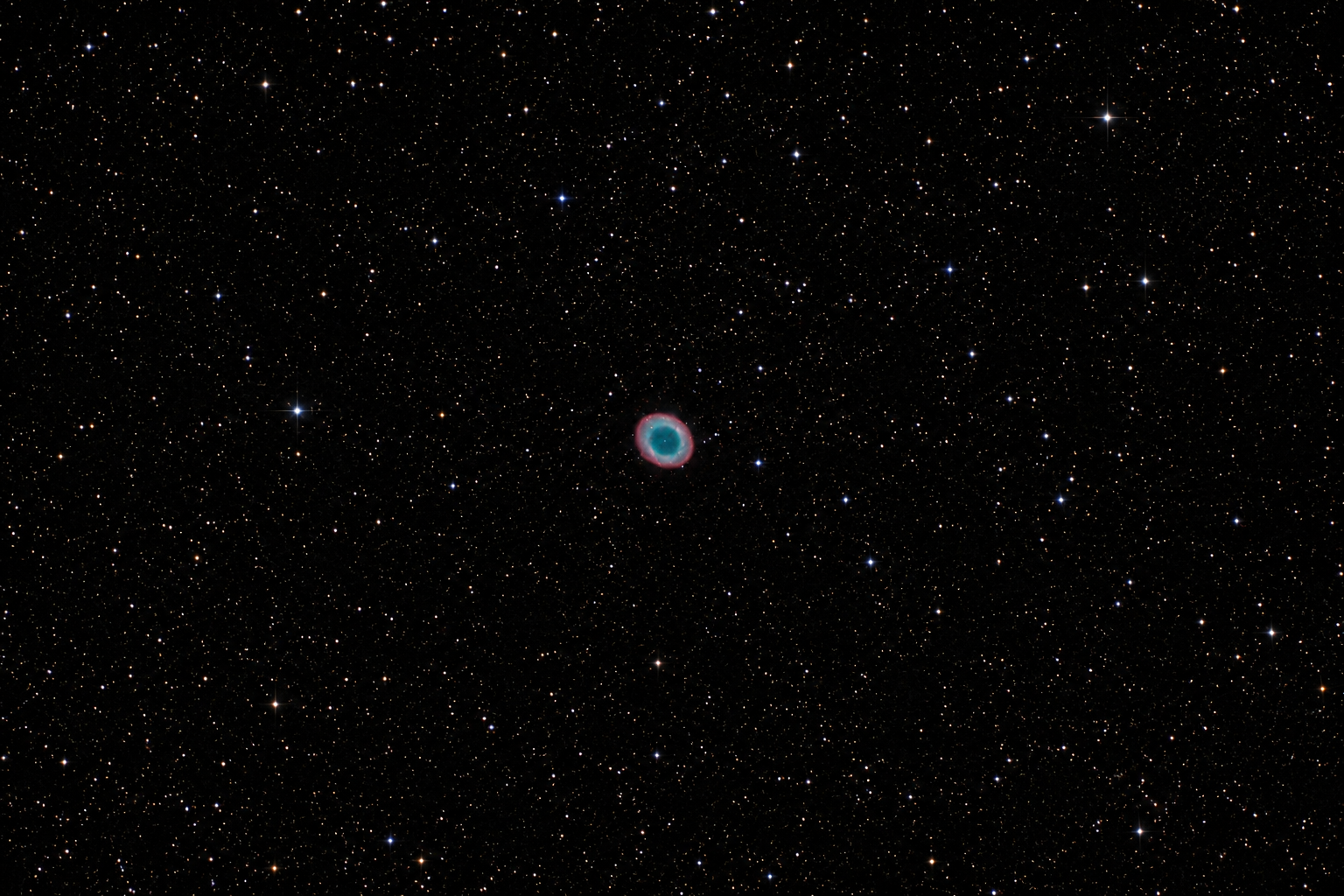
05Role in a collectionWhere it sits in your eyepiece case.
Where it sits across 3 focal lengths
Where it sits in your eyepiece case.
A good eyepiece collection isn’t a pile of glass — it’s two or three focal lengths that hand off from wide to tight. This is the anchor at the bottom of the ladder: the one you find and frame with. You buy it once, and it stays your low-power eyepiece for life.
06Build around itWhat it pairs with.
The telescope · Pair it · Filter it
What it pairs with.
07The Polaris ScoreHow it scores, and why.
77/100
How it scores, and why.
Judged as a medium-high-power eyepiece for planets, globular cores and small planetary nebulae, it earns its score on a genuinely flat field: sharp corner to corner, even in f/5 newtonians. The comfortable eye relief lifts it further. It is honest about being a specialist, not an all-rounder.
Polaris weighs how well the eyepiece does the job it was designed for — optics, immersion, comfort and value — never list price or brand.
08Who it's forAn honest fit check.
Observers who want a medium-high-power eyepiece for planets, globular cores and small…
An honest fit check.
09The numbersFull specifications.
4 measured and stated values
Full specifications.
Point it at a planet on a steady night and the case makes itself. This is where the Ultima Edge earns its keep.