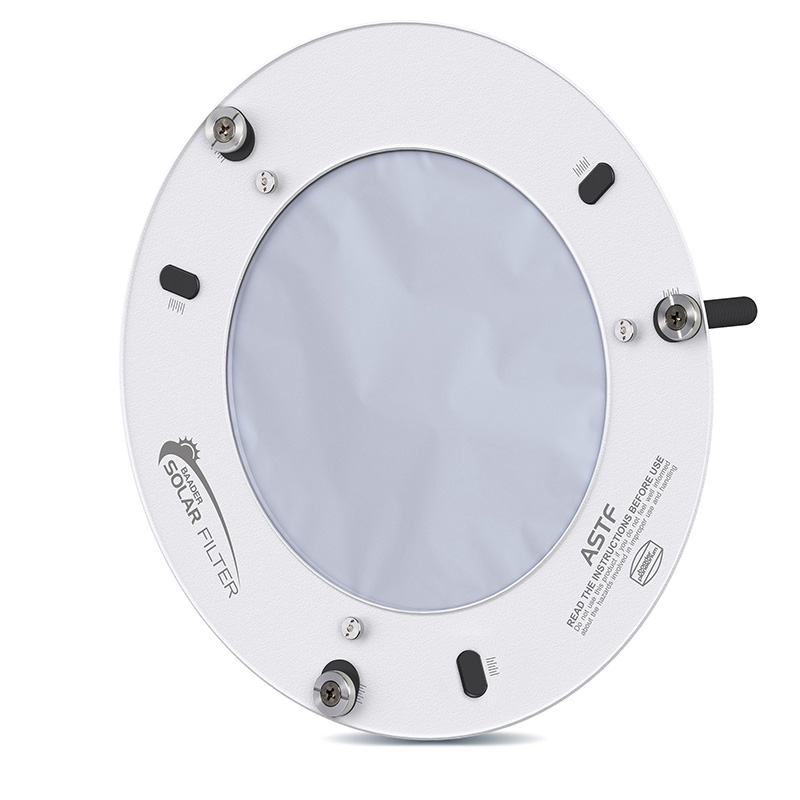
Baader AstroSolar Telescope Filter (ASTF) — 80 mm — image 1
Baader Planetarium

Baader AstroSolar Telescope Filter (ASTF) — 80 mm

The gold-standard white-light film, ready-mounted in a rigid cell. A neutral, razor-sharp view of sunspots and granulation for the price of an eyepiece, the solar filter to buy first.
93/ 100
Polaris Score
#1 of the white-light solar filters we recommend
From$101
Where to buy
Affiliate link — we earn a commission, you pay the same. We rank on fit, not payout.
What changes

You can’t look at all.
Now you can see the surface.

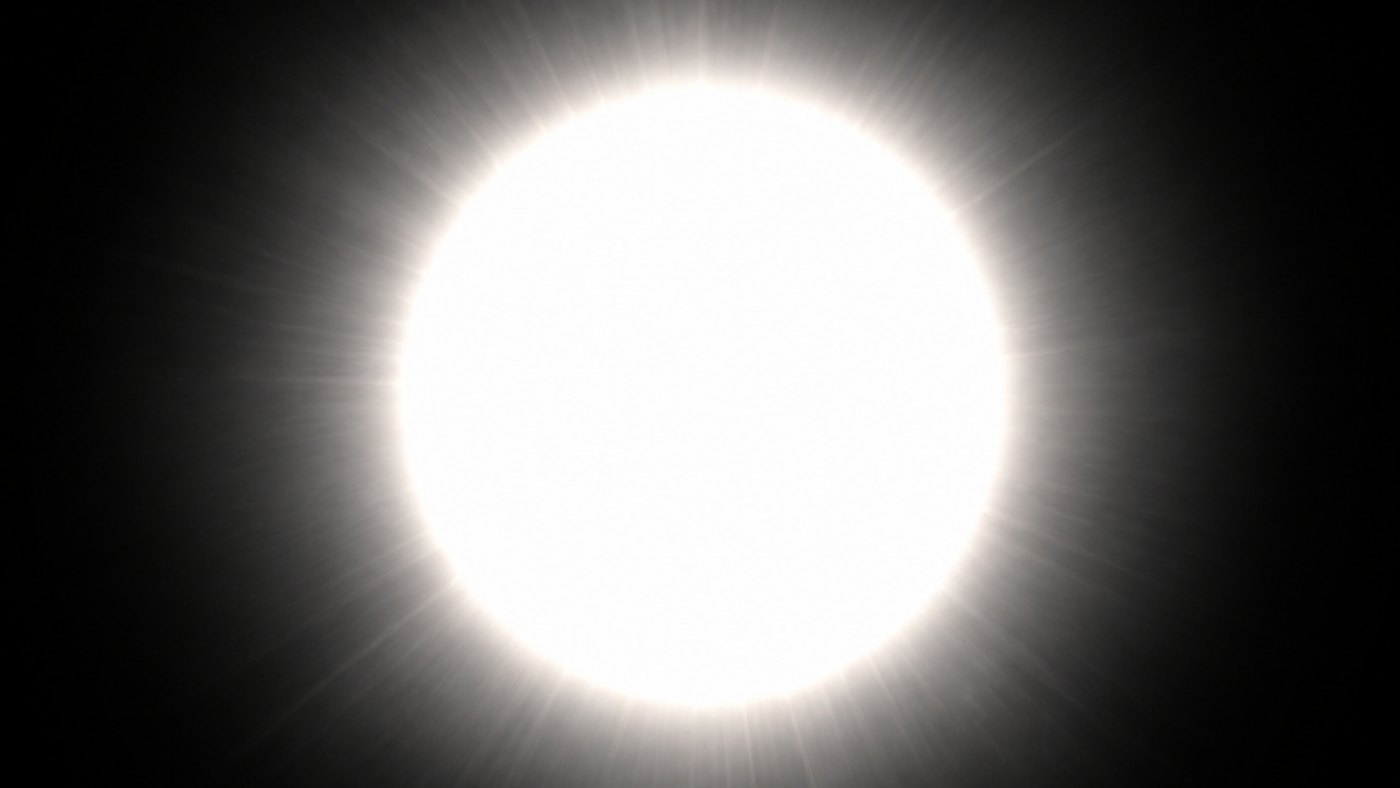
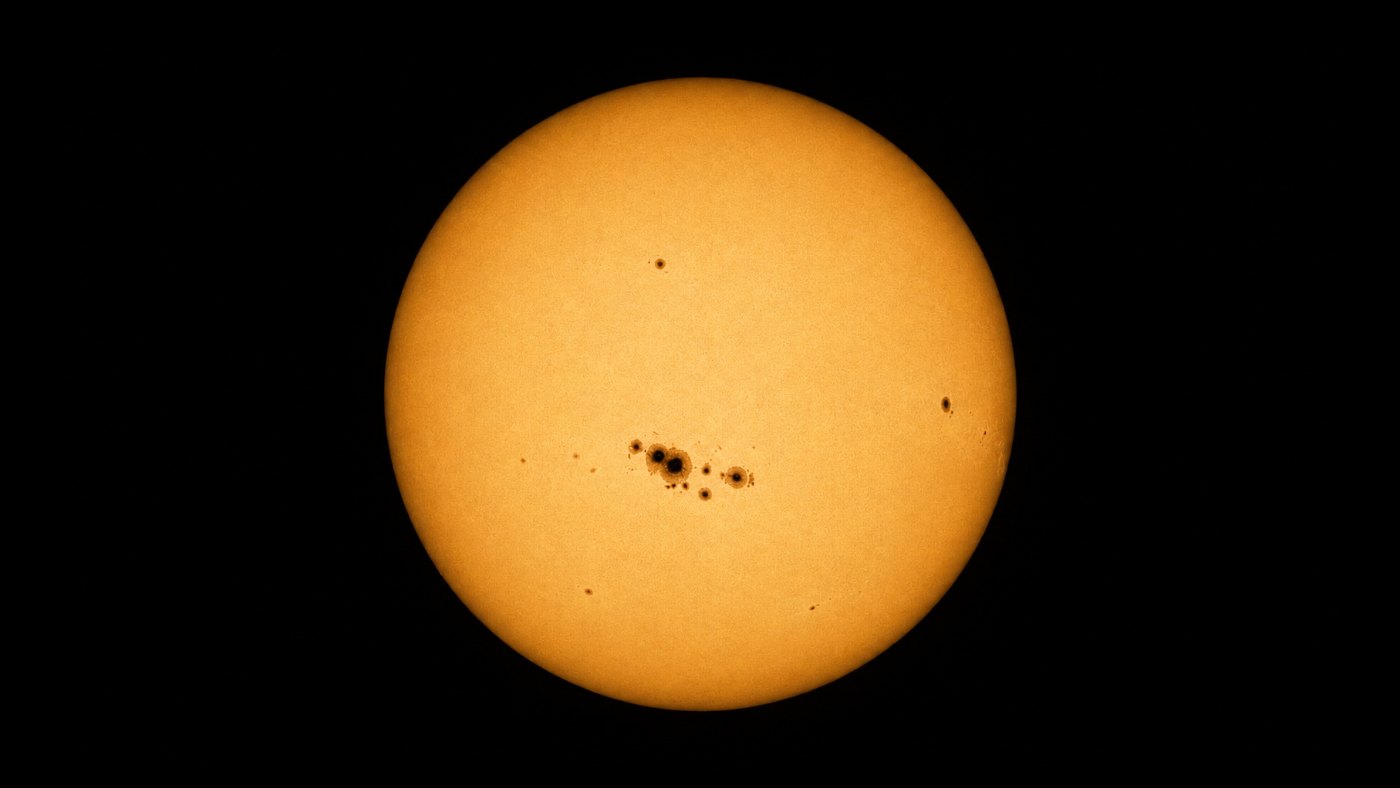
Drag to compare. Without the filter the Sun is a blinding, featureless glare no eye can face. Cut it to a hundred-thousandth and the photosphere appears, limb darkening, and a group of sunspots.

No filter
solar filter
◄►
01What you see

What the Sun actually shows.

A white-light filter shows the photosphere, the Sun’s visible surface. No exotic gear, no darkness required: these are daytime sights any small scope can reach, safely.

A white-light filter shows the photosphere, the Sun’s visible surface. No exotic gear, no darkness required: these are daytime sights any small scope can reach, safely.

The main event
Sunspots
Cooler magnetic storms, often larger than Earth. They drift across the disk over days and cluster near solar maximum, the reason most people buy a solar filter.
Fine detail
Granulation
The Sun’s surface is a boiling mosaic of convection cells. On a steady day, a good filter and small scope resolve the mottled “orange-peel” texture between the spots.
Near the limb
Faculae
Bright magnetic patches, easiest to spot near the darkened edge of the disk. They often mark where new sunspot groups are about to appear.
Rare events
Planetary transits
Mercury and (very rarely) Venus cross the disk as a crisp black dot. A safe solar filter is the only way to watch one, the next Mercury transit is worth planning for.
When they come
Partial eclipses
The Moon takes a bite from the Sun. A full-aperture filter lets you follow every phase of a partial, or the partial stages either side of totality, without ever risking your eyes.
02Read this first

Safety is the whole product.

A solar filter is the one accessory where a mistake blinds you, instantly, painlessly and permanently. Four rules matter more than anything else on this page.

A solar filter is the one accessory where a mistake blinds you, instantly, painlessly and permanently. Four rules matter more than anything else on this page.

✕Full aperture, over the front
A safe solar filter mounts over the front of the telescope, stopping the light before it is ever focused. Never use a small filter that screws into the eyepiece, focused heat shatters them.
✕Never look without it fitted
Not even for a second, not to “line it up.” Unfocused sunlight through a scope causes an instant retinal burn with no pain to warn you. Fit the filter before the scope ever points near the Sun.
✕Inspect before every use
Hold the film or glass up to a bright lamp. Any pinhole, scratch, tear or crease means it is done, into the bin, not onto the scope. Store it flat and capped.
✕Cap the finderscope
A finder is a small unfiltered telescope. Cap it or remove it, or it will scorch the mount, your hand, or your eye the moment you look through it out of habit.
03Where it fits

It goes over the front, not the eyepiece.

This is the one filter that lives at the very front of the light path. It cuts the sunlight to a safe fraction before the telescope ever focuses it, which is exactly what makes it safe.

This is the one filter that lives at the very front of the light path. It cuts the sunlight to a safe fraction before the telescope ever focuses it, which is exactly what makes it safe.

01
The Sun
Far too bright
Never look directly
→
02
This filter
Over the front aperture
Blocks ~99.999%
→
03
Telescope
Now safe to point
~1/100,000 gets through
→
04
Eyepiece
Frames the disk
Low–medium power
→
05
Your eye
Sees the photosphere
Sunspots, granulation
04Which kind

How solar filters compare.

All four let you observe the Sun safely, but they show different things, and cost wildly different amounts. Most people should start with white-light.

All four let you observe the Sun safely, but they show different things, and cost wildly different amounts. Most people should start with white-light.

This one
White-light film
Baader / Thousand Oaks
Bandpass
Full visible
Best for
Sunspots, transits
The affordable standard. A sharp, neutral-to-pale-orange view of the photosphere. What almost everyone should buy first.
Full-aperture glass
Coated optical glass
Bandpass
Full visible
Best for
Sunspots, eclipses
Sturdier and usually warmer-orange than film, in a rigid cell. Pricier, can be a touch softer, but hard to damage.
Herschel wedge
Refractors only
Bandpass
Full visible
Best for
High-contrast white light
Diverts the heat out the side instead of blocking it at the front. Superb contrast, but only ever on refractors, never reflectors or SCTs.
H-alpha
Dedicated instrument
Bandpass
≈ 0.5–0.7 Å
Best for
Prominences, flares
A different view entirely, the chromosphere, with flares and prominences arcing off the limb. Costs many times more than white-light.
05The numbers

What These Numbers Mean

5 numbers in plain English · full specifications

5 numbers in plain English · full specifications

DensityVisual safe
ND 5.0 solar film
It transmits about one hundred-thousandth of the sunlight reaching it, which is what makes solar observing safe. This density is rated for visual use; photographic ND 3.8 film is not, and must never be used at the eyepiece.
What you seeWhite light
Neutral white Sun
AstroSolar film renders the Sun close to neutral white rather than the orange of most glass filters, and it shows sunspot umbra, penumbral structure and surface granulation with unusually high contrast for the price.
MountingCritical
Full aperture, front of tube
It fits over the front of the telescope so sunlight is rejected before it enters and heats anything. Filters that thread into an eyepiece sit at the focus of concentrated sunlight and can crack without warning, which is why they are no longer sold.
FitMeasure first
Sized for 80 mm outer diameter
The number is the tube outer diameter it clamps onto, not the aperture of your telescope. Measure the front of your tube or dew shield before ordering, and confirm the cell grips firmly enough that wind cannot dislodge it.
Before every sessionSafety
Inspect for pinholes
Hold the filter up to a bright lamp and check for pinholes or scratches in the film before each use. A damaged filter is unsafe, and film is consumable in a way glass is not.
Optical
TypeWhite-light, full aperture
MaterialBaader AstroSolar Safety Film ND 5.0
DensityND 5.0 (visual)
Transmission≈ 0.001%
View colourNeutral / faint blue-white
BlocksUV, IR, 99.999% visible
Fit & build
Cell size80 mm OD (front cell)
Also available50–280 mm ASTF sizes
MountRigid aluminium cell, foam-gripped
UseVisual & imaging
ReusableYes, if undamaged
NeverOn the eyepiece end
06Pairs with

Compatible gear.

3 matches for this filter

3 matches for this filter

Match by aperture
Fit is by outer diameter (OD)
Measure the OD
Across the front of the tube or dew shield
Pick the range
Each filter lists an OD window it fits
Snug, not loose
Set screws or a foam grip hold it firmly
Best telescopes
For daytime solar
Small refractor
Sharp, high-contrast disk, the classic solar scope
80–150 mm aperture
More than enough resolution for the Sun
Any cappable scope
If it has a lens cap, it can take a front filter
Handy extras
Make it easier
Solar finder
Point at the Sun without looking up the tube
Continuum filter
Sharpens sunspot detail on white-light views
Steady alt-az mount
Daytime tracking is easy and quick to set up
07Learn more

Guides for solar observing.

2 guides that cover this ground