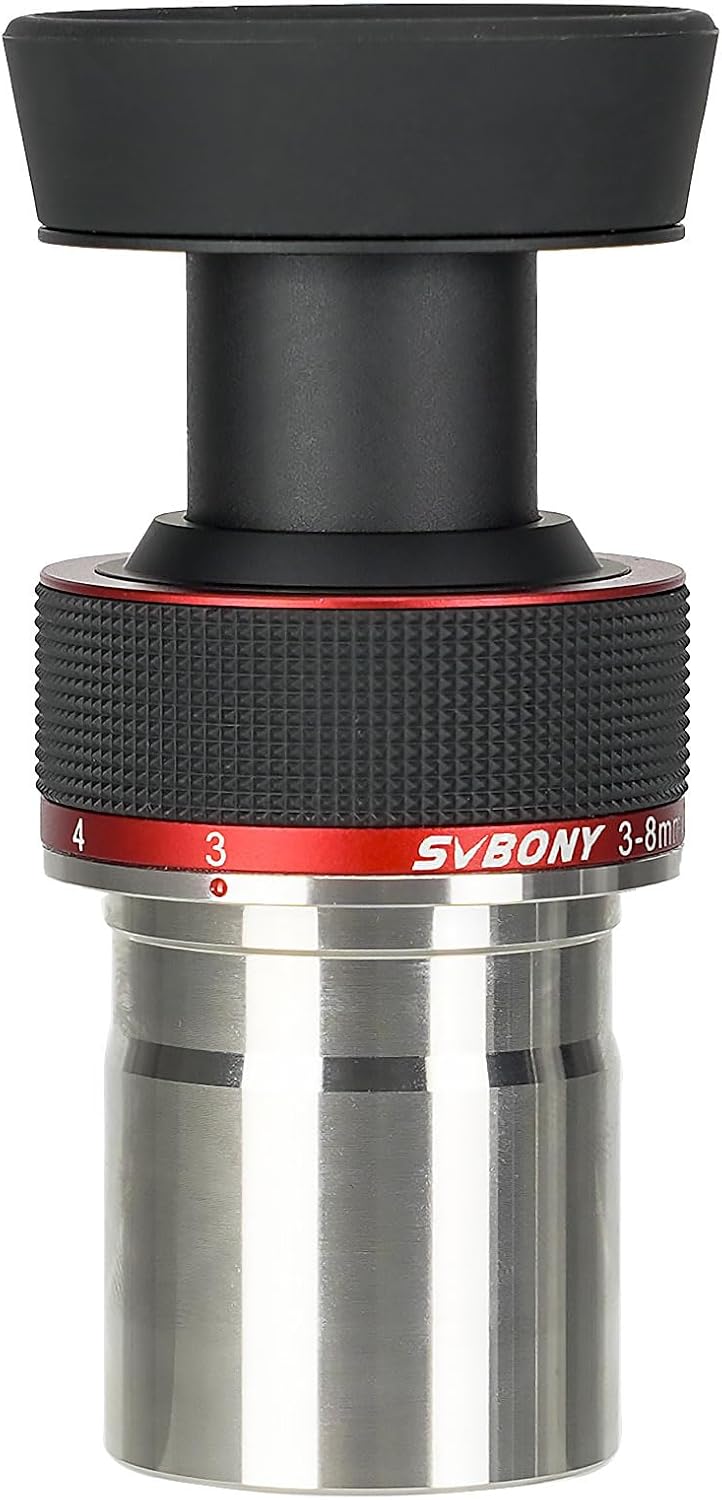
SVBony SV215 Zoom 3-8mm
Six planetary eyepieces in one barrel, with click stops and a fixed 56 degree field that does not collapse as you zoom in. It is the cheapest honest way to find the exact magnification a night of seeing will actually support.
At its 3 mm end this sits at the extreme high power edge of the spectrum, which is planetary, lunar and double star territory. It is the wrong tool for finding anything and the wrong tool for nebulae, and the 8 mm end is as wide as it will ever go.
Lowest in 90 days
Price tracked by PolarisObserved 44 timesTracking since Sep 2026

01What it's good atWhat it's best at — and the trade-offs.
The apparent field genuinely stays at 56 degrees across the whole 3 to 8 mm range, which is not true of the cheap 8-24 mm zooms where the field opens up…
What it's best at — and the trade-offs.
02In your telescopeOne eyepiece. A different job in every scope.
160× in a small refractor, 677× in a long SCT
One eyepiece. A different job in every scope.
An eyepiece has no magnification of its own — the telescope decides. The same eyepiece becomes 160× and 21′ of sky in a little refractor, or 677× and a tight frame in a long SCT. Here’s what it does across common scopes.
03In plain EnglishThe numbers, in plain English.
3mm FL · 56° AFOV · 1.25"
The numbers, in plain English.
04What comes aliveThe targets this eyepiece was born for.
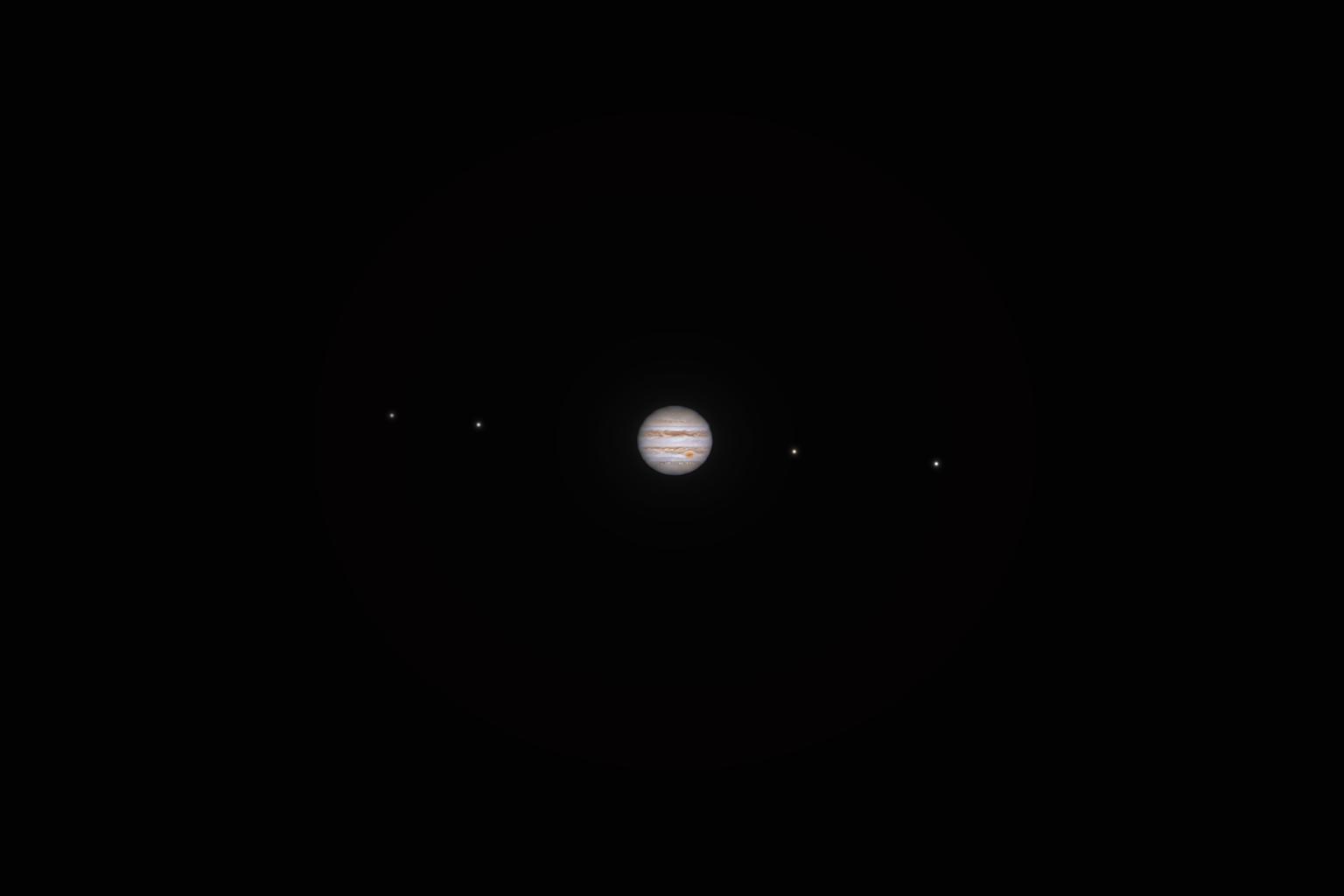
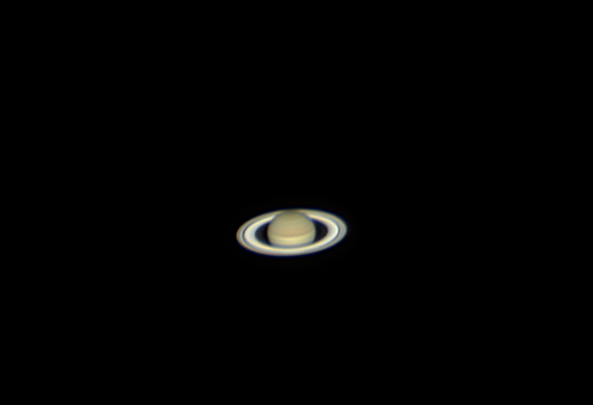
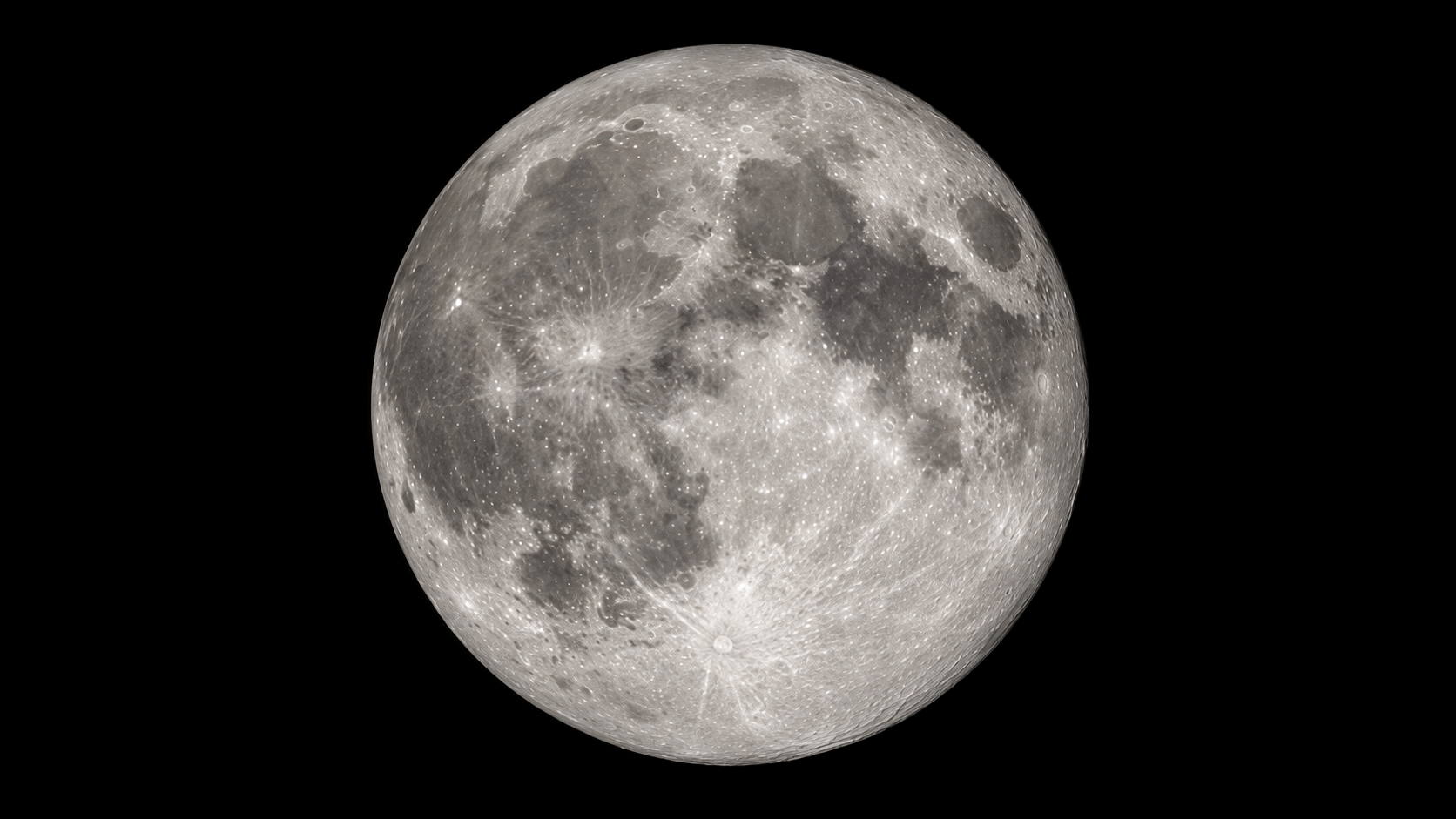
Jupiter and its cloud belts, Saturn and the Cassini Division, The lunar terminator, Mars…
The targets this eyepiece was born for.
05Role in a collectionWhere it sits in your eyepiece case.
Where it sits across 3 focal lengths
Where it sits in your eyepiece case.
A good eyepiece collection isn’t a pile of glass — it’s two or three focal lengths that hand off from wide to tight. This is the anchor at the bottom of the ladder: the one you find and frame with. You buy it once, and it stays your low-power eyepiece for life.
06Build around itWhat it pairs with.
The telescope · Pair it · Filter it
What it pairs with.
07The Polaris ScoreHow it scores, and why.
80/100
How it scores, and why.
Judged as a planetary zoom rather than as a wide field eyepiece, this does the important things well: the field really does stay at 56 degrees across the range, it really is close to parfocal, and the click stops make it usable in the dark without a torch. It gives up edge sharpness and eye relief to a good fixed eyepiece, and the field is narrow next to a modern wide angle, which is what keeps it out of the top tier.
Polaris weighs how well the eyepiece does the job it was designed for — optics, immersion, comfort and value — never list price or brand.
08Who it's forAn honest fit check.
The planetary and lunar observer who already owns a low power eyepiece for finding things…
An honest fit check.
09The numbersFull specifications.
4 measured and stated values
Full specifications.
Planetary observing is a negotiation with the atmosphere, and the atmosphere changes its terms every twenty minutes. A drawer of fixed eyepieces makes you guess; this makes you turn a ring. The SV215 is not the sharpest short focal length glass you can buy, but it is the one that gets you to the right power before the moment of good seeing has passed.
10AlternativesFor a different goal, start here.
3 alternatives, each mapped to the goal it wins at
For a different goal, start here.
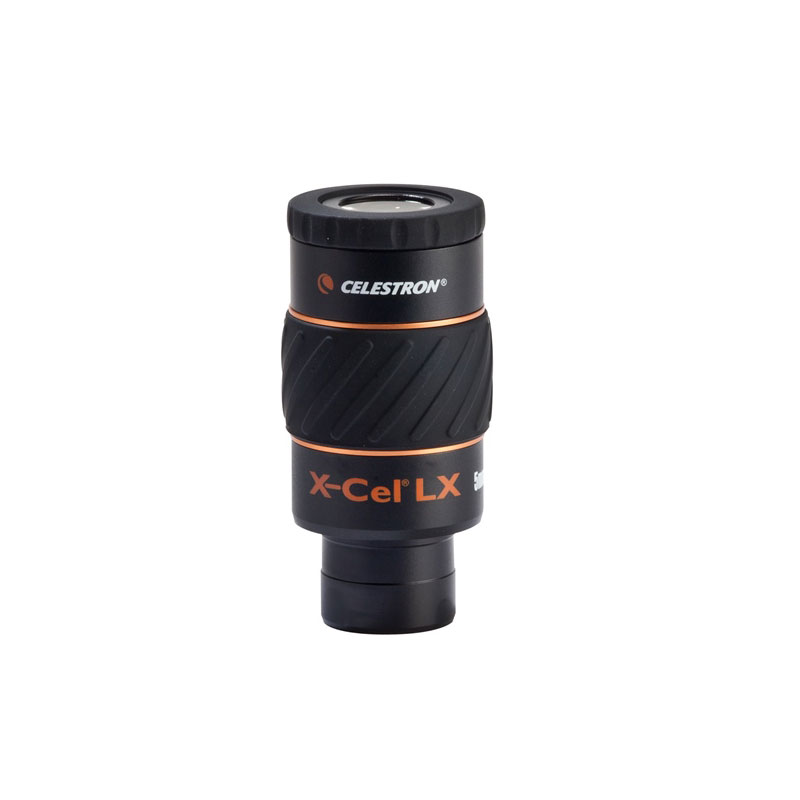
Celestron X-Cel LX 5mm
One focal length mid-range with 16mm eye relief and a wider field, for a third of the price.
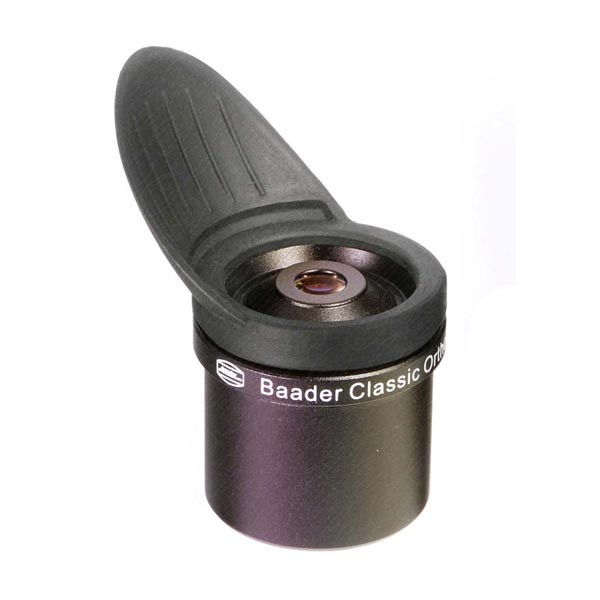
Baader Classic Ortho 6mm
Four elements and a 50 degree field: the contrast benchmark, if you want one perfect power.
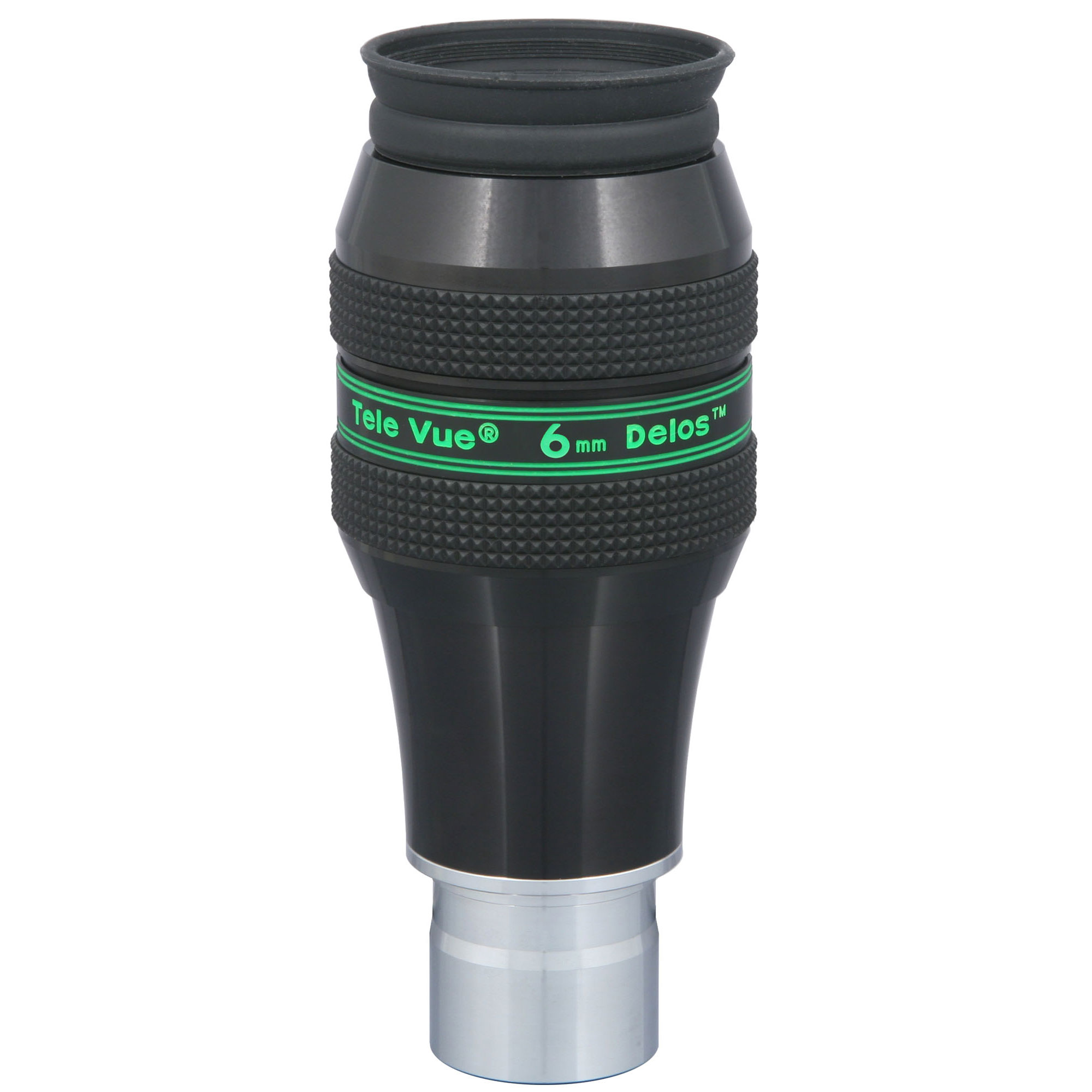
Tele Vue Delos 6mm
Twenty millimetres of eye relief, a 72 degree field and reference optics. Costs roughly three times as much and covers one focal length.